Guatemala's Eight Coffee Regions: Flavor Profiles and Pour-Over Guide
Introduction: Guatemalan coffee is known worldwide for its bright fruit acidity and distinctive smoky finish, and its eight regions yield widely varying flavor profiles shaped by their different geographies. This article takes an in-depth look at the bean characteristics of core regions such as Antigua and Huehuetenango, covers the grading standards from SHB to Good Washed, explains how washed and natural processing affect flavor, and provides professional pour-over parameters and flavor descriptions to help you choose the right beans and brewing method.
With their bright fruit acidity and distinctive smoky finish, Guatemalan coffee beans hold an important place in the global specialty coffee market. The country spans tropical and highland climate zones, bordered by Mexico to the north, Honduras and El Salvador to the south, the Caribbean Sea to the east, and the Pacific Ocean to the west; its complex terrain and volcanic soils provide exceptional conditions for coffee growing. The core coffee belt lies in highland areas above 1,500 meters, where 45% of production meets specialty-grade standards, and washed processing accounts for over 90%, creating a clearly layered flavor base.
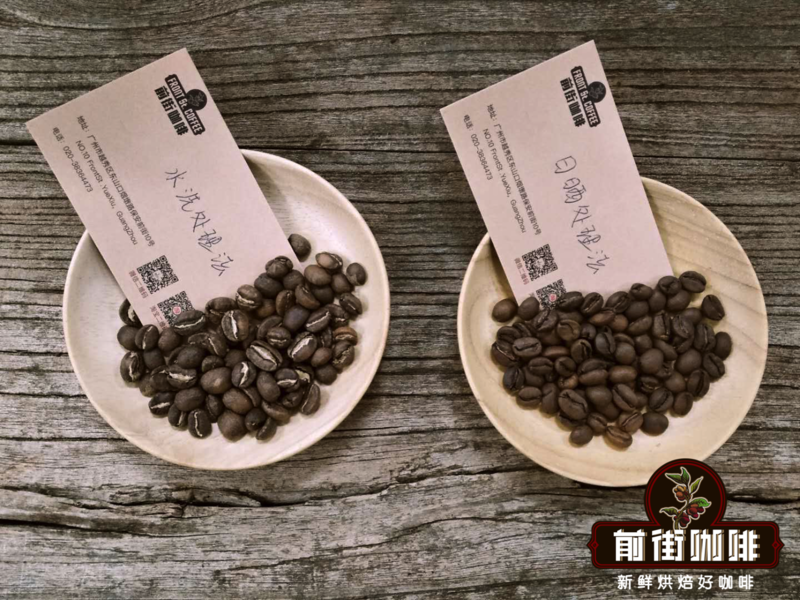
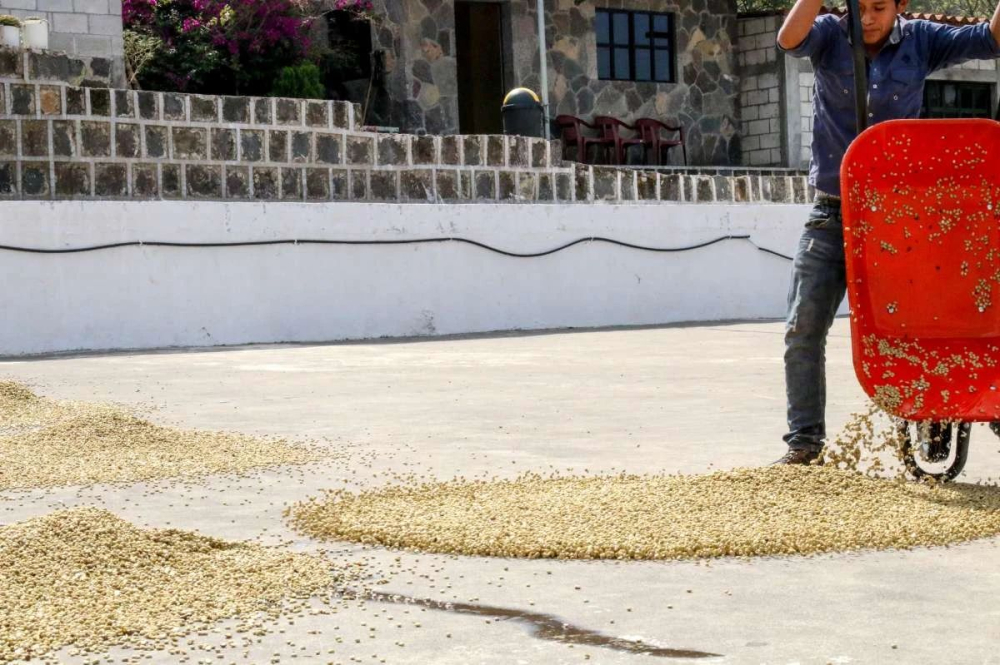
Guatemala uses a scientific altitude-based grading system: SHB (Strictly Hard Bean, 1,500–1,700 m) has the highest density, followed by HB (Hard Bean, 1,350–1,500 m), down to Good Washed (700–850 m), forming a complete gradient. Because of the slow growth cycle at high altitude, SHB beans have dense bodies and outstanding flavor complexity. Washed processing dominates (over 90%), with 16–36 hours of fermentation to break down the pectin, giving the coffee sharper acidity and a cleaner mouthfeel; natural processing retains more sugars, adding sweetness and fermented layers.
The country's coffee varieties are diverse. The mainstream consists of four classic varieties: Bourbon, Typica, Caturra and Catuaí, with small-scale plantings of specialty varieties such as Yellow Bourbon, Geisha and Pacamara. Bourbon is known for its balanced acidity-to-sweetness ratio; Caturra inherits its fresh citrus notes but is slightly less sweet; and Catuaí, a cross between Caturra and Mundo Novo, combines high-altitude adaptability with stable yields.
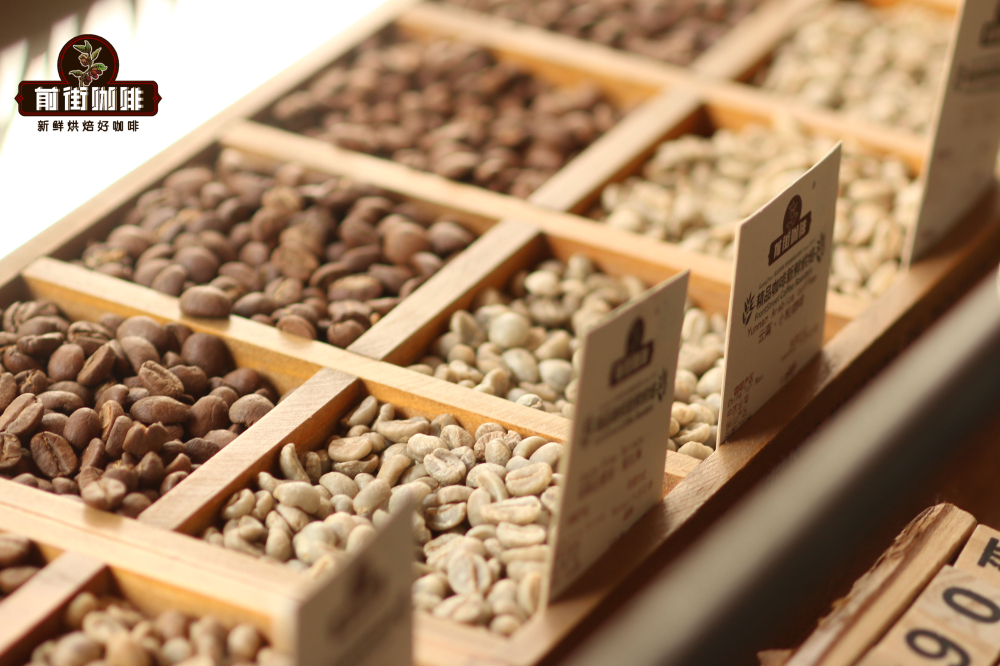
Guatemala's eight regions fall into two geological categories, volcanic and non-volcanic: the five volcanic regions (Antigua, Acatenango, Lake Atitlán, Volcán San Marcos and Fraijanes Plateau) draw on the rich minerals of volcanic ash soils and generally produce coffee with high sweetness and full body; the three non-volcanic regions (Huehuetenango, Cobán and Nuevo Oriente) rely on distinctive microclimates to develop differentiated flavor expressions.
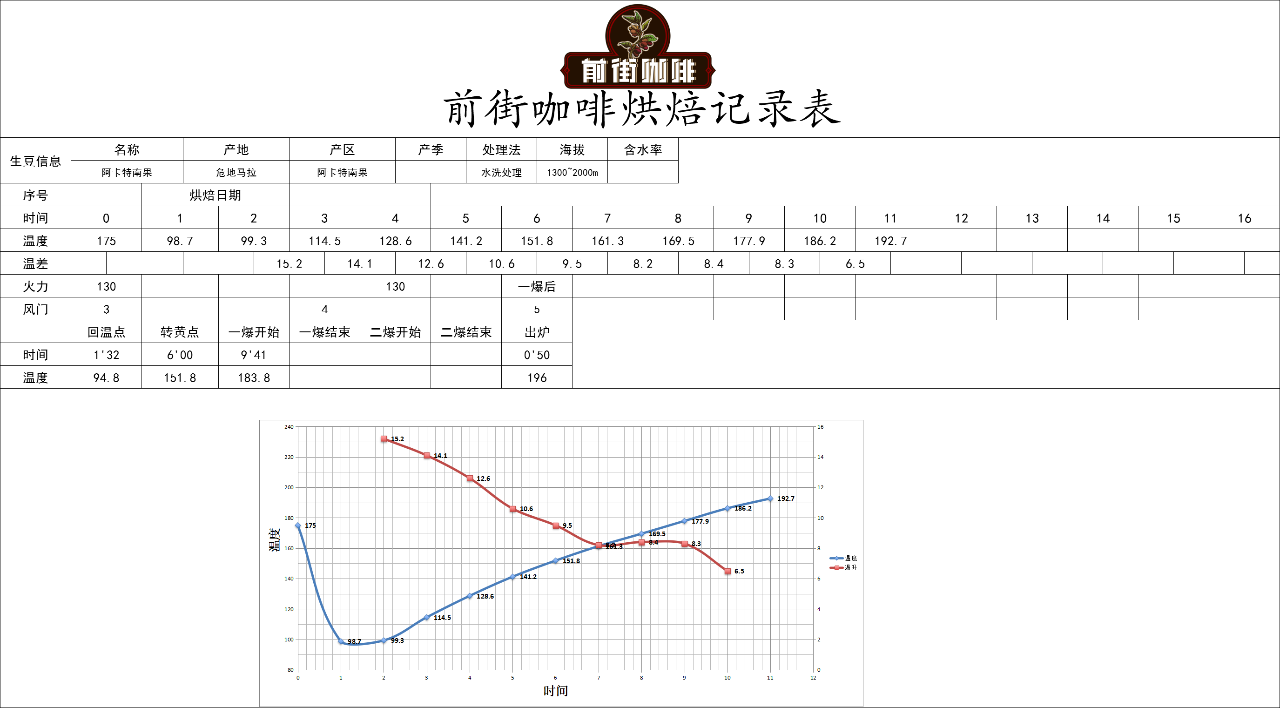
[Antigua] The oldest core specialty coffee region, located in the central highlands and benefiting from a subtropical monsoon climate and fertile volcanic ash soils. Typical altitude is 1,200–1,600 m, with Bourbon and Caturra as the main varieties. After washed processing, SHB-grade beans show bright berry acidity and citrus notes, transitioning mid-palate to a soft chocolate finish. Recommended professional brewing: 90°C water, V60 dripper with 80% passing a 0.85 mm sieve, 1:15 coffee-to-water ratio, three-pour method (30 g bloom → 95 g → 100 g), total time 1 minute 54 seconds, which enhances the juicy feel and clear layering.
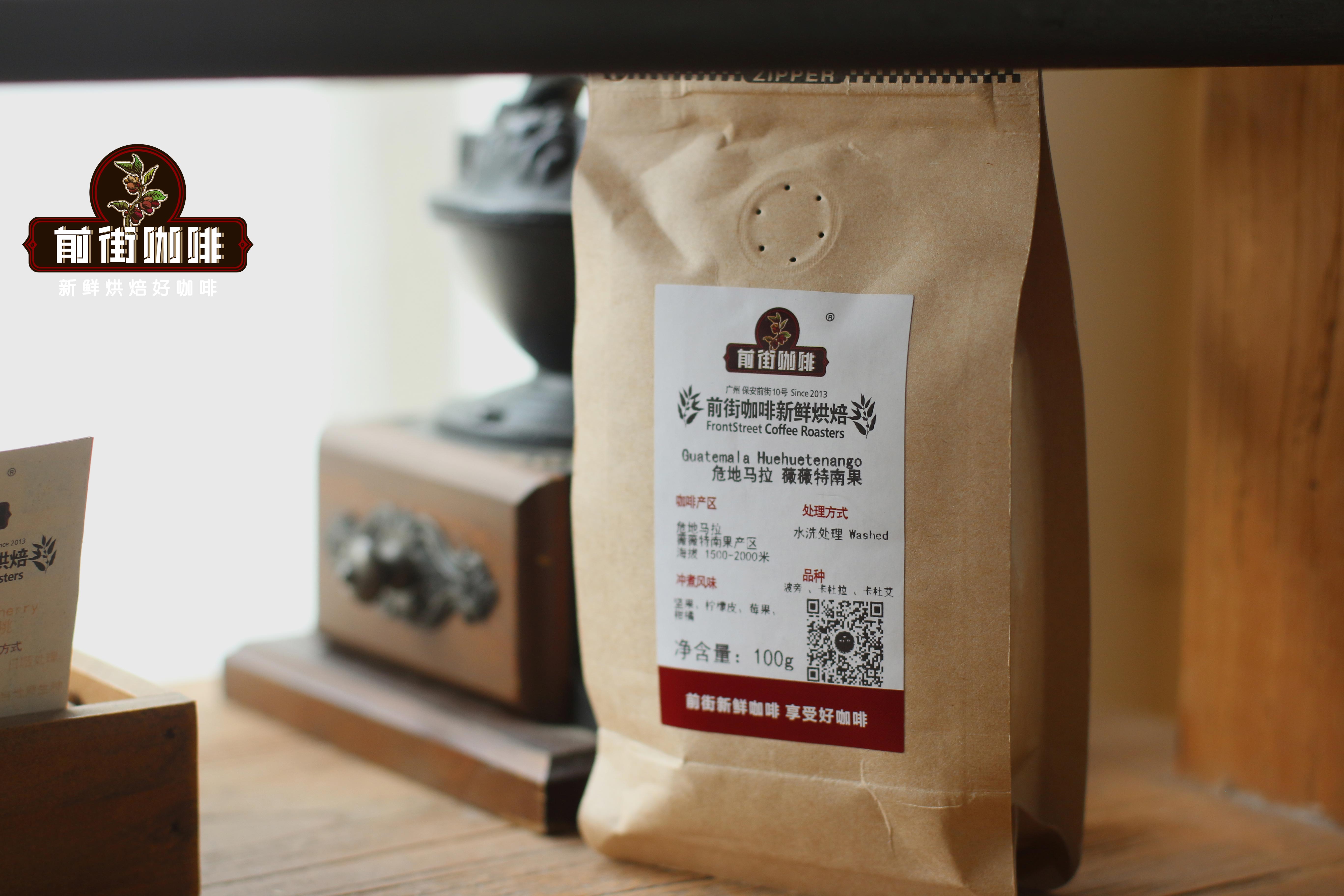
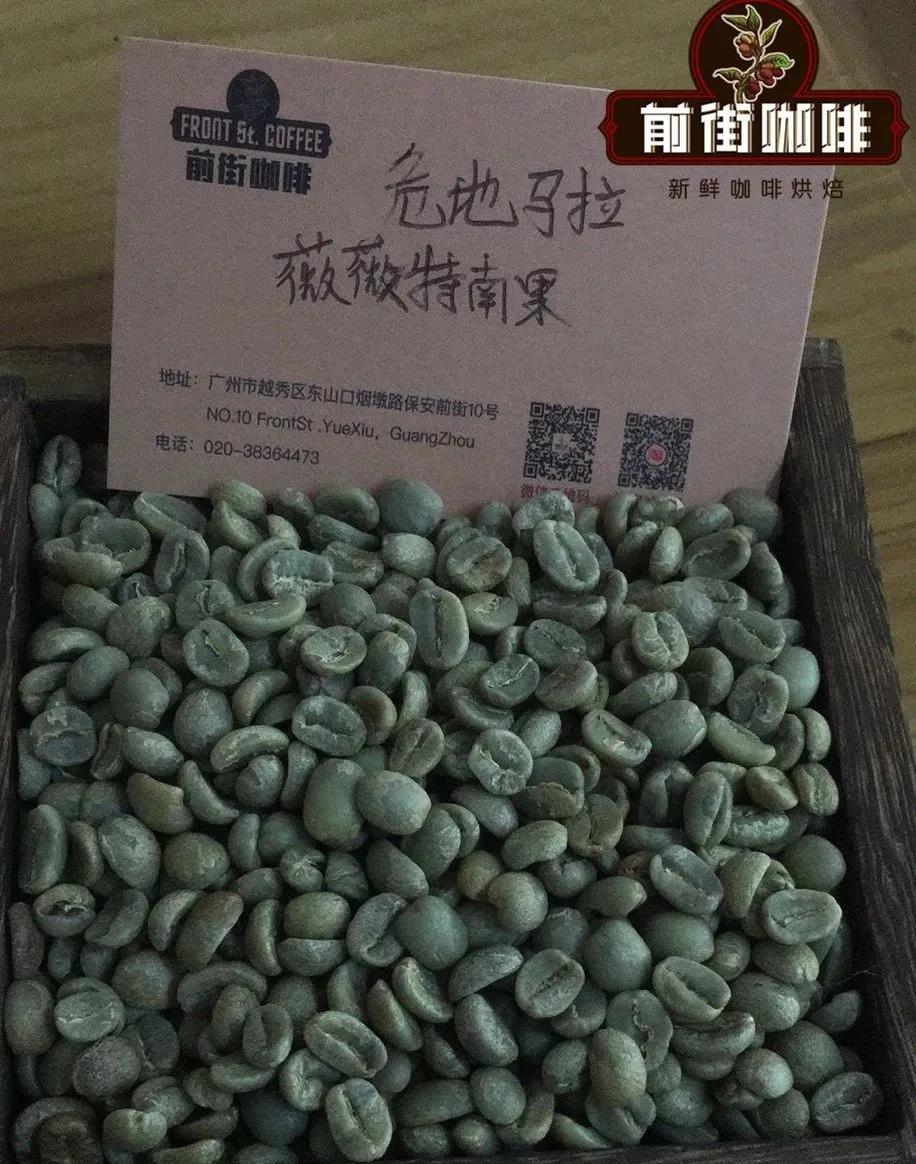
[Huehuetenango] Located in the remote mountains of central Guatemala, its name means "place of the ancestors" in Nahuatl. Thanks to dry hot winds from Mexico that ease the threat of frost, coffee is grown at altitudes of 1,500–2,000 m. The main varieties—Bourbon, Caturra and Catuaí (a Caturra × Mundo Novo cross)—after washed processing show bright citrus and berry acidity, with lemon-peel aromatics and mid-palate nutty notes, turning to a black-tea-like fullness in the finish. With the same brewing parameters, its clean sweet-acid balance and lingering sweetness are especially prominent.
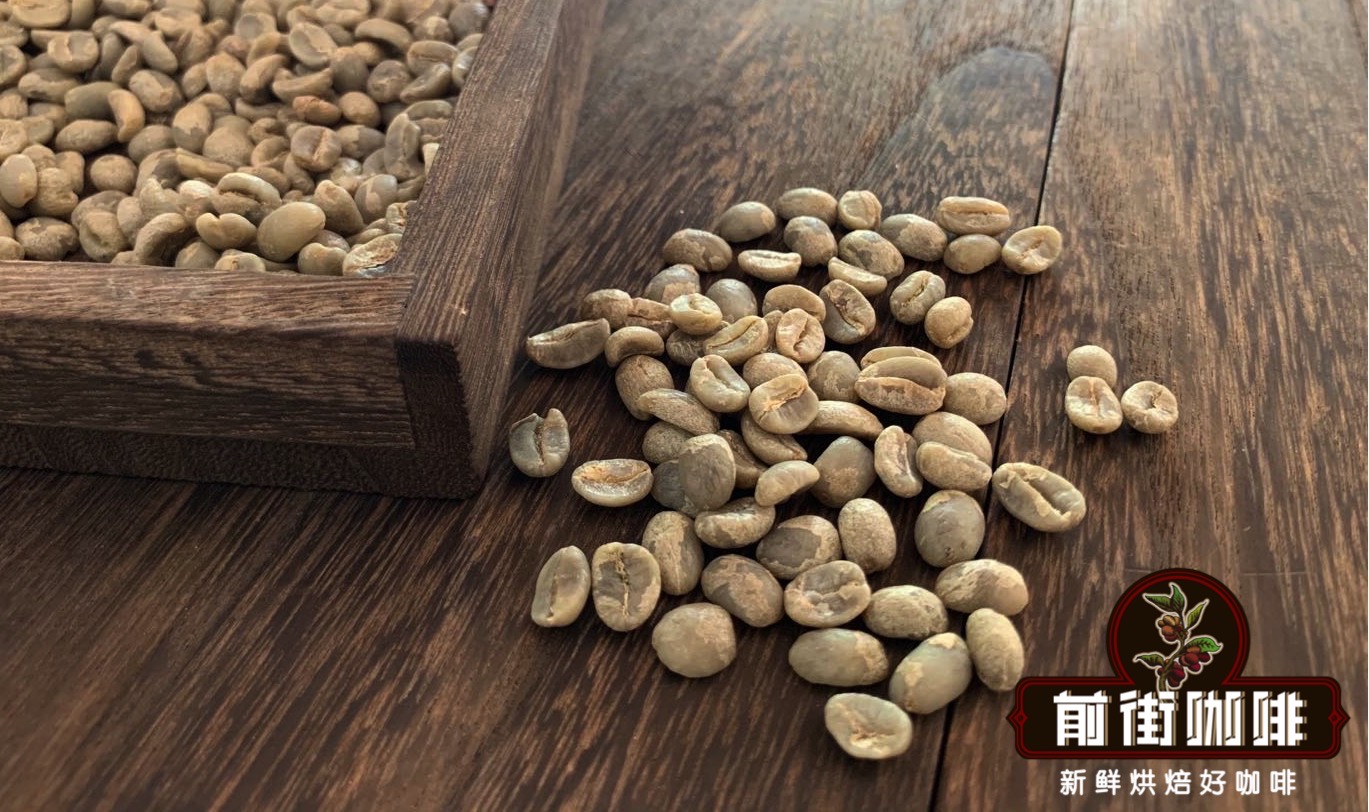
[Nuevo Oriente] The youngest and newest region, its metamorphic rock soils shaped by ancient volcanic activity are rich in rare minerals. A cloudy environment at 1,500–2,050 m combined with honey processing produces a distinctive Geisha. Sweet orange, magnolia and toffee form its signature flavor triangle; at a light roast, fresh citrus fruit notes appear on entry, and as the coffee cools, honeyed texture and bergamot acidity gradually emerge, with rich layering.
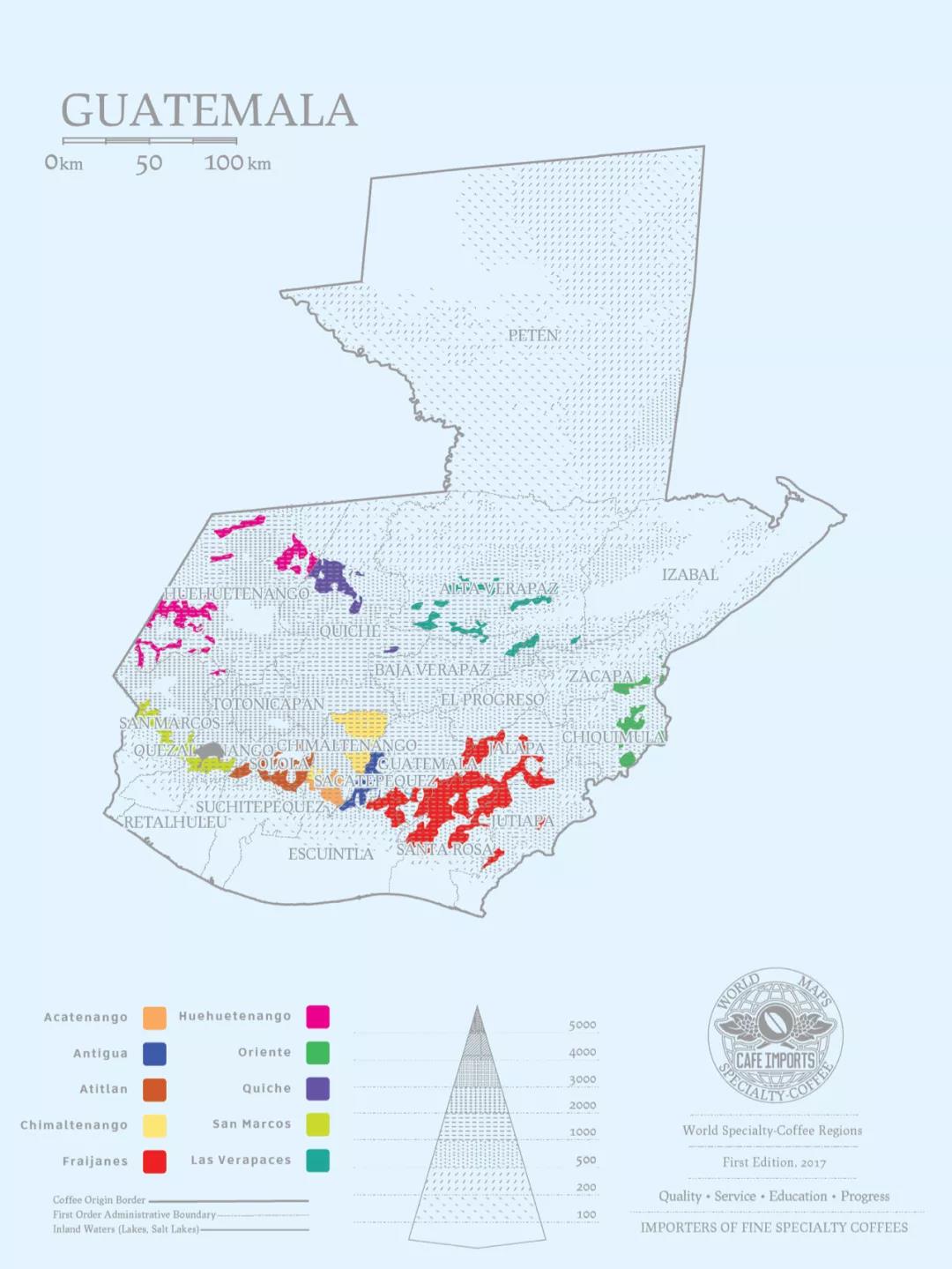
[Acatenango] Adjacent to the active Fuego and Pacaya volcanoes, its special microclimate with day-night temperature swings of more than 10°C, together with coarse sandy soils rich in minerals, produces high-sweetness beans. Bourbon, Caturra and Catuaí at 1,300–2,000 m, after washed processing, show fresh acidity similar to Antigua but with gentler fruit acidity, prominent dry and wet aromas, and a subtle smoky note in the finish. At light-to-medium roast, dark chocolate flavors and a clear sweet aftertaste are especially notable.
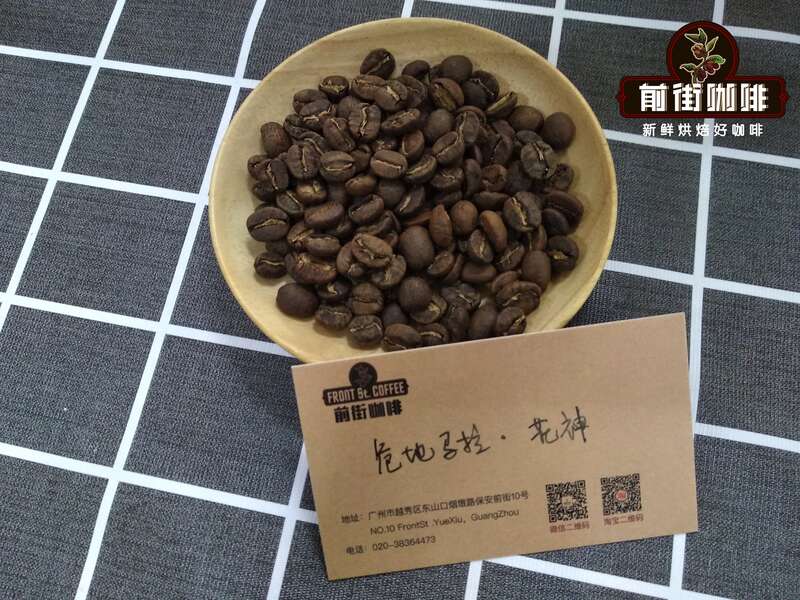
When choosing Guatemalan beans, coffee lovers should focus on three key factors: first, confirm the grading standard corresponding to the region's altitude (prefer SHB or above); second, choose washed (clean acidity) or natural (rich sweetness) according to processing preference; finally, adjust parameters to your brewing equipment—a V60 dripper suits highlighting bright acidity, while a French press better expresses a full body. For beginners, professionals recommend starting with SHB washed beans from Antigua or Huehuetenango, fine-tuning flavor by controlling water temperature (±2°C) and grind size (fine sugar to granulated sugar particle size).