Guatemala Antigua and Huehuetenango Coffee Beans: Pour-Over Flavor and Regional Traits

Introduction: An in-depth look at Guatemala's two classic coffee regions, Antigua and Huehuetenango, and their distinctive terroir and flavor characteristics. From the full body nurtured by volcanic soil to the bright acidity created by the dry highland climate, this guide covers the growing background, flavor layers and suitable brewing methods of these high-quality coffee beans, offering coffee lovers a reference for choosing and tasting beans.
Guatemala's Antigua region is regarded as the country's coffee heartland. Many traditional farming practices are still preserved here, and the region is surrounded by three active volcanoes. This unique geographical setting gives the local coffee beans rich mineral flavors, while the farming families who have run coffee farms for generations continue to produce specialty coffee with complex flavors and consistent quality thanks to their deep growing experience.
Besides Antigua, Guatemala has seven other important coffee-growing regions, such as Huehuetenango, San Marcos and Atitlán. Each region has its own microclimate and soil conditions, and together they underpin Guatemalan coffee's outstanding reputation in the international market.
Among them, the Huehuetenango region is known for growing high-quality coffee beans. It is one of Guatemala's highest coffee-growing areas, with a relatively dry climate and no volcanic terrain. Although the growing altitude is close to 2,000 meters, warm winds from the Mexican plains help the coffee plants effectively avoid the threat of frost, thus ensuring stable growth and ripening of the beans.
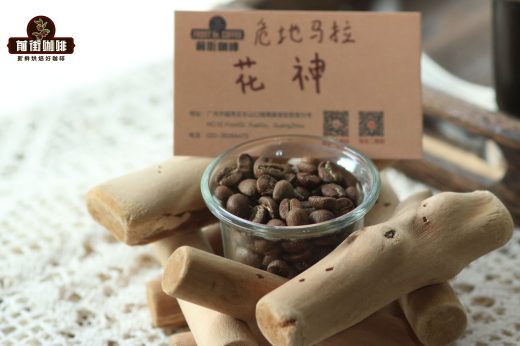
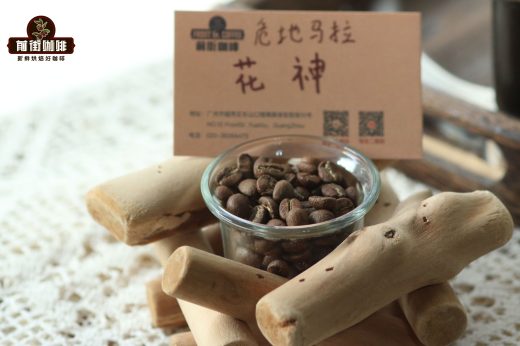
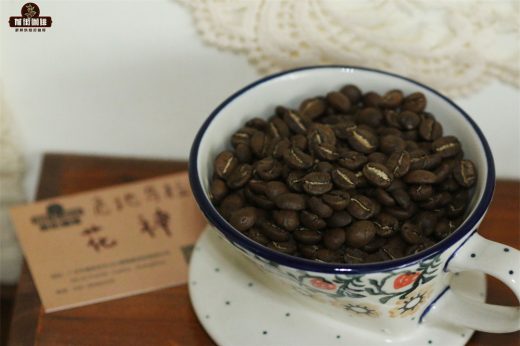
Guatemalan Antigua coffee beans are known for their smooth appearance and hard bean quality, traits that usually indicate higher density and better roasting resilience. In the cup, the flavor is very balanced: bright but not sharp acidity, pronounced sweetness, and a hint of distinctive smoky aroma, together presenting deep and mysterious flavor layers. Antigua coffee in particular achieves a highly harmonious balance of acidity, sweetness, bitterness and body, with a full, rich mouthfeel and clear tobacco notes, giving it more layers and depth than coffee from other Guatemalan regions.
For coffee lovers who enjoy pour-over, these beans are usually suited to a light-to-medium or medium roast to highlight their bright acidity and complex aroma. A V60 or pour-over kettle is recommended, with water temperature controlled between 90-93°C, a coffee-to-water ratio of 1:15 to 1:16, and a medium-fine grind (about 75%-80% passing through a Chinese standard No. 20 sieve). This better brings out their flavor balance and regional character.
Overall, Guatemala's Antigua and Huehuetenango regions are not only important sources of the country's specialty coffee but also provide the global coffee market with beans of distinct flavor and reliable quality. Whether you are a beginner trying single-origin coffee for the first time or a seasoned coffee drinker in pursuit of complex flavors, you can find a taste experience worth exploring here.