Guatemala and Kenya Blend Pour-Over Guide and Roast Recommendations
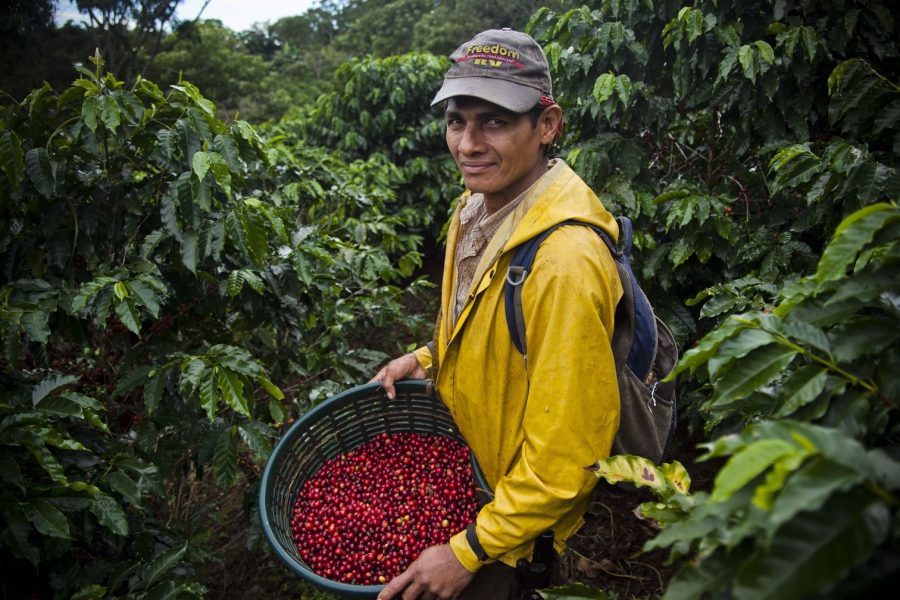
Introduction: This article provides a detailed guide to the characteristics, ideal roast level, and practical pour-over method for a Guatemala and Kenya coffee blend. From growing region terroir to flavor expression, and on to pour-over parameter settings and brewing techniques, it helps coffee enthusiasts gain a deeper understanding of this medium-dark roast blend's potential and improve their home brewing experience.
Guatemalan coffee is known for its rich, layered, and refined mouthfeel; whether as a single origin or in a blend, it can bring a unique impact to the coffee experience. When blending Guatemalan and Kenyan coffee beans, a medium-dark to dark roast is usually the more suitable choice, as it can fully bring out the complementary qualities of the two flavor profiles.
We have long selected high-quality coffee beans from Guatemala's Antigua and Huehuetenango regions. Coffee from Antigua often shows a bold and full flavor, while Huehuetenango is known for its fruity complexity and bright acidity, bringing an unforgettable layered quality to the blend and making it very suitable for coffee lovers seeking a rich flavor experience.
The Guatemalan single-origin beans mentioned in this article have been purchased by us since 2010, and the growing estate has long ranked among the top five in Guatemala's coffee regions. The estate has mineral-rich volcanic soil and stable microclimatic conditions, providing an ideal growing environment for the coffee fruit and creating its unique and consistent quality performance. In cupping scoring, this bean received 84.75 points; in fact, with excellent roast adjustments, its potential can be further enhanced.
The flavor characteristics of this Guatemalan coffee bean are: medium body, with roasted nut aromas, and a bright, lively acidity reminiscent of the vibrant quality of fresh berries. On the palate, the sweetness is lingering, and the finish shows a fusion of caramelized syrup and peanut, overall balanced and layered. It is not only suitable for pour-over but also extremely well suited to espresso, producing excellent lattes, cappuccinos, flat whites, and piccolos.
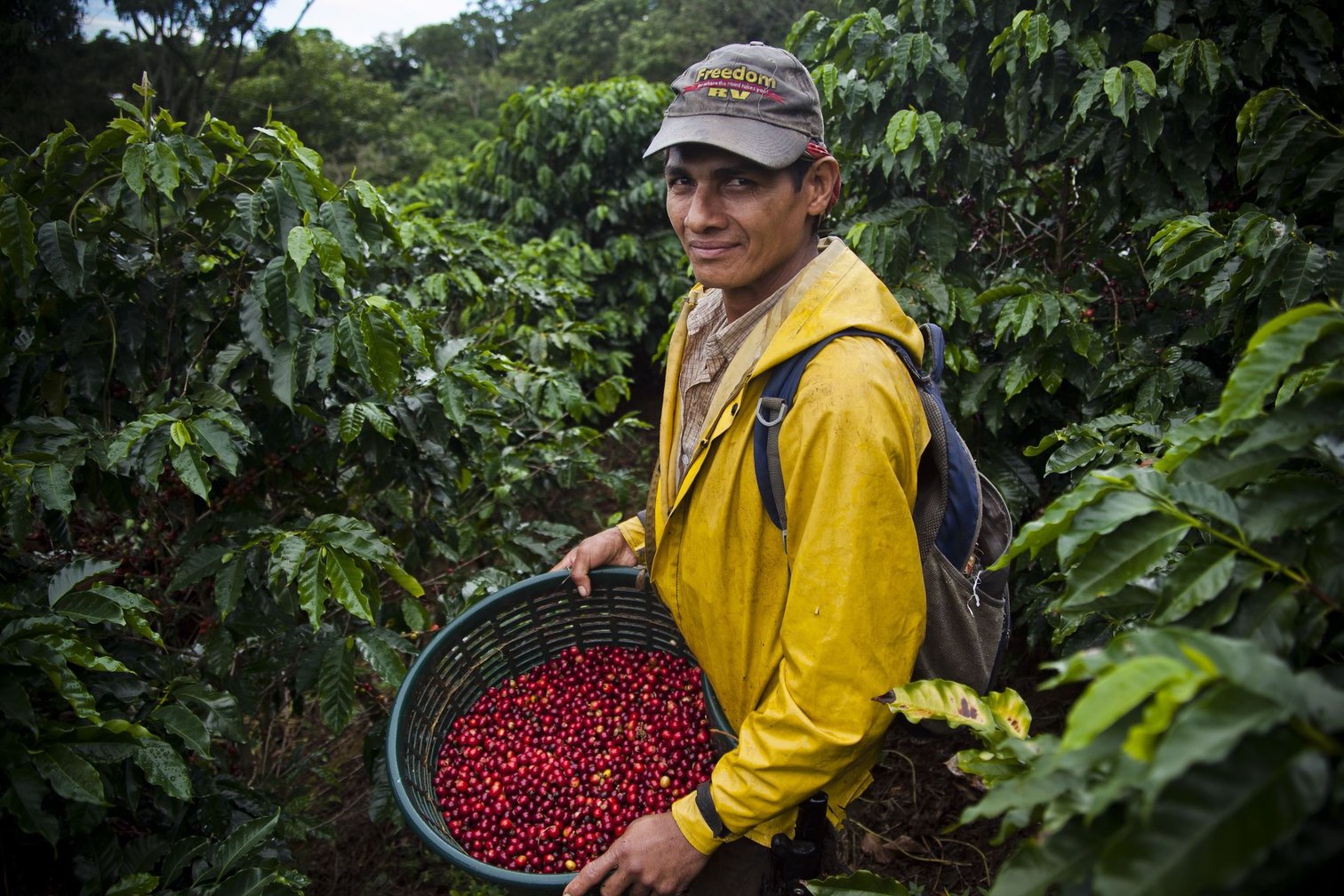
For pour-over brewing of this Guatemala and Kenya blend, it is recommended to use the medium-dark to dark roast range to bring out the combined flavors of nuts, caramel, and dark fruit. Below are practical pour-over parameters and step suggestions:
Grind size: Medium-fine grind, close to the texture of fine granulated sugar, slightly finer than regular pour-over to increase the extraction contact surface.
Coffee-to-water ratio: 1:15 to 1:16 is recommended, meaning 1 gram of coffee powder for every 15-16 grams of water, adjustable slightly according to personal taste.
Water temperature: 90-93°C hot water is recommended; at a medium-dark roast, a slightly higher water temperature helps release body and sweetness.
Brewing technique: A staged pouring method is recommended, for example first pouring water in the center to wet and bloom (30 grams of water, 30-second bloom), then pouring the remaining water in two to three stages (total water about 225-240 grams), maintaining a steady, consistent flow to achieve full and even extraction.
During brewing, pay attention to the flow rate and extraction time; the total extraction time should generally be controlled between 2 minutes 30 seconds and 3 minutes, avoiding over-extraction that causes bitterness or under-extraction that makes the flavor thin. Because this blend has a good body foundation, even if the extraction time is slightly extended, the flavor remains stable.
In summary, with its adaptability to medium-dark roasting, rich regional characteristics, and balanced flavor structure, the Guatemala and Kenya blend is an excellent choice for pour-over and espresso lovers. Mastering the appropriate roast level and pour-over parameters can better release its multi-layered charm of nuts, caramel, and fruity acidity.


