Specialty vs Commercial Coffee: Bean Selection & Roasting Guide
Introduction: Have you often heard people say that specialty coffee tastes better, yet you can't quite figure out how it differs from the everyday commercial beans? This article will systematically explain the origin of the definition of specialty coffee and its essential differences from commercial coffee, introduce you to the popular coffee bean varieties in the Chinese market, reveal the decisive influence of the roasting stage on coffee flavor, and add practical advice on green bean selection and brewing, helping you understand coffee better from beginner to advanced levels.
The term "Specialty Coffee" comes from English; although a literal translation may sound a bit awkward, it remains the industry's standard term. It refers to high-quality coffee grown in specific microclimates with unique regional flavors. It was first proposed in 1974 by the American expert Erna Knustsen, and after the Specialty Coffee Association of America (SCAA) was founded in 1982, strict standards were established for it—covering the entire process from cultivation to cupping. According to the SCAA scoring system, only coffee beans that score 80 points or above in cupping are eligible to be called specialty coffee.
In sharp contrast to specialty coffee is the bulk-trade commercial coffee that dominates the market. This type of coffee usually pursues maximum yield, has relatively mediocre flavor performance, and mainly meets everyday drinking needs. Simply put, specialty coffee wins through unique flavor and has limited production, while commercial coffee is known for scale and cost-effectiveness.
{{IMG}}
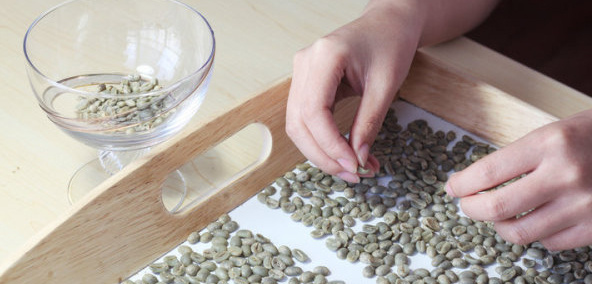
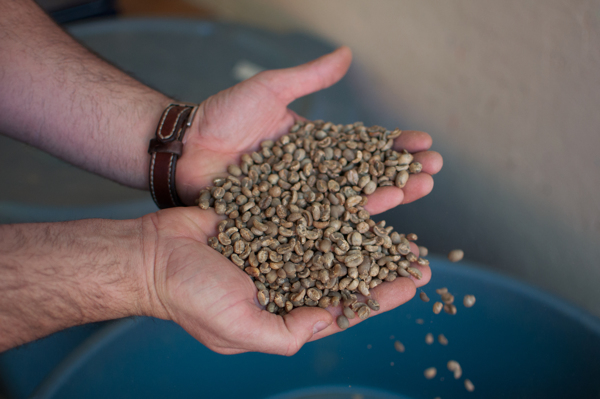
In the Chinese market, there are two main types of specialty coffee beans with relatively high consumer awareness: Mandheling from Sumatra, Indonesia (an Arabica variety, commonly Typica and Catimor cultivars), and heirloom coffee beans from the small town of Yirgacheffe, Ethiopia. In addition, Arabica coffee beans from Colombia and Brazil are also widely popular, though many consumers easily confuse the specific variety information.
From a botanical classification perspective, coffee trees worldwide are mainly divided into four primary species: Arabica, Robusta, Liberica, and Excelsa, but the latter two have essentially withdrawn from the market due to low commercial value. More than 99% of coffee beans currently in circulation belong to the first two—Arabica has rich cultivated varieties, including well-known types such as Typica, Bourbon, Caturra, and Geisha; Robusta is currently the only representative of the Canephora species with large-scale commercial value.
{{IMG}}
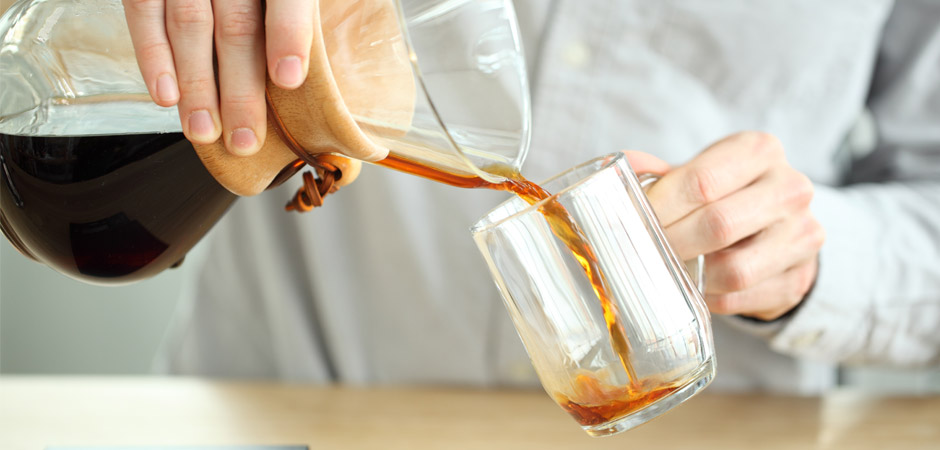
Regarding the influence of roasting on coffee flavor, there is a classic analogy: if the process from seed to cup is divided into three stages—cultivation, roasting, and preparation—then overall cultivation contributes about 60%, roasting 30%, and preparation only 10%—this highlights the foundational role of green bean quality. But note that these three stages are each 100% critical in their own domains: even with top-grade green beans, roasting mistakes make later remediation difficult; likewise, good beans with good roasting will still come to nothing if brewing is improper.
Specifically regarding flavor presentation, the roasting stage plays a more direct role. Proper roasting can fully unlock the potential flavor layers of green beans, including sweetness, body, and complex aromas; conversely, failed roasting will cause even the best green beans to lose their highlights. Therefore, for home users or professionals, mastering basic roasting knowledge (such as light roasts preserving floral and fruity acidity, medium roasts balancing mouthfeel, and dark roasts enhancing caramel notes) is more important than simply pursuing high-priced green beans.
{{IMG}}
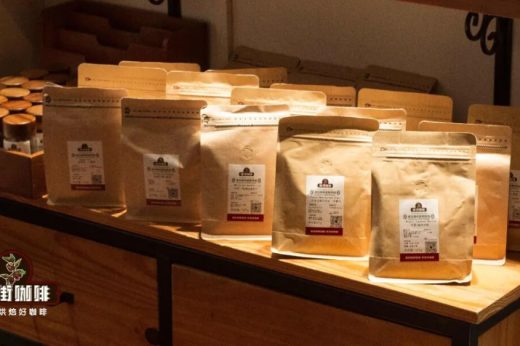
It should be added that when selecting coffee beans, besides paying attention to origin and variety, one should also note the influence of processing methods (such as washed, natural, and honey) on flavor. For example, washed Yirgacheffe typically presents bright citrus acidity, while natural Mandheling may carry a rich chocolate and nutty finish. In addition, freshness is an easily overlooked key point—it is recommended to choose coffee beans with a roast date within 1-2 weeks and store them sealed and away from light to slow flavor loss.
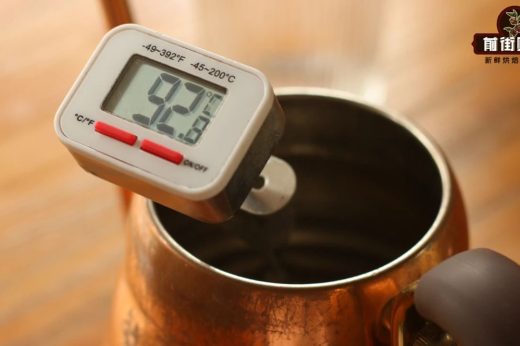
Finally, a reminder that different brewing methods (such as pour-over, French press, and espresso) have specific requirements for grind size, water temperature, and coffee-to-water ratio. Taking the common pour-over as an example, medium-fine grinding (similar to fine granulated sugar particles), a water temperature of 90-93°C, and a coffee-to-water ratio of 1:15-1:18 are more suitable for showcasing the delicate flavors of specialty coffee. Optimizing these details often allows the same beans to deliver a completely different drinking experience.
{{IMG}}