Espresso Crema Techniques and Standard Extraction Volume Explained
Introduction: To make a cup of espresso with rich crema and a full-bodied taste, mastering the correct extraction parameters and techniques is essential. This article takes an in-depth look at the principles of espresso extraction, revealing how to achieve the ideal standard extraction volume of 30-36 milliliters by adjusting key factors such as water temperature, grind size, and dose, and how to form a dense, lasting layer of crema. It also shares professional baristas' practical experience in concentration control, helping coffee enthusiasts make espresso close to café quality at home.
Espresso making is essentially a process of precise extraction: the aromatic substances, oils, and flavor compounds in the coffee beans need to be extracted in specific proportions while avoiding the bitterness caused by over-extraction. A perfect espresso should not only have an intense taste but also present a delicate, dense layer of coffee crema, which is an important sign of quality.
The formation of crema stems from an interesting physical phenomenon: when hot water at 90-96°C passes through finely ground coffee at 9-10 atmospheres of pressure, the water flows through tiny channels in the puck and creates a low-pressure zone behind the puck. In this low-pressure environment, the carbon dioxide dissolved in the water is rapidly released and forms tiny bubbles that encapsulate the oils and aromatic substances in the coffee, ultimately forming a 1-2 millimeter thick golden-brown crema layer on the surface of the coffee.
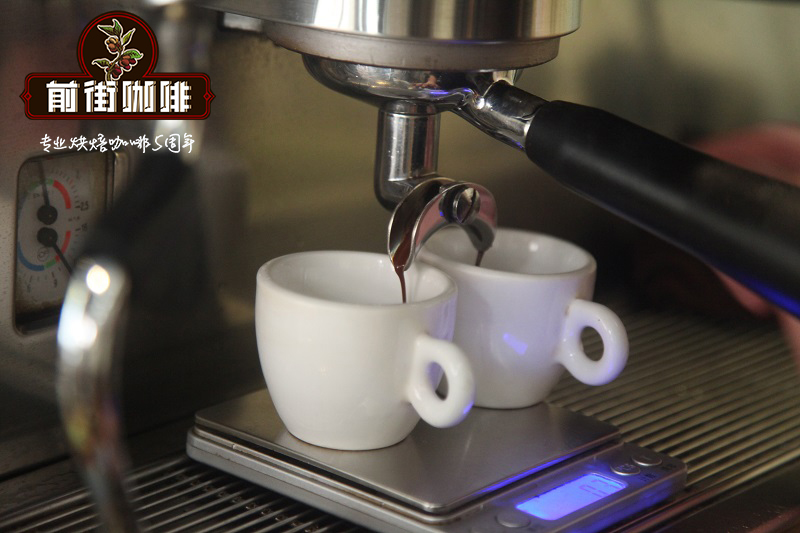
One of the key indicators for judging the quality of an espresso is its wetting and cling properties. High-quality espresso looks more "viscous," and droplets stay on the cup wall for longer. This actually reflects the coffee's high concentration—professional baristas typically use 30-36 grams of freshly ground coffee to extract about 30-36 milliliters (1-1.2 ounces) of coffee liquid, with the time controlled at 20-30 seconds. According to actual measurements, espresso in this proportion can dissolve about 0.5% oils and other soluble substances.
Temperature control is a key factor affecting the stability of coffee crema and the overall flavor. The optimal extraction water temperature range is 90-96°C; this range ensures sufficient extraction of caffeine and flavor substances without causing over-extraction and bitterness due to excessively high temperatures. It is worth noting that water below 90°C leads to insufficient extraction of caffeine and some aromatic substances, while above 96°C causes a large release of bitter substances such as tannic acid. For home brewing, it is recommended to use an accurate thermometer to monitor the extraction water temperature.
To obtain ideal coffee crema, in addition to temperature control, the following key parameters also need attention: first, the coffee grind should be extremely fine, close to the texture of fine granulated sugar or table salt, but avoid grinding too fine, which causes channeling; second, the dose is usually 18-20 grams (double) or 9-10 grams (single), and the tamping pressure is recommended at 30-40 pounds (about 13-18 kilograms); finally, the extraction time should be controlled at 25-30 seconds, which yields balanced acidity, sweetness, and bitterness along with rich crema.
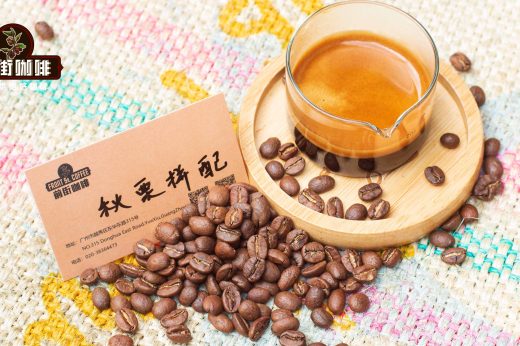
Regarding the standard volume of espresso, the industry-recognized range is about 30 milliliters for a single shot and about 60 milliliters for a double shot. But in practice, more attention should be paid to the ratio of coffee to water and the extraction time rather than the absolute volume. Observing the quality of the crema is often a better judge of whether extraction was successful than measuring volume—high-quality crema should be reddish-brown, fine and even, last a long time, and have obvious layering.
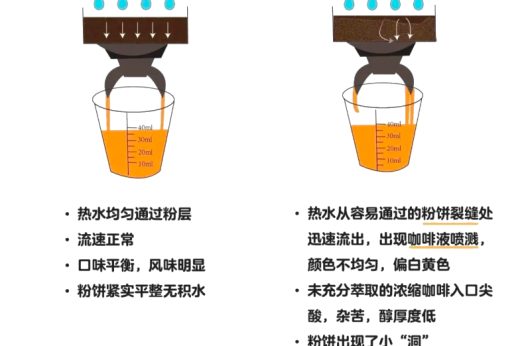
Common misconceptions include: excessively pursuing high temperatures, which makes bitterness prominent; grinding too coarse, which causes under-extraction and thin crema; or uneven tamping, which causes channeling and affects crema formation. Beginners are advised to start with standard parameters, gradually fine-tune according to personal taste, and carefully observe the crema state and flavor changes of each extraction.