Espresso vs. Americano: Bitterness, Brewing Parameters and Flavor
Introduction: Espresso and Americano both belong to the category of black coffee, but they differ markedly in bitterness, preparation method and flavor. This article explains the differences between the two, including the two common ways of making Americano and its historical origins, the core extraction parameters and flavor characteristics of espresso, and answers the question of whether hot Americano tastes good. It also provides reference professional brewing steps to help coffee lovers choose according to their taste preferences and understand the correct usage of English terms such as 'Americano'.
Many consumers new to coffee are often confused by Espresso and Americano on the menu. Although both fall within the category of black coffee, they differ significantly in production process, flavor characteristics and bitterness. Understanding these differences not only helps you find the coffee type more suited to your taste, but also allows you to express your needs more accurately when ordering.
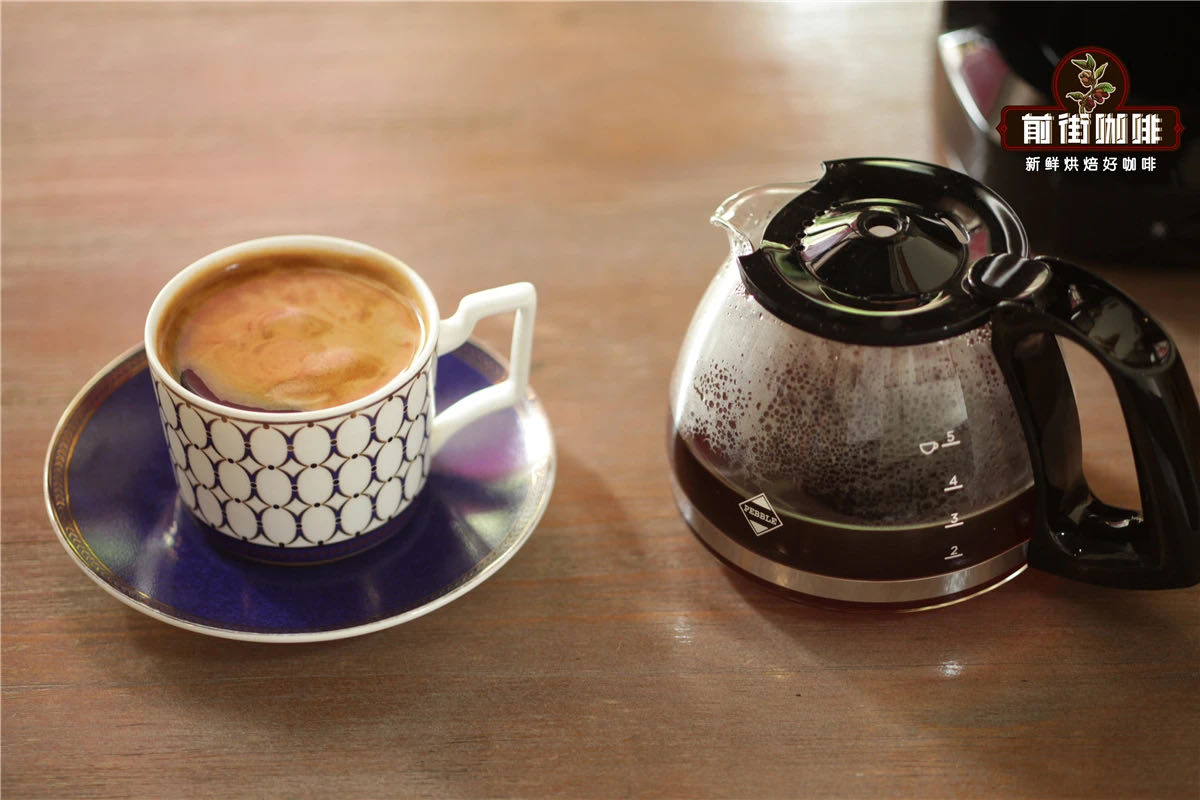
There are two common ways of making Americano: one is to extract directly using a drip coffee machine, and the other is to prepare it by adding hot water to espresso. The stories behind these two methods also reflect the evolution of American coffee culture. From a historical perspective, after drip coffee machines became widespread in the mid-20th century, the coffee they extracted had a lighter, more watery taste that matched the drinking habits of American consumers. When American soldiers in Europe encountered espresso, a drink with intense flavor and pronounced bitterness, they tried adding hot water to dilute it in order to suit their own taste preferences, and thus the Americano as we know it today was born.

There is actually an amusing anecdote about the origin of the name Americano. It is said that this watered-down espresso was initially unpopular in Europe and was even jokingly called 'American-style coffee' by locals, a term that carried a hint of mockery of Americans' inability to get used to authentic espresso. In some places it was even humorously called 'sock coffee', describing a flavor like a beverage brewed with old socks. Despite the slightly sarcastic name, this method of preparation gradually spread and became one of the world's popular ways of drinking coffee.
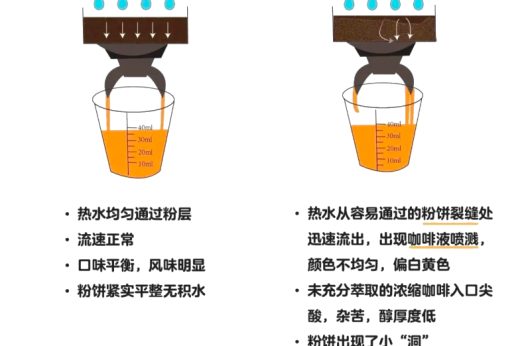
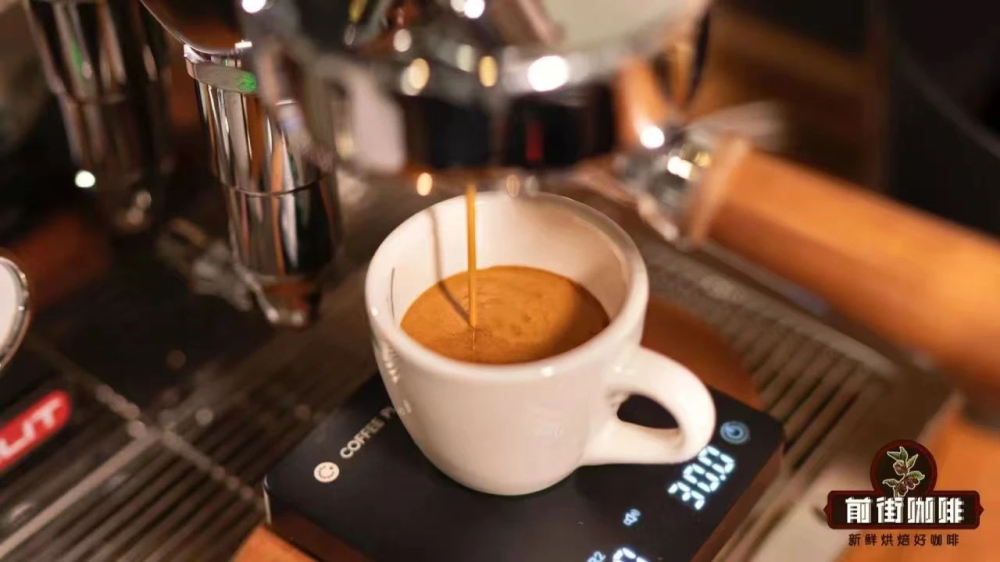
By contrast, espresso is made through a high-pressure extraction process. Authentic espresso must use an espresso machine with pressure-boosting capability to extract a small amount of concentrated coffee liquid in a short time under high temperature and high pressure. Specifically, it is usually recommended to use about 20 grams of coffee grounds, at a 1:2 coffee-to-liquid ratio, under 9 bar of pressure, to extract about 40 grams of coffee liquid, with the entire process controlled within 25 to 30 seconds. Of course, these parameters are not fixed; baristas adjust extraction time and ratio flexibly according to the model of coffee machine used, the precision of the grinder and the characteristics of the coffee beans to achieve the best flavor expression.
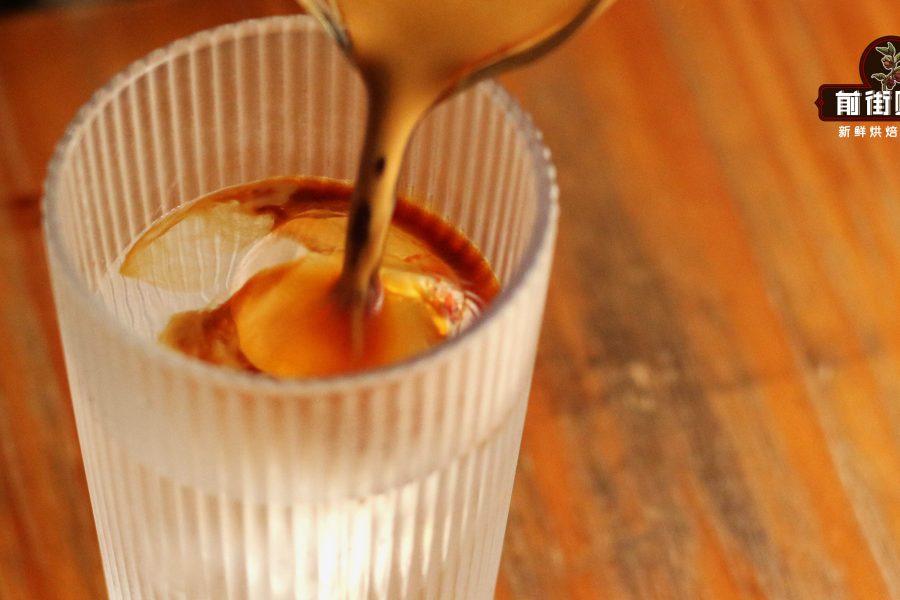
A high-quality espresso should have the following key characteristics: first, the surface should be covered with a bright golden crema, which not only affects mouthfeel but is also an important indicator of whether extraction was successful; second, the coffee liquid should be even and smooth, without holes or layering; third, the aroma should be rich and layered, and on the palate one should sense a full coffee flavor, moderate acidity, soft bitterness without a burnt quality, and a clear sweet aftertaste in the finish, leaving a natural sweetness on the throat and tongue.
In practice, the espresso extraction process involves several precise steps. First, ensure the inside of the portafilter basket is dry and free of water, to avoid affecting the distribution of coffee grounds and extraction uniformity; next, use a precise electronic scale to weigh the appropriate amount of coffee grounds, with weighing error recommended to be kept within ±0.1 grams; then distribute the grounds so that they are evenly spread in the basket; afterward use a tamper to press the coffee grounds firmly to ensure stable pressure during extraction; next, tap the portafilter lightly to ensure the puck surface is level; then install the portafilter on the machine and start extraction; finally, after extraction is complete, tap the basket lightly and clean the brew head to ensure equipment hygiene and the quality of the next extraction.
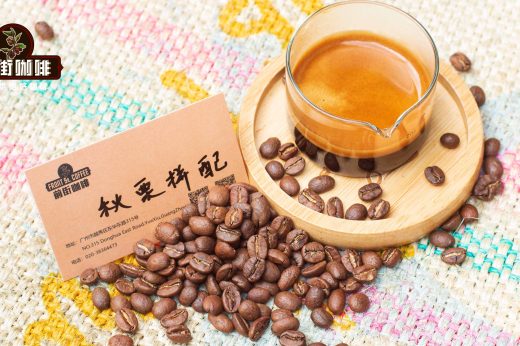
For bean selection, it is recommended to prioritize blends designed specifically for espresso machines; these beans usually combine the characteristics of beans from different origins and can show rich flavor layers under high-pressure extraction. For example, combining the body of Brazilian beans with the nutty notes of Colombian beans often brings a rich chocolate-like aroma, mid-palate nutty flavors and a lasting sweet finish. This type of coffee bean is not only suitable for making espresso but is also often used to prepare Americano, adapting to a variety of drinking needs.
When making Americano, if using the method of adding water to espresso, one espresso is usually mixed with an appropriate amount of hot water. This not only reduces the overall concentration of the coffee but also makes the originally intense and stimulating mouthfeel softer and easier to accept widely. For hot Americano, it is generally recommended to use 160 to 200 grams of warm water for preparation; if you prefer iced Americano, you can first add 100 grams of ice cubes, then add 120 grams of cold water, and finally pour in the espresso, resulting in a refreshing and invigorating iced Americano.

Returning to the original question—which is more bitter, espresso or Americano? Usually, undiluted espresso has a higher concentration and more concentrated flavor, so its bitterness is more pronounced than that of Americano; Americano prepared by adding water has relatively milder bitterness and a more approachable mouthfeel. As for whether hot Americano tastes good, this mainly depends on personal taste preferences and acceptance of coffee concentration. For consumers who like pure coffee flavor and do not mind higher bitterness, hot Americano is undoubtedly a simple and classic choice.

In summary, espresso and Americano each have their own characteristics: the former is characterized by high concentration and intense flavor, suitable for those seeking a pure coffee experience; the latter, diluted with water, reduces bitterness and intensity and is more easily accepted by the general public. Whichever type you choose, understanding its production principles and flavor characteristics can help you better enjoy the pleasure coffee brings.