A Day in the Life of a Coffee Roaster: From Green Bean Selection to Roast Curve Control
Introduction: The work of a coffee roaster goes far beyond operating a roasting machine. They are both the gatekeepers of green bean quality and the precise controllers of roast curves. This article takes you through the complete workflow of a coffee roaster, from green bean appraisal and roasting operations to quality control, revealing the professional details behind a good cup of coffee and helping coffee lovers understand this profession more fully.
Many people wonder what a coffee roaster does every day. Are they the same as an ordinary roaster? In fact, many coffee roasters prefer to call themselves "boiler operators," because they not only need to master the operation of roasting equipment but also need to precisely control the roasting process to fully bring out the unique flavor of each coffee bean.
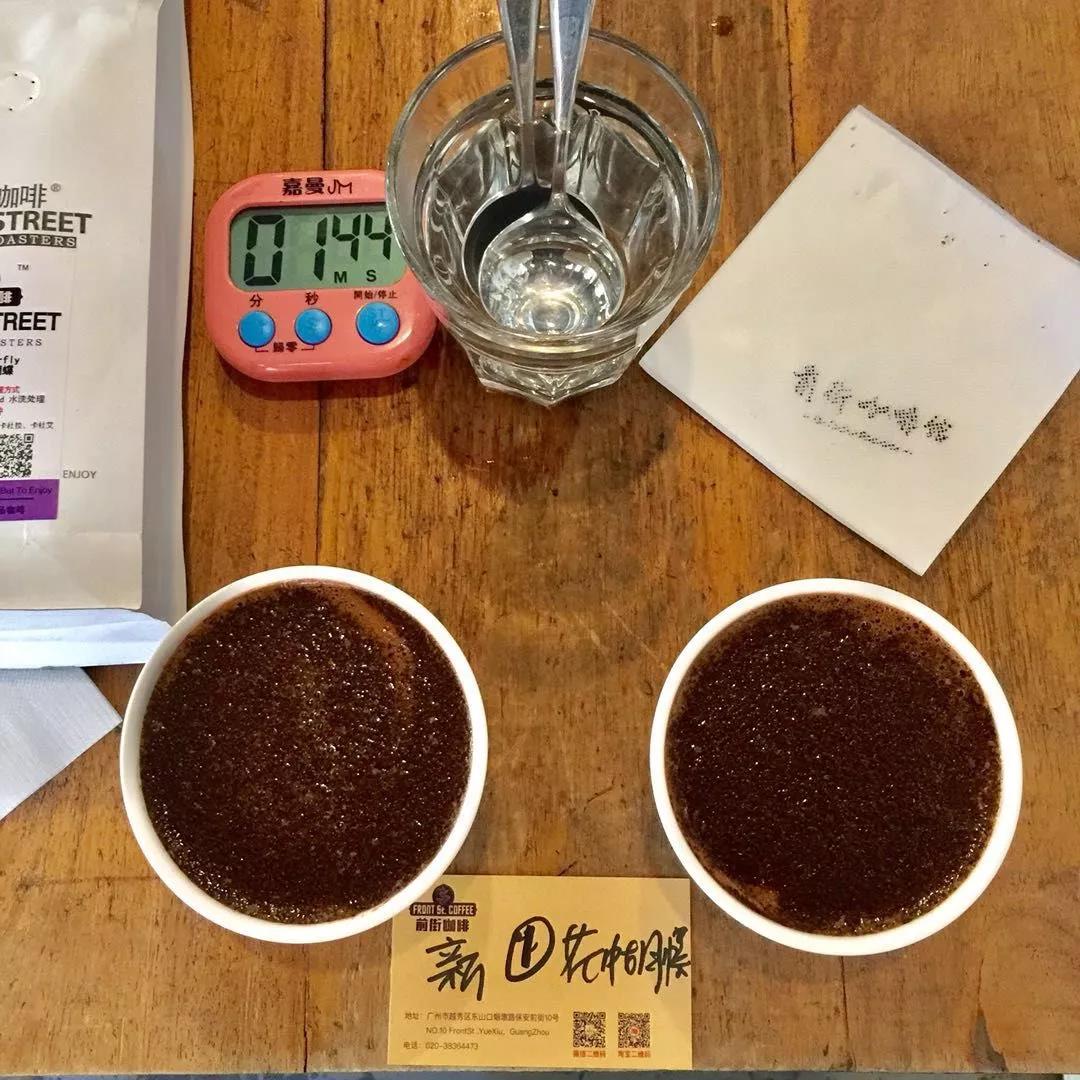
Besides daily roasting and cupping work, green bean appraisal is also one of a roaster's important responsibilities.Special reminder: coffee beans cannot simply be roasted and sold directly. Before entering the roasting stage, the roaster needs to conduct strict quality checks on every batch of green beans, which is the first checkpoint for ensuring final coffee quality.
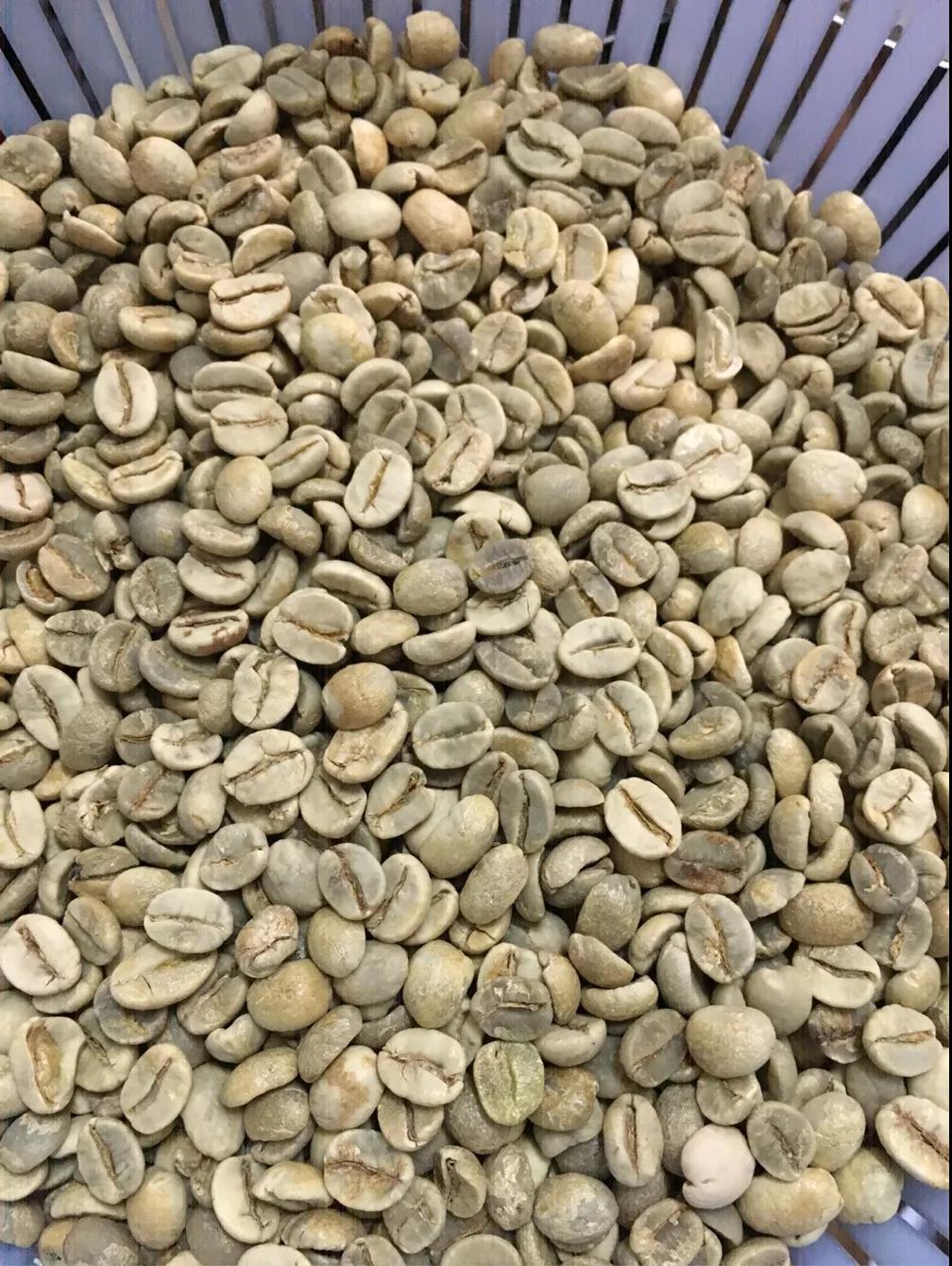
<>When a large quantity of green coffee beans arrives, the roaster first conducts a preliminary inspection of the beans. The checks include: whether the green beans are uniform in size, whether the color is consistent (this usually reflects the stability of moisture content), and testing the proportion of defective beans through sampling. These steps are crucial for the stability and consistency of subsequent roasting.
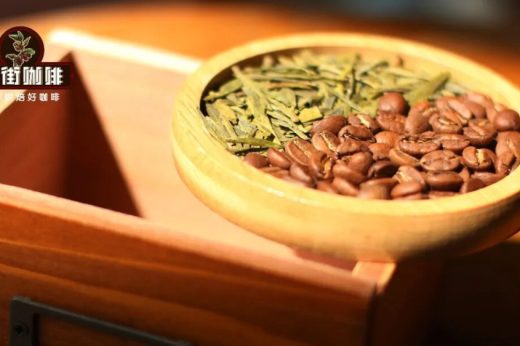
For example, sometimes coffee beans that appear to be the same variety actually differ noticeably in moisture content.As shown in the image, even if the appearance is similar, mixing beans with different moisture contents will lead to uneven roasting and seriously affect final output quality. Once such problems are found, it is usually recommended to return the goods or re-screen them to ensure the consistency of the roasting raw material.<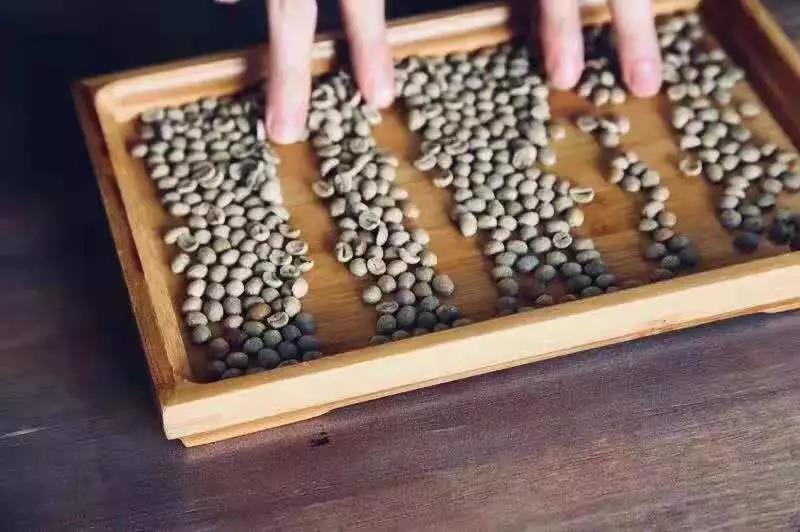 ><
 ><
 >
Many people encountering a roaster's work for the first time may wonder why they often stare at the roasting machine for long periods without saying a word. That is because once roasters enter a working state, they need to concentrate fully on monitoring every roasting parameter. This process is by no means simply "pressing buttons"; it requires engaging multiple senses to make real-time adjustments to the roasting process.
During a roast of about ten minutes, the roaster must closely monitor: roasting time, drum temperature, changes in bean color, changes in shape, the aroma released, the sound of the equipment running, and simultaneously record detailed roast curve data. At the same time, they must judge the best "drop time" based on experience—the moment when the coffee beans reach the ideal roast level and are ready to leave the drum. This process requires extensive experience and keen sensory judgment.<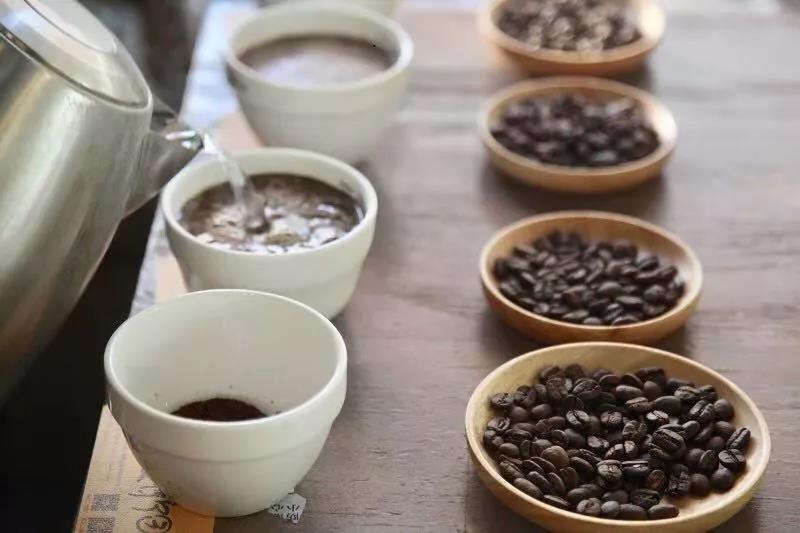 ><
 >
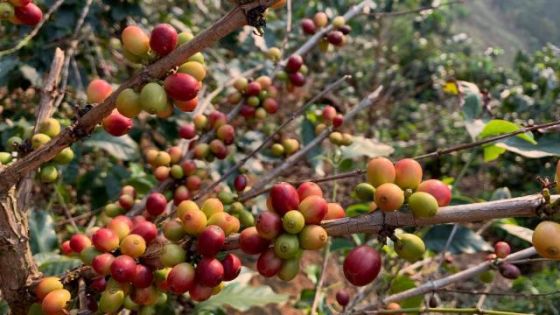
For an excellent coffee roaster, merely mastering the operation of the roasting machine is far from enough. Before finding the best flavor expression for a certain coffee bean, they first need to deeply understand the characteristics of that green bean, including origin, altitude, processing method, density and moisture content. These factors all influence the choice of roasting strategy and thereby determine the final flavor presentation.
In short, coffee roasting is a job with extremely high demands on technique, experience and sensory ability. They are not just "boiler operators" running machines, but key figures in shaping coffee flavor. By precisely controlling every variable in the roasting process, they transform green beans into roasted coffee beans with unique aroma and mouthfeel, bringing coffee lovers a rich taste experience.<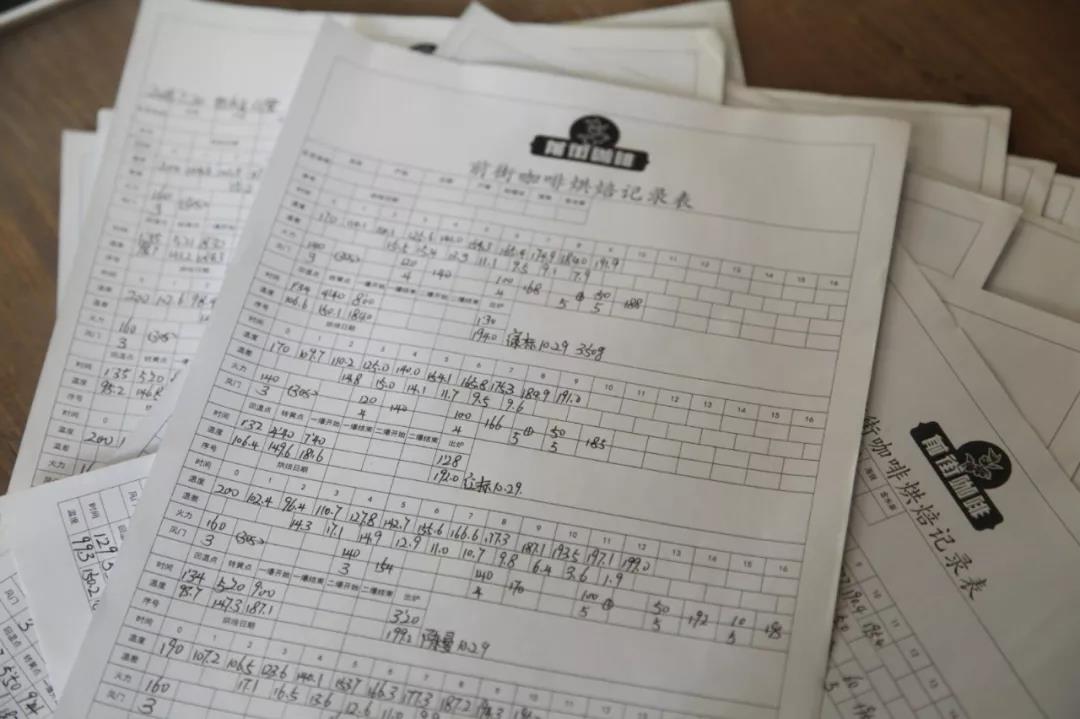 >