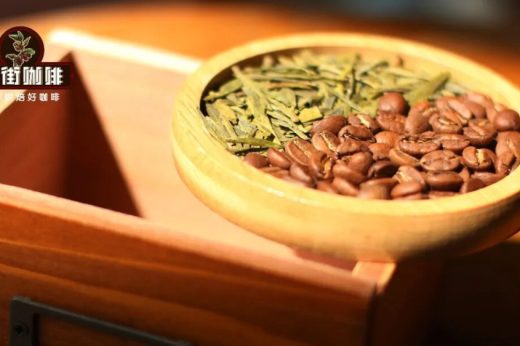
Why does coffee taste like tea? Floral and fruity tea-like beans and brewing tips
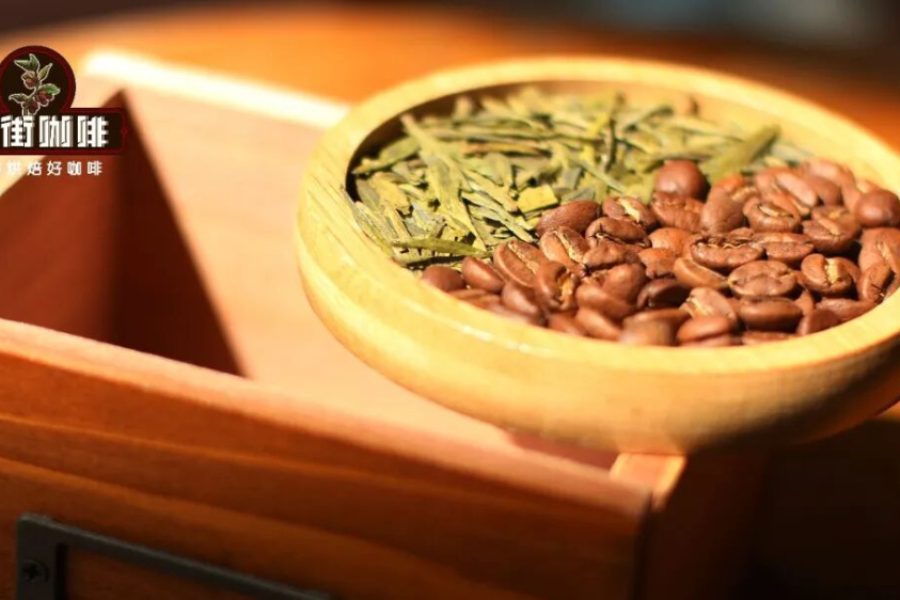
Introduction: Many coffee lovers often notice a tea-like freshness and sweet aftertaste when tasting specialty coffee. So why can coffee present a tea-like character? Which coffee varieties are more likely to bring a floral-fruity tea-like flavor experience? This article analyzes the sources of tea-like notes in coffee, discusses the factors that influence tea-like aromas and flavors, and recommends coffee bean types and brewing suggestions suited to those seeking a tea-like taste, helping you more accurately appreciate the diverse layers of coffee.
In specialty coffee tasting, descriptions like these are often heard: "This bean has an obvious tea-like character" or "It tastes like floral tea." For most Chinese consumers accustomed to drinking tea, tea is an indispensable daily beverage, but sensing tea-like qualities in coffee inevitably sparks curiosity. In fact, this "tea-like character" is not accidental; it is coffee producing a subtle resonance with tea in terms of flavor expression.
The so-called tea-like character usually refers to the overall experience coffee brings in the mouth that resembles tea tasting, including aroma, the balance of acidity and sweetness, sweet aftertaste, and throat feel. When many people mention a tea-like character, they often associate it with sensations such as the slight bitterness of tea turning sweet after it enters the mouth, and the salivation and sweet aftertaste that follow. These experiences can also be clearly captured in some light-roasted, high-acidity, clean coffees.
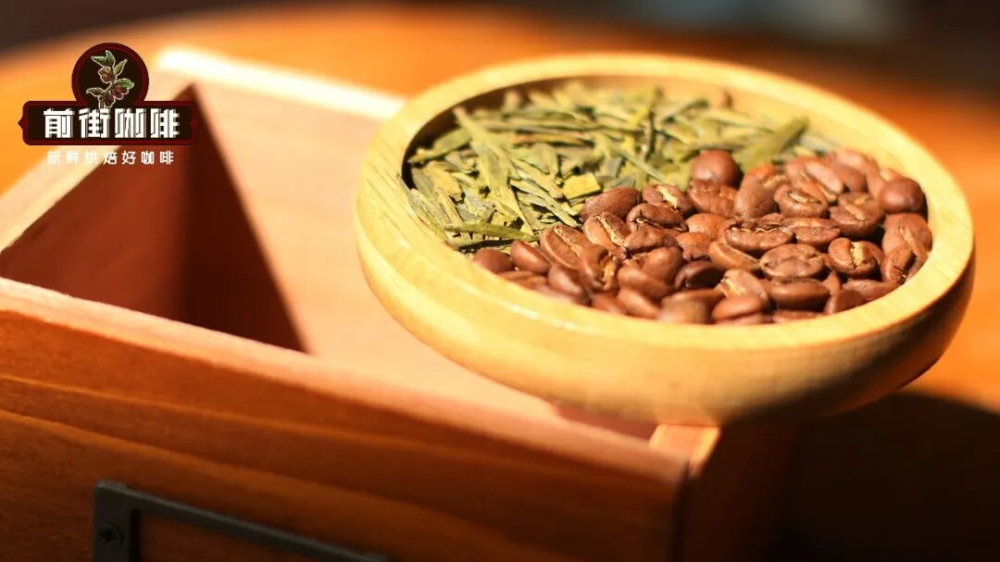
The emergence of a tea-like character is inseparable from the key components in tea. For example, tea polyphenols, especially the tannins in tea, bind with proteins on the surface of the tongue, producing a slight astringency and puckering sensation, which then gradually turns into salivation. The tea-like character in coffee, however, works more through the combined effect of aroma, acidity, sweetness, and finish to evoke memories of specific types of tea. Therefore, the "tea-like character" felt when drinking coffee is not actually drinking a certain tea, but a combined feedback of flavor association and mouthfeel.
From the perspective of scientific research, coffee contains thousands of volatile compounds, many of which are similar to the aromatic substances in tea leaves. When these flavor substances are released through roasting and extraction, they activate our brain's memories of tea, thereby forming impressions such as the freshness of green tea, the mellow richness of black tea, or the fragrance of floral tea.
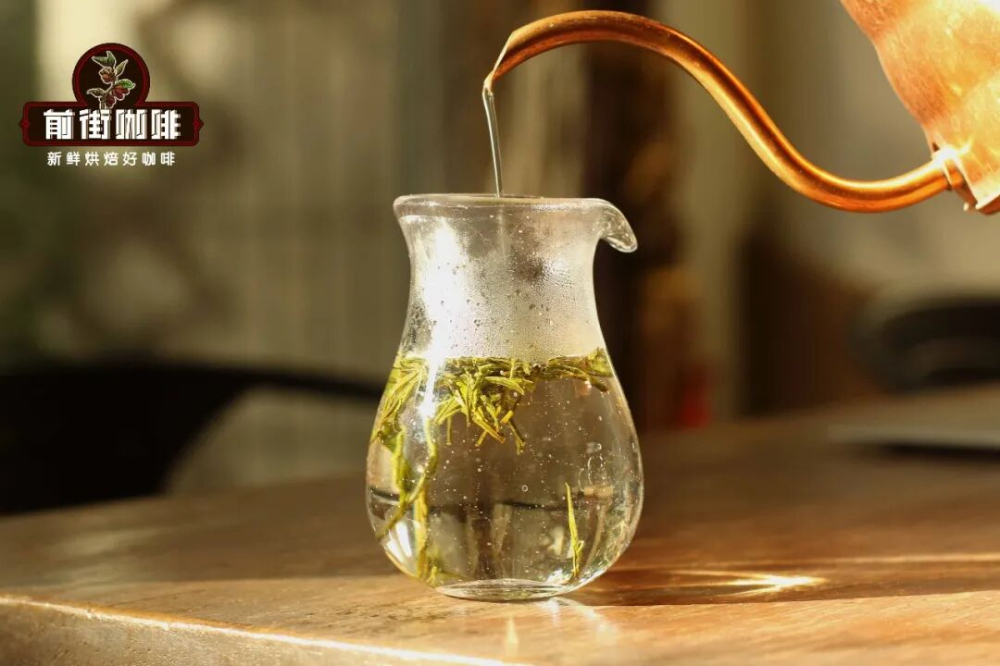
So how exactly does the tea-like character in coffee manifest? It is mainly reflected in the coffee's finish, the ratio of acidity to sweetness, the mouthfeel in the throat, and overall cleanliness. After a cup of coffee enters the mouth, if its acidity is bright but not sharp, its sweetness is soft, and its finish carries a tea-like freshness and slight astringency, it easily brings tea-like qualities to mind. Especially in light-roasted or medium-light-roasted coffee, because there is less caramelization, more floral-fruity acids and fresh compounds are retained, and the tea-like character is often more pronounced.
Different types of tea also correspond to different types of coffee flavor. For example, green tea is unfermented and retains abundant tea polyphenols, often carrying the freshness and slight astringency of tender leaves; semi-fermented teas such as oolong and Tieguanyin show a fusion of floral-fruity aroma and roasted aroma; black tea, as a fully fermented tea, usually has full sweetness and a lasting sweet aftertaste; and dark teas such as pu-erh, after long fermentation and aging, have a mellower tea-like character. These characteristics can also find corresponding flavor expressions in some coffees.
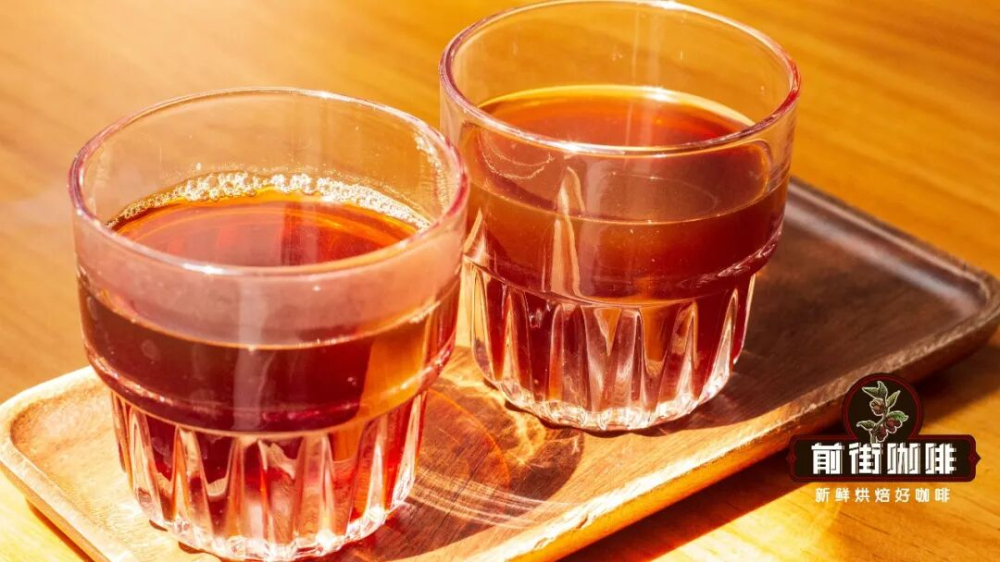
So which coffees are more likely to present a tea-like character? Generally speaking, light-roasted to medium-light-roasted coffee beans are more likely to bring a tea-like experience. This is because a lower roast level reduces the formation of caramel and bitter substances, making the floral-fruity acids, fresh aromas, and sweetness in the coffee more prominent. Under such conditions, coffee is often more likely to show freshness similar to green tea, the sweet smoothness of black tea, or the fragrance of floral tea.
For example, in washed coffees, one can often sense freshness and high acidity similar to green tea. Such coffees are clean in the mouth, bright in acidity, refreshing in the finish, with a slight sweet aftertaste and salivation. By contrast, naturally processed coffees more easily develop fruity honey aromas and mellow sweetness, similar to the roundness and fullness of black tea. If medium roasting is used, a hint of aged aroma and throat feel similar to pu-erh tea can also be brought out amid the sweet mellowness.
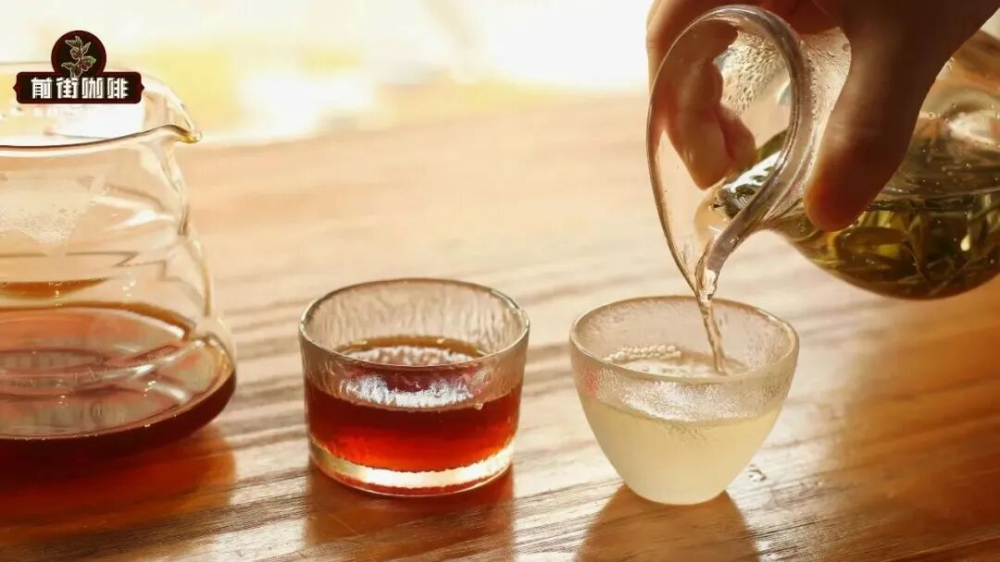
In addition, some coffee beans with complex aromas can also bring an experience similar to floral tea. For example, some Geisha coffees from high-altitude regions often carry aromas of orange blossom, chamomile, and honey, with lively acidity and a slight astringency accompanied by a lasting sweet aftertaste; the overall flavor is fresh and layered, easily reminiscent of the elegance and fragrance of floral tea.
To better experience the tea-like character in coffee, the brewing method is equally important. Generally speaking, using the pour-over method, controlling the water temperature between 90°C and 93°C, and using a medium-fine grind can better reveal the coffee's acidity and aroma, thereby strengthening the presentation of the tea-like character. At the same time, staged extraction is recommended, such as a 30-second bloom followed by staged pouring, which helps evenly extract the aromatic substances in the coffee and avoids the bitterness caused by over-extraction.
In summary, the tea-like character in coffee is a comprehensive experience jointly constructed by aroma, acidity and sweetness, sweet aftertaste, and mouthfeel. It is not a simple mixture of coffee and tea, but rather the flavor characteristics of coffee itself evoking associations with tea. If you like the freshness and sweet aftertaste of tea, you might try light-roasted or medium-light-roasted washed coffee, paired with suitable brewing parameters, and perhaps you can taste a different kind of tea-like quality in your coffee cup.