A Beginner's Guide to Coffee Cupping: Score Sheet Analysis and Professional Tasting Methods
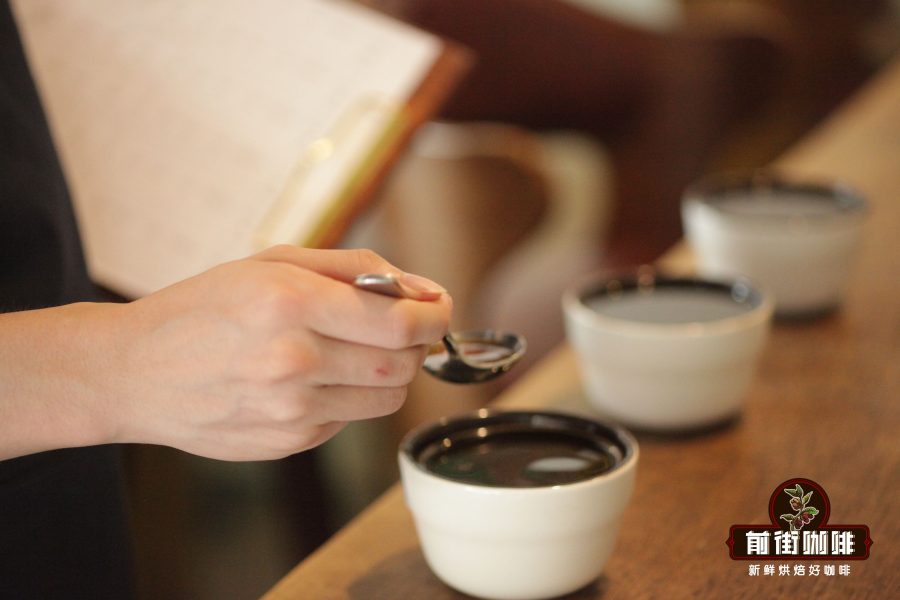
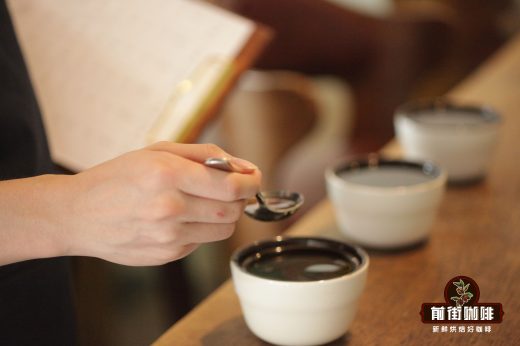
Introduction: Cupping is the coffee industry's core method for evaluating bean quality, and an important path for enthusiasts to improve their flavor identification skills. This article systematically explains the practical applications of cupping and the operating logic of mainstream scoring systems, and reveals key details that are easily overlooked in professional cupping, helping readers build a scientific approach to coffee tasting.
"Try as many different coffees as possible to enrich your taste experience"—this is a principle every coffee professional should uphold. Whether a professional cupper, roaster, or barista, developing accurate taste judgment requires continuous training. As a special brewing evaluation method, cupping's value lies not only in the tasting itself but also in providing important reference for subsequent roasting plans.
It is particularly important to note that relying solely on cupping results to adjust roasting parameters may lead to deviations. This rapid-extraction tasting method often presents brighter acidity; if its roasting suggestions are applied directly, conventional scenarios such as pour-over or espresso may show insufficient roast development. It is recommended to combine cupping data with tasting results from other brewing methods for comprehensive analysis.

As an efficient comparative tasting tool, cupping's core advantage lies in its standardized process. In quality control, it is recommended to establish a results-oriented evaluation system—ensuring every batch of coffee beans undergoes inspection under uniform standards. A highly operable and repeatable method should become the basic means of daily quality control. Practitioners can gradually improve their control over coffee quality by setting clear sensory thresholds.
When participating in cupping, it is recommended to set 2-5 core evaluation dimensions according to personal focus, such as sweetness performance, regional flavor characteristics, body, and other basic indicators. Each item can be assessed using a stepwise judgment method: first confirm whether the basic trait is present (e.g., whether distinct sweetness appears), then extend to style match (whether it fits the typical flavor of the producing region), and finally evaluate overall harmony (whether the mouthfeel is balanced). This progressive evaluation effectively avoids the influence of subjective bias.
Regarding common misconceptions about cupping, several key details deserve special attention: first, sensory evaluation is highly subjective, and participants' physical condition significantly affects results—it is recommended to ensure sufficient sleep before cupping and avoid interference from food odors; second, sample display should follow blind testing principles, ensuring bean bags are placed randomly with no brand identification exposed; third, a professional cupping environment should include reference samples to facilitate accurate judgment of differences. In discussion sessions, open-ended exchange is preferable to persuasive debate, which helps discover more flavor possibilities.
The internationally accepted cupping score sheets mainly include two systems: the 80-point table developed by the SCAA (Specialty Coffee Association of America), focusing on 10 indicators such as cleanliness, sweetness, and flavor complexity; and the more detailed scoring dimensions used by the COE (Cup of Excellence competition). Domestic practitioners often adjust evaluation priorities according to actual needs, but the core revolves around three basic principles: "consistency," "balance," and "defect avoidance."
Mastering cupping skills requires gradual progress: beginners can start with single-variable comparisons (e.g., beans from the same region with different processing methods), then gradually transition to multi-dimensional comprehensive evaluation. It is recommended to use the flavor wheel as a memory aid and build a personal sensory database. Remember, professional cupping is not only a technical skill but also an empirical science that requires long-term accumulation.