How to Choose Sugar for Coffee: 6 Sugar Types Compared and Pour-Over Pairing Guide
Introduction: Whether coffee should be sweetened has long been a topic of debate, but the right pairing can make the flavor more balanced. This article takes an in-depth look at how six common sugars—caster sugar, cube sugar, coffee sugar and more—pair with coffee, from dissolution speed and sweetness layers to the influence of mineral flavors, to help you find the sweetening solution that best suits your taste, with practical tips for actual brewing attached.
Adding sugar to coffee is a daily habit for many people, but different kinds of sugar bring completely different taste experiences. Choosing a sugar that harmonizes with the coffee's flavor not only improves the overall mouthfeel but also highlights the coffee's own layers. By comparing the characteristics of six commonly used sugars, this article helps you find the most suitable pairing.
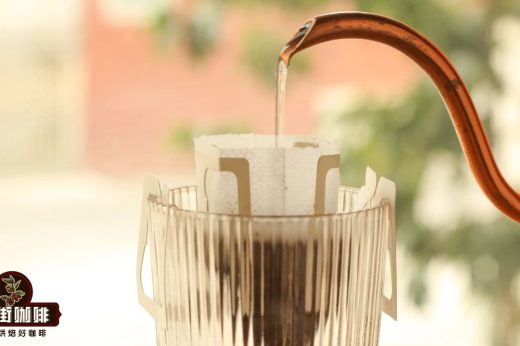
For everyday drinking, caster sugar is the safest choice. Its fine grains (about 0.3mm in diameter) dissolve quickly (fully dissolved in room-temperature water in about 3 seconds), and its clean, crisp sweetness does not mask the coffee's original flavor. For pour-over coffee, add 3-5g per 150ml; you can put it directly into the dripper before pouring and extract it together with the coffee grounds, so the sweetness blends more evenly into the whole cup.
The fun of cube sugar (standard sizes are now mostly 3-6g per cube) lies in its controllable dissolution process. A traditional 6g cube takes about 45 seconds to fully dissolve in espresso, while the 3g mini cubes that have become popular in recent years are better suited to light-roasted coffee. Notably, some cubes made with red rock sugar carry a slight scorched-earth note that forms an interesting contrast with the floral and fruity aromas of Ethiopian Yirgacheffe.
Coffee sugar, with its pronounced caramel flavor (mainly composed of sucrose plus a small amount of caramel color), suits dark-roasted coffee. Its dark brown crystals dissolve 2-3 times more slowly than ordinary sugar, presenting a process in the cup in which sweetness goes from light to deep—the initial stage highlights caramel sweetness, and the base sweetness is gradually released later. It is recommended for iced coffee; the low temperature slows dissolution and enhances the layered experience.
Sanontou (a Japanese specialty sugar, less refined than white sugar) contains trace minerals (calcium/magnesium content of about 0.02%), and its pale amber color and mild caramel base create a synergistic effect with milk. When used in a latte or cappuccino, adding 2g per cup enhances the overall body without standing out, making it especially suitable for pairing with dark-roasted Colombian or Brazilian beans.
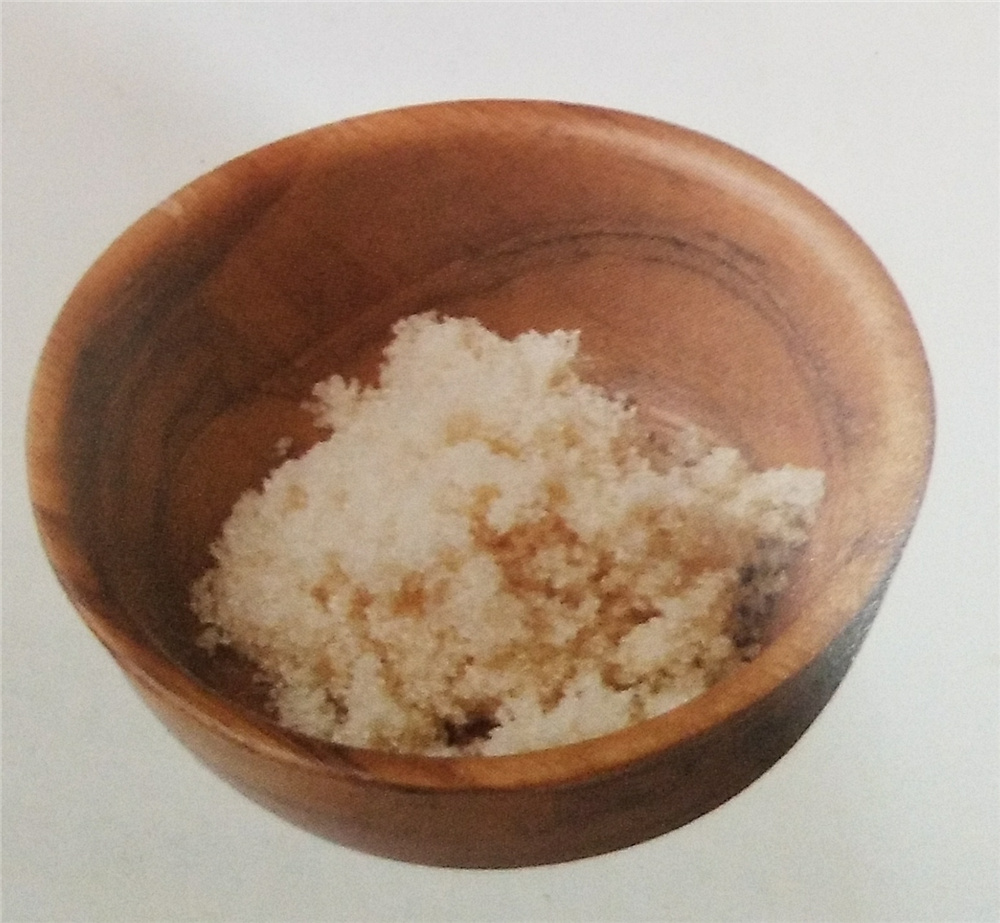
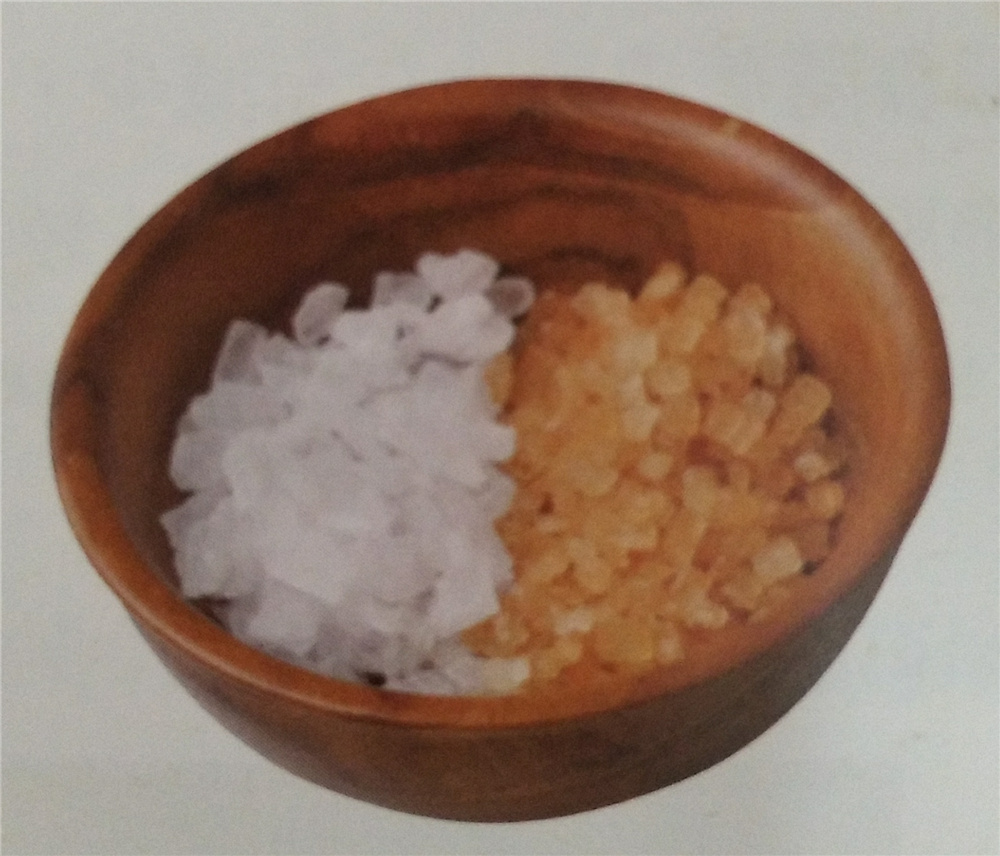
Coarse-grained rock sugar (crystal size 2-5mm) and red rock sugar (containing iron oxides that give it a pale red color) are slow-dissolving sugars. The former takes more than 2 minutes to dissolve, making it suitable for visual-style coffee that needs sugar grains left at the bottom; the latter, because of its natural minerals, produces a subtle earthy lingering finish in Americano. Professional tip: using water above 80°C can speed up dissolution, but some flavor complexity will be lost.
As for the more controversial black sugar, experiments have found that pairing 1g of black sugar (Baumé degree ≥80) with light-roasted coffee (such as Kenya AA) at a ratio of 1:50 lets its rich roasted aroma and caramel finish actually neutralize the acidity. The golden ratio for maple syrup (grade B or above, clear products recommended) is 5ml per 200ml, and its distinctive woody fragrance complements the earthy notes of Sumatra Mandheling.