Costa Rica's Piedra Grande Estate Honey Process Coffee: Flavor Differences from Yellow to Black Honey
Introduction: An in-depth look at honey-process coffee from the Piedra Grande Estate in Costa Rica's Bruncas region, revealing the processing differences between white honey, yellow honey, red honey, black honey and anaerobic processing. Through the high-mountain growing environment at 1,700–1,800 meters, the characteristics of the Caturra and Catuai varieties, and the direct influence of the mucilage retention ratio on flavor, it helps coffee lovers understand the key points of buying honey-process coffee and brewing suggestions.
The unique appeal of Costa Rican coffee stems largely from its signature honey process. Often misunderstood as "adding honey," this processing method actually develops rich layers of sweetness and body during sun drying by precisely controlling how much of the coffee cherry's mucilage layer is retained. Located in the south of the country, the Piedra Grande Estate, with its diverse microclimates connecting to Panama and the unearthed mysterious stone spheres dating back to before the Common Era, has become a star-producing region in specialty coffee.
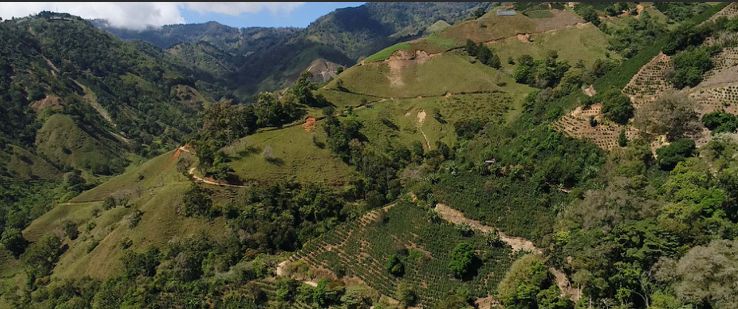
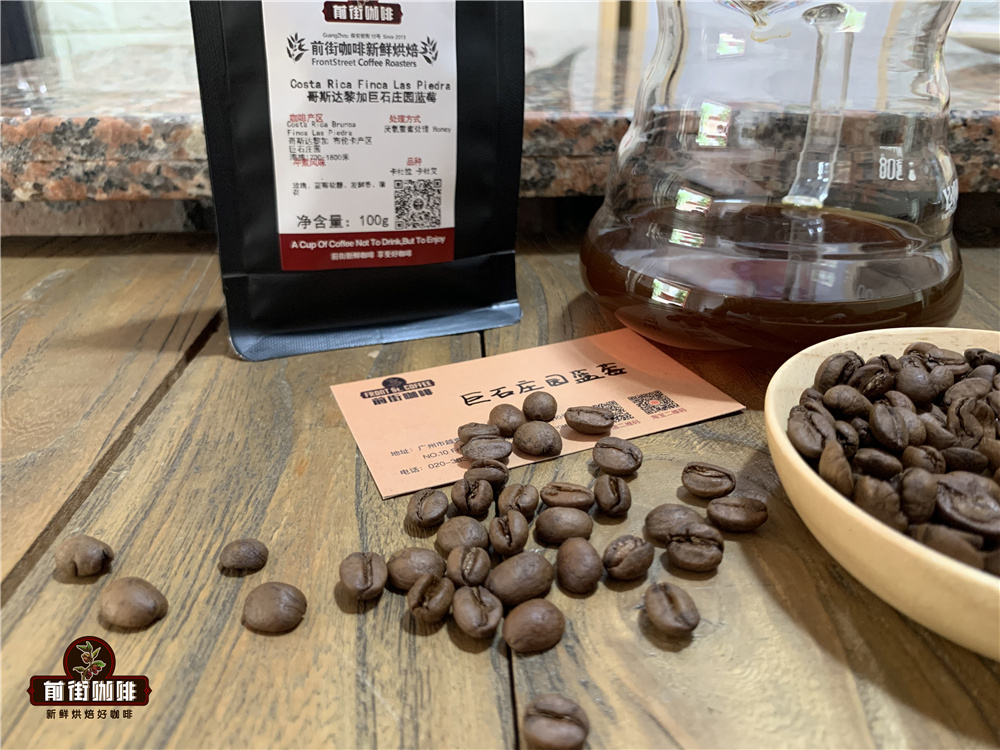
The estate is located in the Bruncas region at an altitude of 1,700–1,800 meters. The Caturra and Catuai varieties grown there naturally possess bright acidity and solid body under the SHB (Strictly Hard Bean) grading standard. The 2021 crop's Piedra Grande blueberry lot uses an innovative anaerobic heavy honey method, combining traditional honey processing with anaerobic fermentation technology to give the coffee more complex berry notes.
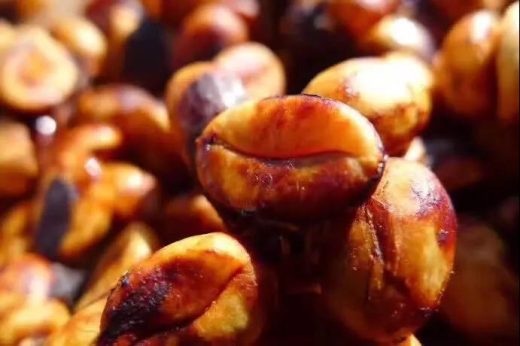
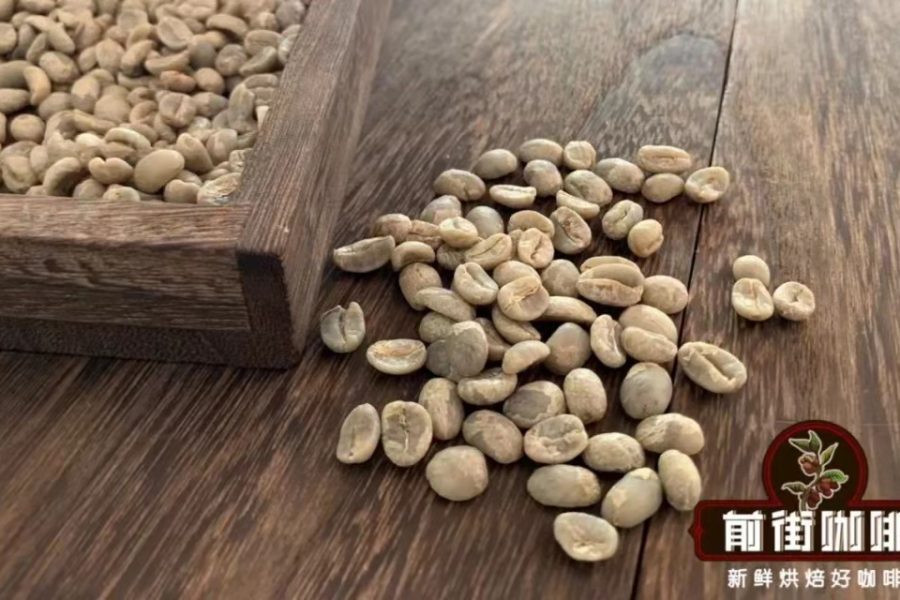
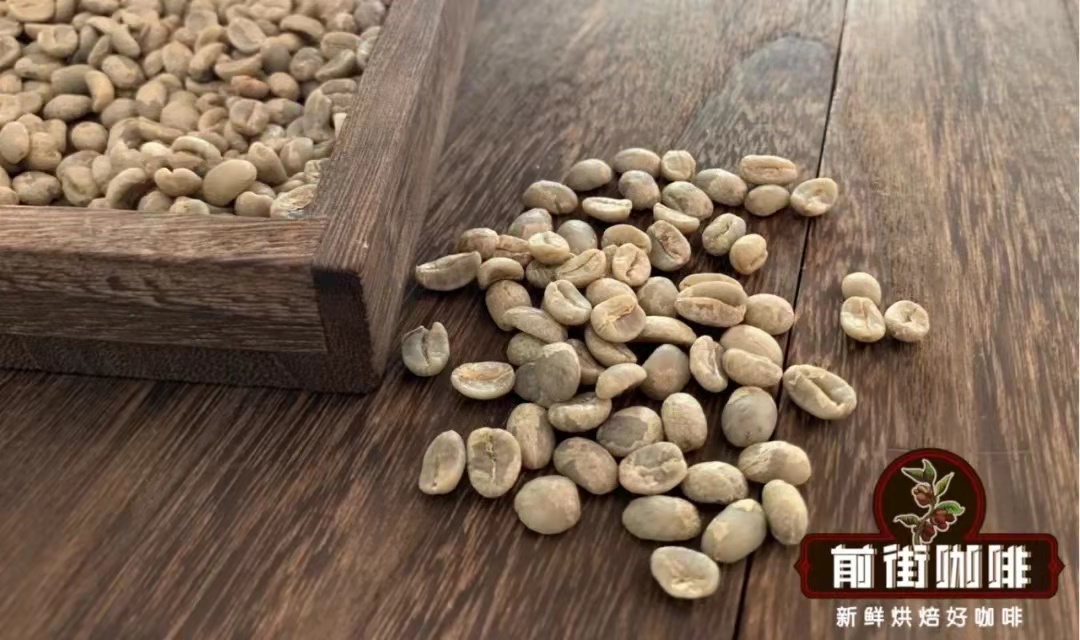
The core difference in honey processing lies in the mucilage retention ratio: white honey processing removes about 80% of the mucilage and uses rapid sun drying to give the coffee clean citrus notes and a lighter mouthfeel; yellow honey retains 40% of the mucilage and balances sweetness and acidity through ample sunlight, with flavors leaning toward caramel and honey; red honey removes only 25% of the mucilage, and the longer drying time brings a richer red-wine texture and red berry aromas; while black honey processing removes almost no mucilage, and slow drying in the shade forms a heavy chocolate finish and an explosion of tropical fruit.
It is worth noting that the Piedra Grande Estate's anaerobic heavy honey processing further increases the complexity of the craft—fermentation with mucilage retained takes place in sealed containers, with precise control of oxygen content and temperature to accelerate sugar conversion and inhibit the growth of spoilage organisms. This processing method takes 30%–50% longer than conventional honey processing, but it significantly enhances the coffee's body and aromatic complexity.
For coffee lovers, the key to distinguishing the flavors of different honey processes lies in observing the dry aroma after roasting and the slurping performance: white honey processing usually shows bright flavors such as lemon and green tea; the balanced sweetness of yellow honey processing is suitable for milk-based coffee drinks; the rich fruit aromas of red honey processing and the deep mouthfeel of black honey processing better satisfy the exploratory needs of pour-over enthusiasts. It is recommended to adjust the coffee-to-water ratio and water temperature according to the processing method when brewing; for example, for black honey processing, the water temperature can be lowered appropriately to 90–91°C to avoid over-extraction.