Panama Geisha Coffee Deep Dive: Washed Processing and Pour-Over Flavor Guide
Introduction: Explore in depth the Panama Geisha coffee bean known as the 'Hermès of the coffee world,' from the microclimates of its core producing regions to the details of washed processing, with a full analysis of its signature floral and fruity aroma and tea-like lingering finish. Professional pour-over parameters and three-pour extraction techniques are included to help you precisely present Geisha's richly layered flavor expression.
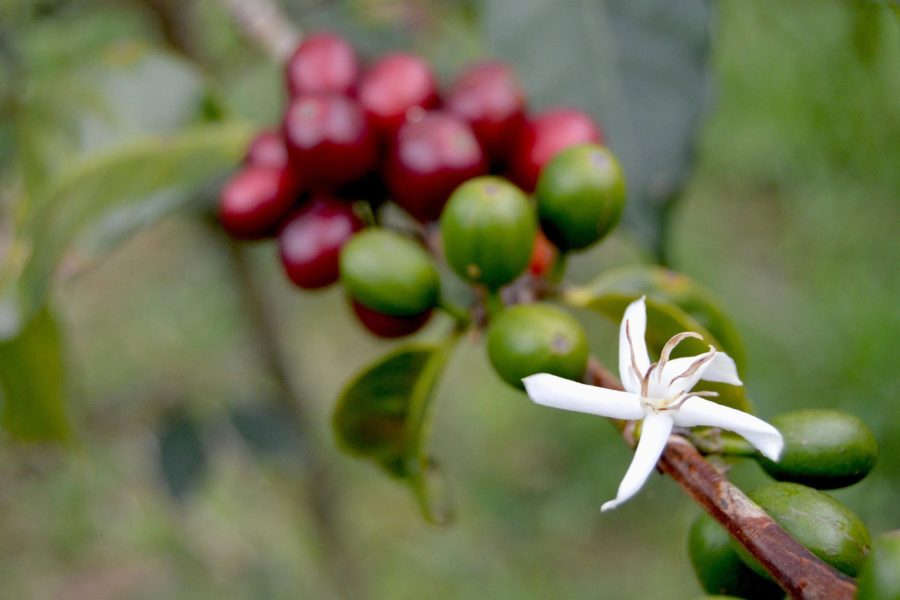
In the specialty coffee world, Geisha is undoubtedly a star variety that attracts much attention. This coffee tree species, native to Ethiopia, reveals a unique charm in Panama's special geographical environment. In particular, the two core producing regions of Boquete and Volcán, with their exceptional natural conditions, have become the cradle for nurturing top-quality Geisha coffee.
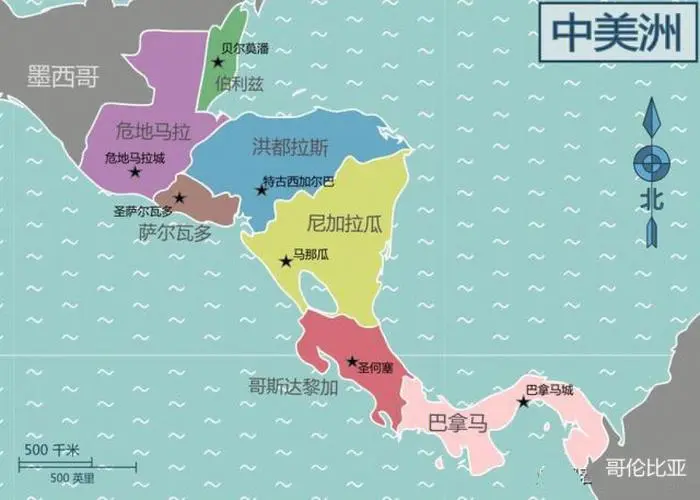
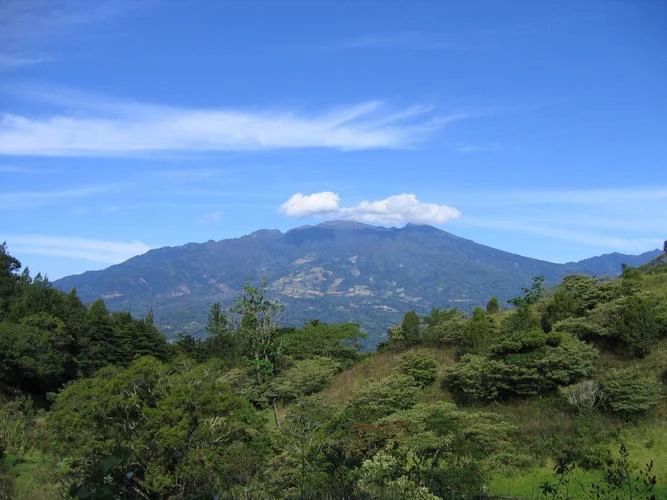
The western mountainous region of Panama lies in the coffee-growing golden belt. Boquete is near Barú Volcano, shrouded in clouds and mist year-round with abundant rainfall, and the soil formed from volcanic ash is rich in minerals. The Volcán region, at an altitude above 2,000 meters, has a significant temperature difference between day and night, and together with a small amount of mixed fruit cultivation, it gives Geisha more distinct tropical fruit character and bright acidity. The unique microclimates of these two regions lay the foundation for the formation of Geisha's complex flavors.It is worth noting that the seven different microclimates within Barú Volcano National Park mean that the same variety may still present unique characteristics in different plots.
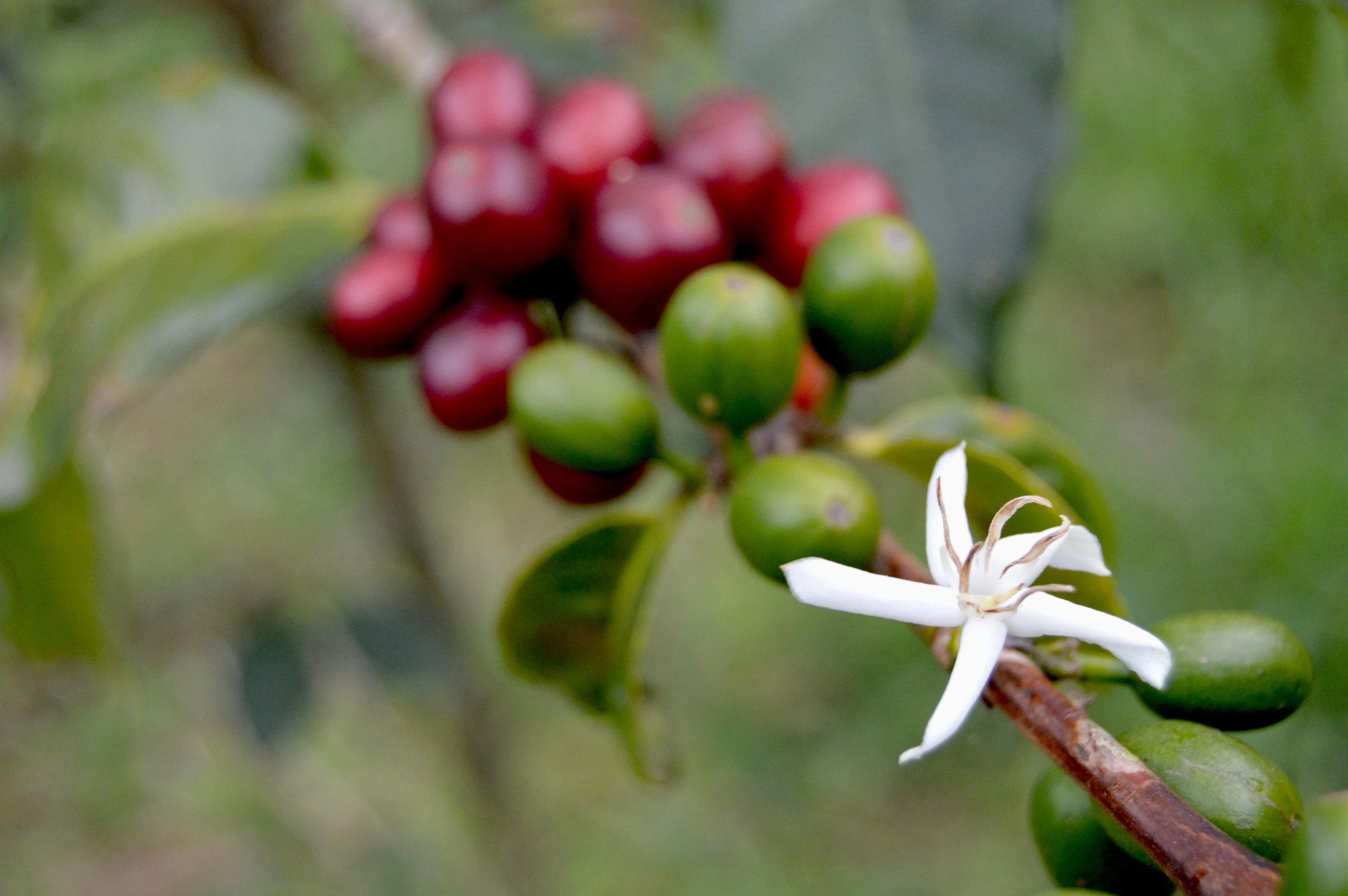
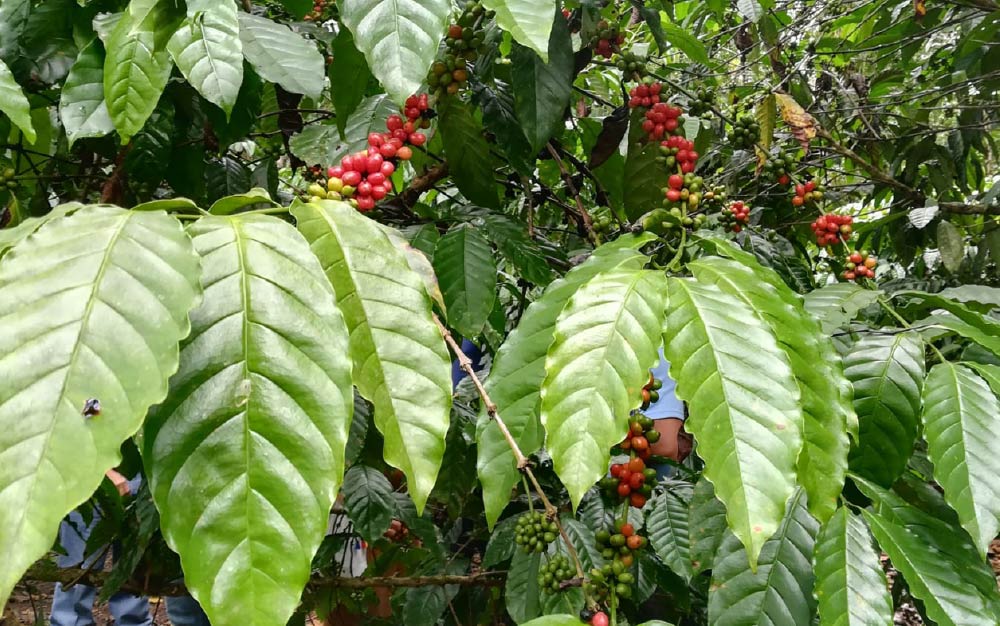
What truly sets Geisha apart is its strict requirements for the growing environment. Compared with ordinary Arabica varieties, Geisha not only produces only half the yield of Caturra, but also depends on tall trees to provide moderate shade. Growers must precisely control water and fertilizer management and carry out careful selection during the fruit ripening period—picking too early leads to imbalanced sourness and astringency, while overripeness loses the fresh character.Professional estates usually have experienced picking teams that select only fully ripe bright red cherries each day.
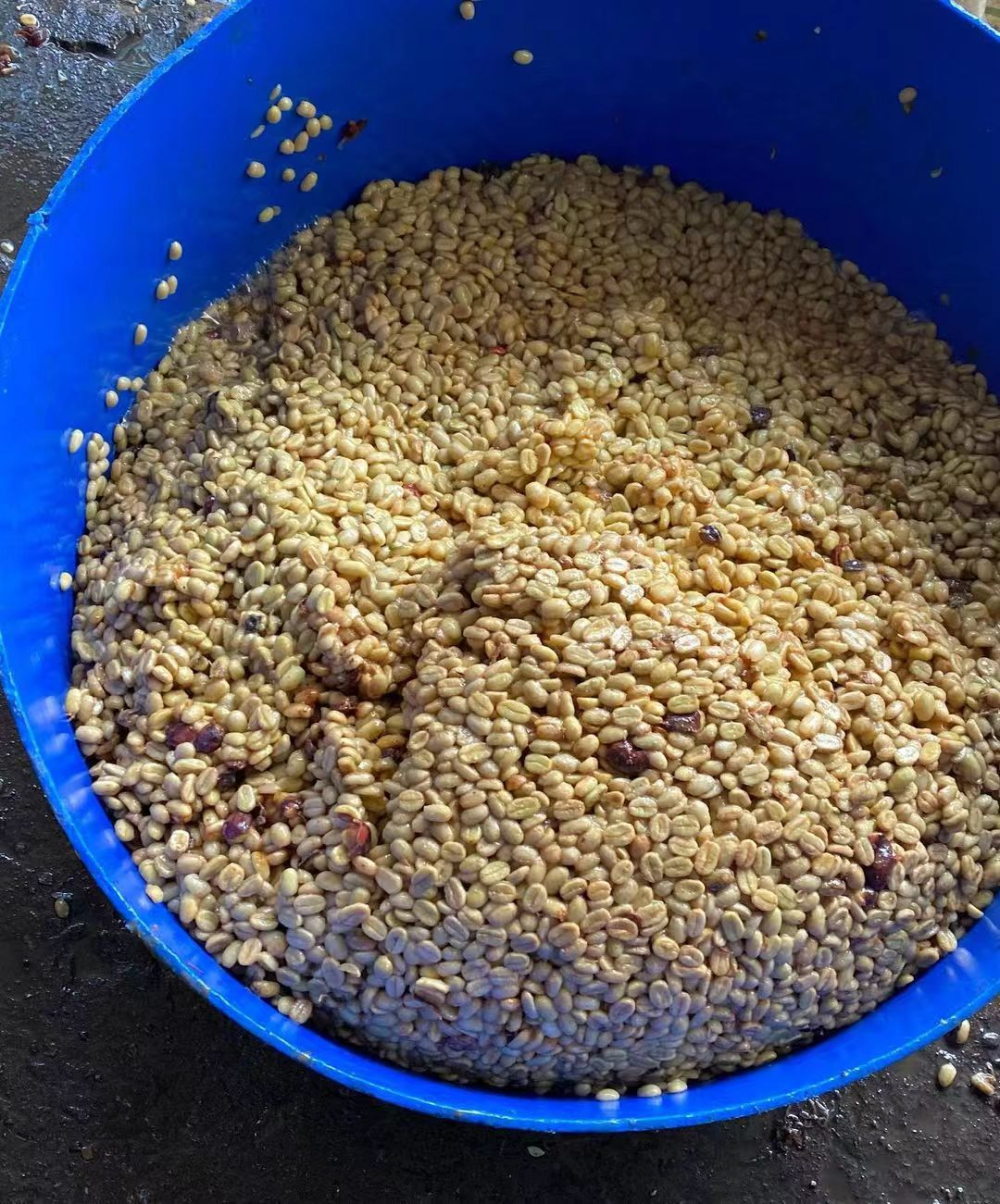
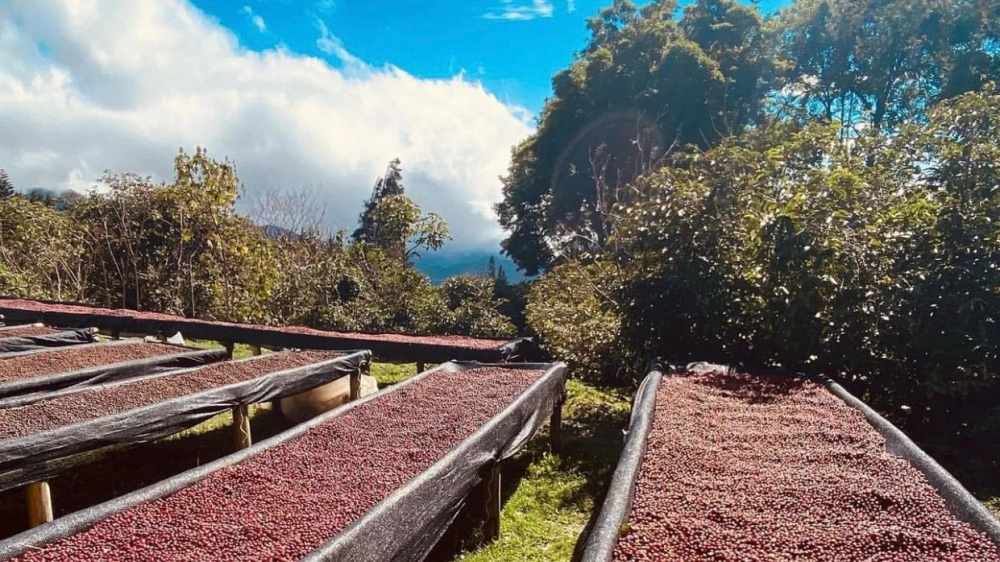
The washed processing method is the key step for presenting Geisha's pure flavor. The traditional process includes the following steps: first remove unripe and defective beans, then separate the pulp with a depulper; the beans with mucilage need to ferment in water at 22-24°C for about 24 hours, during which microorganisms break down the pectin; then they are repeatedly rinsed in a water channel to remove residual sticky mucilage, and finally the parchment-wrapped green beans are placed in a shaded area to dry slowly to a moisture content of 11-12%.This process requires turning the bean pile daily and monitoring temperature and humidity to avoid the risk of mold.
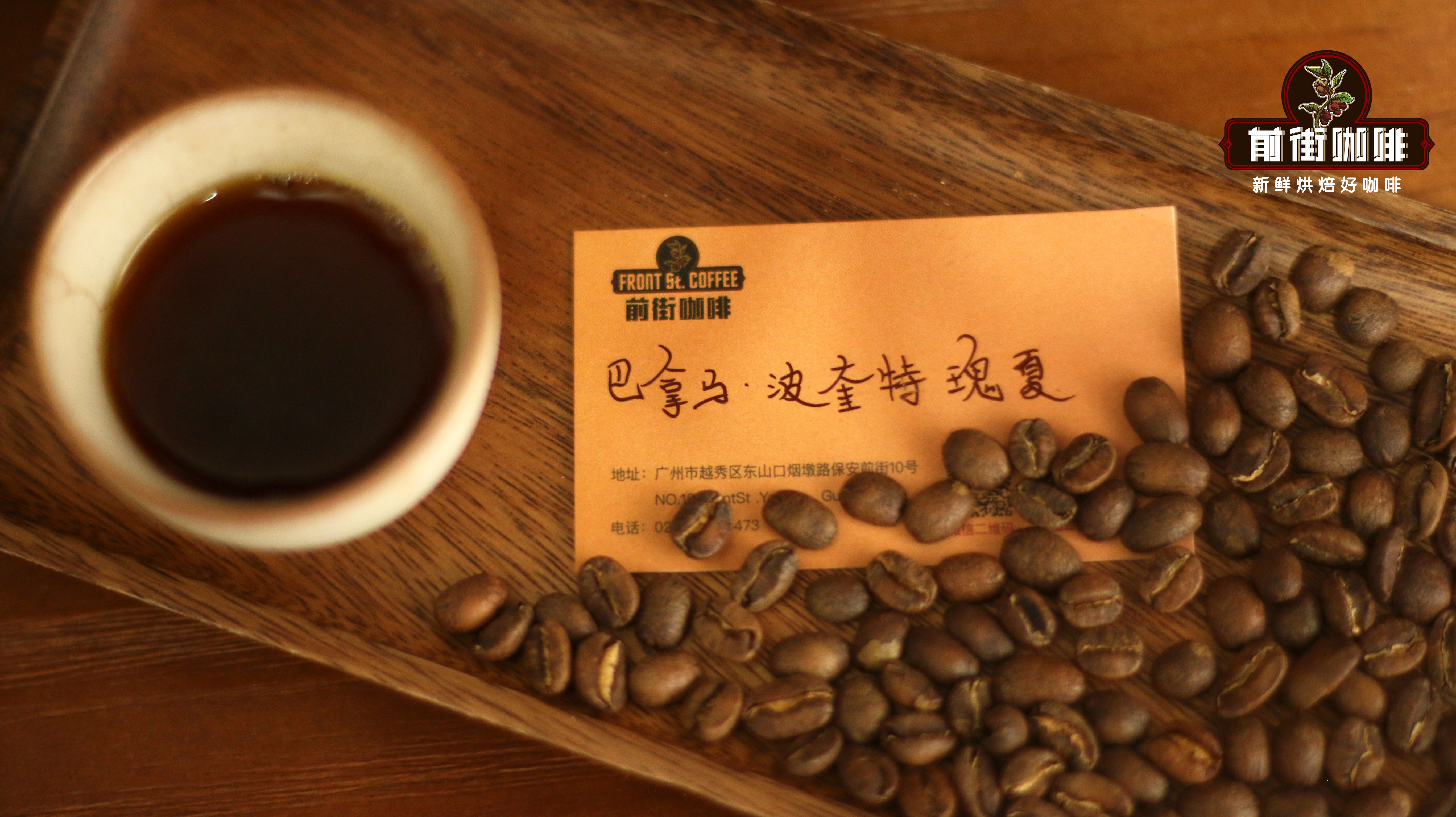
After washed processing, Geisha coffee shows a clearly layered flavor profile when brewed:the first stage is dominated by white floral notes (such as gardenia and lily of the valley) and citrus-like acidity, accompanied by a fresh green tea-like finish; the middle stage reveals stone-fruit sweetness such as peach and lychee, with excellent sweet-sour balance; the finish then turns to soft honey sweetness and a faint oolong tea aroma. This 'tea-like coffee' characteristic makes it an ideal choice for pour-over enthusiasts.
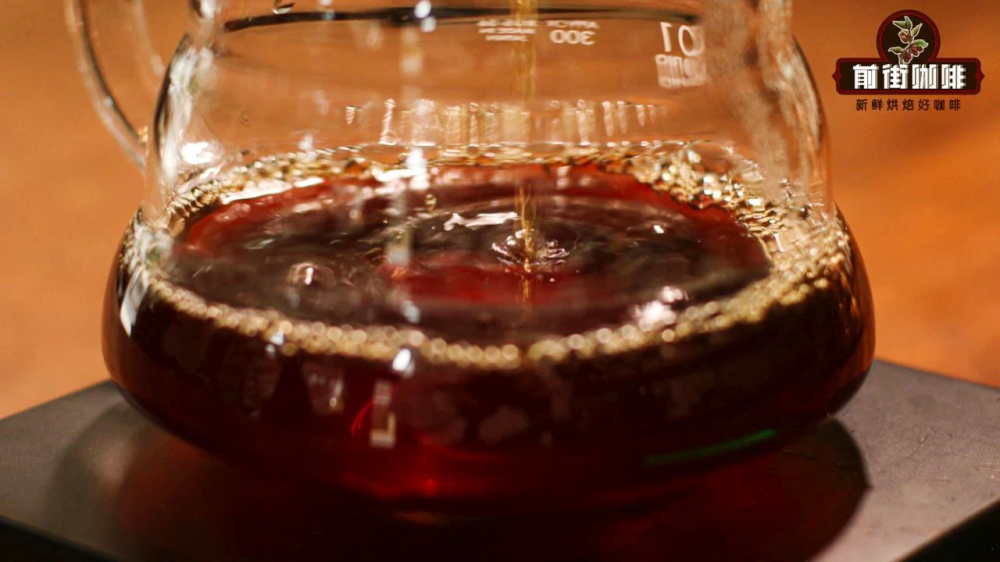
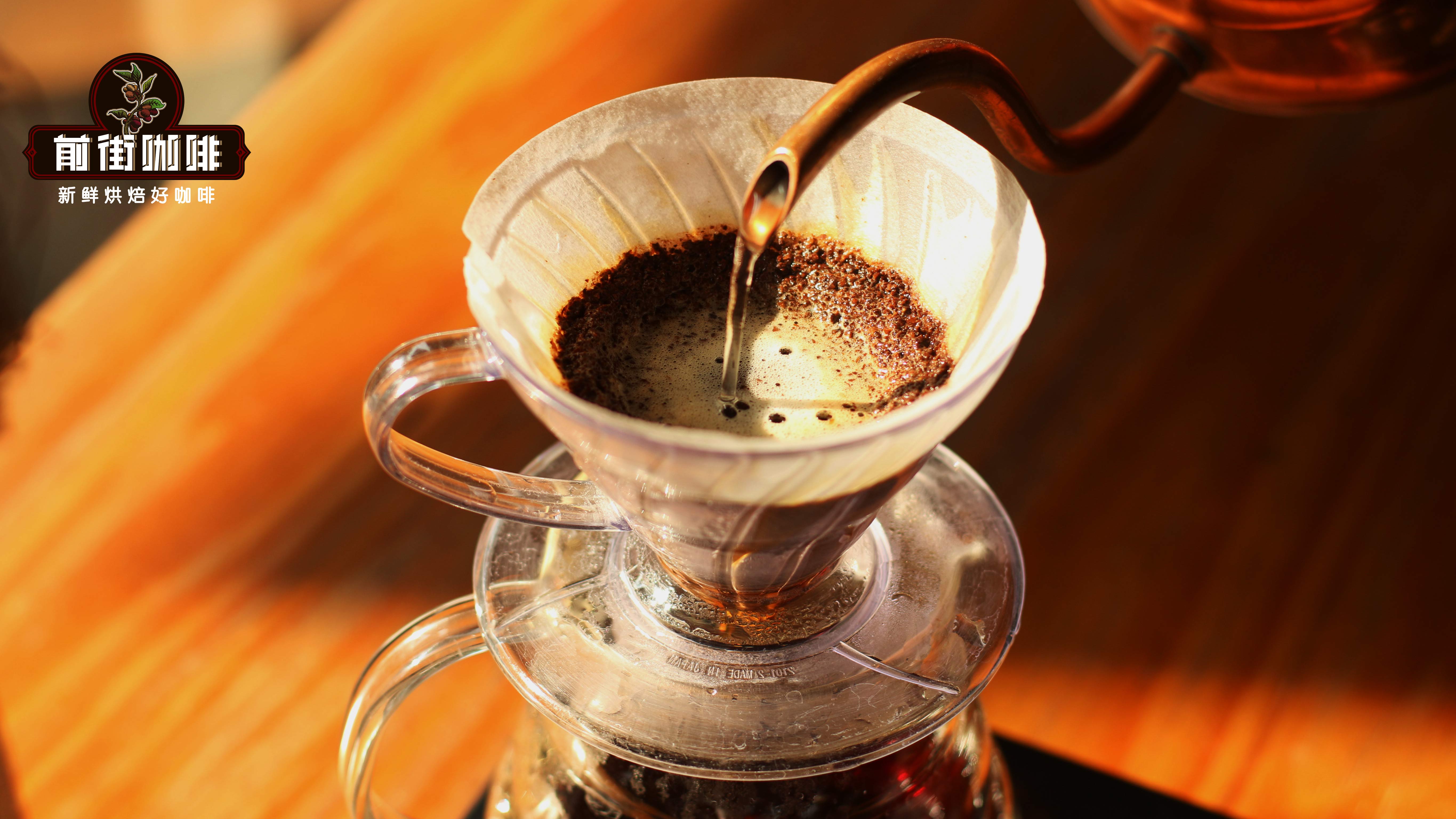
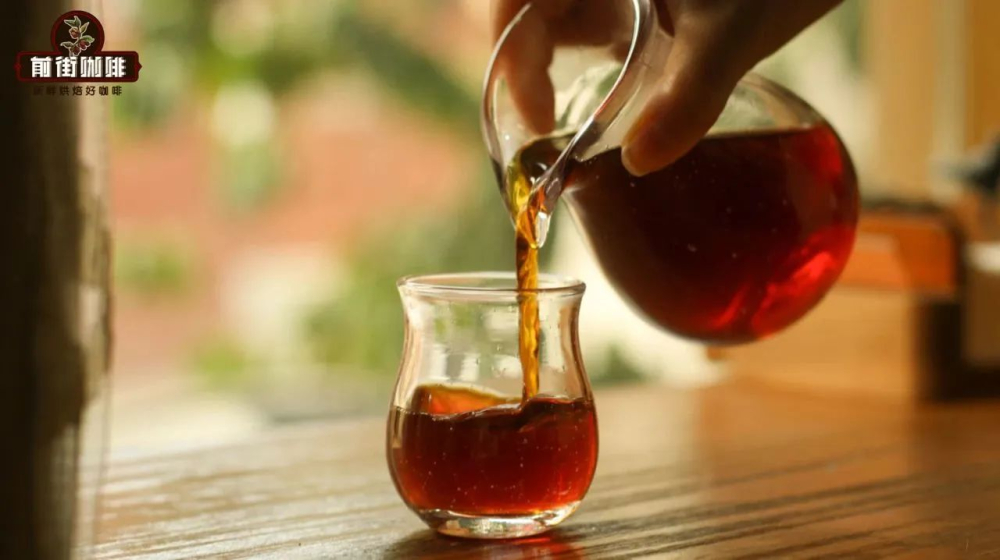
For the characteristics of washed Boquete Geisha, the following professional-level brewing plan is recommended: use a V60 dripper (grind on a No. 20 sieve to 80% passing rate, equivalent to fine granulated sugar coarseness), a coffee-to-water ratio of 1:16, and a water temperature controlled at 91-92°C. The operation is divided into three pours: ① pour 30 ml of hot water and bloom for 30 seconds to fully awaken the coffee grounds; ② pour 120 ml of water in a circling motion to lift the coffee bed; ③ when the liquid level drops to 1/2, pour the remaining 90 ml in a thin stream to complete extraction. The total time is about 2 minutes 10 seconds, yielding 240 ml of brewed coffee.
Beginners should pay special attention to three common mistakes: over-grinding leads to over-extraction and bitterness, so it is recommended to go 0.5 a setting finer than everyday pour-over; water that is too hot easily amplifies sharp acidity, so boiling water should rest for 30 seconds to cool; uneven pouring speed may cause channeling, so the water stream should be kept vertical and stable.Using freshly roasted beans (5-14 days after roasting is the optimal tasting period) can significantly improve flavor expression.
For coffee lovers pursuing the ultimate experience, try slightly adjusting parameters to explore personal preferences: if you prefer bright acidity, raise the water temperature to 93°C and shorten the extraction time; if you like a fuller body, lower it to 90°C and extend to 2 minutes 30 seconds. In any case, precise weighing and stable technique are always the foundation for reproducing Geisha's complex flavors.
Panama Geisha's success is no accident—from the nutrient supply of volcanic soil to the meticulous management of estate owners, and then to the experience passed down by craftspeople at the processing station, every step affects the final performance in the cup. Understanding the stories behind these helps us better appreciate this 'coffee artwork' and also provides a scientific basis for everyday brewing.