COE Cup of Excellence Explained: Cupping Standards, Flavor Profiles and Pour-Over Parameters
Introduction: The COE (Cup of Excellence) is the world's most authoritative specialty coffee competition, and its winning beans are known for their stringent selection standards and outstanding flavor performance. This article takes an in-depth look at the COE competition system and cupping scoring rules, explains in detail the distinctive flavor characteristics of competition-grade coffees scoring above 85, and offers professional-grade pour-over parameter recommendations to help coffee lovers fully understand the value of these high-priced specialty beans.
In recent years, more and more specialty coffee shops have launched coffee products labeled as COE-certified. Why are these coffees priced significantly higher than ordinary pour-over beans? The core reason lies in the COE (Cup of Excellence), an international top-tier specialty coffee cupping competition that ensures the top quality of winning beans through multiple rounds of rigorous screening. The competition was founded in Brazil in 1999 by the Alliance for Coffee Excellence (ACE), and each year it selects the highest-scoring lots from hundreds of participating farms worldwide; winning coffees must maintain an exceptionally high level of 85 points or above across consecutive cuppings.

The COE competition uses a six-stage elimination system: first, farms from each country submit about 25-35 bags (60 kg each) of green beans that meet the competition rules, which are stored at constant temperature in professional warehouses until the auction. The judging process goes through three rounds of competition—the preliminary, the semifinal, and the TOP10—with each stage requiring the sum of all individual scores to be no less than 84 points, and ultimately only about 20-30 farms make it into the ranking. This layer-by-layer screening mechanism means that the coffee estates that ultimately win not only gain international renown but can also achieve premium transactions for their lots through a dedicated auction.
The traditional coffee industry long suffered from the practice of selling blended beans, which obscured the terroir characteristics of single origins. The establishment of the COE system completely changed this situation—by creating a standardized 69-89 point scoring system, it clearly divides coffee into commercial beans (69-84 points) and competition-grade specialty beans (85+ points). COE winning beans scoring above 85 represent the pinnacle of global coffee quality; such beans not only need varietal advantages but must also combine factors such as altitude, microclimate, and processing methods to display complex and balanced flavor layers in cupping.

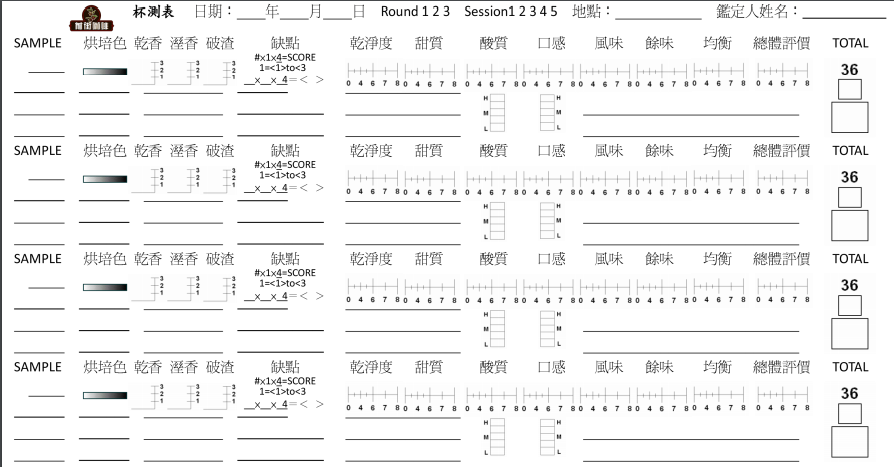
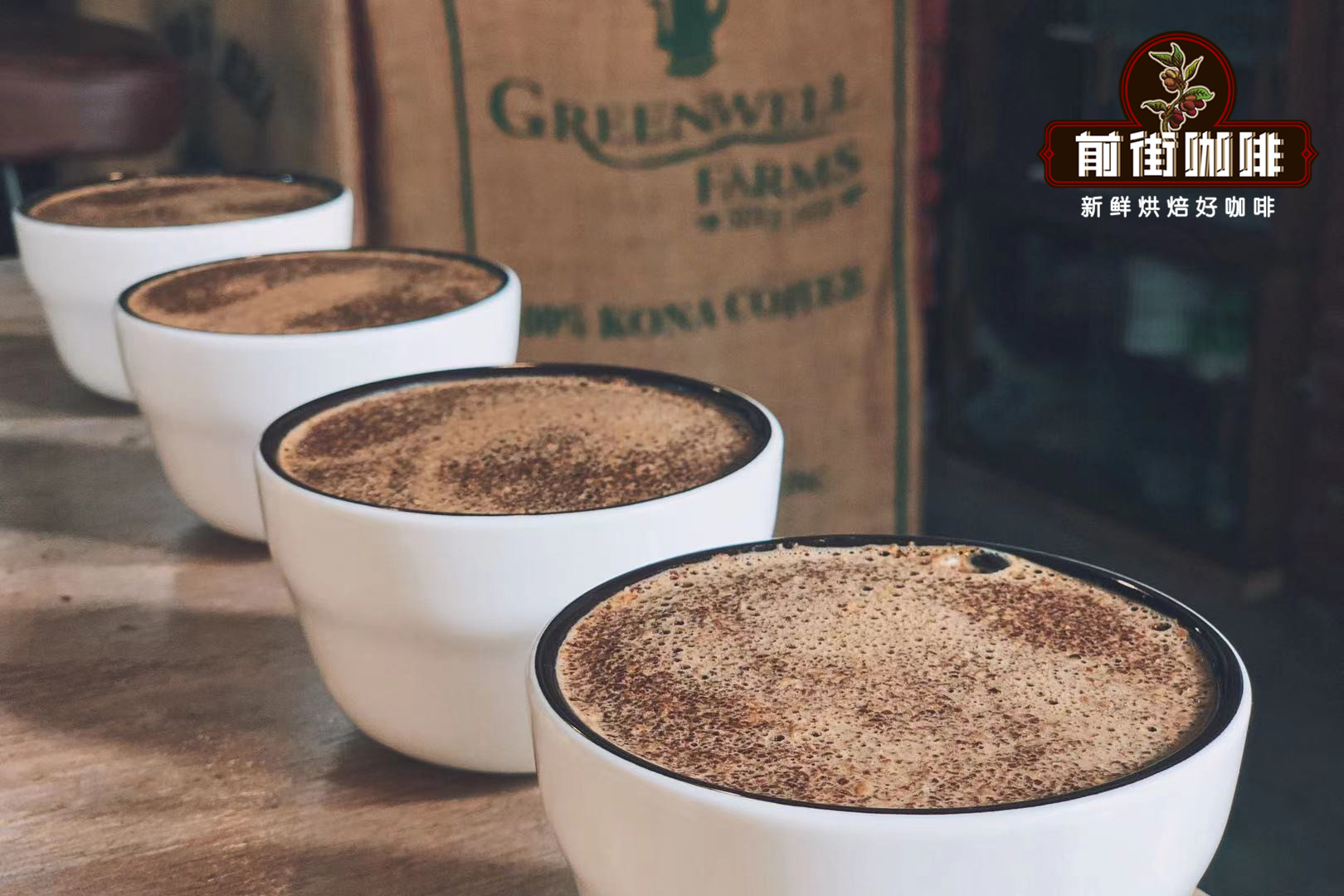
The COE cupping standard uses the internationally common 100-point system, with scoring dimensions covering: dry/wet aroma (10 points), flavor (20 points), aftertaste (10 points), acidity (10 points), body (10 points), balance (10 points), and overall evaluation (10 points). Key thresholds include: 69 points and below for industrial-use beans, 70-74 for ordinary commercial beans, 75-79 for premium commercial beans, 80-84 for specialty coffee, and only 85 and above meeting the COE competition-grade standard. Professional judges must cup within 8-24 hours after sample roasting, using a 200 ml ceramic bowl holding 11 g of coffee grounds and 200 ml of 94°C water (coffee-to-water ratio 1:18.18), with the grind controlled at 70%-75% passing through a No. 20 sieve, and evaluating flavor after a 4-minute steep.
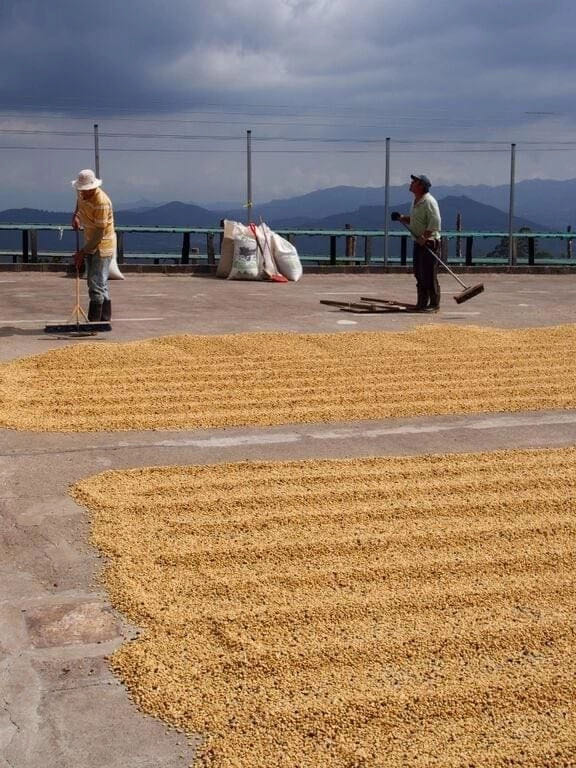
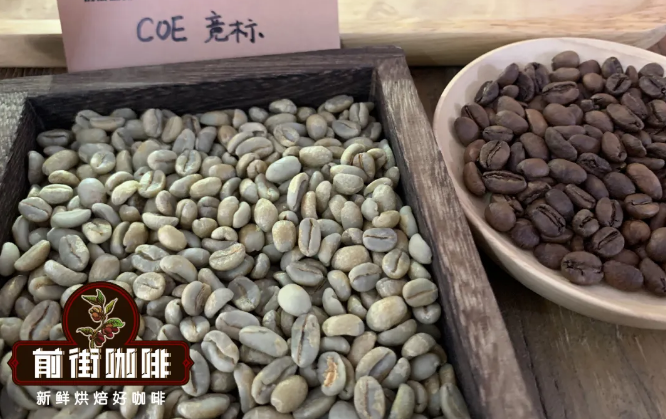
Take a certain Ethiopian COE winning bean as an example: its producing region is located in the Arsi highlands of Sidama, and it uses the traditional natural processing method. After selecting ripe berries, the producer dries them in the sun on raised beds for two weeks, during which they are turned by hand every 30-60 minutes to ensure even dehydration, with the final moisture content precisely controlled at 25%. This processing method preserves the bright acidity of the Typica variety while deriving tropical fruit flavors such as strawberry and lychee through slow fermentation, accompanied by fermented wine notes and a honey finish.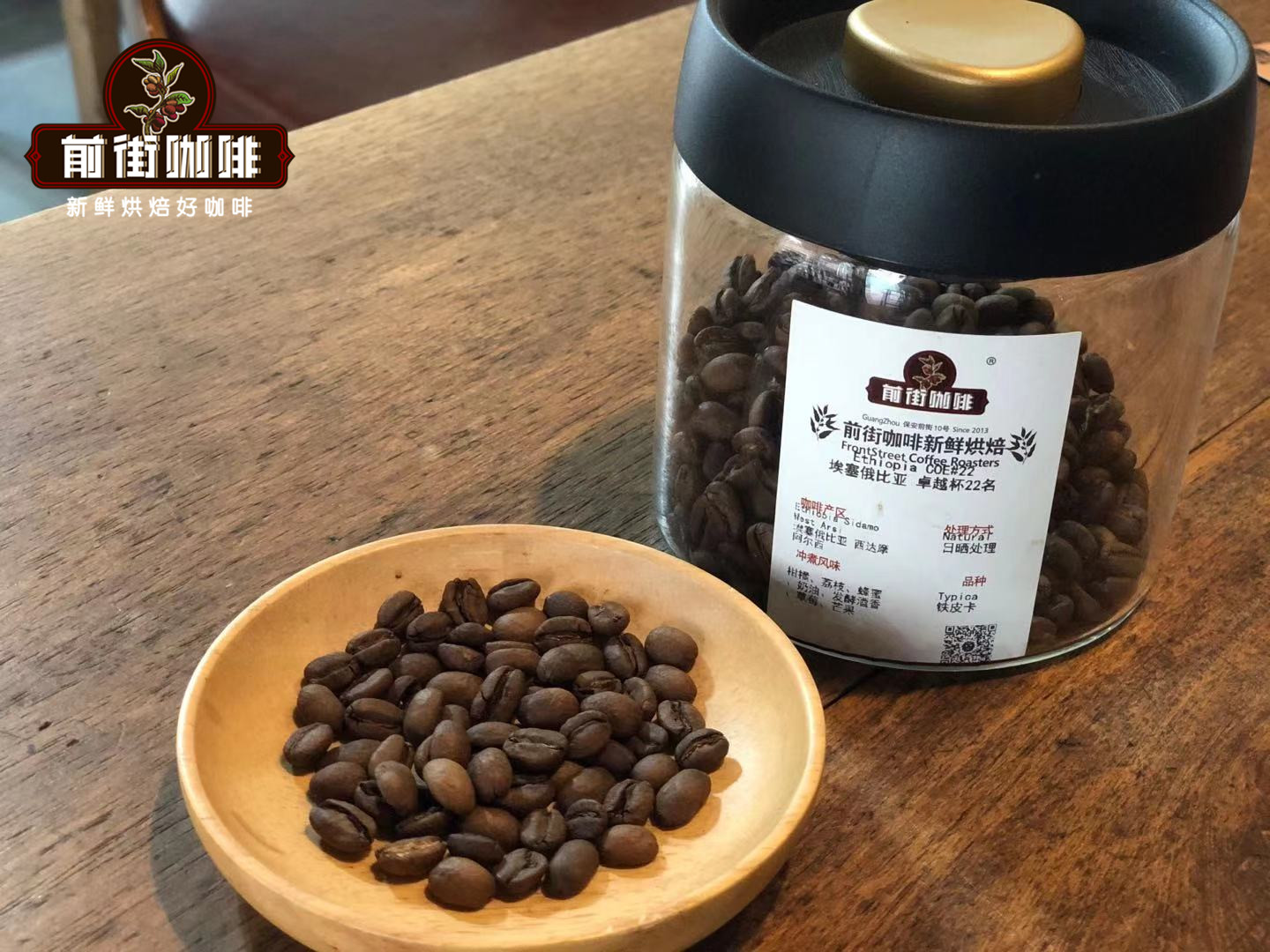 It is particularly worth noting that COE winning beans generally have uniform bean size and a defect rate below 3%, and after roasting they expand uniformly with consistent color—these physical characteristics directly reflect the high-quality foundation of the green beans.

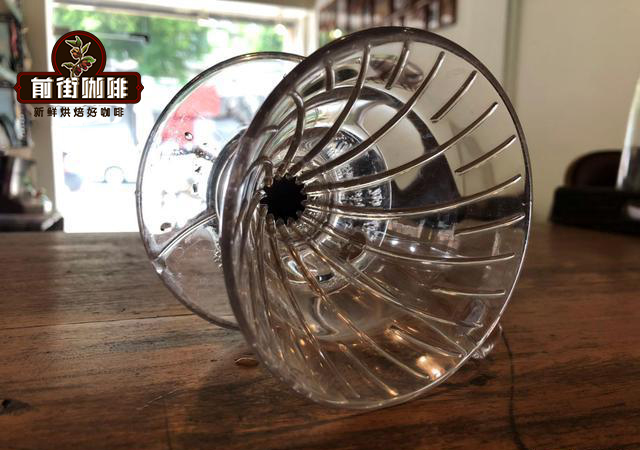
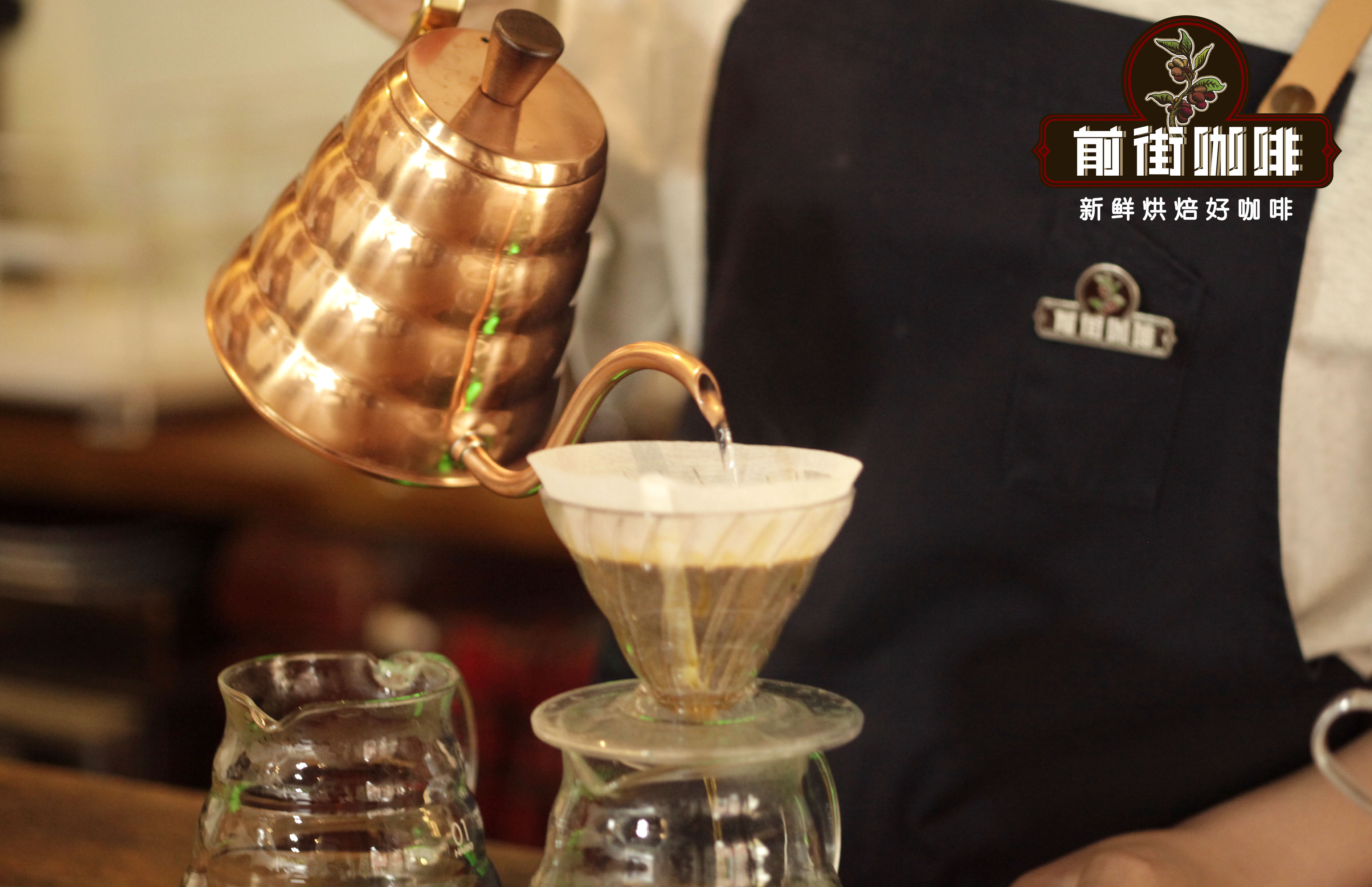
For coffee lovers, brewing COE-grade beans requires particular attention to parameter matching. A V60 #01 dripper is recommended, paired with a medium-fine grind (80% passing through the Chinese standard No. 20 sieve), 15 g of coffee and 225 ml of water (coffee-to-water ratio 1:15). Specific procedure: at a water temperature of 90-91°C, pour 30 g of water for a 30-second bloom, then pour in a small stream in circles to 125 g in stages, and when the water level drops to the coffee bed, continue pouring to 225 g, with total extraction time controlled at 2 minutes. These parameters can fully bring out the bright acidity and layering of COE beans, with typical flavors of vivid berry sweetness and acidity, silky body, and a lasting caramel finish.
Participating in the COE competition has multiple benefits for coffee estates: besides the opportunity for high premiums at international auctions, winning lots can also significantly raise the profile of the producing region and help small farms (annual output of 30-40 bags) connect directly with international buyers. According to statistics, the product premium of winning estates can reach 3-5 times that of ordinary commercial beans, while reducing the cost losses caused by intermediary links. For consumers, COE certification is not only a quality guarantee but also a direct way to experience the world's top terroir characteristics.
By systematically understanding the selection logic and cupping standards of the COE competition, coffee lovers can more professionally appreciate the core value of specialty coffee. Whether you are an advanced player pursuing flavor complexity or a single-origin enthusiast who values terroir texture, COE winning beans represent the highest achievement of human coffee cultivation and processing to date.