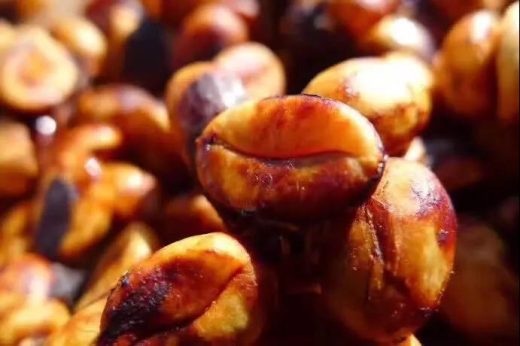
Honduras El Naranjo Coffee: How Washing Brings Citrus Flavor?
Introduction: Have you ever tasted a coffee with a fresh citrus character? This distinctive flavor often comes from a special growing environment and processing method. This article focuses on El Naranjo estate in Honduras's Marcala region and explains how its washed processing brings out clear layers of orange, nut and floral notes. We will detail the estate's background and processing flow, and include actual cupping and brewing flavor references to help you better understand the characteristics and brewing points of this type of specialty coffee.
In the world of specialty coffee, flavor is an important indicator for distinguishing origins and processing methods. From citrus and berries to nuts and chocolate, different origins' soils, climates and processing techniques all significantly affect the final flavor expression. Among them, Honduras's El Naranjo has emerged in international competitions with its washed coffee featuring clear sweet orange, nut and floral notes, becoming a flavor exploration target for many coffee enthusiasts.
Honduras has more than 280,000 hectares of coffee-growing area, most of which are small farms usually no larger than 3.5 hectares; these small plantations contribute about sixty percent of the country's coffee production. Local coffee farmers mostly rely on the mountainous terrain and hand-picking to ensure every coffee cherry is carefully sorted. The country produces about three million bags of coffee a year, and both its volume and quality are well recognized by the international market, placing it among the world's top ten coffee exporters.
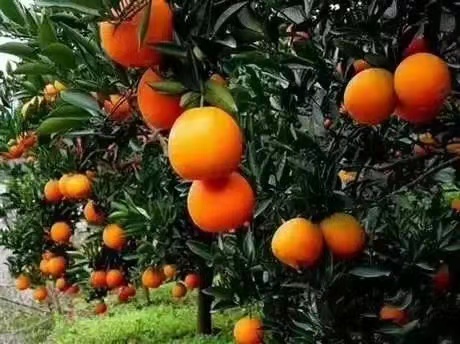
El Naranjo is located in Honduras's famous Marcala region, which is as well known as another renowned region, Santa Bárbara, and both belong to the La Paz area. The estate's name comes from the many wild orange trees growing around it—these orange trees not only provide natural shade for the coffee fields, but their strong aroma also subtly influences the flavor development of the coffee beans. The varieties planted here include Caturra, Bourbon and the precious Geisha. The estate not only values ecology but also has windbreaks and organic compost made from coffee husks, safeguarding coffee quality in many ways.
El Naranjo is run jointly by the Dominguez couple, who are both the estate owners and producers. The wife, Carmen, is responsible for picking and drying, while the husband mainly handles depulping. The family has grown coffee for generations and now owns four estates, of which El Naranjo is one, covering 43 hectares at a growing altitude of about 1,650 meters. In 2016, El Naranjo, with its outstanding performance, placed 14th in the Cup of Excellence (COE) competition, marking authoritative recognition of its specialty coffee quality.
To highlight the coffee's rich floral and fruity aroma while keeping the flavor clean and pure, El Naranjo uses washed processing. Compared with natural or honey processing, washing better highlights bright acidity and clear layers, and is especially suitable for expressing citrus and stone-fruit flavors. Below are the main steps of the estate's washed processing:
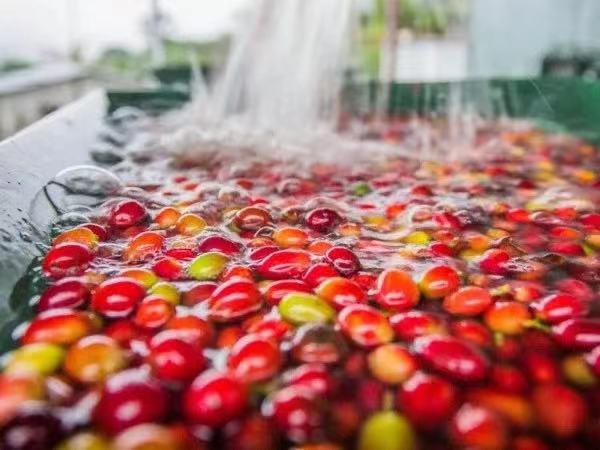
1. Removing floaters: The harvested coffee cherries are placed in a water tank; unripe or poor-quality beans float on the surface because of their lower density, while ripe, full fruits sink to the bottom. Scooping off the floaters at this point provides an initial selection of high-quality fruit.
2. Removing skin and pulp: A pulper removes the outer skin and pulp of the coffee fruit, but the mucilage layer, parchment and silver skin remain attached to the seed.
3. Fermentation: The coffee beans with mucilage enter fermentation tanks, where natural microorganisms break down the mucilage. This stage usually lasts 16 to 36 hours, with the exact duration fine-tuned according to local temperature to ensure the mucilage is fully broken down without affecting bean quality.
4. Washing: After fermentation is complete, the coffee beans are thoroughly washed with running water to remove residual mucilage, impurities and fermentation by-products. This step uses a relatively large amount of clean water but is crucial for ensuring flavor purity.
5. Drying: The washed parchment coffee is dried by sun or professional dryers, with the final moisture content controlled at around 12%, meeting safe storage standards.
This processing method not only preserves the coffee beans' original clean base but further brings out distinct layers of sweet orange, nut, creamy and lemon-tea flavors.
According to cupping records, the dry aroma of this washed El Naranjo coffee has clear notes of spice, roasted peanut and chocolate; the wet aroma is a fresh herbal scent; on the palate, orange peel, nut, cream and lemon tea blend together, with an overall balanced and richly layered mouthfeel.
In actual brewing, this coffee shows bright acidity and diverse layers. Common flavors include berries, citrus, melon, floral notes, cane sugar and prominent orange peel and nut tones, with a tea-like finish, making it very suitable for those who enjoy a refreshing sweet-and-sour style.

If you are fond of citrus flavors or want to explore the charm of washed processing, you might try seeking out this type of coffee from Honduras's Marcala region; perhaps it will bring you a fresh and memorable tasting experience.