How to Brew Washed Yirgacheffe Coffee: Flavor and Pour-Over Guide
Introduction: As Ethiopia's most representative specialty coffee region, Yirgacheffe's washed beans are famous for high acidity and floral-fruity aromas. This article explains this classic coffee's origin background, differences in processing methods, and the brewing techniques and parameters best suited for home brewing, helping you unlock the flavor code behind its bright citrus notes.
In the world of specialty coffee, Ethiopia has always held a special place. Whether on a café's daily menu or in a coffee lover's starter collection, beans from this East African highland country always have a place—and among them, Yirgacheffe is undoubtedly one of the most recognizable names.

As Africa's largest coffee producer, Ethiopia's coffee culture is deeply rooted in daily life. Its coffee cultivation systems are diverse, from wild trees in prime forests to small-scale cultivation in farmers' own yards, and to large-scale plantations. Among these, garden coffee accounts for the highest proportion and is run by dispersed smallholders, each typically managing no less than 4 hectares of land. Because production is scattered, many cooperatives and processing plants have been established to uniformly process coffee cherries picked by surrounding farmers, ultimately exporting or selling domestically under the processing plant's name.
More uniquely, Ethiopians regard drinking coffee as an important social ritual, as important as drinking tea. The traditional coffee ceremony involves three rounds of tasting: the first round, Abol, is offered with blessings from elders; the second round, Tona, shifts to casual conversation; and the final round, Beraka, signifies a joyful ending. The tools they use—the special clay pot Jebena and stone mortar—still retain traces of ancient coffee processing.
When it comes to coffee varieties, Ethiopia is truly a global natural gene bank. As the birthplace of coffee, the country preserves tens of thousands of native Arabica varieties. These natural mixed varieties, without artificial intervention, often show uneven appearance due to the scattered planting by smallholders. To protect this unique heritage, the government does not disclose specific variety names and uniformly labels them as "Heirloom," which also creates the rich aromatic foundation of Ethiopian coffee.
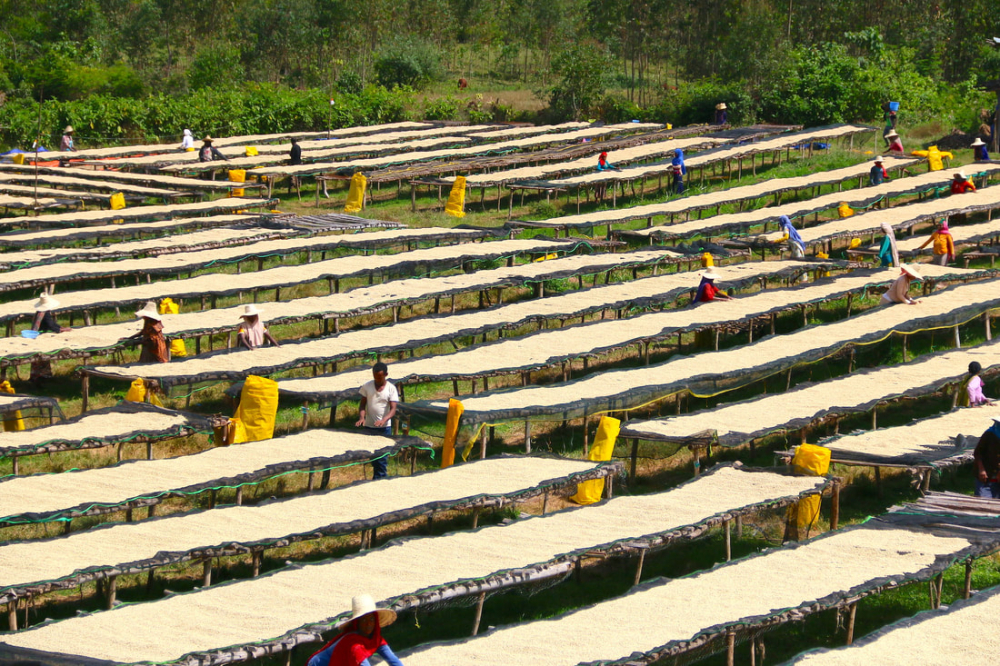

Yirgacheffe, a small town at 1,700–2,200 meters above sea level, originally fell under the jurisdiction of the larger Sidamo region but later stood out for its signature flavor and became an independent region. The climate here is mild year-round, with morning mist but not excessive humidity, and winter temperatures low enough not to freeze the plants. The slow growth cycle allows the coffee fruit to accumulate richer flavor compounds. The coffee produced here is known for its vivid acidity and clean mouthfeel, becoming synonymous with Ethiopian coffee quality.
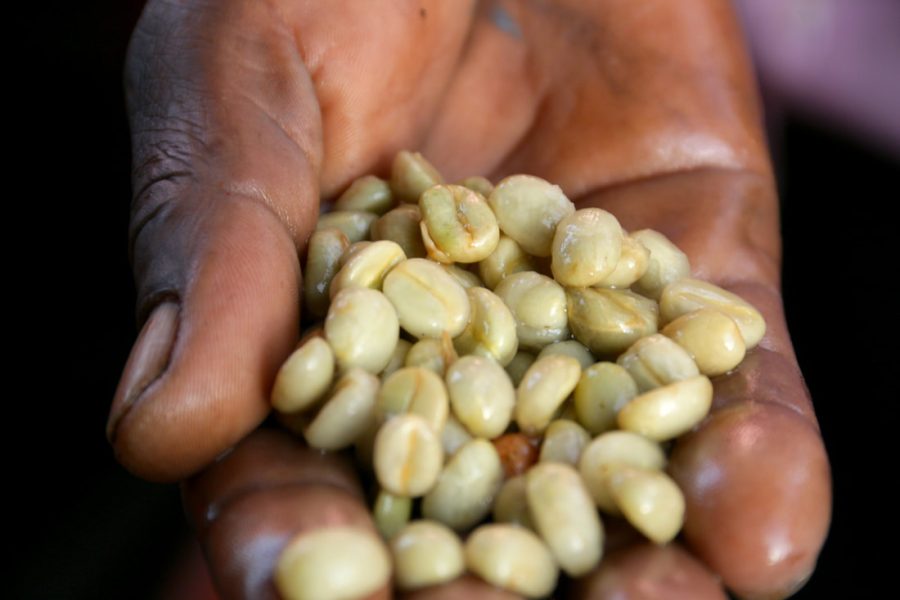
Washed Yirgacheffe represents the typical style of African coffee: bright acidity like the lively sparkle of fresh lemon juice, accompanied by clearly identifiable yellow flower aromas rather than a generic citrus description. This characteristic comes from the Central and South American washing technique introduced in 1972—through professional washing channels and continuously flowing clean water, it not only greatly reduces the proportion of defective beans but also strengthens the lively fruit acidity and elegant white floral notes. Compared with the intense fermentation layers of natural-process coffee, washed Yirgacheffe wins with extreme purity and delicate texture.


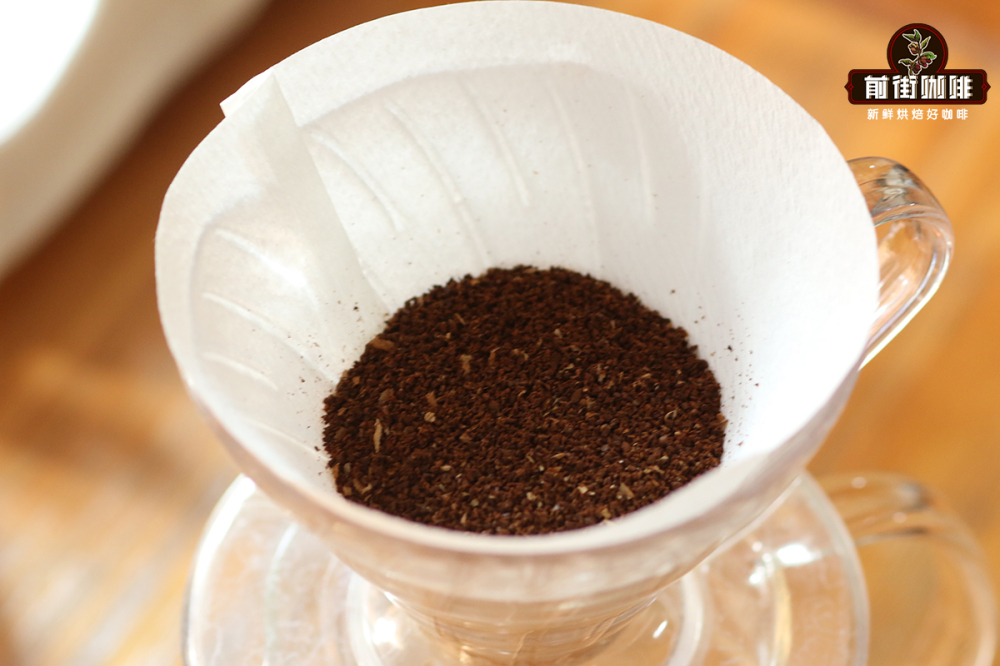
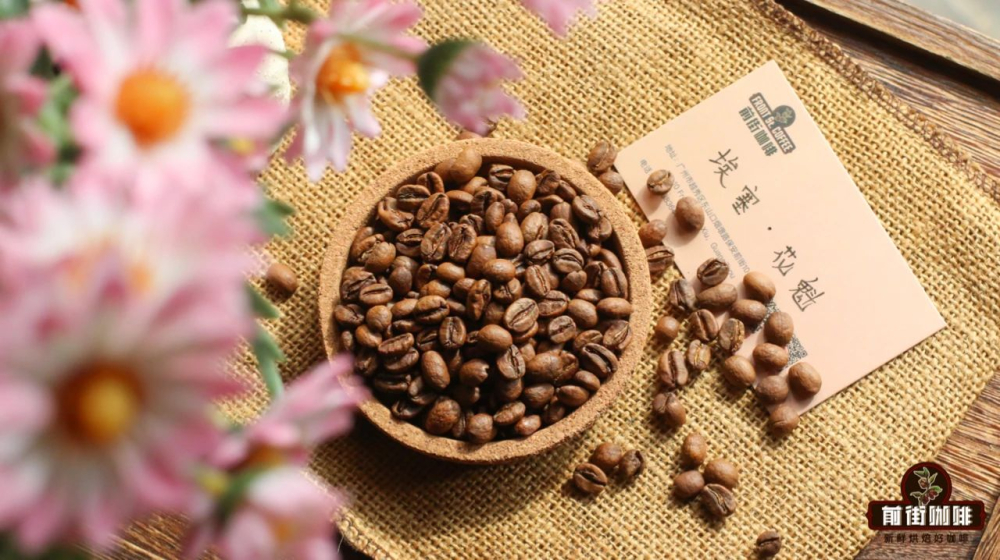
For home brewers, three key points should be noted when choosing washed Yirgacheffe: freshness determines aroma retention, so beans within 5 days after roasting are recommended; medium-light roast (approximately medium leaning light) balances acidity, sweetness, and body; and brewing parameters directly affect flavor presentation. Taking a common pour-over recipe as an example: use a V60 dripper with 15 grams of coffee grounds, control water temperature at 92–93°C, set grind size to 78% passing a Chinese standard No. 20 sieve (similar to fine granulated sugar particle size), and use a coffee-to-water ratio between 1:15 and 1:16.
Specifically, a three-stage pouring method can be used: in the first stage, pour 30 ml of hot water and bloom for 30 seconds to awaken the coffee grounds; in the second stage, pour in a small stream in circles up to 125 ml, waiting for the coffee bed to naturally drop to the middle of the dripper; in the final stage, continue pouring to 225 ml to complete extraction, about 2 minutes in total. This method stimulates different flavor layers through staged temperature changes—the high-temperature stage highlights lemon and green tea notes, while the cooling process releases berry and sugarcane finish. If you prefer a softer mouthfeel, adjust the ratio to 1:16; for a stronger impact, choose 1:15.



Common mistakes include insufficient water temperature causing dull flavors, or grinding too fine causing over-extraction and bitterness. When the brewed coffee has only sharp acidity without layers, check whether the water temperature reaches 92°C or above, and confirm whether the dripper's vent design (such as V60 spiral ribs) effectively promotes the release of aromatic compounds.
The dry aroma of these beans carries the fresh sweetness of honey and jasmine, and after pouring, berry fruit aromas gradually emerge. The initial sip shows bright citrus acidity mixed with a green tea-like freshness; as the temperature drops slightly, it transforms into creamy candy and caramel sweetness, with a persistent, clean finish and no off-flavors. Whether paired with breakfast bread or enjoyed as an afternoon pick-me-up, it showcases the unique charm of Ethiopian coffee.