Yirgacheffe SOE Coffee Guide: From Pour-Over to Espresso Parameters and Flavor
Introduction: As a classic Ethiopian region, Yirgacheffe has become a representative of specialty coffee through its distinctive citrus notes and bright acidity. This article explains in detail how to bring out its floral and fruity aromas through different brewing methods, focusing on breaking down the extraction parameters for espresso SOE (1:2 coffee-to-water ratio, 25-30 second extraction), and provides golden ratio solutions for Americano and latte. It also includes iced drink preparation tips and a bean selection guide for beginners, helping you master the diverse expressions of this "juicy coffee bean."
When it comes to coffee flavor, many people first think of the bitter, roasted notes brought by dark roasting. However, the Yirgacheffe region from Ethiopia's coffee belt, with its high-altitude day-night temperature differences and volcanic soil rich in phosphoric acid, nurtures coffee varieties with striking contrast—their typical characteristics are a fresh acidity like lemon tea and layered floral aromas, completely overturning the stereotype of traditional coffee.
The particularity of this region lies in the microclimate created by its geographical environment: high altitude slows the ripening of coffee cherries, promoting the accumulation of sugars and aromatic substances. Verified by professional cupping, high-quality Yirgacheffe typically presents bright citrus acidity and a black tea finish, with a mouthfeel similar to the refreshing character of cold-brewed lemon tea. This characteristic makes it the first choice for coffee beginners, as they can experience the complexity of specialty coffee without a strongly bitter burden.
It is worth noting that the Ethiopian Commodity Exchange (ECX) has shifted its definition of Yirgacheffe from origin-based to flavor-oriented—as long as the cup profile meets specific floral and fruity acidity standards, it can be classified as Yirgacheffe regardless of the actual growing block. This change allows consumers to select beans more intuitively based on flavor preferences; for example, those seeking a classic clean cup can choose washed process products, while advanced drinkers can try the berry explosion brought by natural processing.
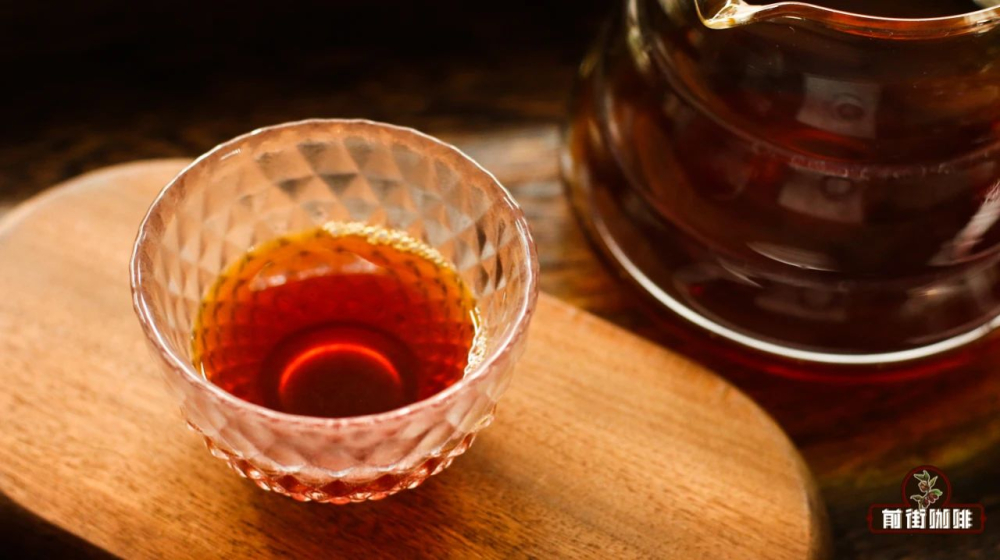
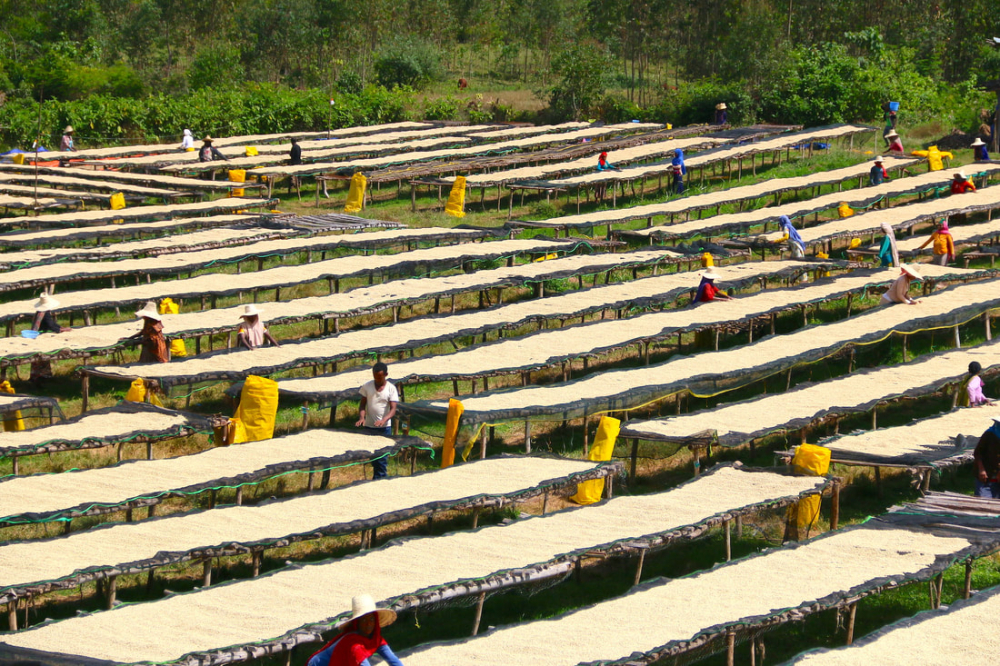
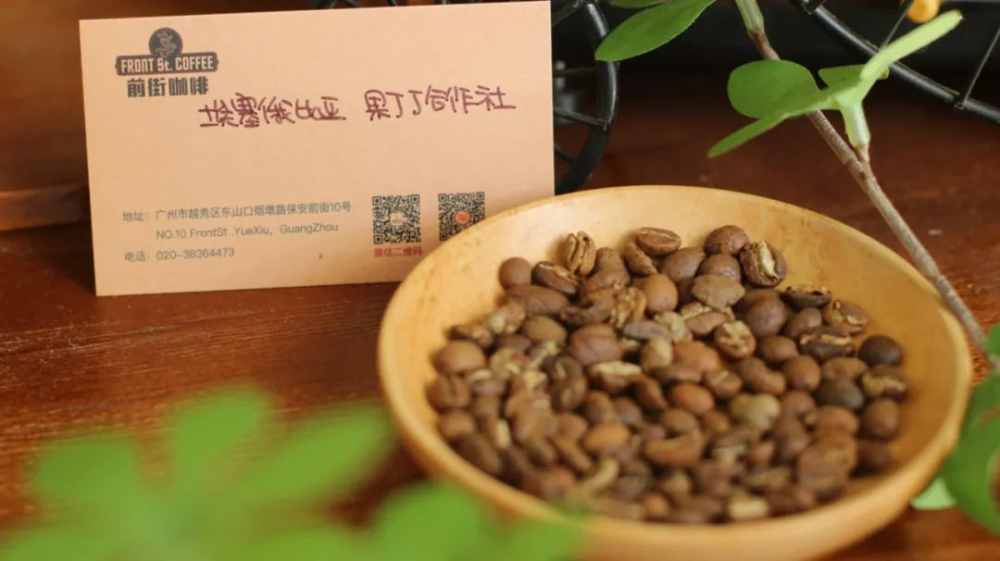
For different brewing scenarios, beginners are advised to start with washed Yirgacheffe G1 grade; these beans have intact structure and are suitable for pour-over/cold brew, clearly showcasing the region's basic flavor characteristics. Advanced choices include beans from well-known processing stations such as the Gotiti cooperative, whose natural versions often carry richer fermented fruit aromas and are suitable for making cold brew specialties. All regular offerings support household brewing methods such as pour-over (recommended 90-93°C water temperature/1:15 coffee-to-water ratio) and cold brew (steeping for more than 12 hours).
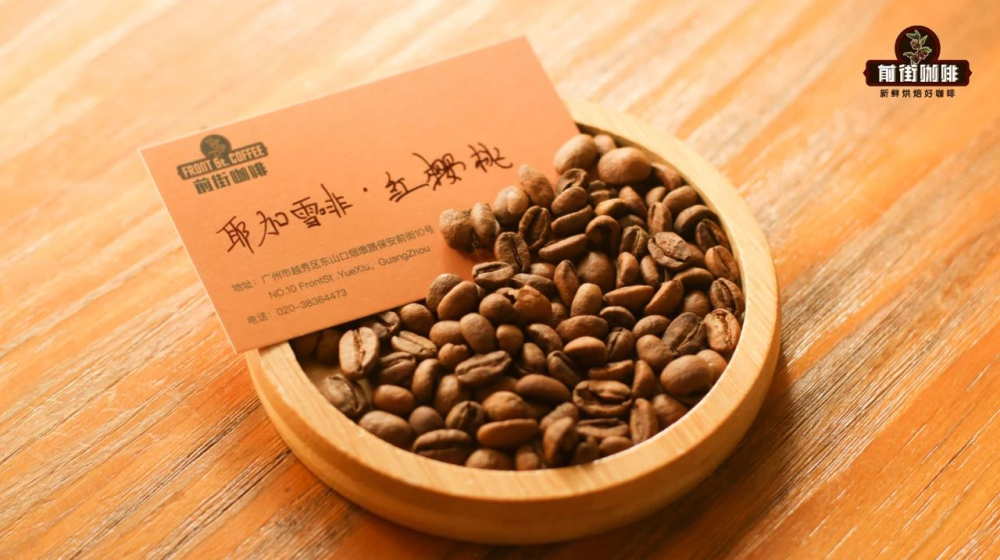
If you want to experience Yirgacheffe in espresso, it is recommended to choose naturally processed SOE beans optimized specifically for espresso. Measured parameters show: using 20 grams of freshly roasted ground coffee, extract 40 grams of coffee liquid under 9 bar pressure (time strictly controlled within the 25-30 second range), which maximally preserves berry sweetness and acidity with a caramel finish. The highly concentrated essence formed at this stage lays the foundation for subsequent drink preparation.
When making a standard Americano, it is recommended to dilute at a 1:4 ratio—that is, add 160 grams of 90°C hot water to 40 grams of the above espresso, ultimately achieving the industry benchmark coffee-to-liquid ratio of 1:2. For a summer version, replace the hot water with a combination of 100 grams of ice + 120 ml of room-temperature water; note that the ice should be pre-chilled to avoid excessive dilution. Key point: mix in the ice water immediately after espresso extraction is complete to prevent flavor degradation from high temperature.

When the same espresso is combined with milk, its gentle acidity highlights the sweetness of the dairy, forming a rounded finish similar to honey. The recommended latte ratio is 1 part espresso + 3 parts steamed milk (total capacity about 300 ml), with the optimal drinking temperature maintained at 55-60°C. Advanced tip: lightly dust cinnamon powder on the milk foam surface to create a flavor synergy with Yirgacheffe's citrus notes.

Common operational pitfalls to watch for: ① Avoid using coffee beans older than two weeks; freshness directly affects the release of floral and fruity aromas; ② Espresso extraction requires a sufficiently fine grind (close to table salt texture), but channeling must be prevented to avoid uneven extraction; ③ For pour-over, it is recommended to use a center-pour circular motion, slowly expanding from the center outward to ensure even extraction. Special note: when making iced Americano, using pre-chilled coffee liquid can further enhance flavor clarity.

In summary, this legendary coffee bean from Ethiopia, through different processing methods and brewing techniques, can present textbook-level fresh floral and fruity notes while also showing unexpected rich layers in the espresso system. Whether you are an Americano lover seeking convenience or a consumer who favors milk coffee, you can find a way to enjoy it that suits your personal taste.