Yirgacheffe SOE: Espresso and Pour-Over Brewing Guide
Introduction: This article takes an in-depth look at how Yirgacheffe single origin espresso (SOE) performs as espresso and as pour-over, analyzing its flavor characteristics and key extraction points. Through tested parameters and real brewing examples, it helps coffee lovers understand the distinctive flavor direction of SOE Yirgacheffe in lattes, americanos and pour-overs, master key extraction ratios and roast level selection, and improve their everyday coffee experience.
SOE, or Single Origin Espresso, has gradually become a focus of attention among specialty coffee enthusiasts in recent years. Unlike traditional espresso blends, which pursue a balanced, full-bodied cup, SOE places more emphasis on expressing the vivid terroir of a specific origin, presenting distinctive fruit, floral or fermented layers through coffee from a single origin. This kind of coffee is usually not drunk as straight espresso, but serves as the base for derived drinks such as lattes and americanos, so it has certain requirements for the aroma intensity and body of the espresso; generally a very light roast should not be used, to avoid the flavor being too thin or sharp.
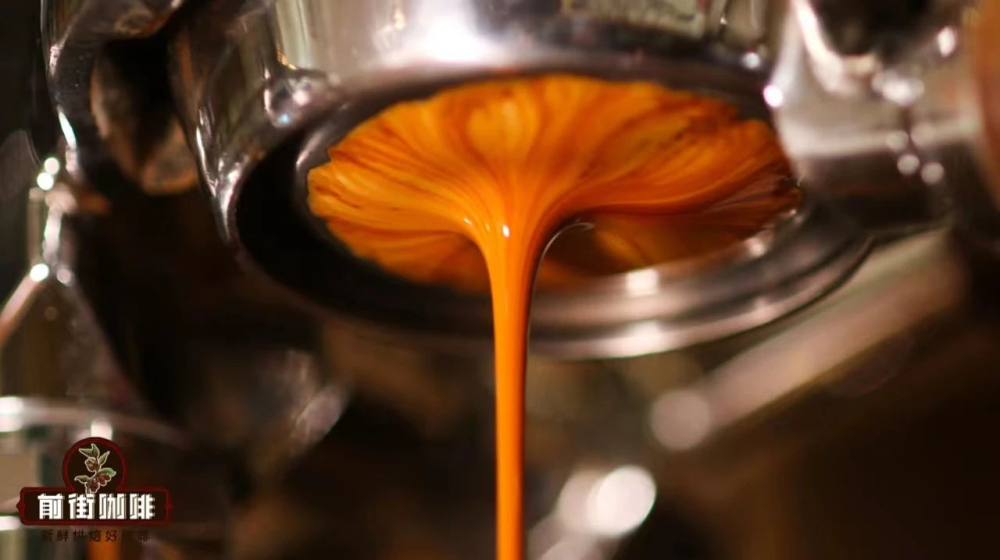
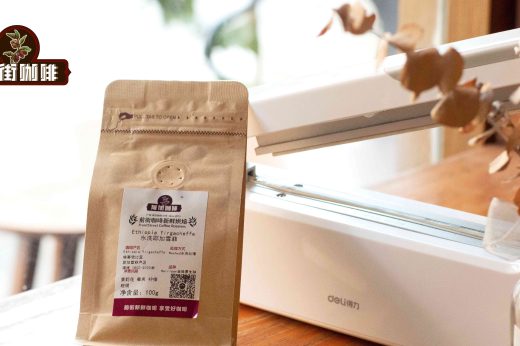
When choosing SOE coffee beans, freshness and roast quality are especially critical. Quality roasters usually control the roast curve to highlight the coffee's regional character while ensuring enough body to support milk-based drinks. Take the Yirgacheffe region as an example: the area is known for high-altitude cultivation and refined processing methods, and the coffees it produces often carry pronounced citrus, floral and tea-like notes, making them very suitable for SOE; especially with natural processing, the sweetness and fruitiness are more prominent.
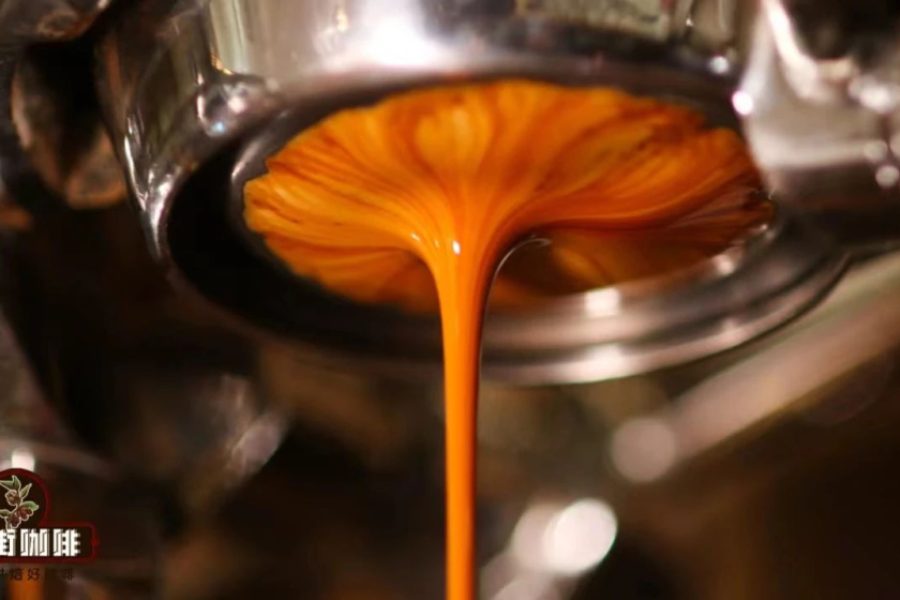
For enthusiasts new to espresso, Yirgacheffe SOE is an entry-level choice worth trying. These beans are usually medium roasted, retaining Yirgacheffe's signature bright acidity and fruity-floral character while having enough body to support espresso extraction. Test data shows that using 20 grams of coffee to extract 40 grams of liquid in 25 to 30 seconds, or 18 grams of coffee to yield 36 grams of liquid in the same time range, are both fairly ideal extraction parameters that balance concentration and flavor layers.
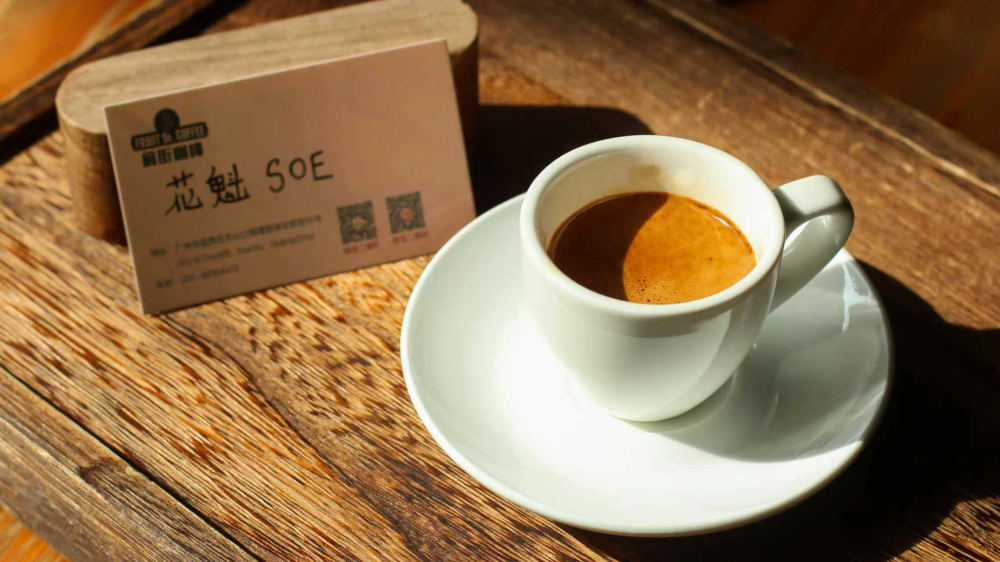
To make an iced americano, prepare about 120 grams of ice plus 120 milliliters of room-temperature water, then pour in 40 grams of espresso. If you prefer a hot drink, replace the water with 180 grams of warm hot water and likewise pour in 40 grams of espresso. This approach brings out Yirgacheffe's fruity-floral aroma and sweetness to the fullest; common flavor descriptions include citrus, jasmine, black tea and even a faint red pomegranate note, in sharp contrast to the heavy bitterness of a traditional americano, and overall fresher and livelier.
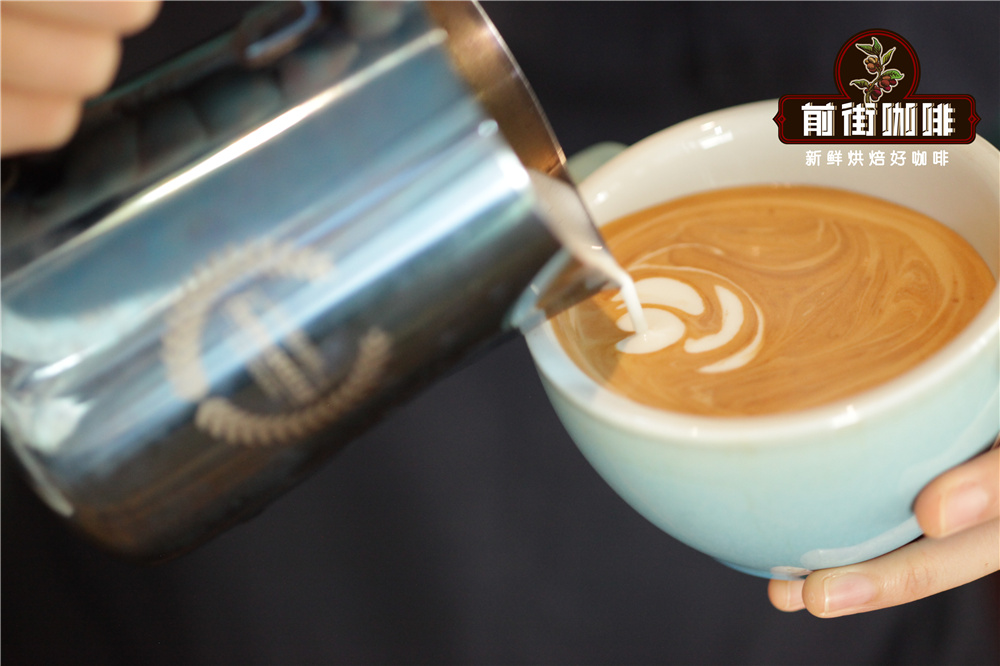
If you try making an iced latte, it is recommended to use 100 grams of ice with 150 grams of fresh milk, then pour in 40 grams of espresso. For a hot latte, you can first use the 40 grams of espresso as the base, then steam 200 milliliters of fresh milk to a dense microfoam, then combine and pour latte art. A latte made this way often has prominent sweetness, tasting like a combination of fruit and milk, with a faint honeyed and sugarcane-like sweetness; some batches also show berry acidity and a raisin finish, making the overall cup rich and memorable.
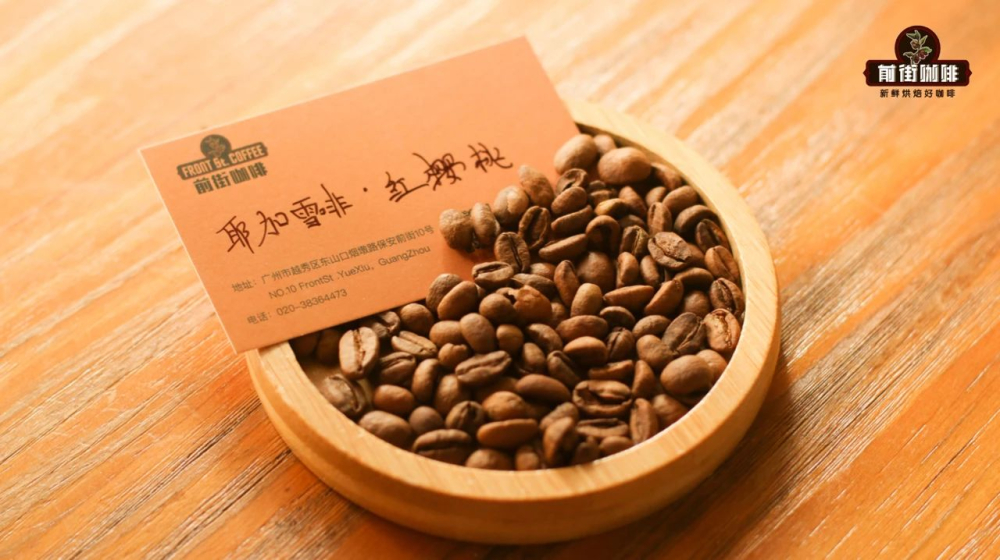
It should be noted that SOE extraction also has certain requirements for grind size and coffee-to-water ratio. A medium-fine grind, close to the standard espresso range, is usually recommended to ensure that water passing through the coffee bed fully extracts flavor compounds while avoiding the astringency or off-flavors caused by over-extraction. In addition, freshly roasted coffee beans are crucial to flavor performance; beans 5 days to 2 weeks after roasting are recommended, when the flavor is at its fullest and most active.
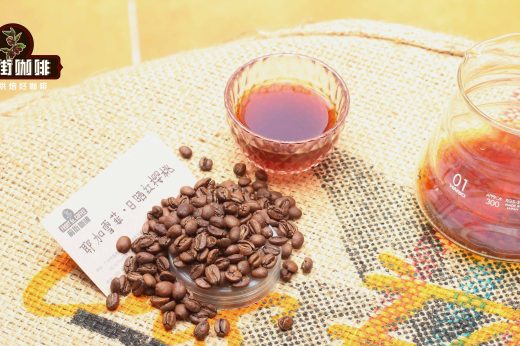
In practice, Yirgacheffe SOE is also suitable for pour-over. For pour-over, a medium-fine grind is recommended, with water temperature controlled at 90 to 93 degrees Celsius, and the coffee-to-water ratio adjustable between 1:15 and 1:16. Common brewing methods include a three-stage pour: first pour a small amount of hot water for blooming, then gradually pour in circles up to the target water amount, which helps fully reveal its fruity-floral aroma and clean sweetness. Compared with espresso extraction, pour-over better restores Yirgacheffe's delicate flavor layers, and is especially suitable for coffee lovers who enjoy a refreshing cup.
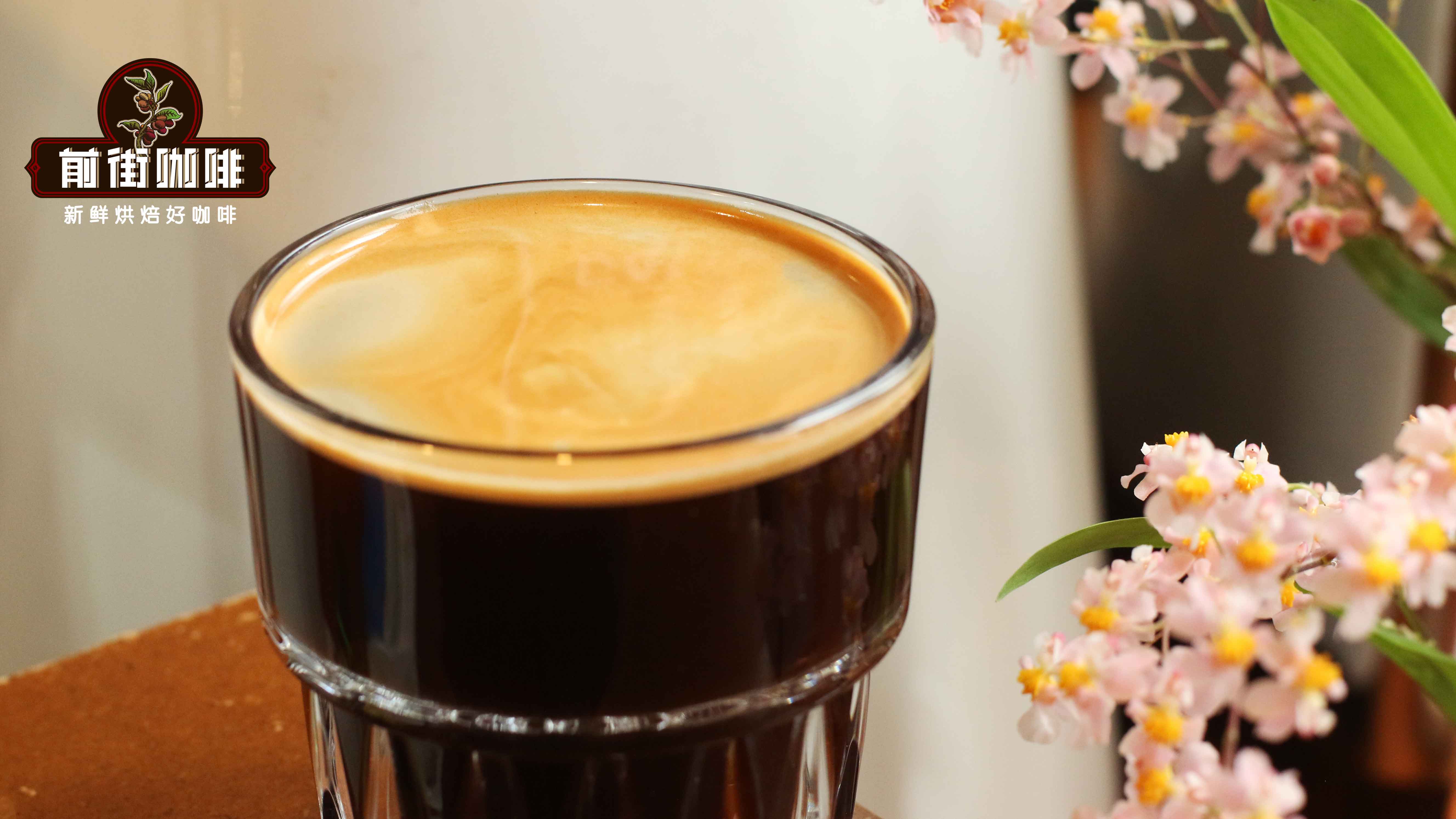
Overall, whether used as an espresso base or drunk directly as pour-over, Yirgacheffe SOE delivers a sensory experience completely different from traditional blends. Its bright acidity, clear fruity-floral aroma and moderate sweetness not only enrich coffee drinking occasions but also offer an excellent opportunity to explore single-origin terroir. With reasonable control of extraction parameters and freshness management, even coffee beginners can easily appreciate the unique appeal of SOE.