Yirgacheffe Washed G2 Ice Brew Guide: Pour-Over Parameters and Flavor Analysis
Introduction: Yirgacheffe Washed G2 is renowned for its bright citrus notes and floral and fruity aroma, but how can you preserve the bright acidity and layered complexity when ice brewing? This article details the ice extraction techniques for this classic Ethiopian bean, from grind size selection to water temperature control, providing quantifiable water temperature, coffee-to-water ratio, and pouring schemes, and analyzes the impact of the V60 dripper on extraction efficiency, helping you unlock a refreshing iced coffee experience.
The dry aroma of Yirgacheffe is often described as a vibrant fruity symphony—the sweetness of ripe strawberries, dried apricots, and dried mango intertwines, accompanied by a substantial dried fruit undertone. Once water is poured, the wet aroma turns to a softer caramel sweetness, resembling honey-soaked apricot nectar. On the palate, the acidity is as lively as lemon soda but not sharply pungent, with a medium body overall, likened by coffee enthusiasts to a 'garden blooming on the tongue.'
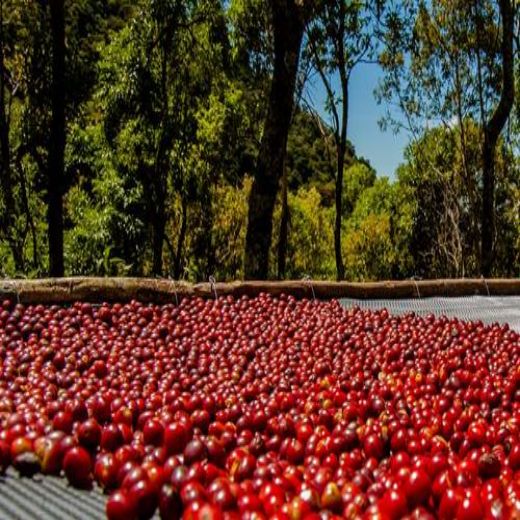
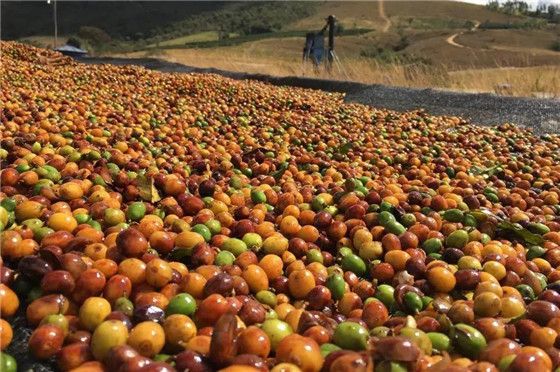
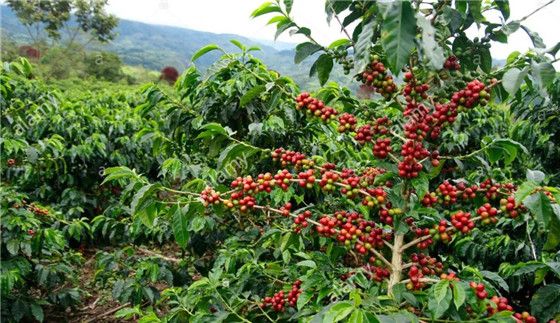
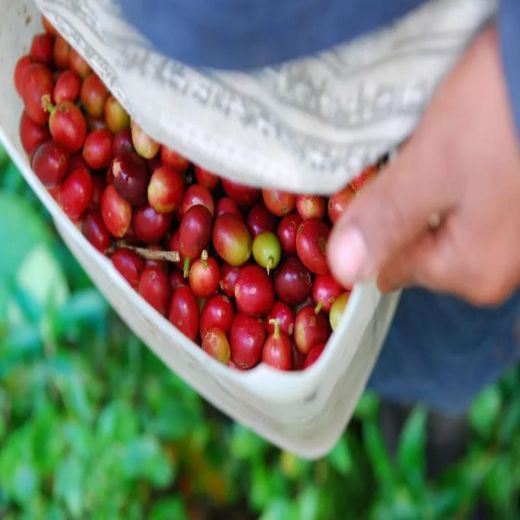
This washed G2 coffee bean from the Yirgacheffe region of Ethiopia is grown at an altitude of 2000-2100 meters, using local native coffee trees, and is processed with the traditional washed method to remove the mucilage, preserving a pure fruity acidity and floral base. Its flavor characteristics are extremely sensitive to grind size, requiring fine adjustment to balance sweetness, acidity, and body.
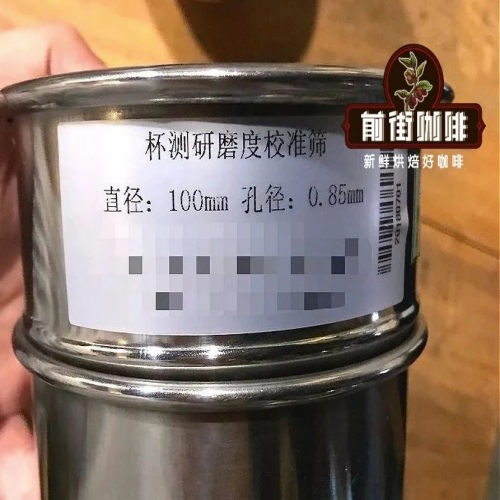
Coffee grinding is not a case of finer being better: the scale differences of the same brand of grinder may cause fluctuations in particle size, directly affecting the extraction rate. For high-acidity beans like Yirgacheffe, too coarse a grind leads to under-extraction and a thin flavor; too fine a grind easily causes over-extraction and bitterness. It is recommended to use the Chinese standard No. 20 sieve for testing; a fineness with about 80% passing rate is more suitable for ice brewing needs.
The core contradiction of ice brewing lies in the slow release of flavor substances at low temperatures, which needs to be compensated by adjusting other parameters. Experiments show that 90-91°C water temperature can gently stimulate fruity acidity without scalding the coffee grounds, and with a 1:15 coffee-to-water ratio (e.g., 15 grams of coffee to 225 milliliters of water), it ensures a balance between sweetness and acidity. If you desire stronger acidity, you can adjust to 1:16; if you prefer a fuller body, try 1:14.
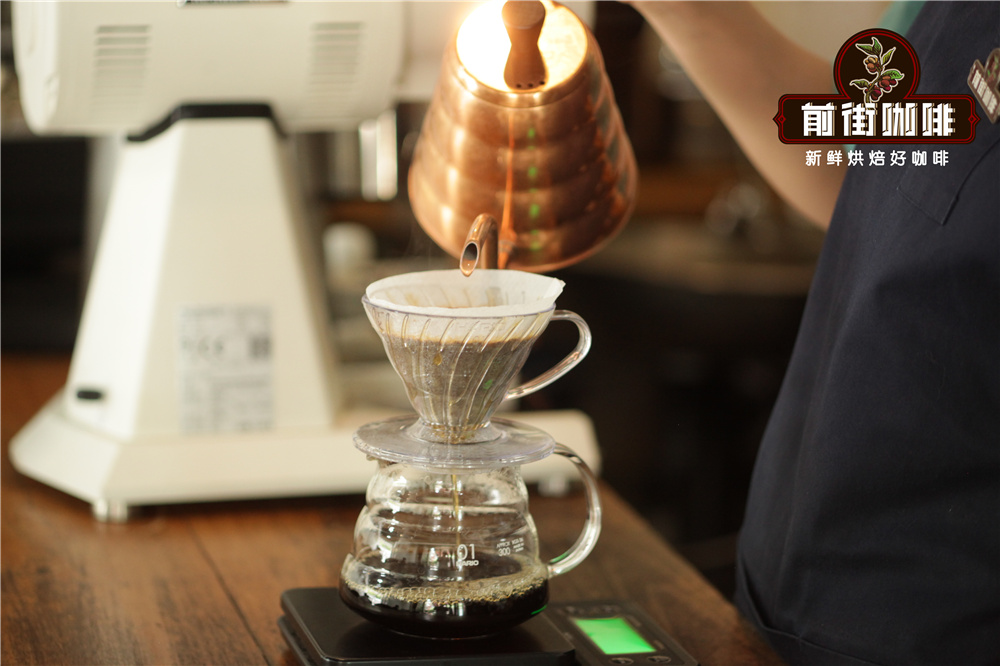
The V60 dripper's conical 60° structure is an ideal choice for ice brewing: its inner wall has clockwise spiral ribs extending from the bottom to the top, forming a uniform gap layer that allows water to quickly penetrate the coffee bed and avoid extraction stagnation caused by low temperatures. The large aperture design at the bottom further accelerates the water flow path, and combined with a fine grind, it can complete efficient extraction within 2 minutes and 10 seconds.
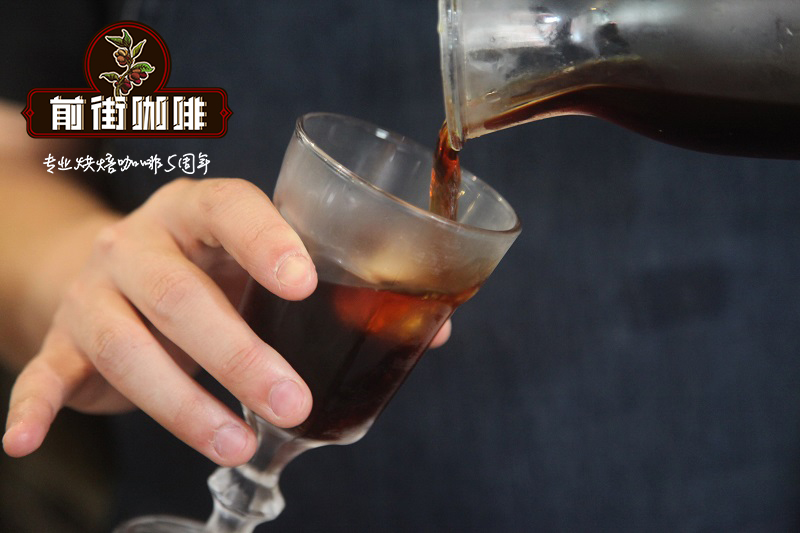
The specific operation suggestion is divided into three pours: first, pour 30 grams of hot water in a circular motion around the center, and let it bloom for 30 seconds to awaken the coffee grounds; then slowly pour 95 grams (total weight about 125 grams), continuing until about 1 minute, focusing on rinsing the edges of the coffee bed; finally, when the water level drops to 2/3 of the coffee bed, pour the remaining 100 grams (total weight about 225 grams), controlling the pouring to finish between 1 minute 40 seconds and 1 minute 45 seconds. The entire process should finish dripping within 2 minutes 00 seconds to 2 minutes 10 seconds.
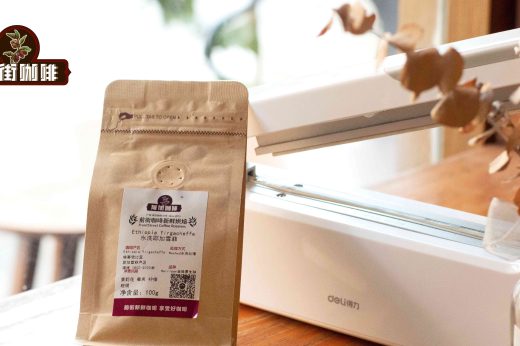
Common misconceptions include: using a coarse grind resulting in a weak flavor, or water temperature too low causing the citrus notes not to be fully released. If the brew tastes sour and astringent, try increasing the water temperature to 92°C or extending the bloom time to 45 seconds; if the sweetness is insufficient, check whether the grind is too coarse, or reduce the total water amount to 210 milliliters (1:14 coffee-to-water ratio). For storage, it is recommended to keep the coffee beans in a one-way degassing valve bag, sealed and protected from light, and ensure the bean temperature matches the ambient temperature before grinding.