Indonesian Mandheling Coffee Beans: Golden Mandheling vs Regular Mandheling and Brewing Guide
Introduction: Indonesian Mandheling coffee is known for its unique full-bodied taste, and Golden Mandheling is a popular choice among specialty coffee lovers. This article details the main producing regions and variety characteristics of Mandheling coffee beans, compares the differences between Golden Mandheling and regular Mandheling, and provides flavor performance and brewing parameter suggestions under different roast levels. Whether it's pour-over or other brewing methods, it helps you find the most suitable tasting method.
Mandheling coffee originates from the island of Sumatra, Indonesia, and is a highly representative coffee category there, often called Sumatra coffee. Besides Sumatra, this coffee is also produced on Java and Sulawesi, but Mandheling from Sumatra is the most outstanding in quality and widely praised by coffee lovers worldwide.
High-quality Arabica coffee from northern Sumatra is often marketed under the names Lintong and Mandheling. Lintong coffee specifically refers to a small producing area planted in the Lintong administrative district, the highlands southwest of Lake Toba, where the terrain is undulating and covered with fern vegetation, and the soil is mainly mineral-rich clay. Coffee farming in this area is mostly by smallholders, using shade-grown methods without chemical agents, maintaining a relatively natural approach from planting to harvesting.
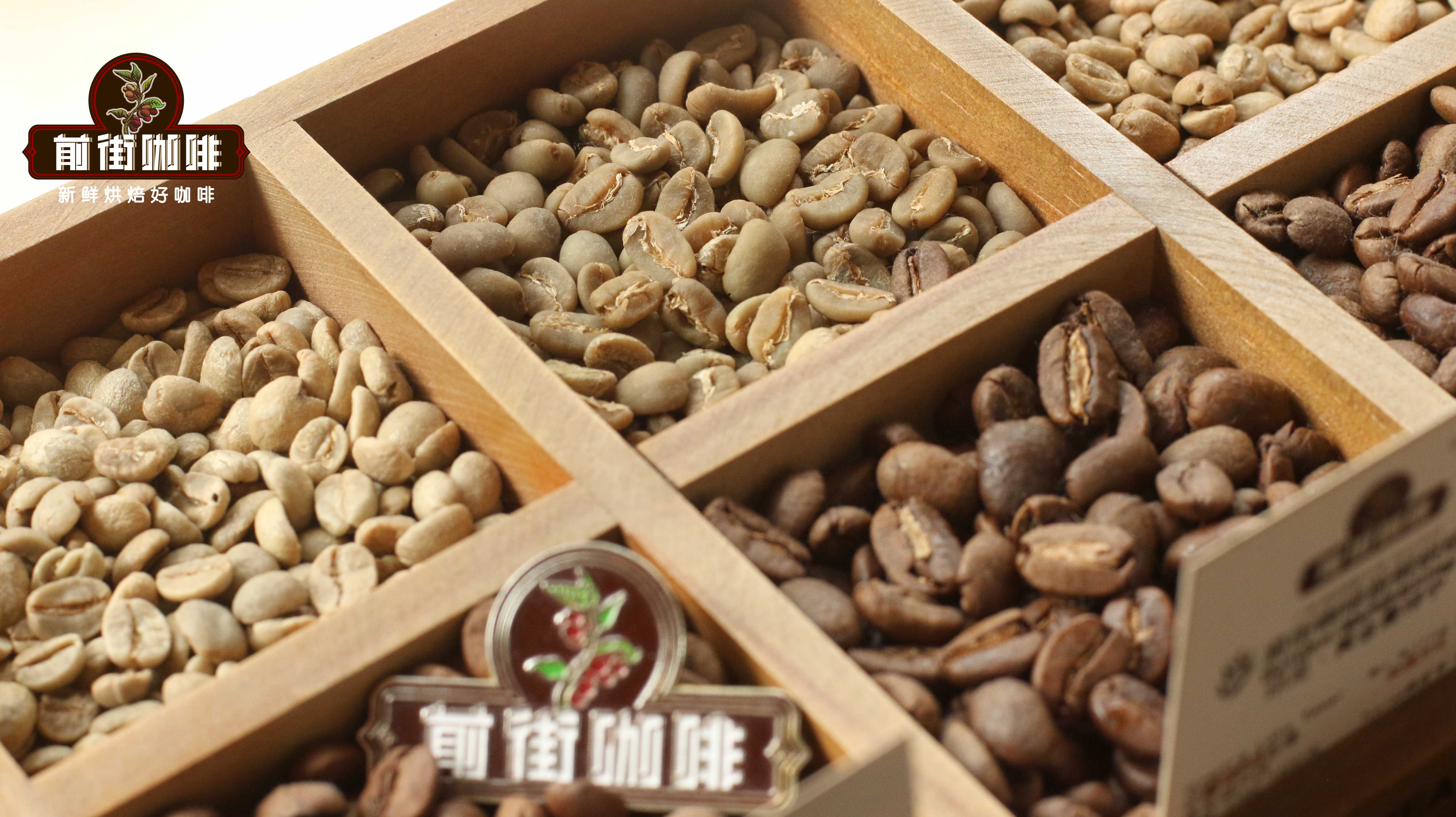
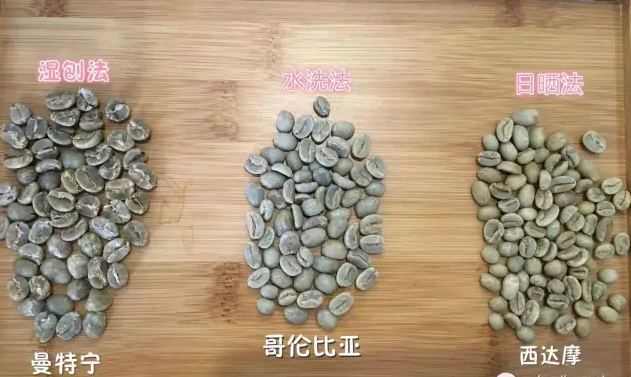
Sumatra coffee is most commonly processed using the wet-hulled method, a technique that gives the coffee its unique and intense flavor characteristics. The wet-hulled method not only speeds up the drying process but also to some extent shapes Mandheling's signature low acidity, full body, and earthy and woody notes. Among them, Golden Mandheling, due to its stricter screening standards, becomes the specialty representative of Mandheling.
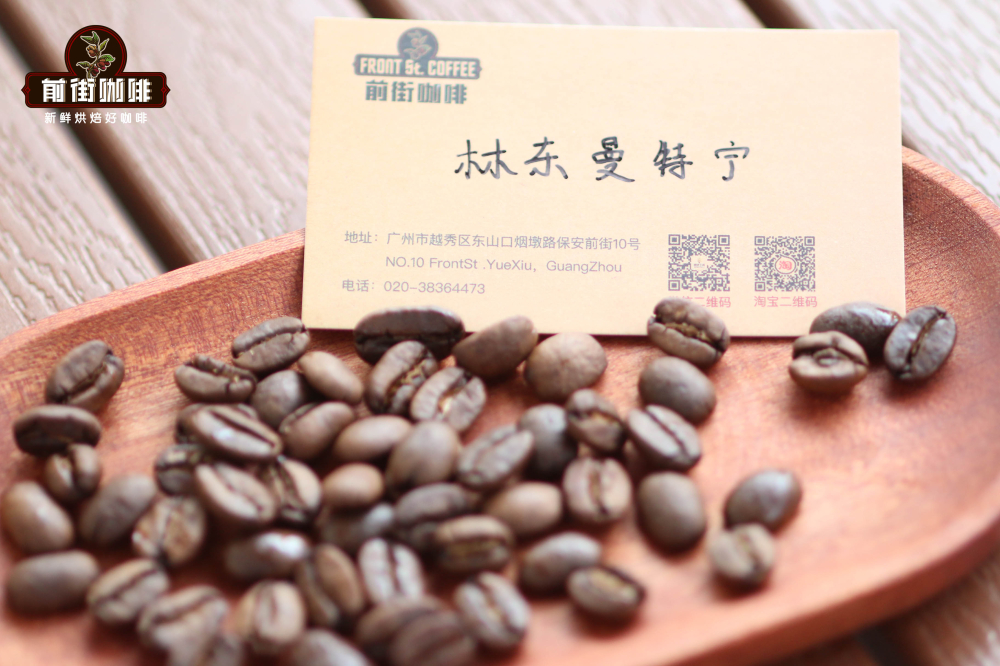
In Sumatra, common Mandheling coffee varieties include Timtim and Ateng, which are mostly hybrids with Robusta lineage, featuring thicker beans and strong flavor traits. Generally, Mandheling coffee's flavor is mainly nutty, chocolate, spice, caramel, and herbal, with low acidity, a full body, and rich layers.
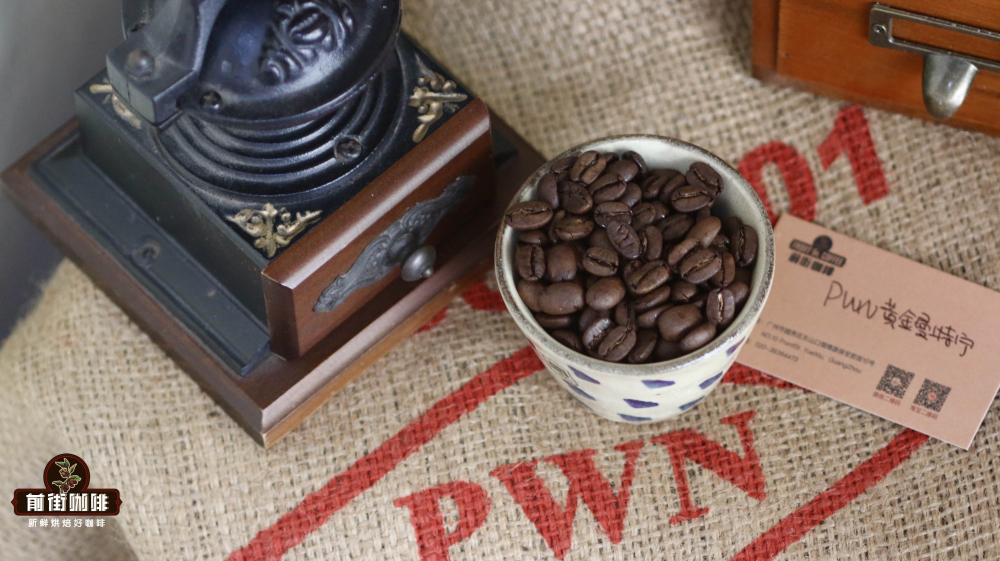
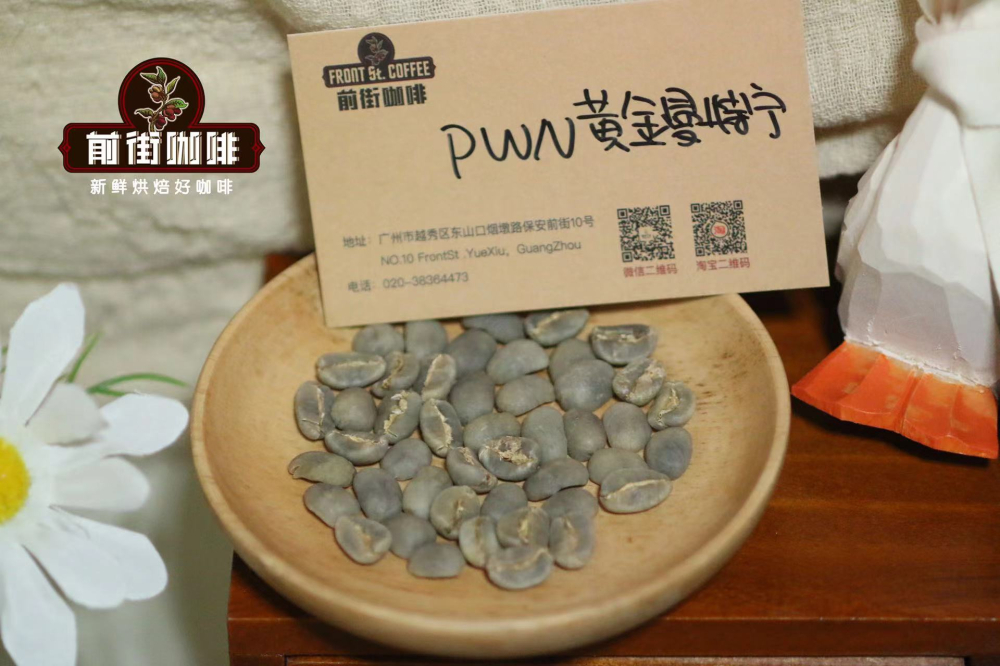
Golden Mandheling is produced in the Gayo Mountain area of Aceh, Sumatra, and is also processed using the wet-hulled method, but its quality screening is more stringent. Each batch of Golden Mandheling undergoes at least three rounds of hand sorting to ensure very few defective beans (no more than 3 in 300 grams of green beans), and the bean size reaches at least 18 mesh, belonging to the highest grade G1. Visually, Golden Mandheling is darker green, with plump beans mostly flat, and overall quality is more stable with a cleaner, more balanced flavor.
Compared to regular Lintong Mandheling, Golden Mandheling is more delicate in flavor, with obvious spice, pine, nut, and caramel notes, while regular Mandheling tends to present more intense, muted tones like toasted bread, herbs, and dark chocolate.
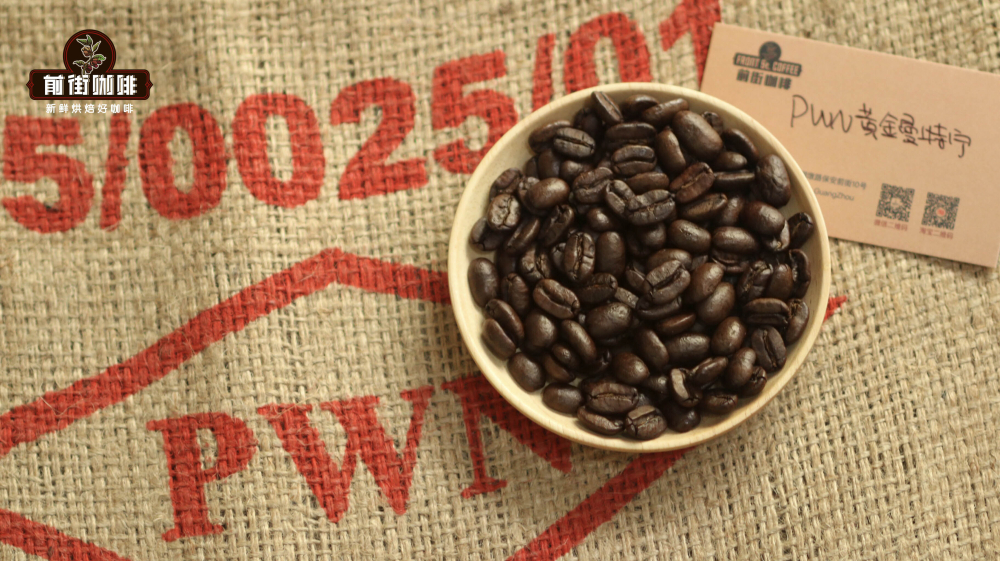
Roast level significantly affects Mandheling's flavor. Light roast (e.g., 80% passing through a No. 20 sieve, water temperature 90°C, water-to-coffee ratio 1:15) has more pronounced acidity, with fruity acidity and freshness, but overall smoothness is average, suitable for those who prefer a refreshing taste. Medium-dark roast (75% sieve passing rate, water temperature 88°C) offers better balance, moderate bitterness and sweetness, prominent chocolate and caramel flavors, along with a slight licorice aroma, making it one of the most popular roast levels. Dark roast (70% sieve passing rate, water temperature 86°C) is dominated by bitterness, with acidity almost gone; if heat control is poor, burnt or smoky notes can easily appear, suitable for those who prefer strong flavors.
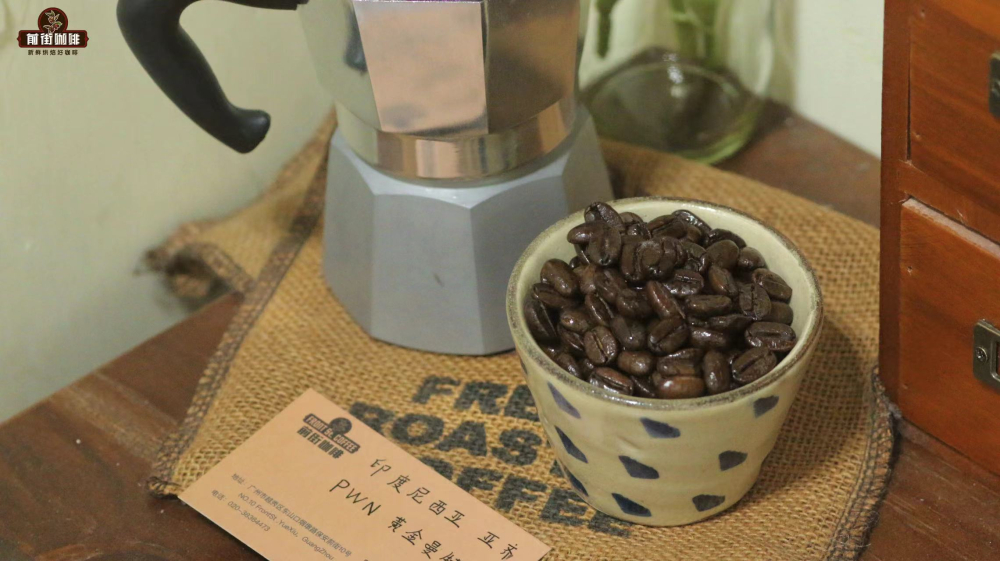
Note that the darker the roast, the more carbon dioxide is produced inside the beans, so it is recommended to rest the beans for 3 to 5 days after roasting to allow natural degassing before grinding and extraction, ensuring even extraction and avoiding excessive expansion or channeling.
The process flow of Sumatra's wet-hulled method is roughly divided into the following steps: First, after picking fully red ripe coffee cherries, quickly remove the skin and pulp, then put the parchment beans into a water tank to remove floating beans. Next, the dense parchment beans that sink are subjected to a short dry fermentation, generally 12 to 36 hours, which helps enhance flavor complexity. Then, the fermented parchment beans are sun-dried until moisture content drops to 30%-50%, after which the parchment is removed with a huller to accelerate evaporation of remaining moisture, finally controlling moisture content at around 12%-13%, completing subsequent hulling and grading.
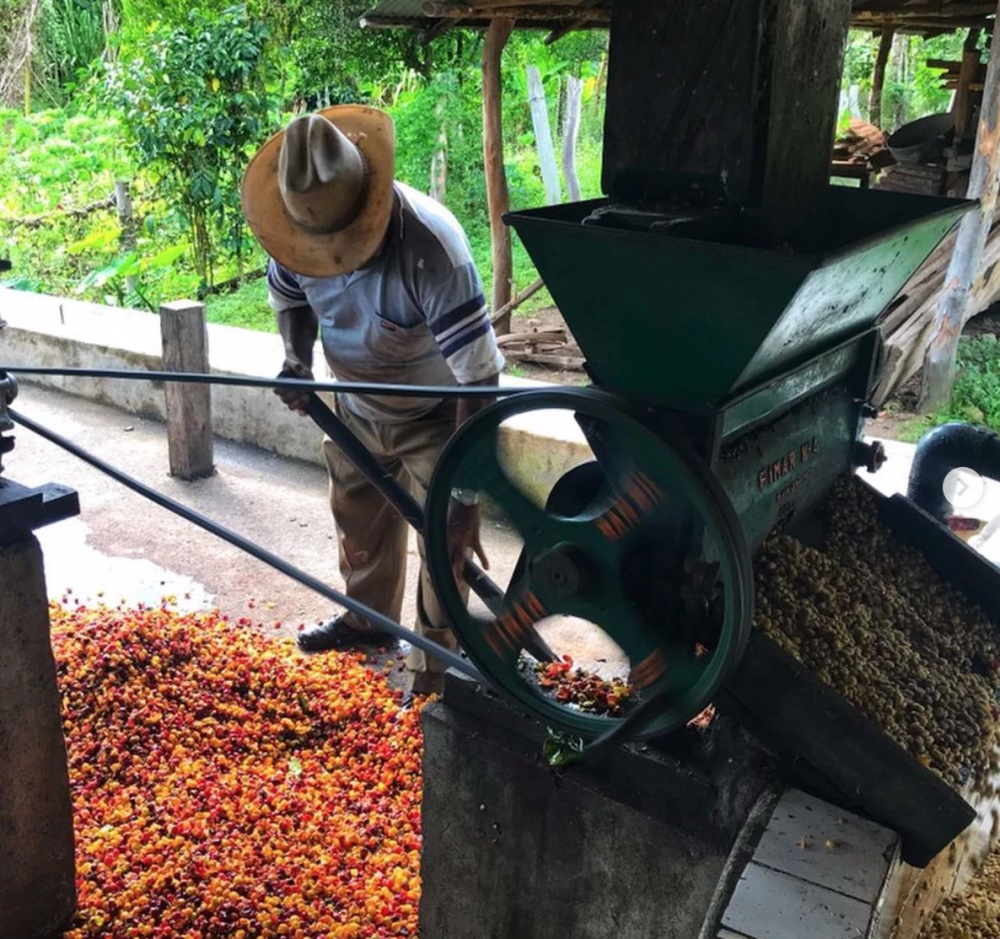
The biggest characteristic of the wet-hulled method is the mid-process removal of the parchment and silverskin and other external protective layers, making the beans more susceptible to environmental influences during drying, while also increasing contact with microorganisms, thus forming Mandheling's unique earthy, herbal, and woody aromas. However, this processing method also increases the risk of defective beans, so multiple strict hand sortings are required to ensure final product quality.
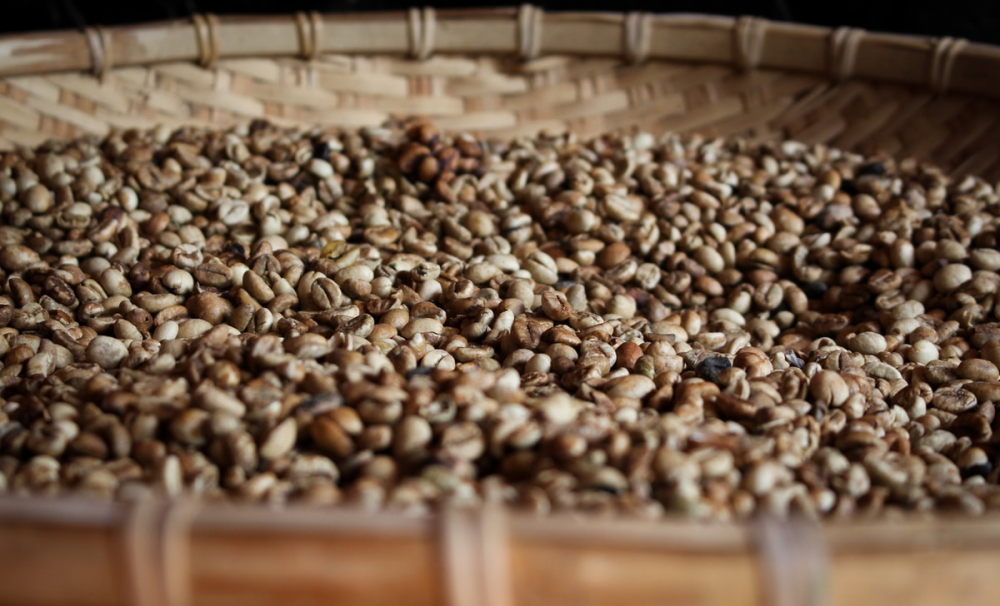
During wet hulling, because the beans are semi-hard and semi-soft, plus the friction and temperature rise (about 30°C-60°C) generated during hulling, cracks easily appear on the bean surface, forming defects resembling "goat's foot" shapes. Whether such beans affect flavor is currently inconclusive, but it is generally believed that keeping equipment clean and speeding up drying are key to reducing negative effects.
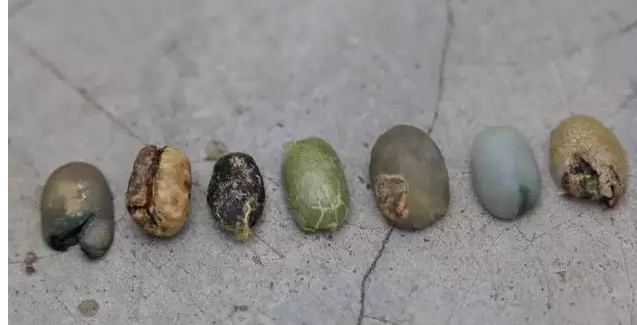
In summary, the wet-hulled method gives Mandheling coffee its unique flavor of low acidity, full body, and notes of chocolate, earth, and spice, but because it is prone to contamination during processing, it places higher demands on subsequent screening and drying.
Regarding the overall risks and resource consumption of coffee processing methods, it is generally believed that wet-hulled and natural methods have higher production risks but relatively lower equipment investment; washed and honey methods, while offering cleaner flavors, require more water resources and equipment support.
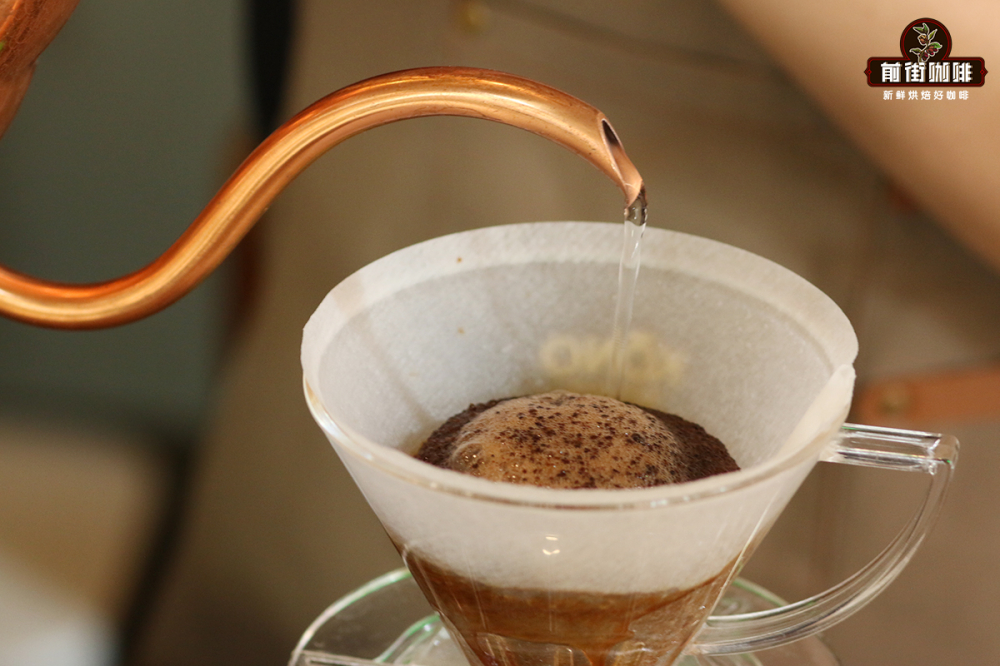
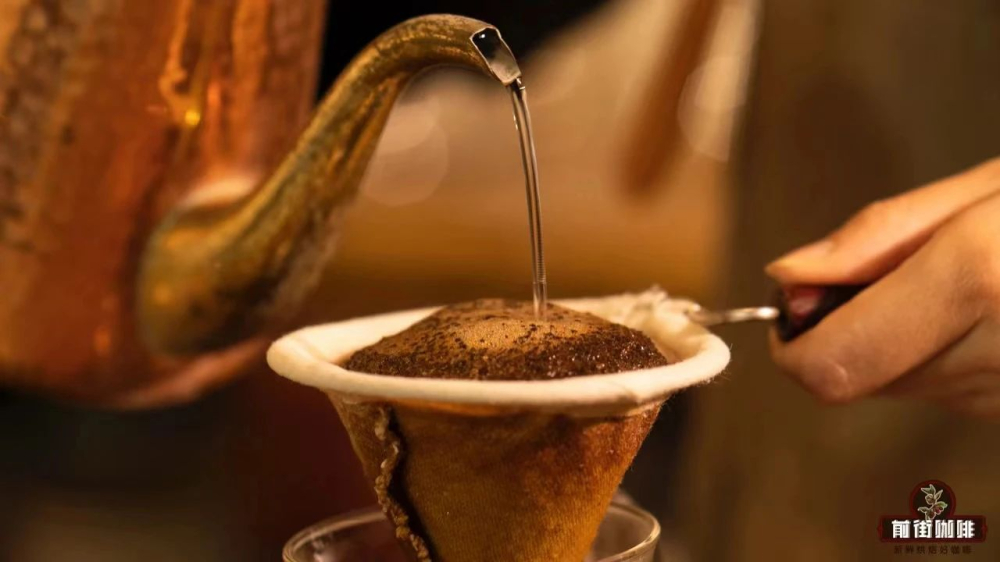
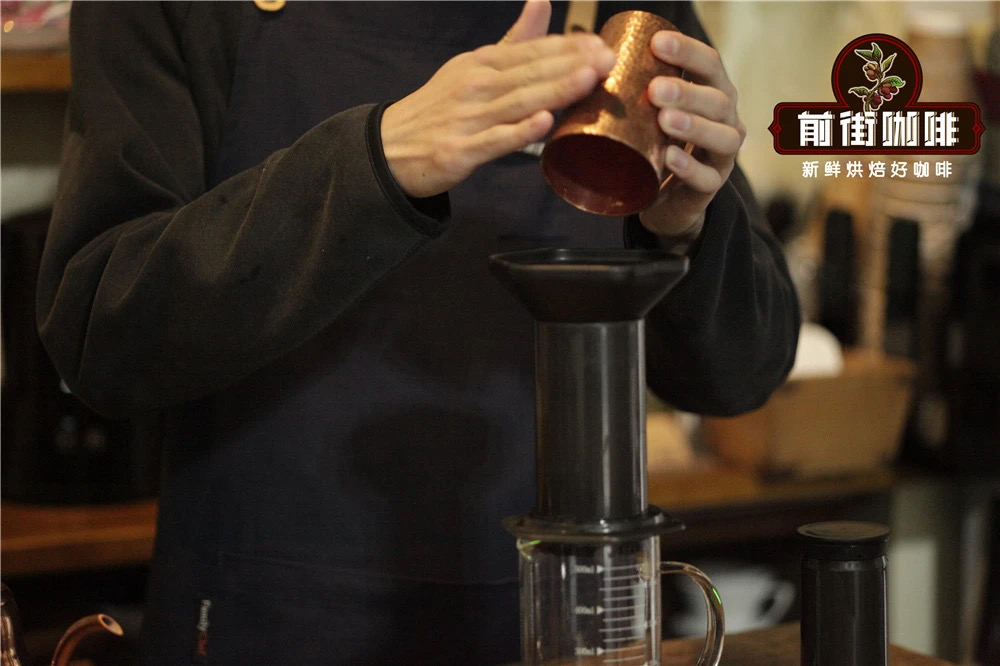
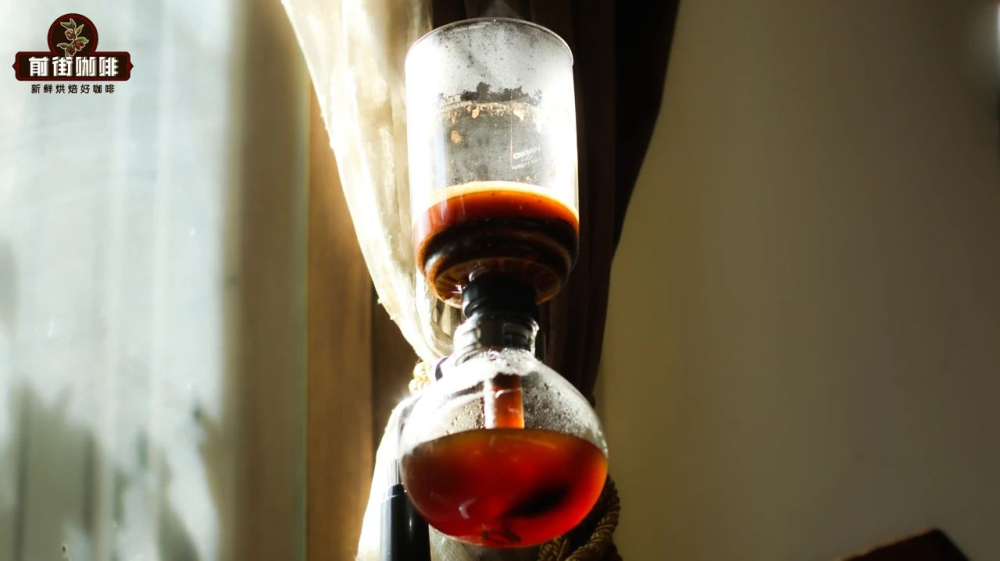
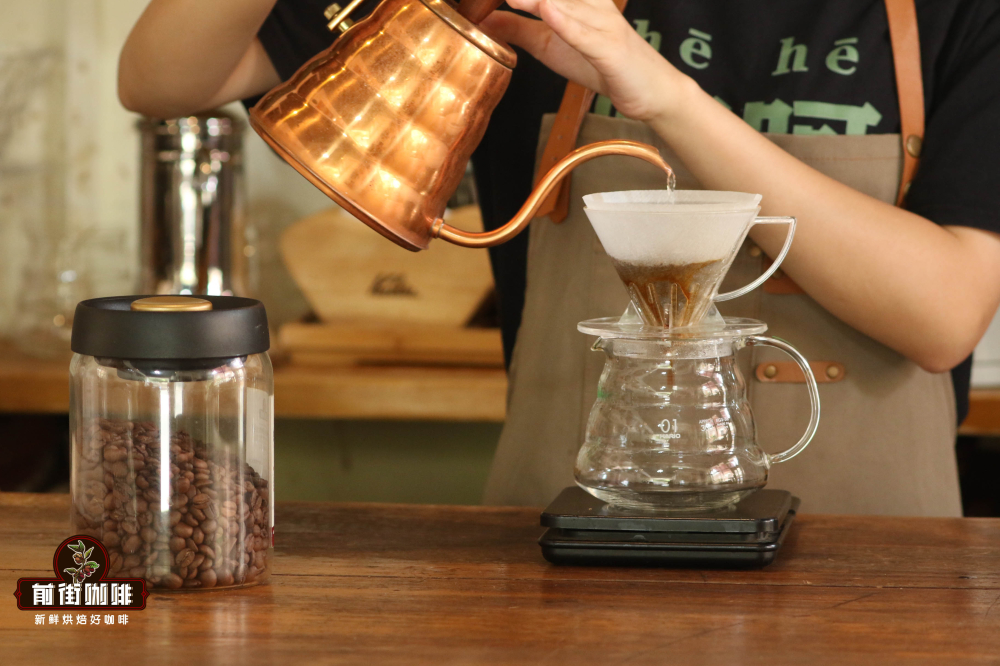
For brewing, Mandheling coffee is suitable for various devices. Taking medium-dark roasted Golden Mandheling as an example: pour-over (e.g., Hario V60, 88°C, medium-coarse grind, coffee-to-water ratio 1:15, bloom for 25 seconds) can reveal its rich layers of caramel and nutty finish; AeroPress brewing highlights spice and woody aromas; siphon brings a round, rich herbal and bittersweet balance; and French press expresses a full-bodied and smooth texture. However, siphon and French press can easily cause over-extraction if not operated properly, leading to prominent astringency; beginners are advised to try pour-over and AeroPress first.
In short, understanding Mandheling's producing regions, processing methods, and roast levels, and mastering brewing parameters for different devices, can help you better experience the unique charm of this classic Southeast Asian coffee.