Colombian Coffee Bean Roasting Guide: Medium-Dark Fit & Flavor

Introduction: An in-depth exploration of the flavor characteristics and roasting suitability of Colombian coffee beans, detailing how medium-dark roasting highlights their rich base of nuts and dark chocolate. It also analyzes the impact of processing methods such as washed and natural on flavor, providing a complete flavor map from light to dark roast to help you choose the best roast level and brewing method based on your drinking preferences.
Thanks to its exceptional geographical environment, Colombia cultivates coffee beans with rich layers of flavor. Its coffee typically displays a full-bodied base, accompanied by the mellow aroma of nuts, the intensity of dark chocolate, and soft fruity acidity—traits that make it a frequent choice in espresso blends. Growing regions are distributed along the three vertical "river-like" ridges of the Andes; areas at elevations of 800 to 2,300 meters, with mineral-rich volcanic ash soil and moderate sunshine regulated by cloud and mist, provide ideal conditions for Arabica coffee.

As the world's third-largest coffee producer and largest exporter of Arabica, Colombia borders Brazil to the north and Panama to the northwest. Its unique microclimates allow harvesting throughout the year, with coffee varieties at different elevations ripening in succession, and busy picking scenes commonly seen in the mountains. The washed processing method is widely used locally, mostly on family farms equipped with dedicated depulping equipment. During processing, the coffee cherries are machine-depulped to remove the skin and pulp, with only a small amount of water needed to remove most of the mucilage; the remaining mucilage layer loosens through overnight fermentation, and finally the beans are rinsed with clean water and dried to the appropriate moisture content.

The market currently offers Colombian coffees produced with various innovative processing methods, but to understand the essential flavor of this origin, one still needs to start with the basic washed and natural processes. The washed method significantly reduces defect rates, better preserves the coffee beans' original flavor characteristics, and delivers a cleaner cup. For example, the Huila region at elevations of 1,700–2,100 meters, with its stable equatorial climate and volcanic soil advantages, has become a representative of high-quality washed coffee. This area is far from oceanic moisture interference, has a mild climate year-round, and, together with dense hilly terrain, creates a unique micro-environment for coffee tree growth.

For washed coffee beans from the Huila region, medium-dark roasting can fully bring out their classic rich traits. This roast level balances acidity and bitterness, making the core flavors of nuts and dark chocolate more prominent. By contrast, some specialty regions—such as high-elevation plots in Huila—have produced coffees in recent years often used in international competitions, with more diverse flavor expression. Taking medium roast as an example, this kind of roasting preserves more floral and fruity aromas and is suitable for various brewers such as the moka pot and pour-over, offering broad adaptability.

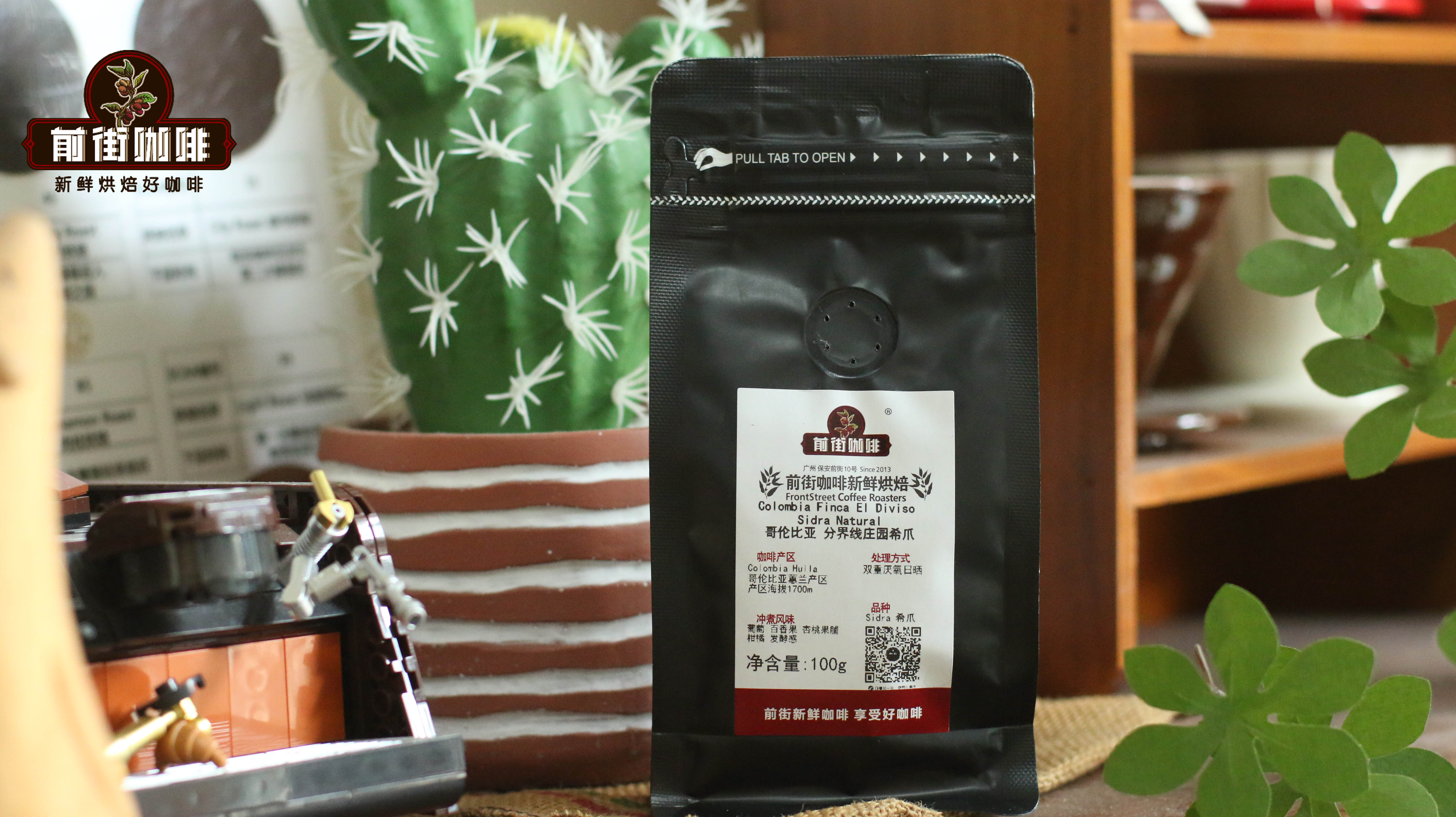
It is worth noting that coffees with certain special processing methods require precise brewing parameters to show their best flavor. For example, the anaerobic natural Finca El Diviso Sidra coffee, after deep fermentation, has complex layers of sweet-and-sour character, with common flavors including fruit elements such as grape, passion fruit, and apricot, accompanied by chocolate and red wine aromas. However, because its fermentation is relatively deep, home brewing can easily result in insufficient flavor reproduction, so parameters must be strictly controlled: a dose of 15 g is recommended, with a coffee-to-water ratio of 1:15, water temperature of 92°C, and a grind close to fine granulated sugar (about 9.5 on an Ek43 grinder, with a 75%–80% passing rate through a No. 20 sieve).
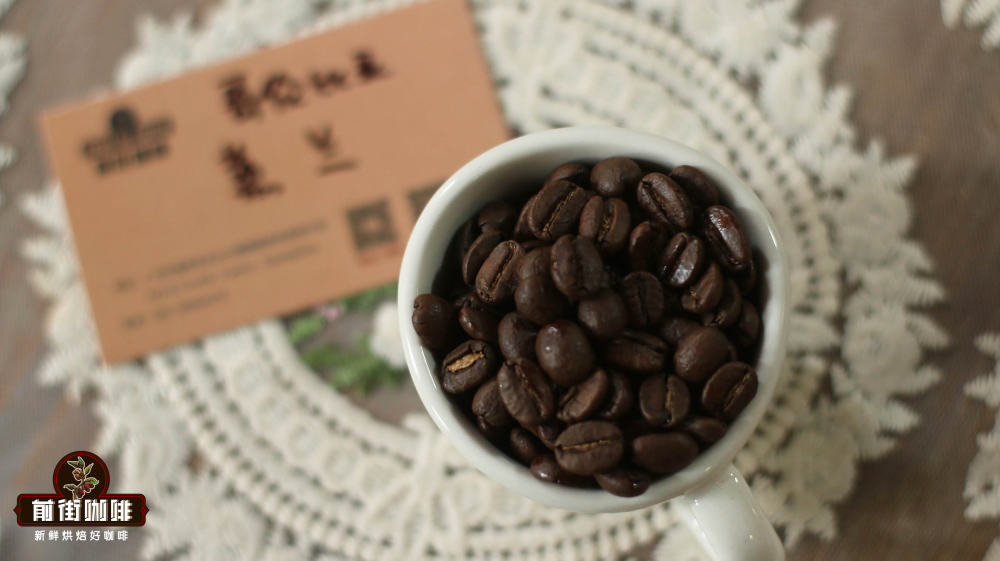
The brewing can be carried out in three stages: first, pour in water at twice the dose for a 30-second bloom to release gases; then, using a moderate stream, pour 120 ml of hot water in a large circular motion (be careful to control the flow rate to prevent over-extraction); finally, pour 75 ml of hot water in a small circle at the center of the coffee bed to complete extraction, with the total duration controlled at about 2 minutes. This method highlights a refreshing sweet-and-sour sensation like grape juice; if switched to iced pour-over, the bitterness is lower and the flavor is closer to concentrated fruit juice. By adjusting roast level and brewing parameters, you can fully unlock the diverse flavor potential of Colombian coffee, from rich to refreshing.