Sulawesi Toraja Coffee Review: A Sweet, Silky Pour-Over Choice from Wet-Hulling
Introduction: Coffee beans from the Toraja region of Indonesia's Sulawesi island are often undervalued, yet they possess a uniquely sweet, mellow mouthfeel and complex flavors. This article takes a deep look at the growing history, processing methods, and flavor characteristics of this Grade 1 organic wet-hulled coffee, and explains why seasoned coffee lovers recommend it as an advanced choice for pour-over brewing.
Sulawesi Coffee is known for its full body and silky texture. This rare coffee bean comes from century-old coffee trees on plantations in the island's ancient Toraja region. Locals know it better as Celebes Kalossi Coffee, a name that traces back to the island's old Dutch name. Notably, many surviving coffee trees are over 250 years old, and their cultivation history predates the arrival of Dutch colonizers.
Compared with Sumatra Mandheling from the same region, Sulawesi coffee is lighter—noticeably less spicy, with softer layers of flavor—but its annual output is extremely limited. As the world's fifth-largest coffee producer, Indonesia has a coffee-growing history full of legend. Although the exact time of coffee's introduction is hard to verify, it is generally believed that after Dutch colonizers first successfully trialed planting in Jakarta in the 17th century, they gradually spread coffee trees to various islands, including Sulawesi (then called Celebes).
This legendary coffee estate in the Tana Toraja region of Sulawesi was originally established by the Dutch Van Dijk company and was taken over by the state after Indonesia's independence. After decades of natural succession, the Kapal Api group took over in 1987 for systematic renovation. Currently, 700 of the estate's 1,200 hectares are devoted to coffee, grown under strict Grade 1 organic certification standards. The complete processing flow includes flotation sorting, pulping, 24-hour temperature-controlled fermentation, rinsing with clean water, soaking, and 14-21 days of raised-bed drying.
This Grade 1 organic certified wet-hulled coffee actually comes from the Rantekarua estate near the village of Toraja Utara. Because the growing area is narrow and management is strict, very little reaches the market. But for coffee lovers seeking distinctive flavors, its unique herbal aroma, dark chocolate finish, and pronounced caramel sweetness create a highly recognizable taste experience—an ideal choice for coffee explorers.
The core production area is located in Tana Toraja, where the high-altitude environment (1,500-1,700 meters) and volcanic soil provide excellent conditions for coffee growing. The processing stage uses Indonesia's signature wet-hulling method (Giling Basah), which accelerates drying by partially removing the parchment layer, preserving the full-bodied depth of wet processing while creating a distinctive regional flavor.
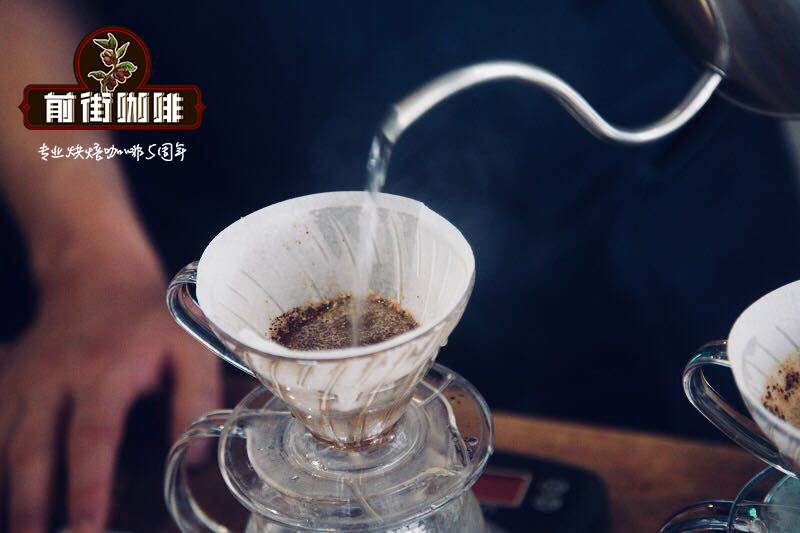
The varietal makeup is mainly the disease-resistant Catimor, supplemented by traditional varieties S795 and Typica; this combination ensures yield stability while enriching flavor complexity. For home brewing, a medium-fine grind (similar to fine sugar) is recommended, paired with 90-93°C water; a staged extraction method better highlights its bright acidity and silky body.


