Dehong Yunnan Coffee Beans: Hand-Brew Flavor Profile and Growing & Processing Guide
Introduction: Dehong, one of the core production areas for Yunnan small-bean coffee, produces specialty beans with distinctive flavors thanks to its unique geographical environment. This article provides an in-depth analysis of the current state of Dehong coffee's entire industry chain, from cultivation to processing, reveals the quality secrets behind its recognition by international brands, and offers hand-brew extraction parameter suggestions along with detailed flavor and mouthfeel descriptions, helping you fully understand the coffee charm of this treasure production area.
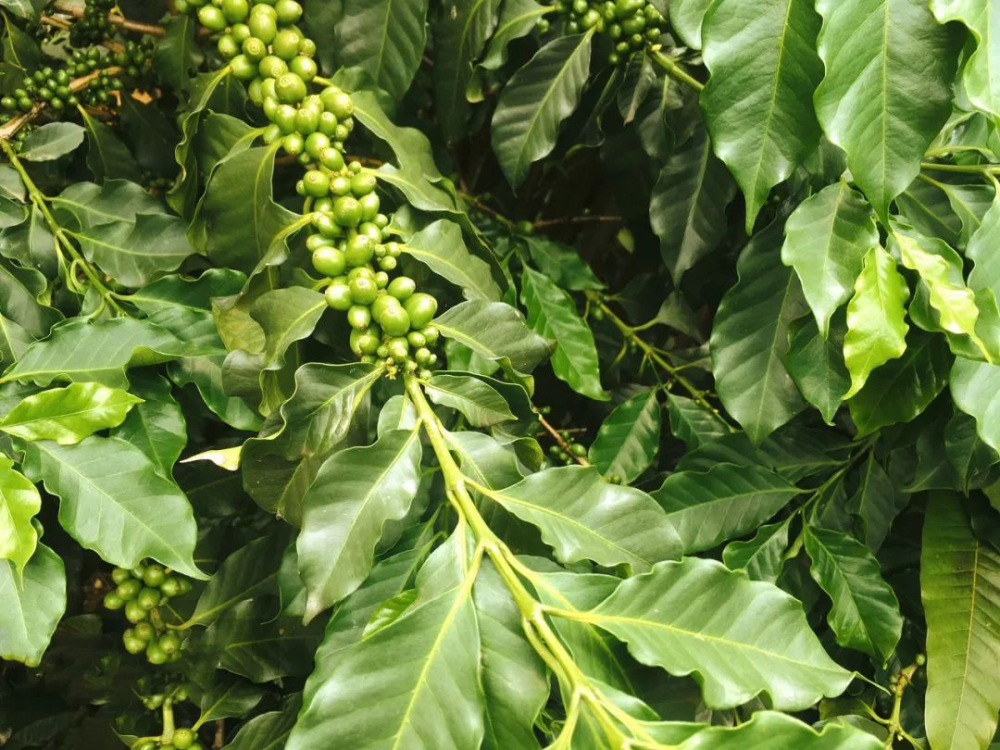
The natural conditions of Dehong Dai and Jingpo Autonomous Prefecture are ideal for coffee cultivation. High altitude, abundant sunshine, and significant day-night temperature differences together create the unique style of Yunnan small-bean coffee: rich aroma and prominent body. Coffee here not only has quality endorsement from international coffee giants such as Nestlé and Starbucks, but also occupies an important position in the specialty coffee field with its stable flavor performance.
Dehong is one of the earliest regions in China to introduce coffee. As early as 1914, coffee seedlings were introduced from Myanmar and trial-planted in Ruili. Although farm introduction attempts in the 1960s were unsuccessful, after reform and opening up, with the advancement of Yunnan Province's "18 Biological Engineering" and especially the 1998 issuance of the "Opinions of the Yunnan Provincial People's Government on Accelerating the Development of the Coffee Industry," Dehong's coffee industry entered a period of rapid development.
Local coffee cultivation is driven mainly by the leading enterprise Hogood Company. By the end of 2016, Dehong Prefecture's coffee planting area accounted for 20% of the national total, and it has the country's only "Ministry of Agriculture Ruili Coffee Germplasm Resource Nursery." In addition, Dehong has established research institutions such as a leading-scale coffee engineering technology research center. Data from 2016 show that Dehong Prefecture's coffee planting area reached 220,000 mu, helping about 60,000 households and nearly 300,000 farmers increase income, with agricultural output value exceeding 1 billion yuan and industrial output value reaching 1.5 billion yuan, forming a full industry chain system covering cultivation, processing, and marketing.
In the processing stage, Hogood Company plays a key role. Starting in 2004, the company began planning research and development of coffee series products and formally entered the coffee industry. In 2007, it started construction of an instant coffee powder plant. It has now built 5 primary processing plants, with primary processing capacity reaching 80,000 tons of coffee green beans per year. In September 2008, Hogood's first production line with an annual output of 3,000 tons of pure instant coffee powder was fully put into operation.
In November 2009, Hogood began construction of an instant coffee production line with an annual output of 10,000 tons. The project was completed on May 27, 2011, and after debugging gradually went into production in September of the same year. The production line is located in the Padi area of Mangshi Industrial Park, covers 240 mu, and involves a total investment of 463 million yuan (including 300 million yuan in fixed asset investment); after production, output value can reach 800 million yuan. The project includes 3 instant coffee production lines and has an annual production capacity of 10,000 tons of instant coffee, specifically including 2,000 tons of spray-dried instant coffee, 4,000 tons of freeze-dried instant coffee, and 4,000 tons of agglomerated granulated instant coffee; it is also equipped with a production line for 300 cans per minute of canned coffee beverages. Hogood Company's deep processing technology is mature, and its main products include coffee beans, instant coffee powder, and the Hogood series "three-in-one" coffee.
Hogood Company products have passed multiple international certifications, including ISO9001:2008 international quality management system, GAP certification (Good Agricultural Practice), 4C (Common Code for the Coffee Community), UTZ (international quality coffee), HACCP (food safety management system), green food, and organic food conversion certification, with a complete quality assurance system.
Starting in 2010, Dehong coffee achieved significant breakthroughs in both export and domestic markets. The domestic market mainly sells to first-tier cities such as Shanghai, Beijing, Shenzhen, and Hangzhou; the international market covers 23 countries and regions including Germany, the United Kingdom, Spain, South Korea, Singapore, Japan, and the United States, making it a representative Yunnan coffee production area with global influence.
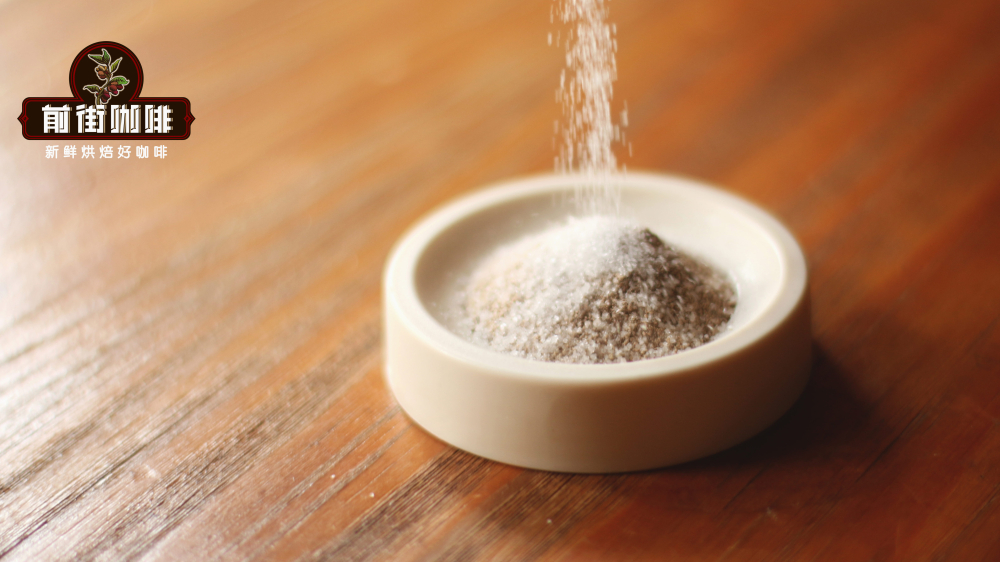
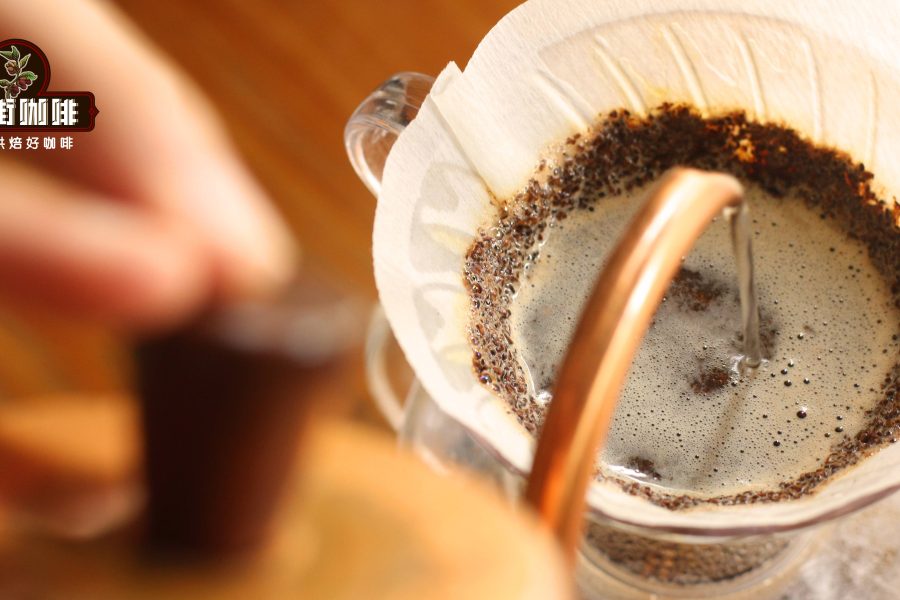
For coffee lovers, Yunnan small-bean coffee from Dehong shows bright fruit acidity, moderate body, and a unique nutty and caramel finish when hand-brewed. Recommended hand-brew parameters are: coffee-to-water ratio 1:15 to 1:16, grind size close to medium-fine (such as granulated sugar particle size), and water temperature controlled at 90-92°C. During brewing, a three-stage pouring method can be used: in the first stage, pour a small amount of hot water and bloom for 30 seconds to awaken the coffee grounds; in the second stage, slowly pour to half the total water amount to ensure even extraction; in the final stage, pour the remaining water to complete the brew. The total extraction time is recommended to be between 2 minutes 10 seconds and 2 minutes 30 seconds. This better highlights the regional flavor characteristics of Dehong coffee and brings a richly layered drinking experience.


