Bourbon Coffee Varieties Explained: Red, Yellow, Pink Bourbon and Brazil's Flavor Guide
Introduction: From classic Bourbon to rare Pink Bourbon, this guide systematically introduces the differences and flavor characteristics of the three popular varieties in the Bourbon family. It also provides in-depth insight into the core differences among Brazil's four main coffee processing methods and the terroir features of the country's eight major producing regions. Whether you are a coffee enthusiast or a professional, you will gain key techniques for selecting high-quality Bourbon beans and knowledge of the producing regions.
As the world's largest coffee producer, Brazil's coffee cultivation elevations generally range between 600 and 1,200 meters, a natural condition that has led to the development of a unique coffee grading system. When discussing specialty coffee, the Bourbon variety and its derivatives always hold an important place—from the common Red Bourbon and Yellow Bourbon to the rare Pink Bourbon, these related varieties each exhibit unique flavor profiles.
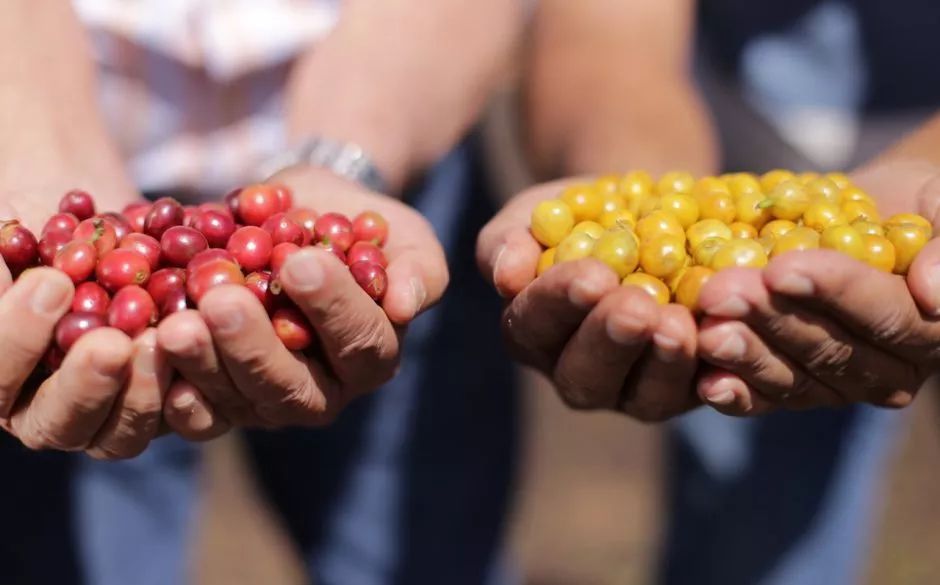
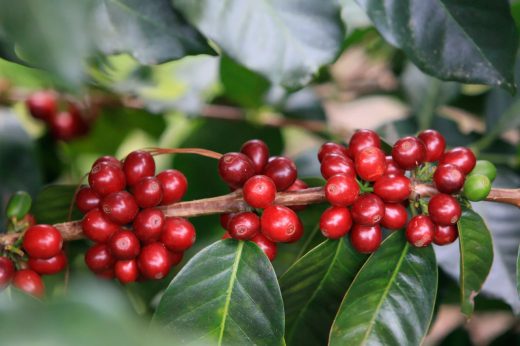
The Bourbon variety originated on Réunion Island (formerly known as Bourbon Island) and is a natural mutation of the Typica variety. As one of the oldest existing coffee varieties, its green cherries turn bright red when ripe. Notably, what we commonly call Bourbon actually refers to Red Bourbon—when the coffee cherry undergoes the complete color change from green to pale yellow to orange to red to deep red, this is the typical expression of the Bourbon variety. Red Bourbon grown at high altitudes often displays richer aromatic layers, with its bright acidity and wine-like mellow finish forming a unique balance.
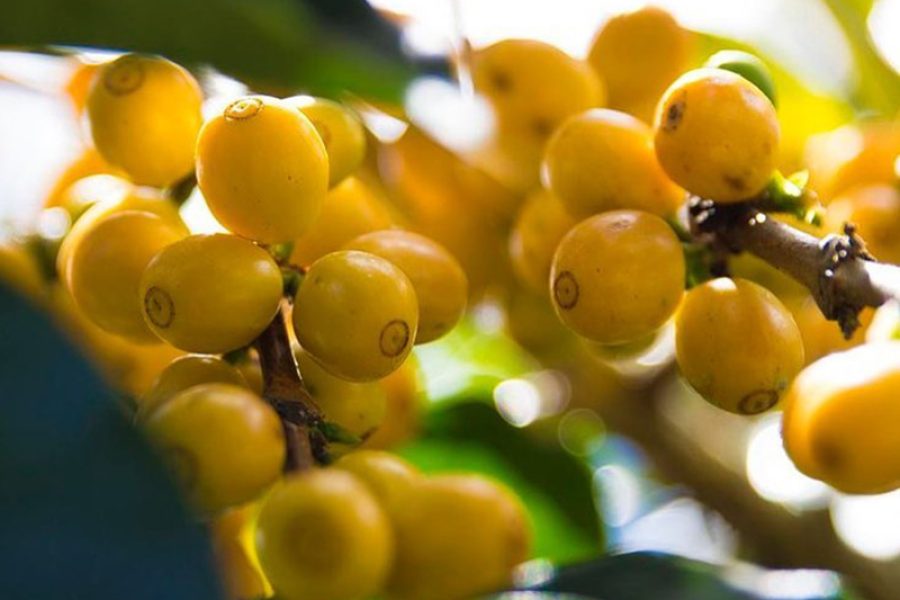
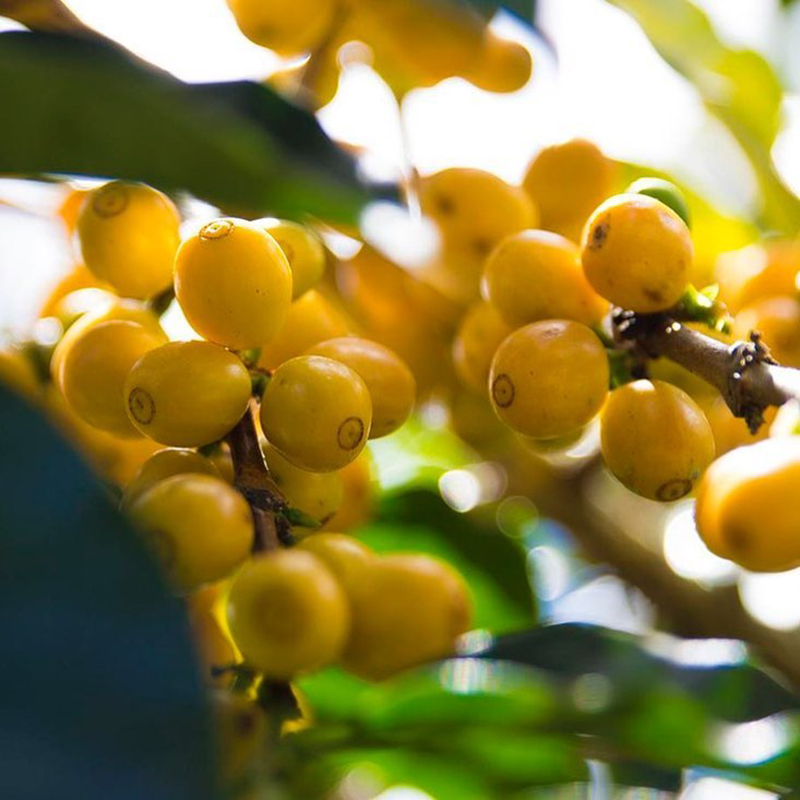
Yellow Bourbon is a cross between Bourbon and a Typica mutation, first discovered and cultivated in Brazil. The ripe cherries of this variety are a rare golden yellow, and its main growing area remains concentrated in Brazil. Its flavor profile is characterized by prominent nutty notes, balanced acidity, and soft sweetness, with complex aromas of chocolate and roasted nuts. Due to lower yields and weaker stress resistance, Yellow Bourbon requires more meticulous cultivation management, but at high altitudes it can produce highly distinctive specialty coffee.
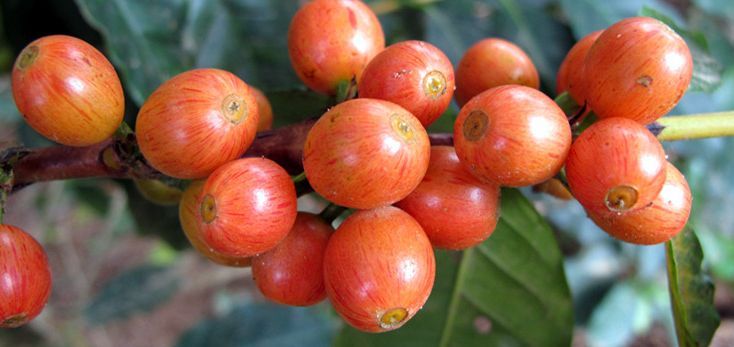
Pink Bourbon, a rare variety that has gained attention in recent years, was developed by crossing Red Bourbon and Yellow Bourbon. Its name comes from the romantic pink color of the ripe coffee cherries, but stable inheritance of this color is extremely challenging—recessive genes in the pollen can cause the fruit to exhibit orange variations. The flavor profile of Pink Bourbon is dominated by sweet orange and sugarcane-like clean sweetness, accompanied by a lively acidity reminiscent of cherry tomatoes, with an overall mouthfeel as refreshing and bright as juice. This variety has strict requirements for the growing environment and needs specific gene combinations and climatic conditions to consistently produce pink cherries.
The Brazilian coffee industry uses a dual grading standard: the primary criterion is the number of defective beans per 300 grams of green coffee (demerit system), with No.2 grade, allowing 6 defective beans, recognized as the highest commercial grade; secondly, grading combines bean size and cupping results. Bean size is divided into four levels from NY2 to NY4/5, and cup quality ranges from Fine Cup (FC) to Bad Cup in six levels, with common labels such as "NY.2FC" indicating a size 2 bean with fine cup quality.
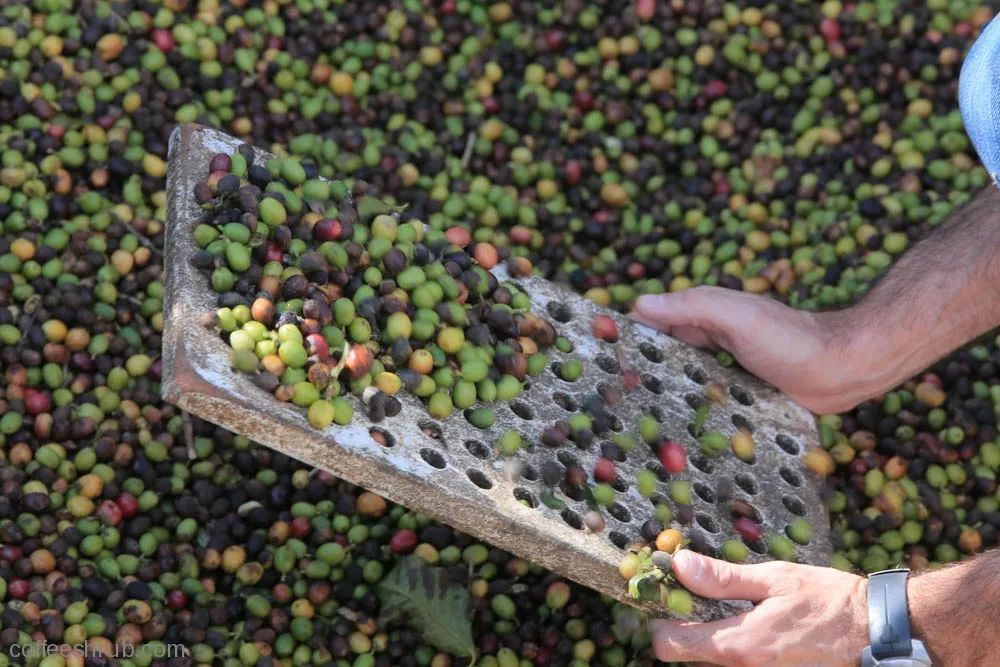
In terms of processing methods, Brazil mainly applies four core techniques: the natural method dries whole cherries directly to 12% moisture content; the pulped natural method removes the skin and pulp but retains some mucilage before drying; the semi-washed method thoroughly removes mucilage before drying; and the washed method removes mucilage through fermentation before drying. Among them, although the washed method started later, it can impart more distinct acidity to the coffee and is gradually gaining market recognition. It is particularly important to note that both pulped natural and semi-washed methods use mechanical removal of mucilage, which is fundamentally different from the biological fermentation process of the washed method.
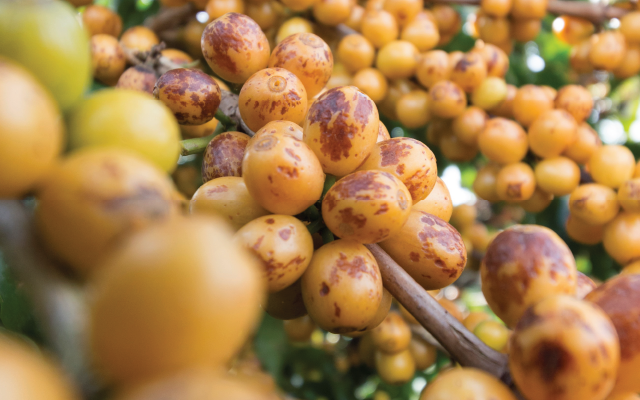
Brazil's coffee-producing regions exhibit distinct regional characteristics: the Cerrado region in Minas Gerais uses high-tech plateau cultivation, with a climate of four distinct seasons ensuring stable fruit ripening, and its natural processing method has become an industry trend; the Mogiana region in São Paulo combines traditional farms with modern technology, creating balanced and elegant beans; the Cerrado region in Bahia is known for washed Arabica; and Rondônia mainly produces Robusta beans. The unique altitude, soil, and microclimate of each region together shape the diverse flavor map of Brazilian coffee.