Guide to Hand-Brewing Yunnan Small-Bean Coffee: Typica vs Catimor Flavor Differences and Brewing Parameters
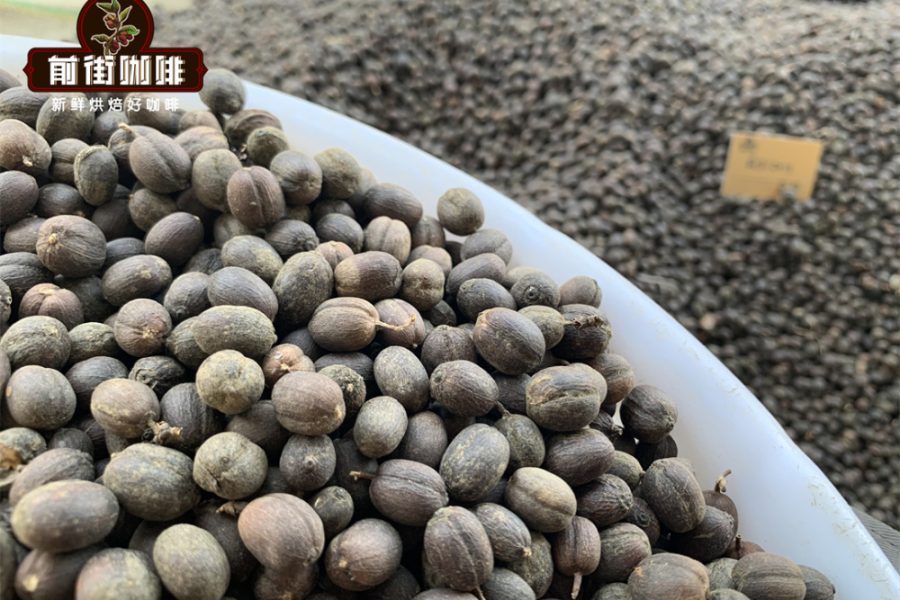
Introduction: As China's core specialty coffee region, Yunnan is home to two main varieties, Typica and Catimor, each with its own distinctive flavor. This article explains the growing background and processing differences of the two bean types, with a focus on the optimal pour-over parameter combinations—from water temperature control and grind size selection to the presentation of flavor layers—to help you master the essence of brewing Yunnan coffee.

Thanks to the advantage of the golden growing belt at around 25° north latitude, Yunnan produces a highly distinctive small-bean coffee. Local elevations of 1,000–2,000 meters, combined with a mild climate averaging 16–21°C annually and abundant sunshine, create the unique flavor foundation of the beans. The Yunnan coffee currently dominant on the market is mainly divided into traditional Typica and the high-yield hybrid Catimor, and the two differ significantly in pour-over performance.

Yunnan's coffee-growing history can be traced back a century. The originally introduced Typica belongs to an ancient Arabica branch and is called "small-bead coffee" because of its small bean size. The modern main cultivar, Catimor, is a hybrid descendant of Brazil's Caturra and Timor, with strong disease resistance and stable yields, but slightly inferior flavor complexity. Notably, the promotion of Catimor was closely tied to the demand of the instant coffee industry in the 1990s, and its high-yield characteristics made it better suited to commercial cultivation.

Yunnan's four core regions each have their own characteristics: Baoshan's small-bean coffee received national certification as early as 1980, Pu'er, as the largest region, produces over 30,000 tons annually, Dehong is known for organic cultivation, and Lincang relies on its border geography to develop distinctive varieties. The microclimates of different regions create regional differences in coffee flavor, and the washed beans from Baoshan often show a distinct nutty character.

Processing directly influences flavor direction. Affected by the local rainy climate, Yunnan coffee generally uses the washed method—fermenting after removing the mucilage layer, then rinsing with clean water and drying in the sun—which better highlights clean, bright acidity. Some high-altitude regions also try natural processing; after 27–30 days of full sun exposure, the coffee develops richer fruit aromas and body.

Given the neutral, balanced character of Yunnan coffee, a V60 dripper is recommended for pour-over. Tested parameters: keep the water temperature at 88±1°C to avoid the burnt bitterness caused by high heat; a medium grind (75% passing a Chinese standard No. 20 sieve) with a 1:15 coffee-to-water ratio brings out chocolate and caramel notes while retaining moderate plum-like acidity. For pouring, staged extraction is recommended: first pour 30 ml of water and let it bloom for 30 seconds, then slowly pour in a central spiral to the target volume.

Pour-over performance of the Typica variety: the dry aroma is dominated by nuts and herbs, the entry shows clear brown-sugar sweetness and bright berry acidity, and the finish has a black-tea-like layered body. The Catimor variety usually shows a fuller mouthfeel, more prominent chocolate flavor, but relatively softer acidity, suiting drinkers who prefer a richer taste. Be careful to avoid over-extraction, which otherwise tends to produce an overly heavy tannic feel.
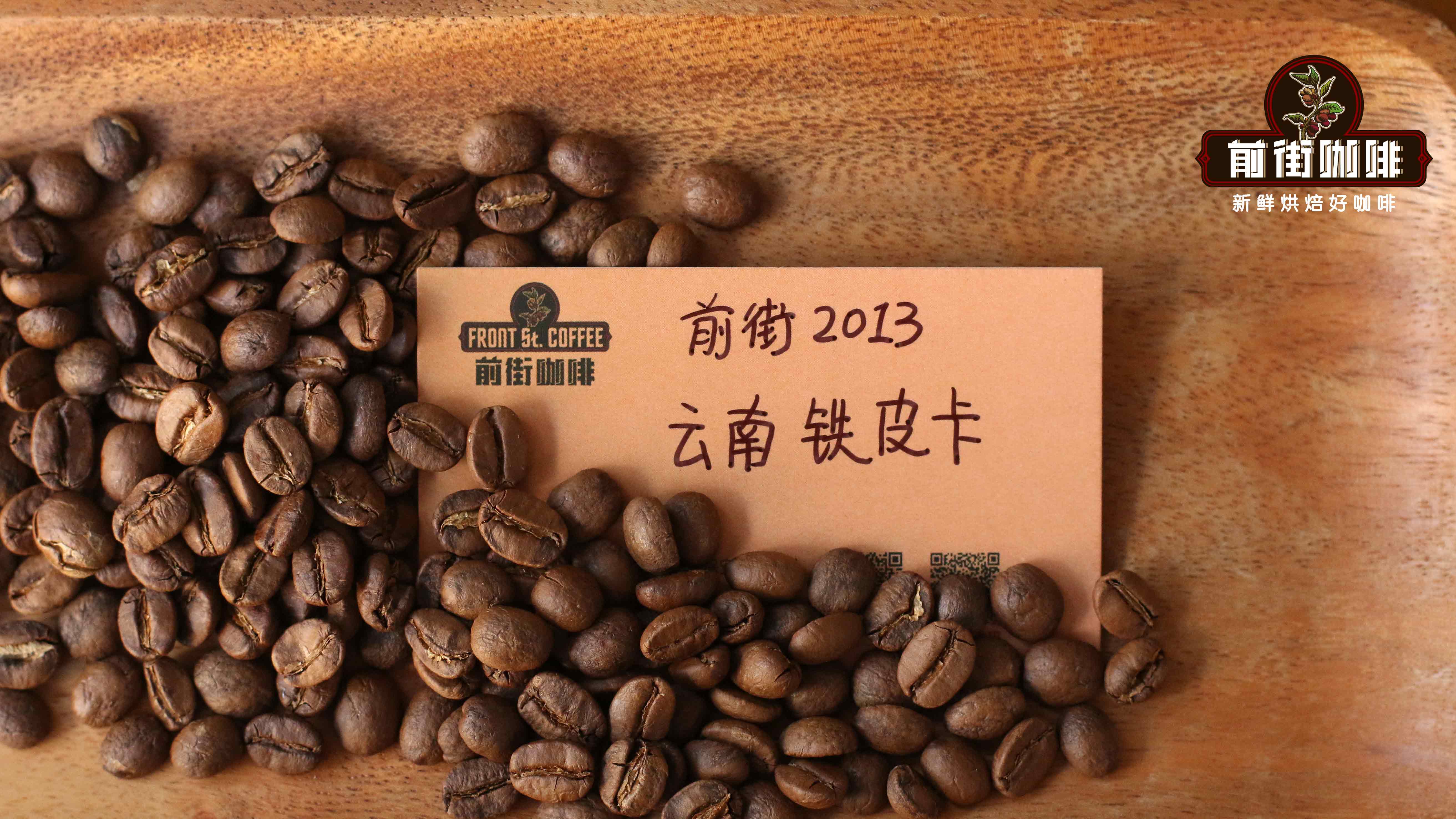
Professional advice: freshness is key to Yunnan coffee flavor, and beans 10–20 days after roasting are recommended. Store them sealed and away from light, and keep ambient humidity below 50%. Beginners can start with pre-ground medium-fine powder of 80–100 mesh and gradually adjust to personal preference. With light roasts, appropriately extending the brewing time helps release flavor compounds.

Flavor comparison summary: washed Typica has clear layers and lively acidity; the natural version has outstanding sweetness and better body. The Catimor series generally has a stronger chocolate finish and body, suitable for iced coffee or adding milk. Once you understand these characteristics, you can flexibly adjust the brewing plan according to the drinking occasion and fully explore the diverse potential of Yunnan coffee.

Advanced techniques: to enhance floral expression, try lowering the water temperature to 86°C and shortening the extraction time; to pursue sweetness, consider increasing the coffee-to-water ratio to 1:16, or switch to a French press. Regularly cleaning brewing equipment is equally important, as residual oils affect the aroma performance of subsequent batches.

By systematically mastering the relationship between variety characteristics, processing, and brewing parameters, even beginners can brew Yunnan coffee representative of its region. Remember, the best flavor always comes from precise attention to detail—from weighing accuracy to water-flow stability, every step is worth experiencing with care.