Ethiopian Yirgacheffe GUJI Coffee Washing Stations and Bean Recommendations
Introduction: An in-depth look at the main coffee cooperatives and processing stations in Ethiopia's Yirgacheffe GUJI region, including well-known sites such as Worka, Goddingding, and Koke. This article details each cooperative's altitude, membership size, soil type, certifications, annual production, and processing facilities, helping coffee enthusiasts and industry professionals fully grasp key information about the specialty coffee supply chain in this region. It also provides typical flavor profiles for various processing methods, offering a reference for bean selection and brewing.
Ethiopia is one of the world's important birthplaces of specialty coffee, and the Yirgacheffe and surrounding GUJI regions are renowned worldwide for their complex and varied flavors. In this area, many cooperatives formed by smallholder farmers work collectively to ensure consistent coffee quality and improve market bargaining power. Below is a detailed introduction to several important cooperatives and processing stations, including Worka, Goddingding, and Koke, covering their geographical environment, operational scale, certification status, and processing capacity.
The Sigiga cooperative, located in the Gedeo-Kochere region, sits at an altitude of 1,600 to 2,500 meters, has 1,862 members, and grows coffee mainly in red-brown soil. The cooperative holds three authoritative certifications—Fair Trade, UTZ sustainable farming, and Organic—providing multiple guarantees for sustainability and quality.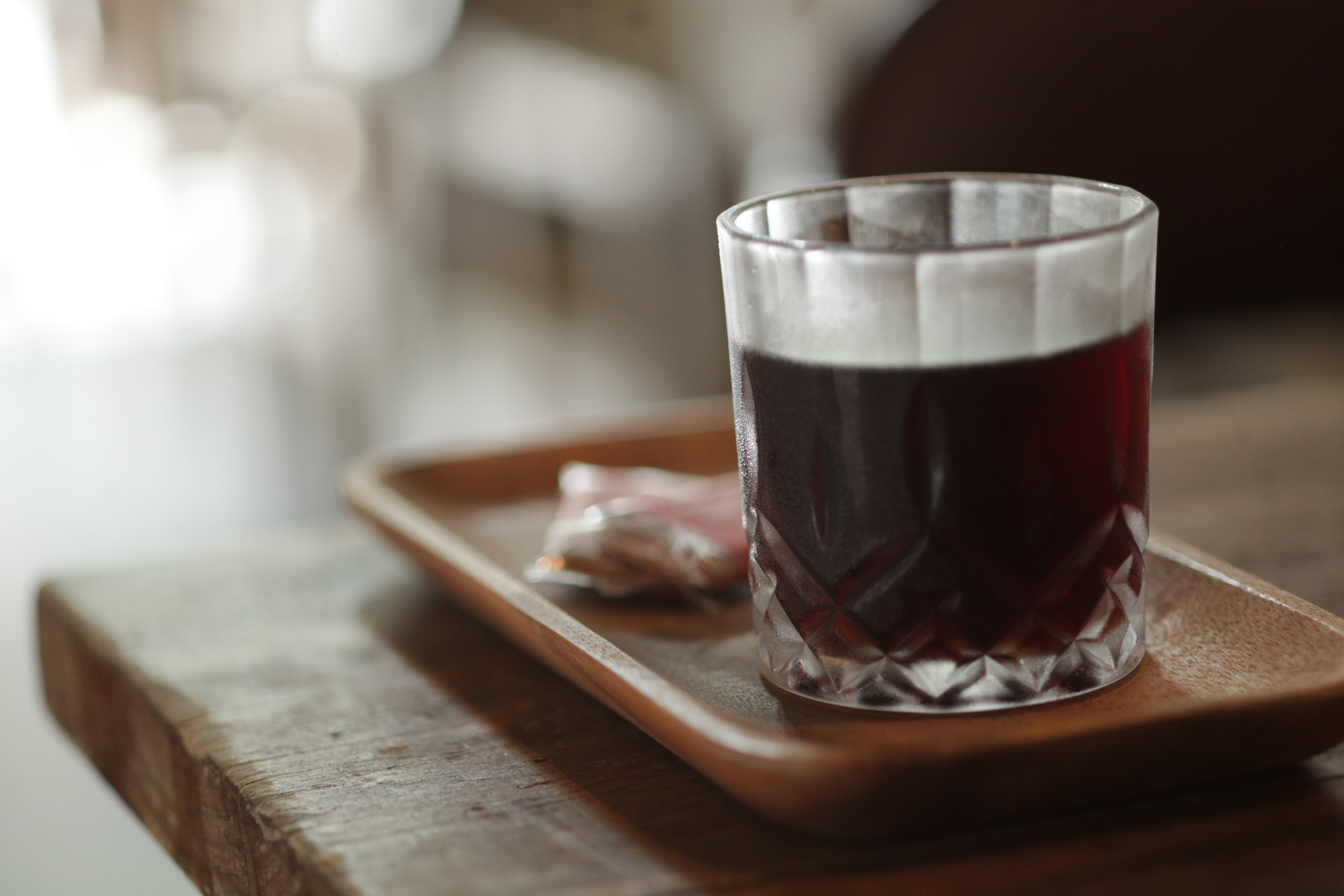
The Finchewan cooperative, also from the Gedeo-Wenago region, is at 1,450 to 2,000 meters, consists of 1,271 coffee farmers, and grows in the same red-brown soil. It holds Fair Trade and Organic certifications, making it suitable for buyers seeking environmentally and socially responsible consumption.
The Konga cooperative in the Gedeo-Yirgacheffe region has 1,556 members, grows at 1,750 to 2,300 meters in red-brown soil, and also holds Fair Trade and Organic certifications. According to actual cupping feedback, coffee from this area typically has bright acidity and rich fruity aromas, suitable for pour-over or filter brewing.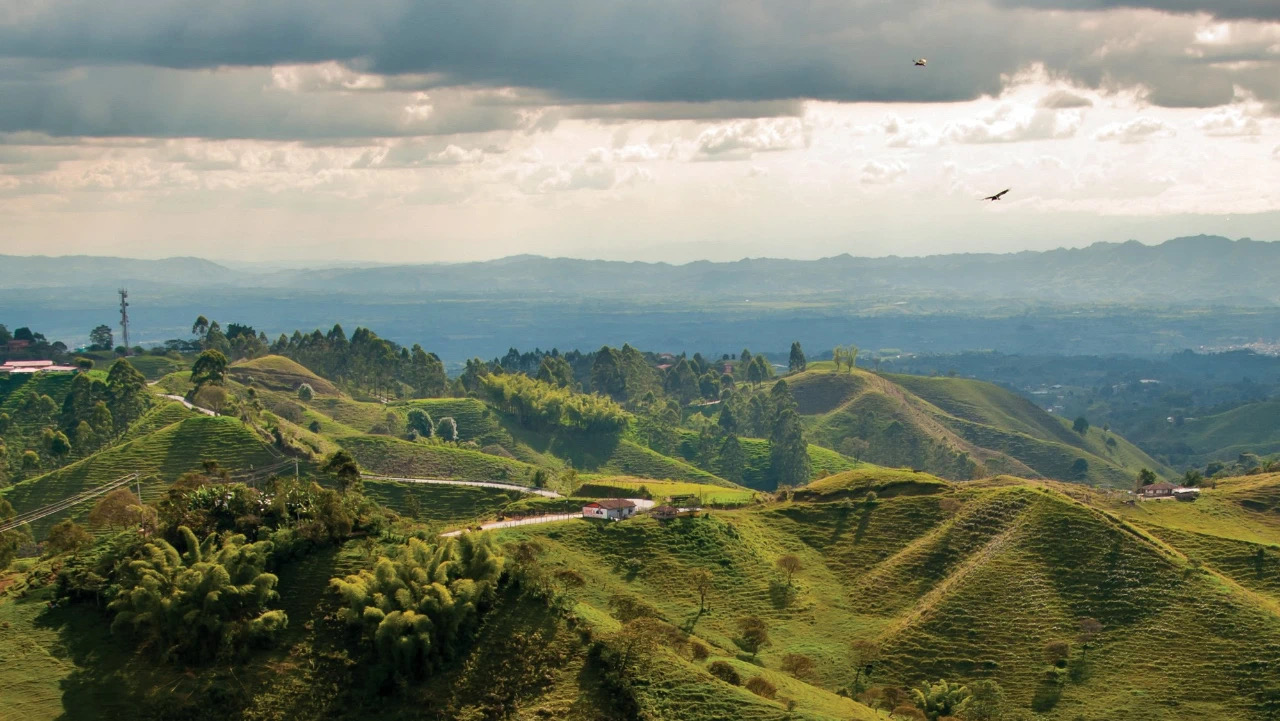
The Hafursa cooperative is also located in Gedeo-Yirgacheffe, at 1,750 to 2,300 meters, with 1,975 members growing in red-brown soil. Its annual green bean production reaches 798,000 kg, with an average maximum farm size of 4 hectares per household and about 600 kg per hectare per year. The cooperative has a dedicated washed processing station, ensuring high standards from the initial processing stage, making it a preferred source for consistent washed flavors. In addition, traditional shade-grown cultivation is widely used in the area, helping to maintain ecological diversity.
The Resa cooperative is located in the lower-altitude Gedeo-Wenago region, ranging from 1,000 to 1,400 meters, with as many as 2,719 members. The soil is still red-brown, and it holds Fair Trade and Organic certifications and is equipped with two sets of coffee processing machinery, suitable for small and medium-sized roasters seeking customized purchasing.
The Addis Katema cooperative, located in the same region, has only 891 members but has a washed processing station. It also grows in red-brown soil at 1,000 to 1,400 meters and meets Fair Trade and Organic standards, providing a stable sales channel for local small-scale growers.
The Biloya cooperative is located in Gedeo-Kochere at 1,600 to 2,500 meters, with 1,203 members growing in red-brown soil. It offers two sets of processing machinery and also holds Fair Trade and Organic certifications, suitable for buyers with further requirements for processing techniques.
Turning to the Worka cooperative in the Gedeb region, a birthplace of many specialty coffees, it sits at 1,650 to 2,700 meters and has only 305 members, yet its annual green bean production reaches 457,000 kg, with an average maximum farm size of 4 hectares per household and about 699 kg per hectare per year, making it a high-output, high-efficiency cooperative. It is equipped with a full set of processing machinery and can flexibly meet the needs of different processing methods. Its coffee often features layered flavors of berries, citrus, and honey, 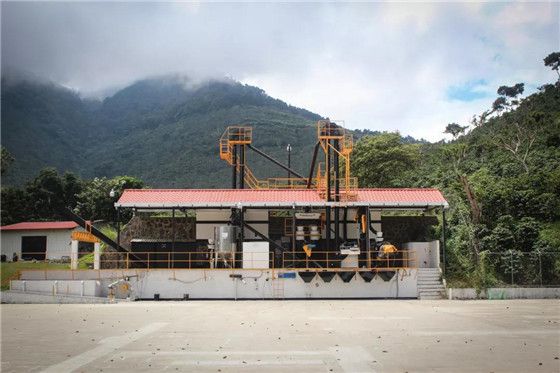 suitable for specialty pour-over or espresso bases.
The Koke cooperative is located in Gedeo-Yirgacheffe at 1,750 to 2,300 meters, with 828 members growing in red-brown soil. It provides one set of processing machinery and holds triple certifications—Fair Trade, UTZ, and Organic—making it a reliable choice that balances environmental protection and quality.
In addition, the Hama cooperative (1,600-2,500 meters, 1,505 members), Chichu cooperative (1,410-2,000 meters, 1,675 members), Michile cooperative (1,410-2,000 meters, 1,206 members), and Hase Haro cooperative (1,450-2,000 meters, 1,519 members) are all located in different sub-regions but generally have red-brown soil growing environments and Fair Trade and Organic certifications. Most provide at least one set of processing machinery, offering stable initial processing support for local coffee farmers.
The Dumerso cooperative (1,750-2,300 meters, 246 members), Tumticha cooperative (1,410-2,000 meters, 960 members), Aramo cooperative (1,750-2,300 meters, 2,254 members), Edido cooperative (1,750-2,300 meters, 1,044 members), Adame cooperative (1,000-1,400 meters, 533 members), Belekara cooperative (1,000-1,400 meters, 685 members), Adado cooperative (1,200-1,700 meters, 1,128 members, in the Sidamo-Bule region), and Haru cooperative (1,200-1,700 meters, 1,187 members) are also important local production units with processing capacity and certification foundations, suitable for buyers with different needs to engage in deeper cooperation.
In terms of flavor, coffees from these cooperatives show diverse styles due to differences in processing methods. For example, the washed Konga coffee presents a fresh, complex flavor of berries, cream, honey, and citrus when brewed at high temperatures, with bright acidity; at lower temperatures, it becomes smoother and more harmonious with fruity aromas. The naturally processed Xuelietu coffee often has jasmine floral notes, citrus, and berry sweetness, accompanied by slight astringency from pomelo-like peel and a black tea finish. The special natural Ados coffee is known for its complex layers, with interwoven flavors of strawberry, pineapple, papaya, and blackberry wine, paired with bright acidity and a juicy mouthfeel, and a long finish.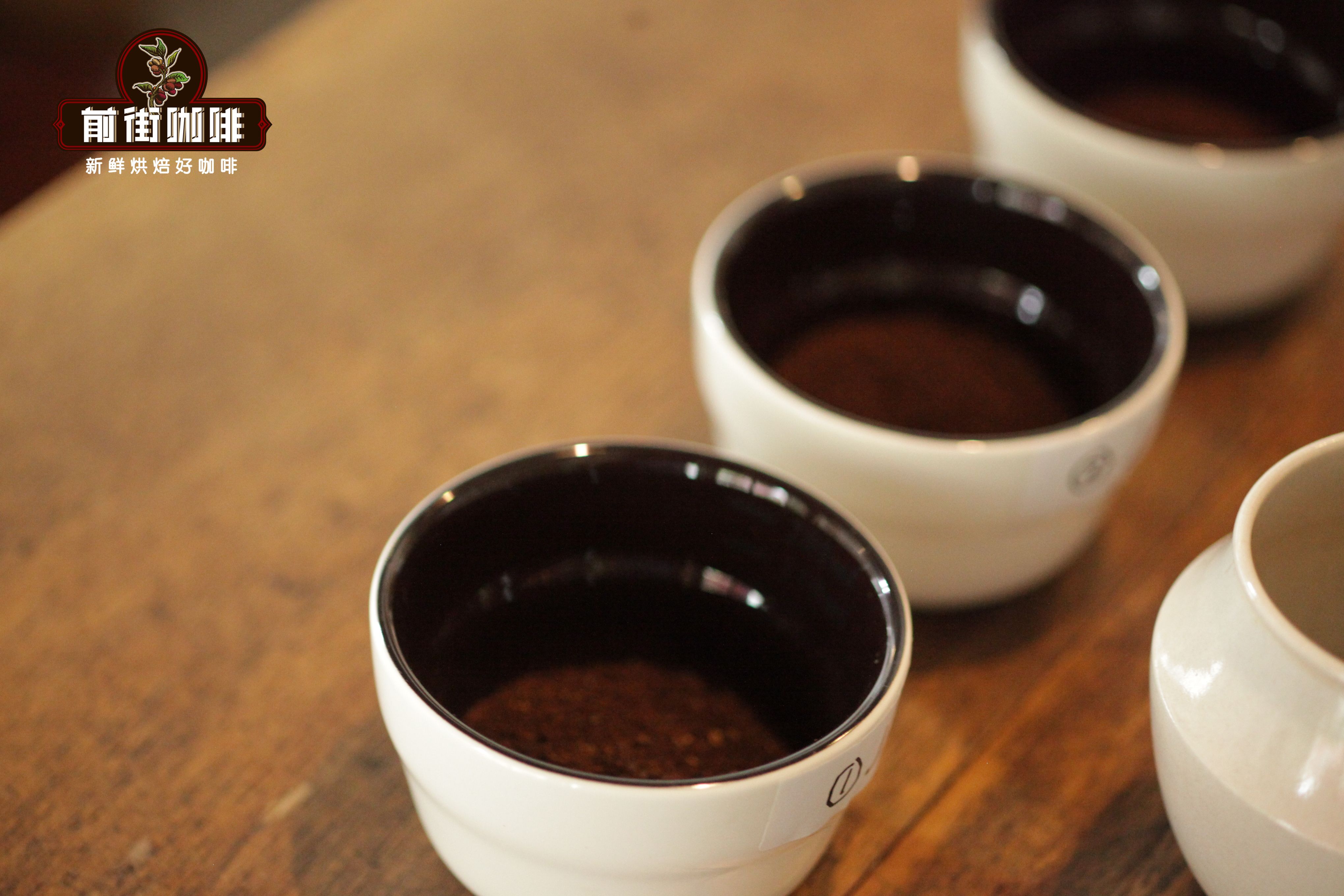
In summary, the smallholder cooperative system in Ethiopia's GUJI and neighboring regions not only supplies many high-quality bean sources to the global specialty coffee market but also ensures sustainability and flavor performance through various certifications and processing techniques. Whether you are a newcomer to coffee or a roaster or barista pursuing ultimate flavors, you can find beans worth exploring further.