Yirgacheffe Washed vs Natural: Flavor Differences and a Pour-Over Bean Guide
Introduction: Want to tell washed and natural Yirgacheffe beans apart? This article starts with the principles of processing methods and explains how the two methods affect coffee flavor, including a comparison of key parameters such as acidity, sweetness and body, along with practical brewing suggestions. By comparing flavor characteristics and production processes, it helps coffee lovers make more suitable choices when buying or brewing Yirgacheffe.
Coffee processing methods directly affect the final flavor expression, especially in a region like Yirgacheffe that is known for its distinct flavors. Washed and natural, as two mainstream processing methods, give coffee beans from the same region completely different personalities. Understanding their differences not only improves your tasting ability but also guides you in choosing more suitable beans for pour-over brewing.
The essence of processing methods is to stabilize the state of the coffee fruit for subsequent transport, storage and roasting. After coffee cherries are picked, the pulp, mucilage and other organic matter need to be removed, and the moisture content reduced to about 11%, to ensure the quality and freshness of the coffee beans. This process not only affects storage time but also directly determines the final flavor direction of the coffee.
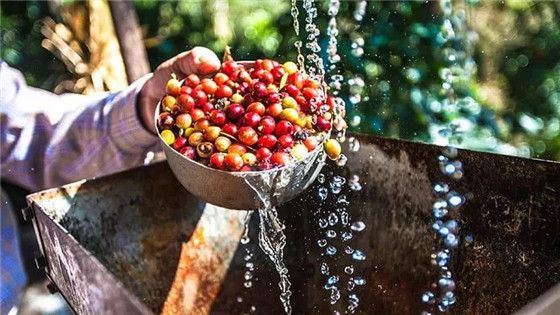
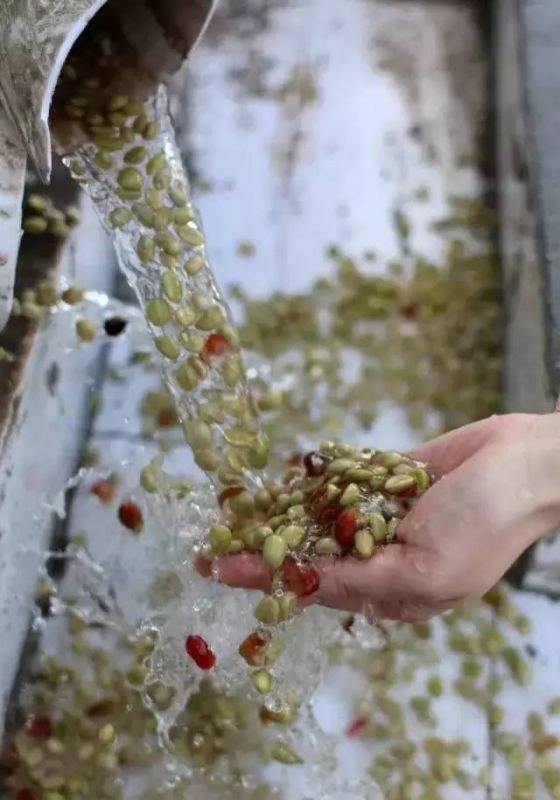
The washed process, also called the wet process, is currently the most common method. Its core steps are to first remove the pulp of the coffee cherry and then, through washing, remove the mucilage layer in a relatively short time (usually a few days). Coffee processed this way can usually be dried and ready for transport within a few weeks. Compared with other processing methods, washed beans have a cleaner flavor, bright acidity and clear sweetness, can better express the characteristics of the coffee variety itself, and are less likely to develop off-flavors or over-fermentation.
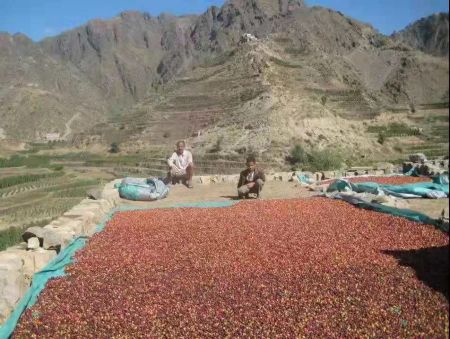
The natural process, also called the dry process or natural method, follows a completely different approach. It retains the pulp and mucilage of the coffee cherry and dries them in the sun for a long time (usually weeks or even months), allowing the sugars and flavor substances in the pulp to gradually penetrate into the seed. Coffee processed this way has higher body and more intense fruit aromas, but it is also more prone to uneven flavor or defective flavors. There are mainly two ways to carry out the natural method: one is to let the coffee cherries partially or fully ripen and dry on the tree before harvest, and the other is to dry them for a long time directly on raised beds or drying yards after picking, and finally remove the skin, mucilage and parchment layer.
As a representative region of Ethiopia, Yirgacheffe's coffee flavor varies significantly depending on the processing method. Washed Yirgacheffe usually shows citrus acidity, such as lemon and orange, accompanied by clear jasmine aroma and tea-like notes, with a refreshing mouthfeel and balanced acidity and sweetness, suitable for drinkers who like bright acidity and delicate flavors. Natural Yirgacheffe often has more intense tropical fruit aromas, such as blueberry and mango, with more prominent sweetness and higher body, sometimes with winey or fermented notes, and an overall fuller and more complex flavor.
In terms of the processing flow, the washed method has more complicated steps and requires washing equipment to remove the mucilage, with higher demands on water quality and processing technology, so the cost is usually higher. The natural method relies on natural conditions. Although the process seems simple, it has strict requirements for weather and control of the drying process; otherwise, quality is easily affected.Washed beans have a shorter drying time, generally only 1-2 weeks, and moisture content is controlled more precisely; natural beans require a longer drying cycle, usually 2-4 weeks or even longer, and need frequent turning during the process to ensure even drying.
Ethiopia is the birthplace of Arabica coffee, and its unique geographical and climatic conditions have nurtured rich coffee genetic diversity. When tasting Yirgacheffe, coffee lovers can not only experience the flavor differences brought by processing methods but also feel the unique terroir charm of this region. Whether it is the fresh brightness of washed coffee or the rich body of natural coffee, both show the multifaceted charm of Yirgacheffe coffee.
If you are a pour-over coffee lover, you might try washed and natural Yirgacheffe separately and compare their flavor expressions. Washed beans are suitable for medium-fine grinding with water temperature controlled at 90-92°C to highlight their acidity and floral aroma; natural beans can be ground slightly coarser with a slightly lower water temperature (88-90°C) to balance their sweetness and body. Through actual brewing, you will understand more intuitively the profound influence of processing methods on coffee flavor.