Three Washed Ethiopian Coffees Compared: Kochere, Worka, and Gotiti

Introduction: This article focuses on three classic washed coffees from Ethiopia's Yirgacheffe region—Kochere, Worka, and Gotiti—comparing them across altitude, processing methods, and flavor characteristics, and providing professional pour-over parameters for reference. Through detailed flavor wheel analysis, it helps coffee enthusiasts find beans that match their personal taste preferences while mastering precise extraction techniques.
In Ethiopia, a country known as the genetic repository of Arabica coffee, the Yirgacheffe region has always been a holy land for specialty coffee lovers. The area's altitude generally exceeds 1,700 meters, and the temperature difference between day and night at high altitudes allows the coffee cherries to accumulate richer flavor compounds. Among them, Kochere, Worka, and Gotiti, as three well-known micro-regions of Yirgacheffe, each produce distinctive washed coffee beans.
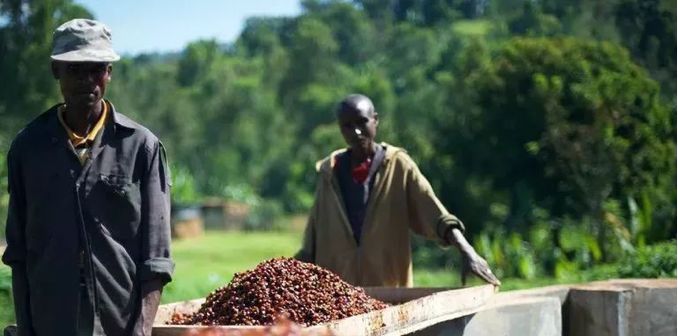
Located 25 kilometers southeast of Yirgacheffe, the Kochere micro-region sits at an altitude of 1,650-1,800 meters and is one of the most economically developed coffee areas locally. It has advanced honey and washed processing facilities, and its washed coffee once received a high score of 94 from an international rating agency. The coffee trees in this region are mostly planted in volcanic soil, and ample rainfall and well-drained plots create a bright citrus base.
The Worka region is situated within the main Yirgacheffe area at an altitude of 1,800-2,000 meters, a typical high-mountain climate zone. The cooperative was established in 2005 and is part of the famous Yirgacheffe Coffee Farmers Cooperative Union, initially known for producing high-quality natural beans. As the specialty coffee market has increasingly emphasized washed processing, Worka has also released impressive washed lots in recent years, and its network of small farms with 300 members ensures consistent raw material quality.
Of particular note is the development of the Gotiti Cooperative: this 300-member growing group, originally part of the Worka cooperative, became independent in 2012 to meet global consumers' demand for coffee traceability. Its location is closer to the southeastern end of Worka, and the unique microclimate extends the cherry ripening period, developing more complex aromatic compounds. The preserved original tree varieties and traditional shade-growing methods give the coffee a more layered flavor profile.
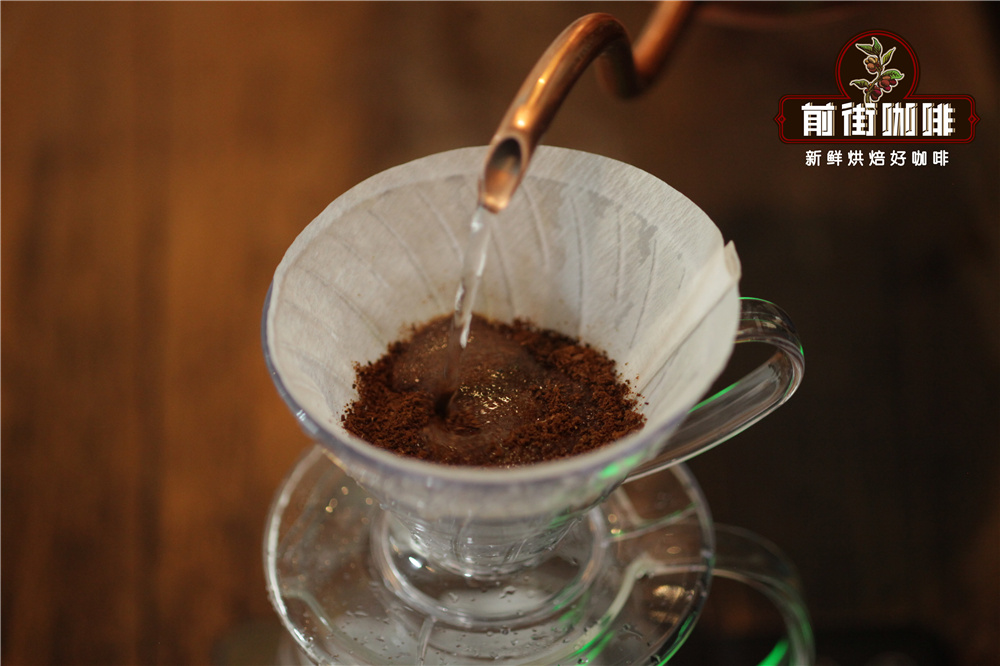
Tested with a standard pour-over recipe (Hario V60 dripper / 90°C water / 1:15 coffee-to-water ratio / medium-fine grind with 80% passing a No. 20 sieve), the three beans showed distinct style differences:
• Kochere washed displays the classic three-stage Yirgacheffe flavor: a lively citric acidity upfront, accompanied by white floral and fresh orange peel notes; a prominent sucrose sweetness in the mid-palate, transitioning to a complex honey and oolong tea finish, with an acidity brightness score of 4.5/5
• Worka washed highlights its high-mountain character, with a unique balance of plum acidity and Tieguanyin tea notes; as the temperature drops to 60°C, caramelization becomes evident, showing the best sweetness persistence
• Gotiti washed offers a juicy, full mouthfeel, with a black tea base throughout, smooth transitions to cream and almond in the finish, and a higher body index than the other two
Professional brewing suggestions: for Kochere's high acidity, extend the second pour to 140 grams to soften the sharpness; Worka benefits from a center-pour method to accentuate the tea-like notes; Gotiti, due to its higher body, can be ground finer to 85% passing rate to enhance cleanliness. All lots are best consumed within 2 minutes after extraction to capture the optimal flavor window.
Considering consumption scenarios, those who prefer fresh fruit acidity can choose Kochere with a light breakfast; those seeking balance will find Worka suitable as a daily staple; and Gotiti's rich flavor pairs beautifully with baked desserts. Under proper storage conditions (one-way valve sealed / away from light / 10-20°C environment), the optimal flavor period for all three beans can reach 21-28 days after roasting.