Coffee Defect Bean Identification Guide: How to Avoid Impacts on Flavor and Health
Introduction: Coffee defect beans not only affect the flavor performance of an entire batch of beans but may even pose a potential threat to health. Understanding the characteristics and causes of different types of defect beans helps coffee professionals and enthusiasts accurately screen them before roasting, ensuring that the final brewed coffee has pure aroma and balanced taste. This article provides a detailed analysis of the types, harms, and identification methods of defect beans to help you improve coffee quality.
In the production chain of specialty coffee, from green bean purchasing to final roasting, removing defect beans is a key step that cannot be ignored. Even long-term green bean suppliers occasionally provide samples with defects. Experienced coffee professionals know that even coffee beans from top-producing regions may contain a small number of defects. The key is how to identify and effectively handle these problem beans to ensure the overall quality of the coffee.
Defect beans usually originate from problems during cultivation, harvesting, or processing, such as pests and diseases, harvesting before maturity, improper drying, or improper storage conditions. These problems not only affect the appearance of the beans but may also bring off-flavors and foreign tastes, and in severe cases may even carry harmful microorganisms, affecting drinking safety. If roasted directly without screening, not only is the flavor greatly reduced, but it may also cause symptoms such as diarrhea and gastrointestinal discomfort. The saying "one bad apple spoils the barrel" is extremely apt here.
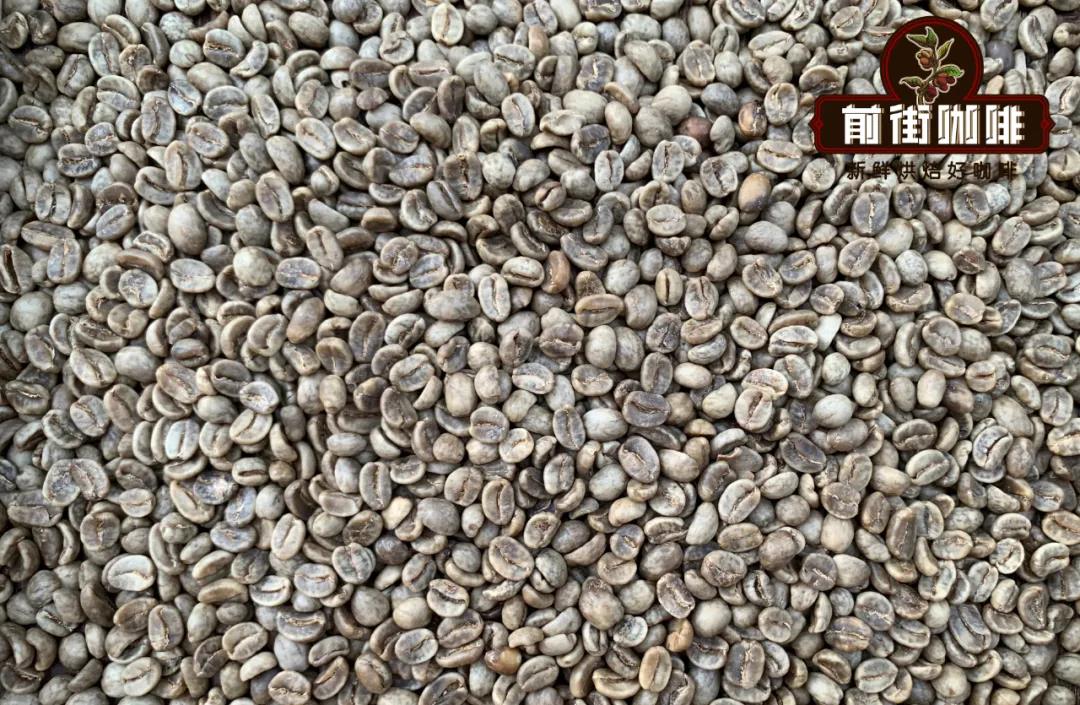
A healthy green coffee bean usually appears blue-green, light green, or yellow-green, which is the normal color after good washed, natural, or honey processing. This type of bean is rich in precursors of aromatic substances such as fats, proteins, and sugars within its cells, and is the foundation for making a cup of coffee with rich flavor. In contrast, defect beans are often affected by mold, bacterial invasion, immaturity, excessive fermentation, and other factors, resulting in damaged cell structure and loss of aromatic substances. No matter how they are roasted, it is difficult to present the layering that high-quality coffee should have.
Common off-color defect beans include black beans, insect-damaged beans, sour and stinky beans (also called fox beans), spotted beans, over-fermented withered yellow beans, moldy beans, and fungus-infected beans. Each defect type has its unique causes and effects.
Black beans are one of the most typical low-quality defect beans, usually caused by coffee cherries falling, excessive fermentation, improper drying, or mold after insect damage. These beans not only look dark but contain a large amount of off-flavors such as earthy and dusty notes. Their internal chemical composition has also deteriorated, with extremely low sucrose and fat content and relatively high rancid substances, seriously affecting the taste and safety of the coffee. According to relevant agricultural engineering research, black beans also have the highest ash content among all defect types, indicating that they are most severely affected by oxidation and thermal decomposition.
Insect-damaged beans are easily identified by small black holes on the surface. These holes are caused by pests such as the coffee berry borer drilling and laying eggs inside the bean. The coffee berry borer in particular is one of the main pests in coffee-growing regions worldwide. Its larvae grow inside the bean, destroying the tissue structure and causing the bean to lose its original aroma, and in severe cases producing musty or rotten odors. Even if such beans look acceptable on the outside, their internal quality has been greatly compromised and they must be removed.
Sour and stinky beans, also called fox beans, are mostly caused by harvesting overripe and rotten cherries, cherries falling to the ground, or contamination of fermentation tanks. These beans are abnormally brown inside and out and have an obvious putrid smell. Unlike normal honey-processed beans, which may have brown mucilage on the surface but remain emerald green or yellow-green inside with a fresh flavor, sour and stinky beans are completely spoiled and must not be confused with normally fermented beans.
Spotted beans come in various categories, including black spots, brown spots, white spots, and green spots, often caused by uneven drying, excessive fermentation, or damage to the bean body. White-spot beans usually develop grayish-white spots because excessive moisture content activates internal enzymes, and after brewing they tend to carry soapy or rotten-wood off-flavors. Green spots and black spots mostly appear under poor storage conditions or when post-harvest processing is not timely, affecting flavor consistency.
Moldy beans and fungus-infected beans are also easy to identify. The former are covered with white or gray-black fuzz, a mold phenomenon caused by a humid storage environment; the latter form small brown patches on the bean surface, which may spread to other beans over time. These beans not only have poor flavor but may also release harmful substances, and must be strictly screened out.
In summary, the impact of defect beans on coffee flavor and safety is all-encompassing. Whether through visual identification or with the help of professional bean-sorting equipment, removing these "problem beans" is an indispensable step in ensuring coffee quality. Understanding these common defect types and their characteristics not only helps you be more cautious when purchasing green beans but also effectively improves the purity and flavor performance of the final coffee beverage before home roasting.