Coffee Roasters and Cupping Q-Graders: A Complete Career Guide
Introduction: Coffee roasters and cuppers are two roles that are crucial in the coffee supply chain, responsible respectively for giving coffee beans their flavor characteristics and for evaluating coffee quality. This article takes an in-depth look at both roles' work and skill requirements, helping you understand how to enter these two professional fields from scratch and master the paths and practical techniques for becoming a professional roaster or cupper.
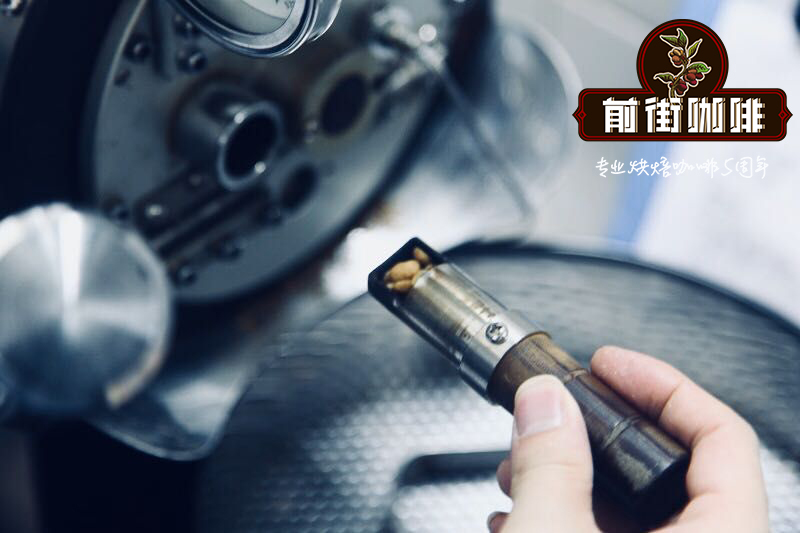
If the coffee farmer is where coffee beans gain life, then the coffee roaster is the key figure who injects them with personality and complexity. Through precise control of the roast curve, temperature and time, they transform green beans into roasted beans with rich aroma and flavor. This requires not only an intimate knowledge of machine performance, but also a talent for observing and analyzing the details of every roast, especially those flaws that seem minor yet have far-reaching effects.
The core responsibility of a coffee roaster is to find the optimal roast plan for each coffee. This requires continual testing and recording of roast parameters and combining this data with green bean origin and cupping feedback, so as to continuously optimize roasting strategy. A truly outstanding roaster can not only develop unique flavors but also reliably reproduce the ideal curve, ensuring consistency across every batch of coffee.
When exploring roasting technique, experience shared online is often a mixed bag. Many so-called "iron rules"—such as "you must roast this way" or "you must never do that"—often lack scientific basis and systematic verification. This information may stem from personal preference rather than rigorous experimentation. Therefore, understanding the science behind coffee roasting is far more important than blindly following online advice.
Compared with roasting, coffee cupping evaluates coffee's overall performance from the angle of quality control and sensory appreciation. It is one of the main methods of coffee sensory analysis and is widely used in green bean purchasing, roast quality inspection, product development and more. However, cupping itself faces many challenges, such as the influence of subjective judgment and the standardization of sample preparation, all of which can interfere with the final results.
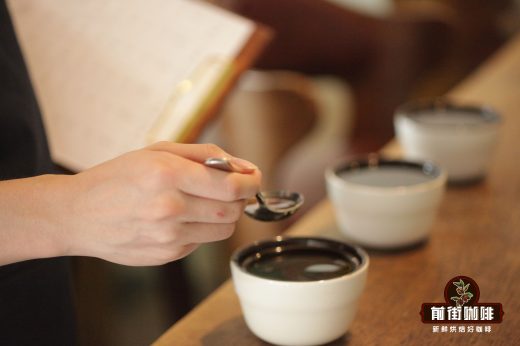
Despite its limitations, cupping remains the most commonly used sensory evaluation method in the industry today. Its procedure includes weighing coffee grounds, pouring water, breaking the crust, skimming, smelling and slurping. To ensure reliable cupping results, all variables need to be controlled as much as possible—water temperature, water quality, grind size, pouring time and so on—so that flavor differences truly come from the coffee itself rather than external factors.
To become a professional coffee cupper, you first need to become familiar with internationally used cupping forms, such as the standard scoring form widely used in the specialty coffee industry. By systematically cupping large numbers of coffees from different origins and with different processing methods, you can gradually build up your ability to identify various flavors. Trying origins or processing methods you are unfamiliar with can help you expand your flavor vocabulary faster. In addition, cupping together with others and exchanging impressions is an effective way to sharpen your sensory acuity.
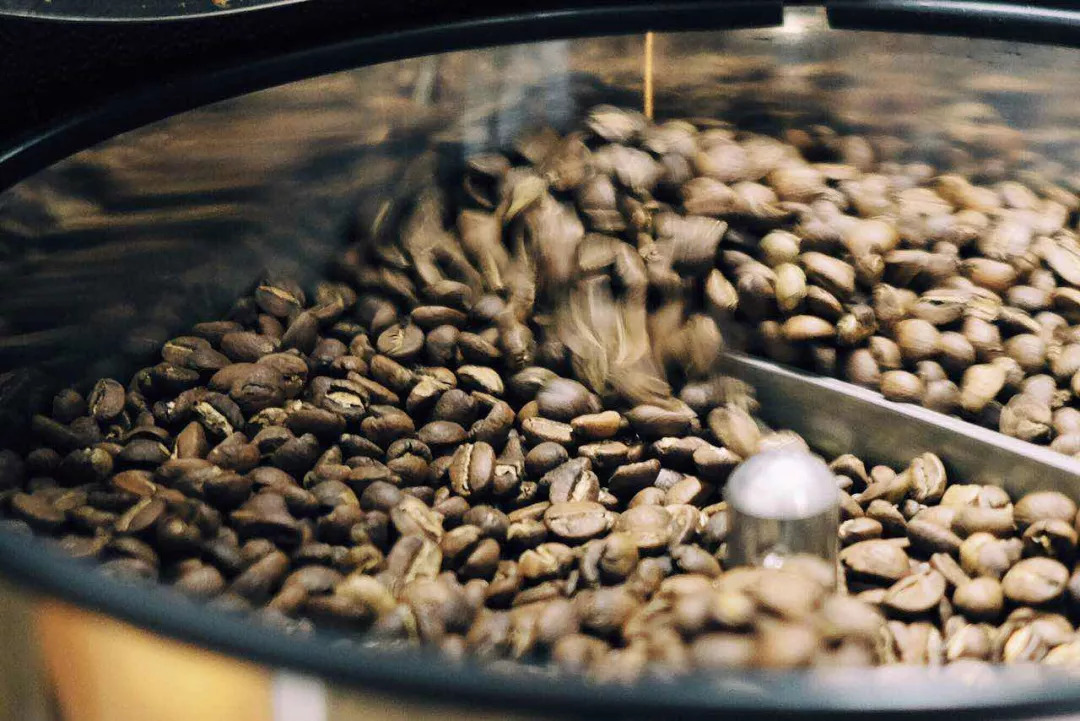
In coffee quality evaluation, roast level is an extremely key indicator, directly affecting people's judgment of a coffee's acidity, sweetness, body and overall flavor. The five common basic roast states include: Too Light, Just Right, Too Dark, Underdeveloped and Baked.
Very light roasts usually have bright acidity, similar to citric acid, but low sweetness; very dark roasts lose their acidity entirely, replaced by the heavy sweetness and bitterness brought by caramelization; underdeveloped coffee often has a green, grassy character reminiscent of raw vegetables, such as a pea-like flavor; and baked coffee, though it may appear lighter in color, presents a flat, dull character like toasted bread because of a low drop temperature and a long roast time.
Whether roaster or cupper, training sensory acuity is essential. Besides daily cupping practice, you can also enrich your taste memory and discrimination by tasting other foods such as wine, cheese, spices and even beer. This cross-domain sensory training helps you understand and express coffee's complex flavors more fully.