The Complete Guide to Coffee Cupping: From Triangle Tests to Flavor Training
Introduction: Want to improve your coffee tasting skills? This article takes an in-depth look at the core cupping process, covering triangle test techniques, flavor training methods, and professional cupping standards. Through scientific training and the use of tools, it helps coffee lovers master practical skills such as identifying flavor differences and judging roast level—worth saving whether you are a beginner or an advanced taster.
When talking with coffee professionals, you often hear one piece of advice: "Try as many different coffees as possible to enrich your taste experience." Whether or not you work in cupping, cultivating creativity is crucial for palate training. In daily life, tasting beer, wine, cheese, and other foods can also indirectly improve flavor sensitivity.
Tool-Assisted Training Methods
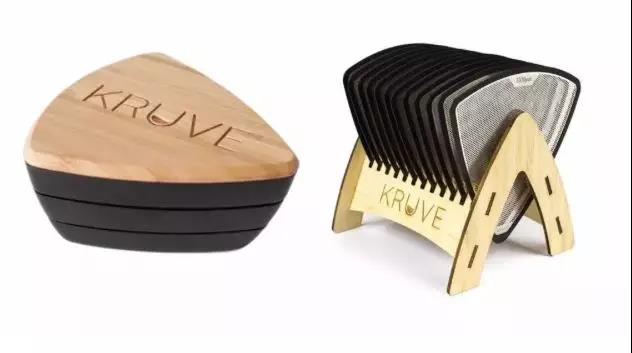
The KRUVE SIFTER, commonly used by professional brewing competition competitors, can effectively control the particle size distribution of coffee grounds. This stacked sieve system includes 12 specifications (200–1100 microns) and can be combined into 66 different particle size schemes. By adjusting the mixing ratio of coarse and fine particles, you can produce coffee liquids with different extraction yields at the same grinder setting—for example, mixing the middle-layer grounds of the same Guatemalan coffee with different proportions of extremely coarse/extremely fine particles, then brewing and comparing the differences between over-extraction and under-extraction through triangle tests. This training can significantly improve the ability to identify subtle flavor changes.
Blind Tasting Training Techniques
Origin-specific training that requires no complex preparation: use only washed-process coffee beans and select multiple samples from a specific origin (such as Central America or Central Africa). Each test group must include at least one cup of abnormally extracted coffee (over-extracted/under-extracted). For advanced training, use Salvadoran washed beans of different varieties from the same farm, comparing the flavor changes brought about by differences in variety and growing environment. This type of exercise can effectively train blind-tasting discrimination ability.
Professional Cupping Competition Standards
The World Coffee Tasting Championship (WCTC) requires competitors to identify differences within a limited time from sets of three cups (two identical + one different). The particularity of this purely subjective scoring competition lies in the fact that no standardized training program is provided; it relies entirely on the competitors' sensory experience and on-the-spot judgment. The competition uses the classic triangle test layout, focusing on keenly capturing flavor consistency.
Cupping Evaluation System
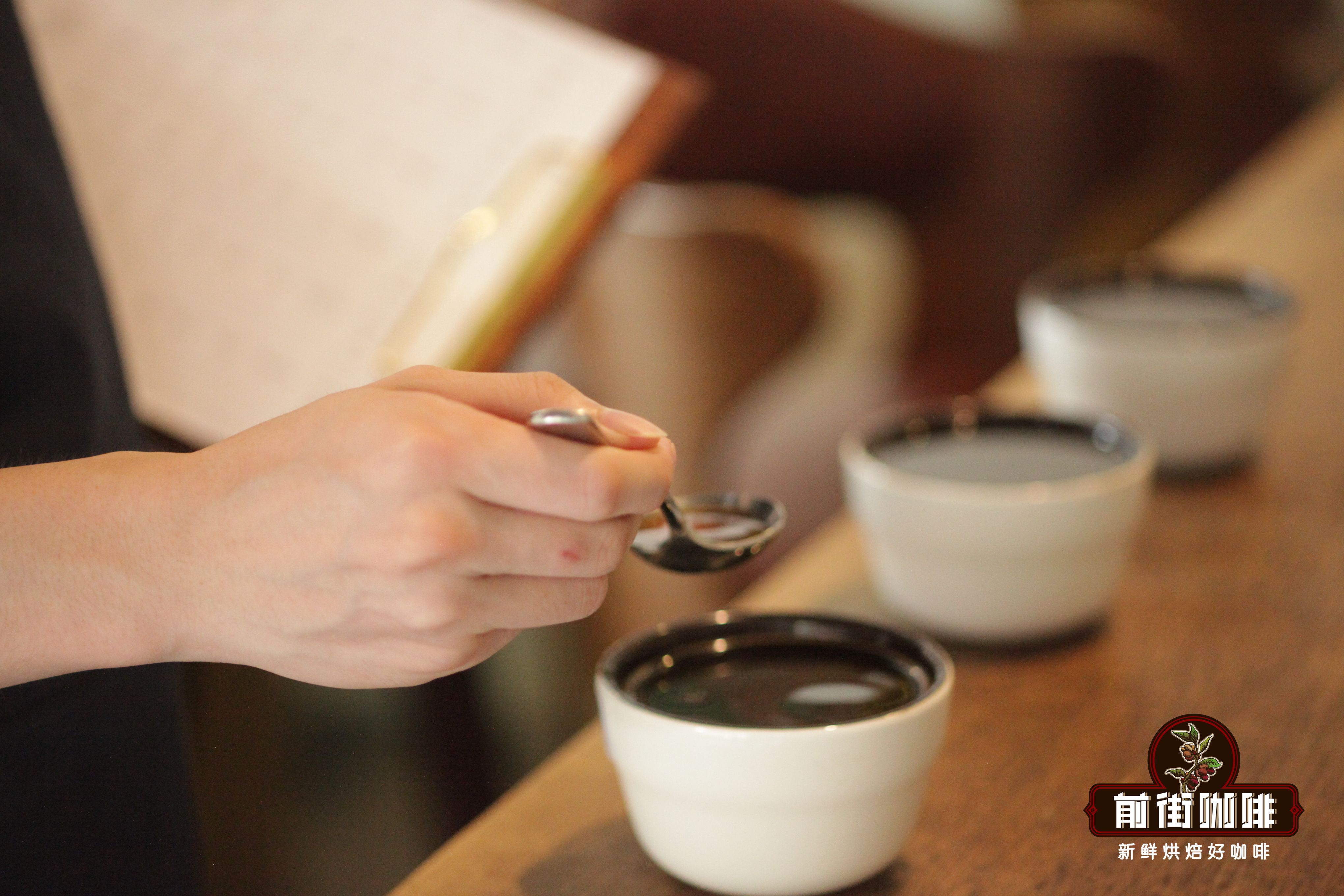
Professional cupping requires mastery of two standardized forms. It is recommended to build a flavor database by tasting a large number of coffees from different origins and processing methods—note that different roasters may cause slight adjustments in flavor performance due to curve differences. Exchanging tasting insights with peers is recommended, using multiple perspectives to refine flavor perception. For beginners, recording unfamiliar coffee samples can accelerate the establishment of a flavor association system.

Key Points for Identifying Roast Level
Cuppers must be able to identify five basic roasting defects: ① too light: prominent citric acidity, little residual sugar; ② too dark: acidity disappears, dominated by caramelized flavors; ③ underdeveloped: green, grainy/pea-like notes; ④ baked: long, low-temperature roasting leads to dull acidity and a toasted-bread aroma; ⑤ just right: balanced sweetness, acidity, and bitterness with clear flavor layers.
Hygiene and Protection Standards
Large cupping events require special attention: the WHO recommends that sick people avoid participating; participants should wash their hands frequently, avoid touching their faces, and clean spit cups promptly; cupping spoons must be thoroughly cleaned before and after each use, and organizers should provide boiling water disinfection facilities. Some events use individually assigned cups or switch to pour-over methods instead of group cupping. Organizations such as Counter Culture implement a "one spoon, one disinfection" system to ensure hygiene and safety.
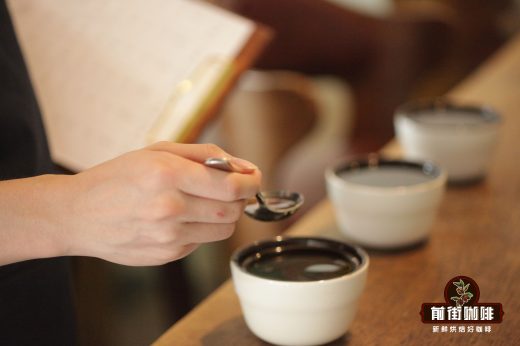
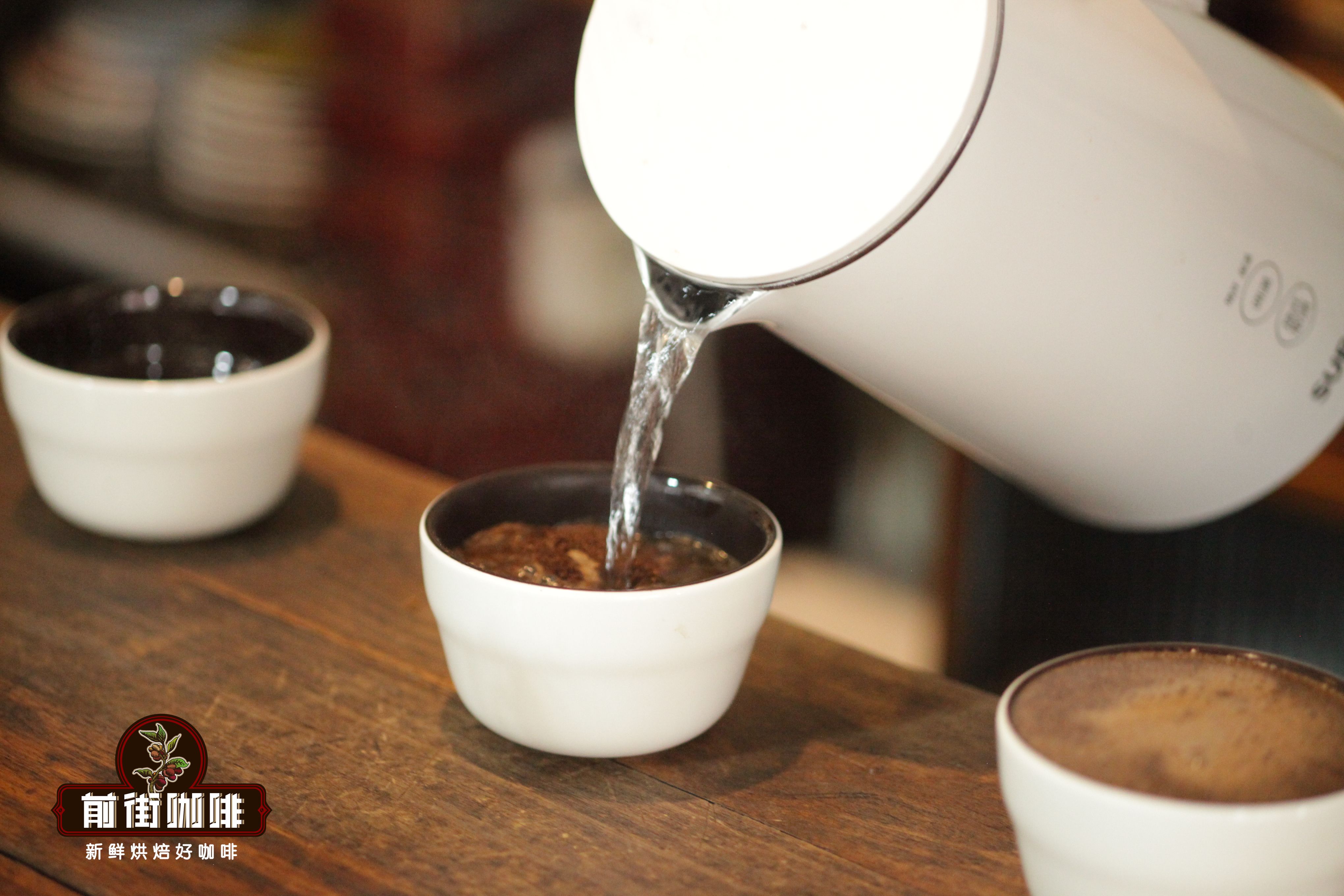
Professional cupping follows the standardized process set by the SCA: uniform roast level (usually medium roast), fixed grind size (70–75% passing through a No. 20 sieve), and brewing at 93°C water temperature. When evaluating, record dimensions such as dry and wet aroma, flavor, aftertaste, acidity, body, balance, and overall impression simultaneously, using standardized sensory vocabulary to ensure objectivity. Continuous training is key to maintaining sensory acuity; regular comparative exercises with differentiated samples are recommended.