A Beginner's Guide to Coffee Cupping: Rules and Hygiene Essentials
Introduction: First time participating in a coffee cupping? Not sure what to prepare, or what rules and etiquette apply during the cupping process? This article systematically introduces the basic process of professional cupping, the points participants need to understand in advance, and important hygiene protection measures at cupping events, helping you quickly grasp the essentials of participating in cupping and taste coffee more professionally.
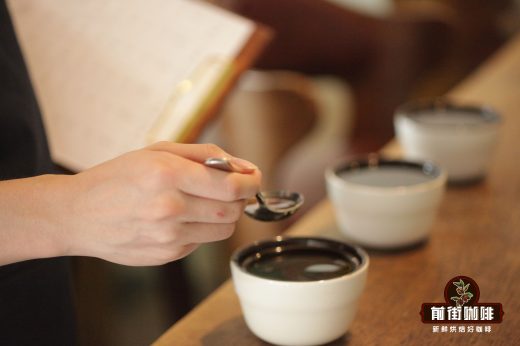
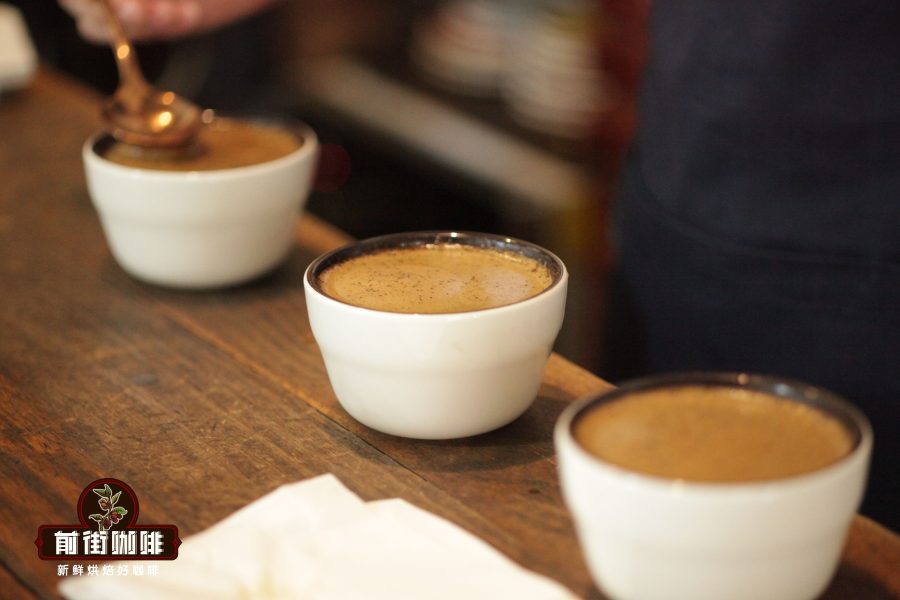
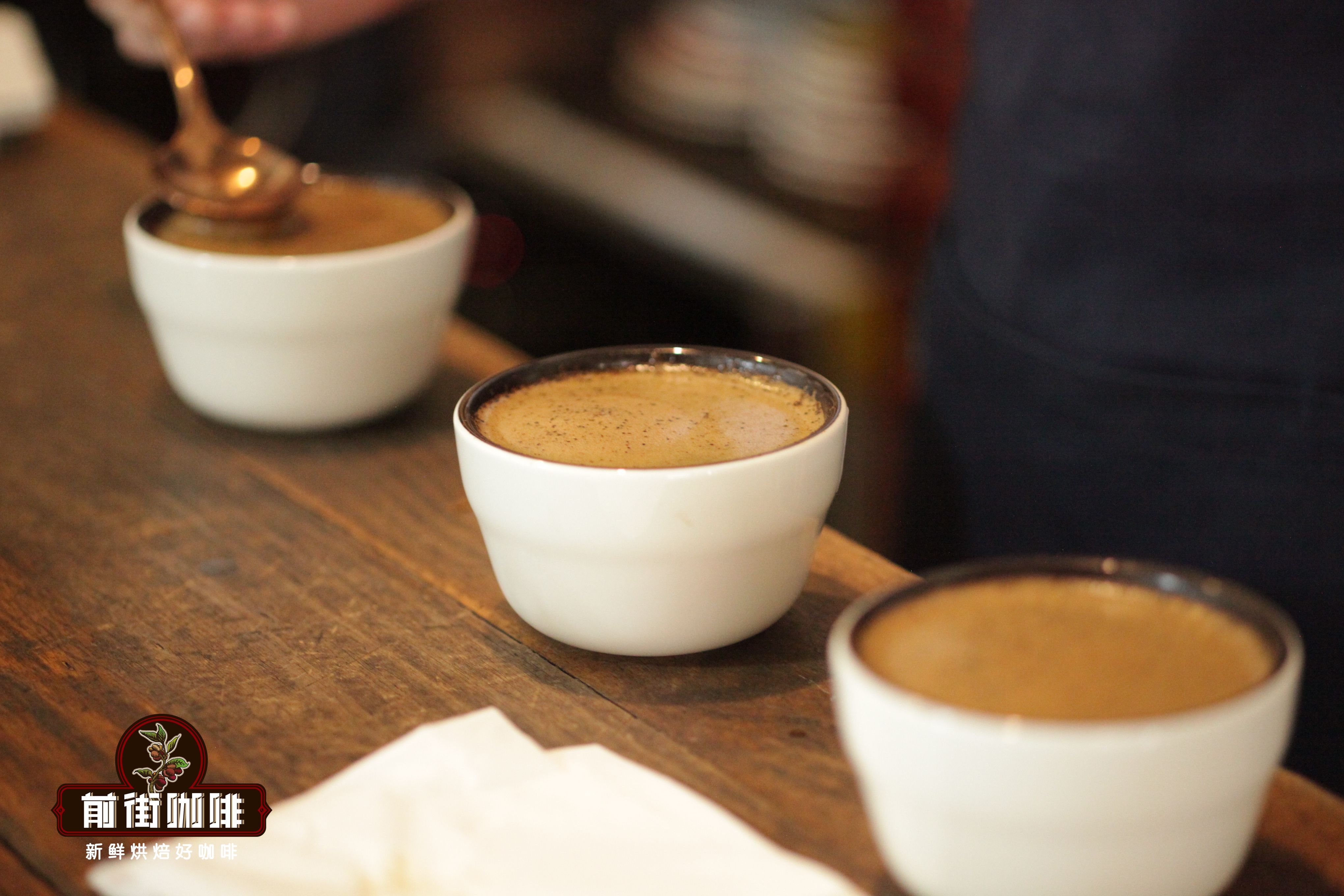
In the coffee industry, cupping is one of the core methods for evaluating coffee quality. Following internationally accepted standard procedures, such as the specifications set by the SCA (Specialty Coffee Association), including uniform roast degree control, standard cupping methods and professional sensory evaluation language, is the foundation for effective cupping. This approach helps practitioners objectively analyze the flavor characteristics of each coffee, from aroma to aftertaste, systematically uncovering its potential and shortcomings.
For roasters, cupping is not simply about tasting flavors; it is more like a self-dialogue. Through careful observation and tasting, they can discover the various details coffee reveals during the roasting process, especially the underperforming parts, which often point to directions for improvement more than the strengths do. The problem points of a cup of coffee are usually more informative than its highlights.
On online platforms, we often see various "rules of thumb" about coffee roasting and tasting, such as "you must do this" or "never do that." But most of these claims lack rigorous experimental basis and systematic verification, and following them rashly may lead to misunderstandings or even wrong judgments. Consumer feedback is direct—like or dislike, buy or not buy—but these are only results, not the reasons behind them. Truly understanding coffee also requires professional methods like cupping to deeply analyze its flavor composition.
When participating in cupping events, hygiene and etiquette are important aspects that cannot be ignored. Especially at large coffee exhibitions or cupping sessions, due to dense crowds, related hygiene issues are often magnified, which has also prompted the industry to continuously optimize cupping processes and standards.

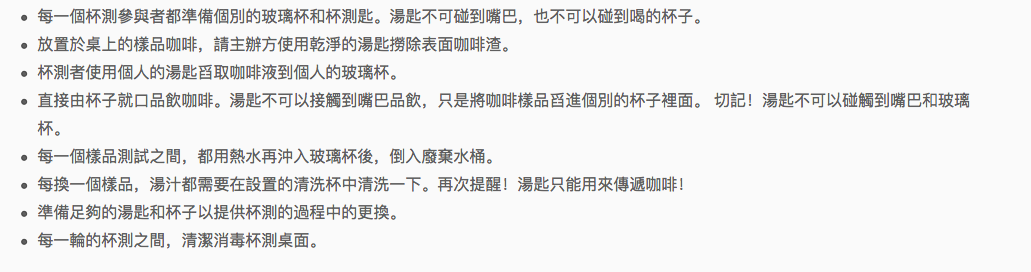
Take the special circumstances of recent years as an example. With global attention to COVID-19, related hygiene measures have also been incorporated into cupping standards. For instance, the SCA adjusted its cupping rules accordingly, and one important change was providing each participant with a dedicated cupping cup to reduce cross-contact—this is the so-called "indirect cupping method."

The following are several hygiene and behavioral norms that should be given special attention at cupping events:
1. Health first: If you feel unwell, even with a slight cold, please avoid participating in cupping. Even with a personal dedicated cup, you may still affect others through droplets or contact. This is the most basic etiquette.
2. Basic hygiene habits are essential: Wash your hands frequently and do not touch your face with your hands; thoroughly clean the cupping spoon before and after each use. It is recommended to use the boiling water provided on site for sterilization, and promptly empty used spit cups to keep the table clean.
3. Avoid sharing tasting cups or spoons with others. This is not only about personal hygiene but also shows respect for others' health.
4. Large-group shared cupping formats are not recommended for coffee tasting. If there are many people, it is advisable to switch to drip or pour-over methods, with each person using their own private cupware. This is safer and more hygienic, and also allows everyone a more comfortable tasting experience.
5. Use disposable or thoroughly sanitized cupping spoons. Some professional events have begun adopting this practice to ensure each participant uses clean tools for every taste, reducing hygiene risks.
6. Organizers can arrange an independent cupping process for attendees. This format requires more cupping utensils, coffee beans and space support, but it allows participants to taste at their own pace without interfering with each other, improving the overall experience quality.
Overall, participating in cupping is not only a process of tasting coffee but also an opportunity for learning and exchange. From mastering basic rules to understanding hygiene details, every aspect affects the scientific rigor and experience of cupping. We hope every friend trying cupping for the first time can, on the basis of full preparation, better enjoy the charm of coffee while displaying the professionalism and courtesy expected.