Coffee Cupping for Beginners: Who Should Join, Key Precautions, and Its Tasting Value
Introduction: Cupping, as the core method of professional coffee quality control, not only systematically evaluates the flavor characteristics of coffee beans but is also an essential skill for roasters and quality control personnel. This article answers who is suited to participate in cupping, the key details to note in everyday cupping, and explores in depth the important significance of cupping in coffee quality management. Whether you are a coffee enthusiast or an industry professional, you can gain practical tasting techniques and industry insight from it.
Although cupping cannot fully reproduce the coffee experience of everyday brewing (such as pour-over, espresso, etc.), it is currently one of the most standardized and reproducible tasting methods. This fast and efficient comparative tasting method is particularly suited to coffee bean quality control. In the quality control process, the focus should be on consistency of results rather than complexity of process—ensuring that every batch of coffee beans leaving the roasting plant achieves stable quality, and 100% cupping quality control coverage with easily replicable operating procedures is precisely the key to achieving this goal.
It is worth noting that brewing methods such as pour-over are affected by many variables (such as water temperature, pouring technique, grind size, etc.), making it difficult to guarantee that the flavor is completely consistent every time. In contrast, cupping, through unified operating standards, can more objectively reflect the flavor characteristics of the coffee beans themselves.
In the field of professional coffee sensory analysis, although cupping is a commonly used tool, it still faces many challenges. One of the greatest difficulties is how to establish scientific measurement standards and verify their accuracy. Taking water activity or moisture content as an example, although we hope to observe the influence of these factors on coffee flavor through cupping, we cannot simply attribute all differences in cupping records (whether score changes or flavor descriptions) to this. We must acknowledge that cupping itself has a certain subjectivity and operational error.
At present, there is still a great deal of research space in the field of coffee sensory analysis. Although cupping descriptions can provide reference for research on water activity and other factors, relying solely on cupping to verify experimental conclusions has limitations—this method relies on subjective descriptions and vaguely defined terminology, which easily produces uncontrollable bias. However, in actual practice, cupping remains the industry's common evaluation method. Its core is to ensure, as far as possible through standardized procedures, that the recorded sensory differences originate from the coffee itself rather than from variables in cupping preparation or execution.
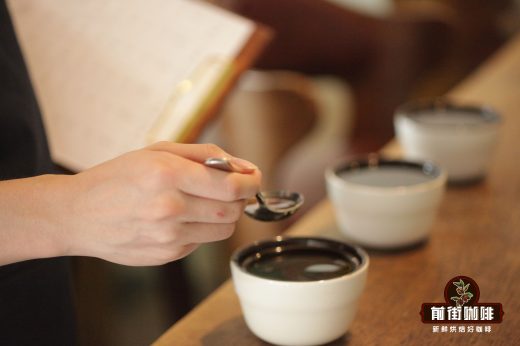
So, what is the standard cupping procedure? Generally speaking, it refers to uniformly roasting green beans of a specific roast level according to established rules (such as the standards set by the SCA Specialty Coffee Association), tasting using a fixed cupping procedure, and evaluating the coffee's flavor and aroma through professional sensory terminology. This process requires strict adherence to parameters: for example, water temperature is usually controlled at around 93°C, the coffee-to-water ratio is about 1:18.18, and the grind size is close to that of fine granulated sugar.
The people who participate in cupping are not limited to professionals. Coffee roasters, quality management personnel, baristas, and even experienced enthusiasts can all improve their sensitivity to coffee flavor through cupping. For roasters, cupping is the core tool for evaluating whether the roasting curve is appropriate and judging the quality of green beans—it can be said that post-roast cupping is a fundamental skill of this profession. Through regular cupping, roasters can gradually build a flavor memory library and adjust roasting strategies more precisely.
To accurately perceive flavor in cupping, keen senses are the foundation, but daily continuous training is even more necessary. The improvement of flavor identification ability does not happen overnight; rather, experience is gradually accumulated through repeated practice and comparing coffee beans from different origins/processing methods. Common training methods include blind tasting coffees from different regions, recording flavor notes, and participating in cupping group discussions.
During the preparation and execution stages of cupping, controlling variables is crucial. From the grinding time of the coffee beans (fresh grinding is recommended), the pouring technique (slow central pouring to avoid splashing), to the cleanliness of the tasting environment (avoiding interference from off-flavors), every step may affect the final flavor judgment. A professional cupping environment usually requires no direct strong light, no ventilation interference, and the use of uniform white cups to ensure visual neutrality.
In summary, the significance of cupping lies not only in evaluating the inherent flavor characteristics of coffee beans (including dimensions such as sweetness, acidity, body, and aftertaste), but also in being an important bridge connecting cultivation, roasting, and brewing. For industry professionals, it is a scientific tool for quality control; for enthusiasts, it is the introductory key to a deeper understanding of coffee flavor. Through standardized cupping practice, we can more objectively appreciate the unique charm of every cup of coffee.