Colombia Coffee Regions: 7 Key Areas and Pour-Over Flavor Guide
Introduction: As one of the world's top coffee-producing regions, Colombia's diverse geography gives rise to coffees of strikingly different styles. This article takes an in-depth look at the terroir of the three classic MAM regions and the southern high-altitude micro-regions, explains the characteristics of mainstream varieties such as Caturra and Geisha, and compares the flavor differences of seven mainstream processing methods. At the end, you'll find professional pour-over parameter recommendations and the actual cupping performance of representative beans from the seven major regions, helping you precisely match your flavor preferences.
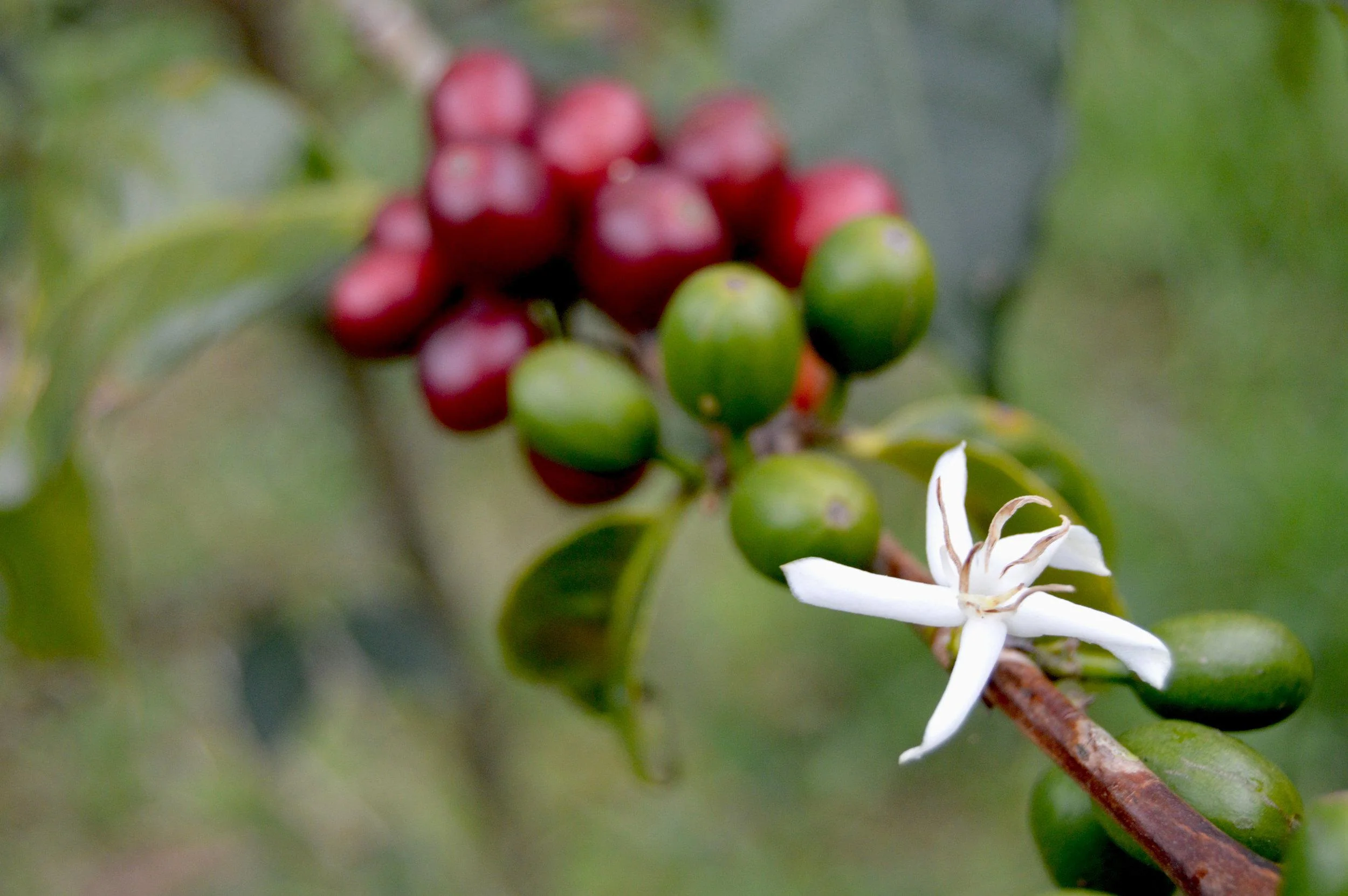
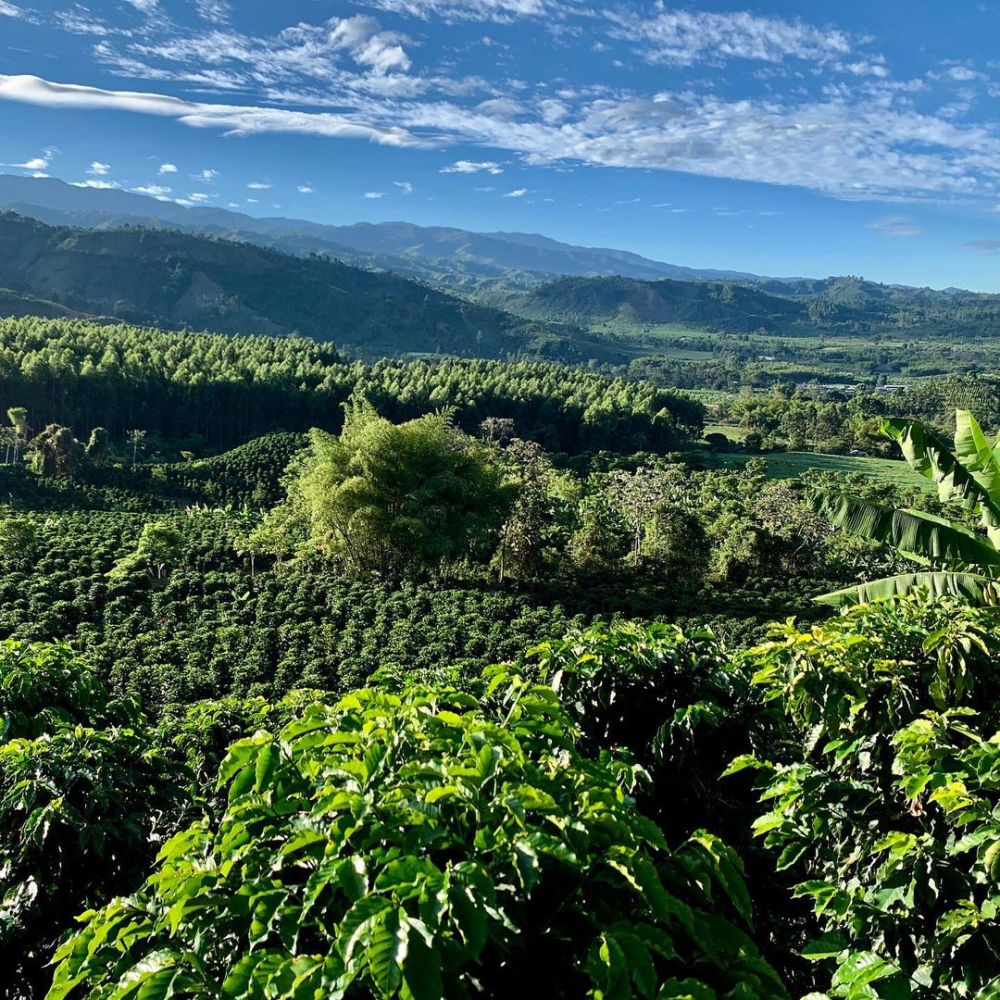
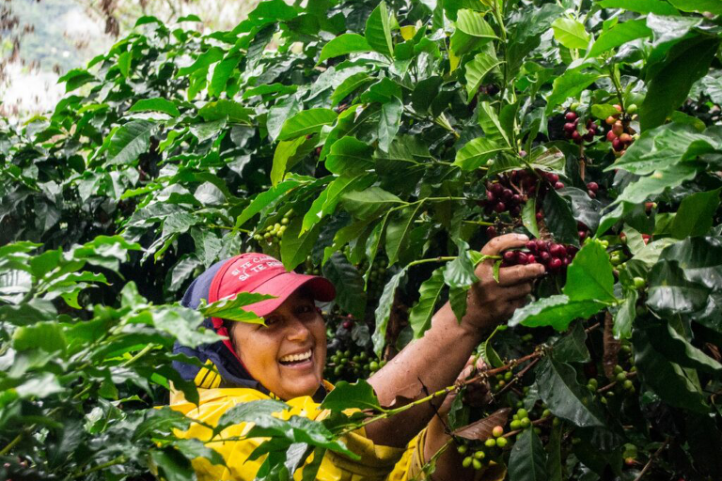
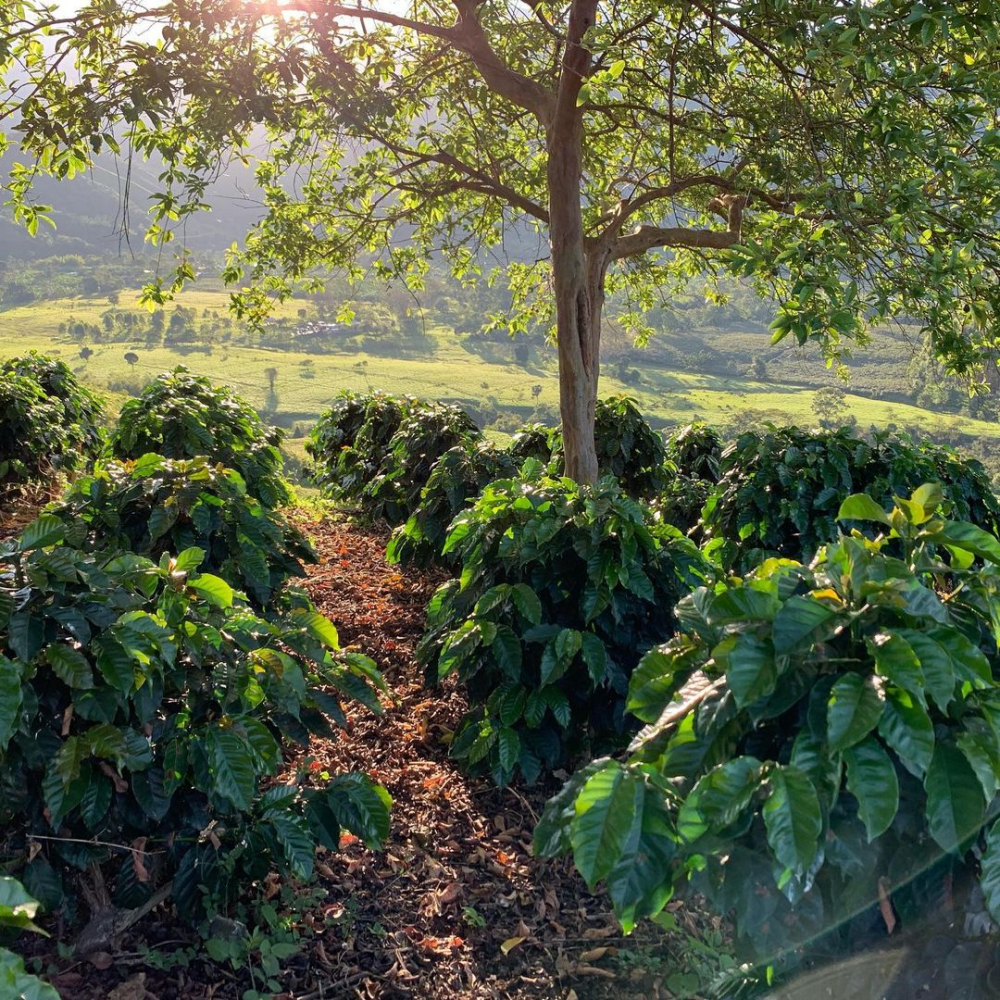
Colombia straddles the equator, with the Andes running the length of the country; its unique high-altitude terrain and tropical highland climate create a premium coffee belt rarely seen elsewhere in the world. The country's coffee-growing areas are concentrated in volcanic soil zones at 1,200–2,000 meters, with average temperatures holding in the golden range of 18–21°C, and the day-night temperature difference drives sugar accumulation, allowing the coffee fruit to retain bright acidity while developing a rich, layered mouthfeel.
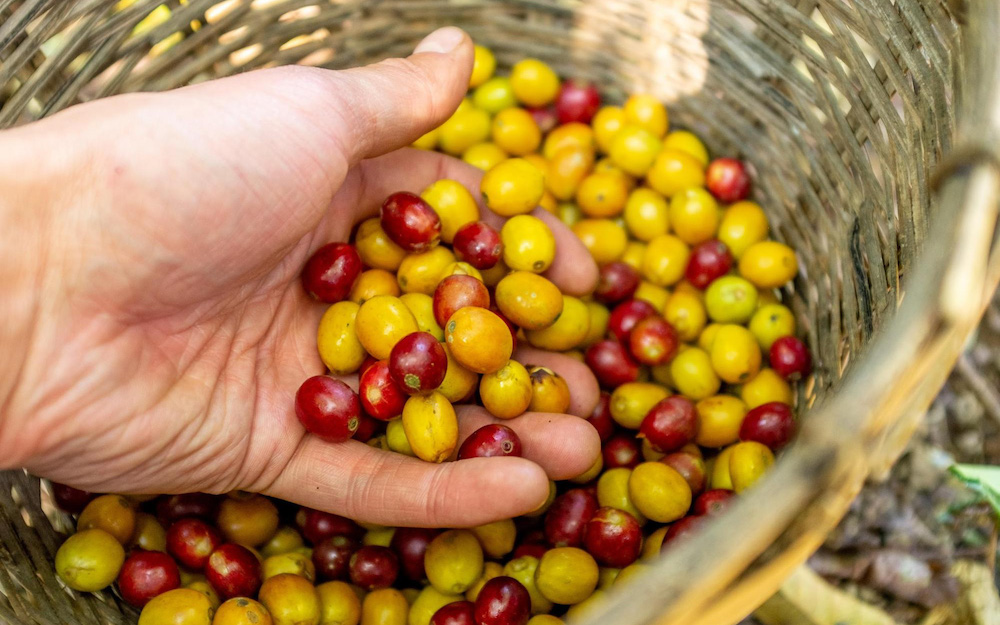
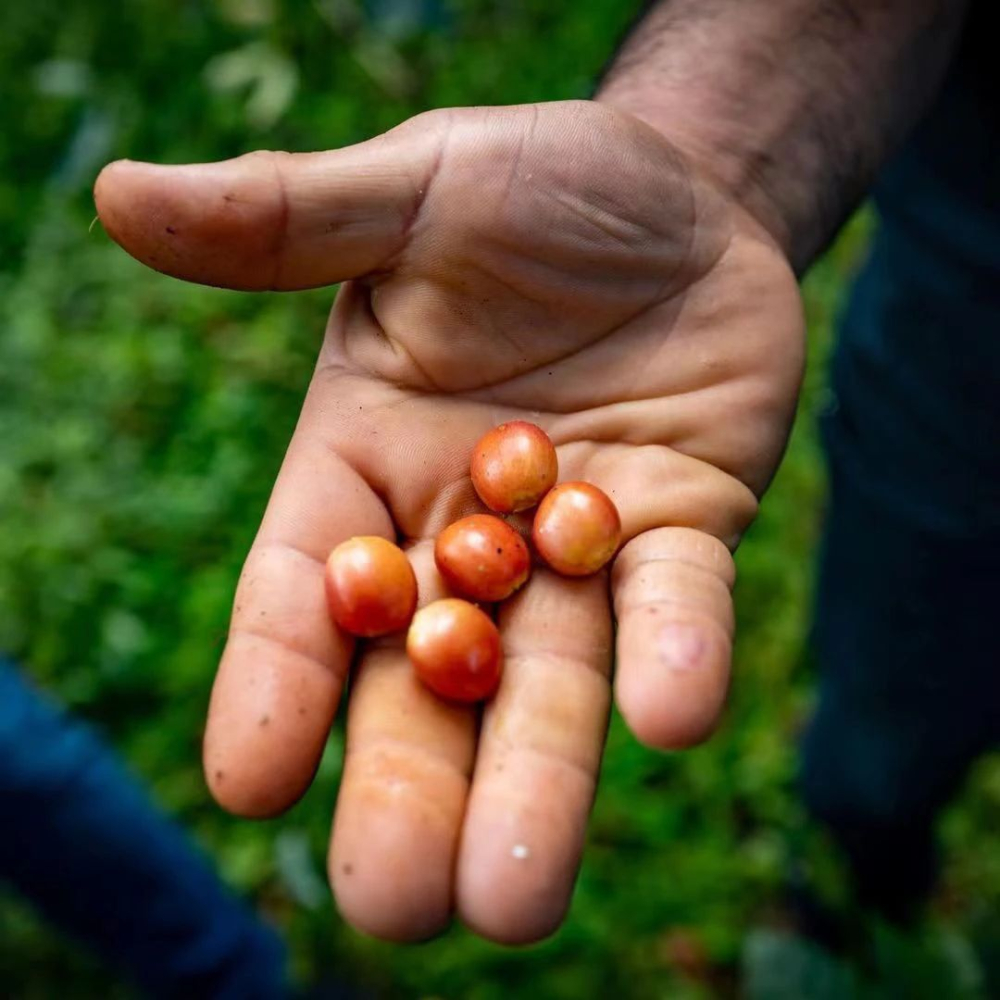
In terms of variety lineage, Colombia's main plantings are Caturra (45% of the total) and Castillo (35%). Caturra inherits Bourbon blood but has a shorter, more compact plant, with per-tree yields 20%–30% higher than traditional Bourbon while maintaining similar disease resistance; Castillo is a leaf-rust-resistant star variety successfully bred in 2005 and now dominates export volumes. Among niche varieties, Pink Bourbon is extremely difficult to produce consistently because of the dominant-recessive nature of its pollen genes, while the introduction of Geisha is closely tied to technology spillover from Panama's Hacienda La Esmeralda—the first experimental planting in 2007 succeeded in the cloud belt at around 1,800 meters.
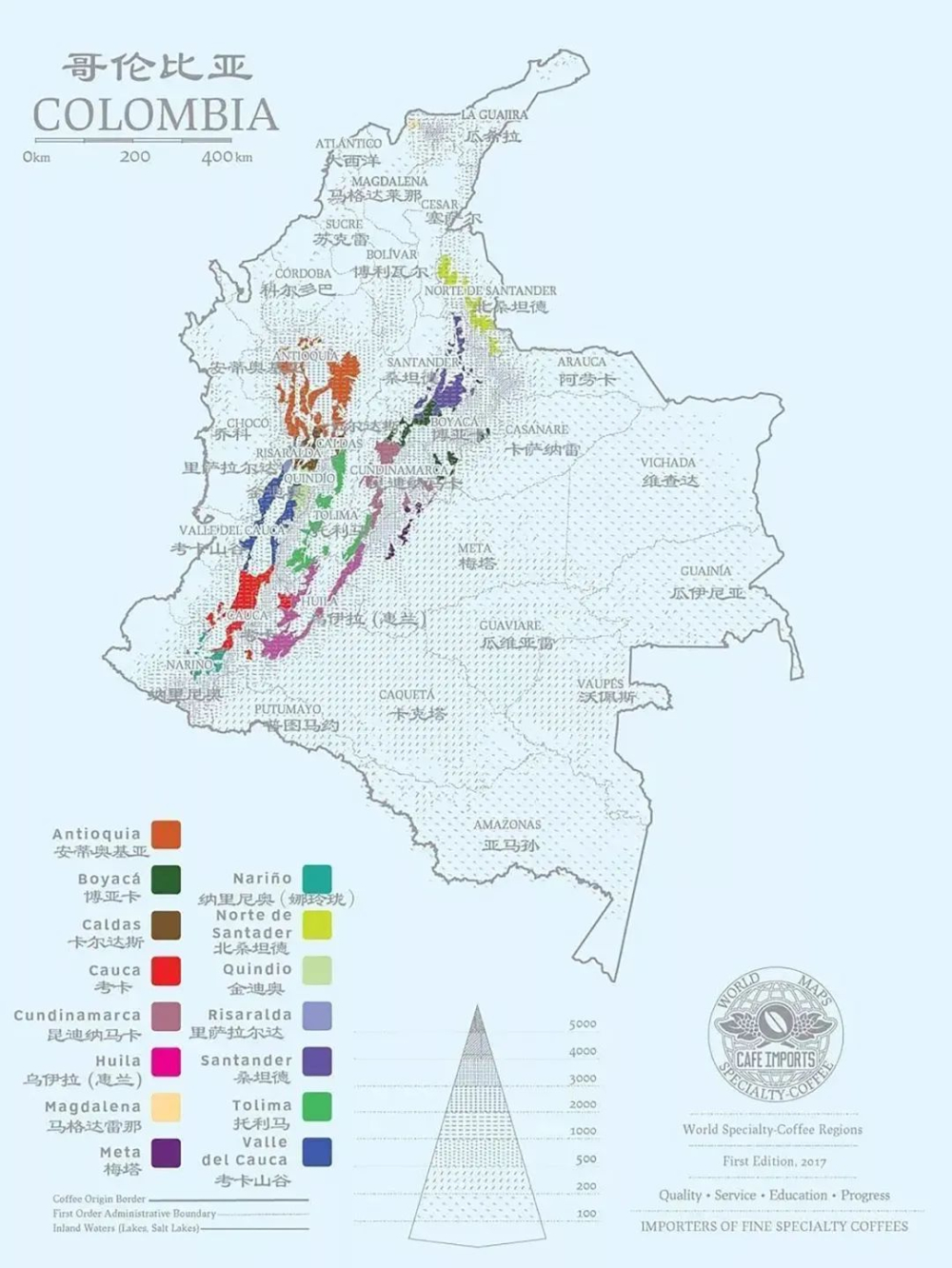
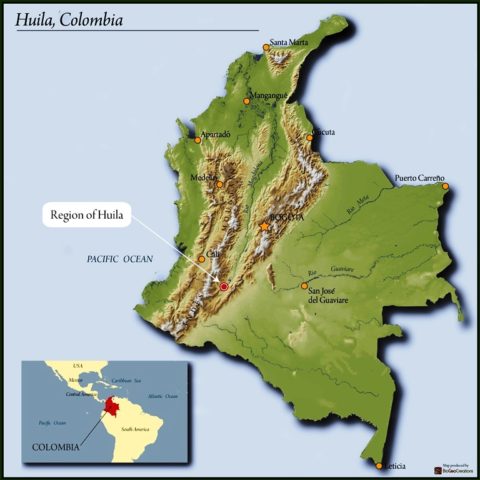
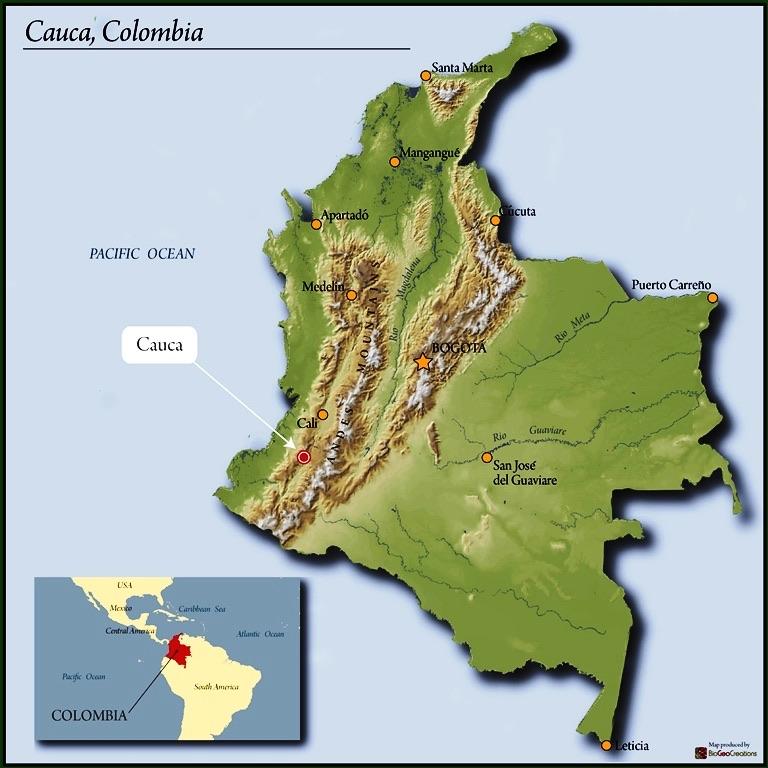
Focusing on the core regions, the "MAM triangle" (Medellín/Manizales/Armenia) is known for balance and body, but the true essence of regional terroir is shown by the four southern provinces: Huila, with its mountain microclimates above 1,500 meters, produces bright citrus notes and a black-tea finish; Cauca's extreme altitude of 2,100 meters combined with a bimodal rainfall pattern yields top lots with average sweetness values as high as 8.2°Brix; in Nariño, where volcanic rock soils in the west meet the Pacific monsoon, beans are full in shape yet very high in density; and Tolima, sheltered by a north-south mountain barrier, forms a unique microclimate zone, with a cooperative model ensuring consistent processing quality.
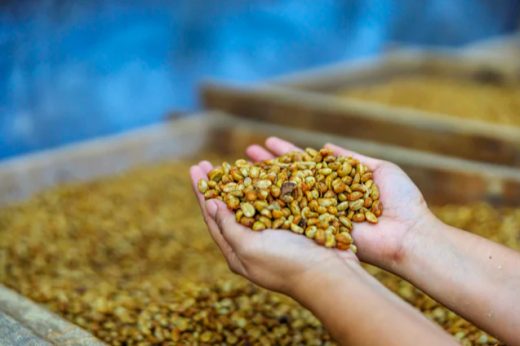
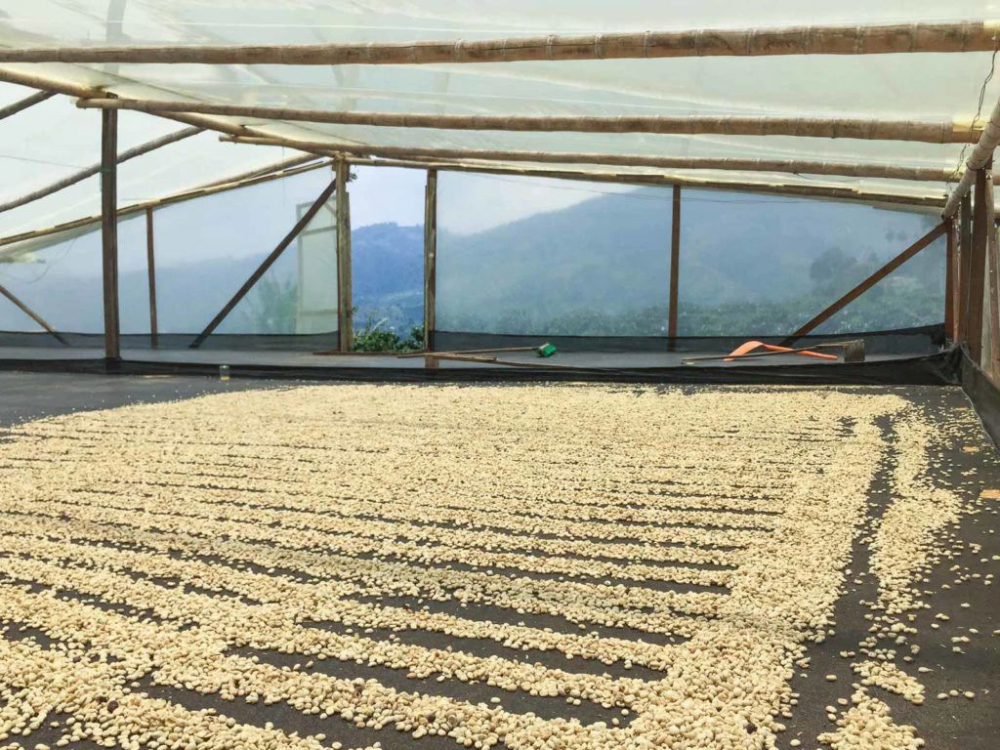
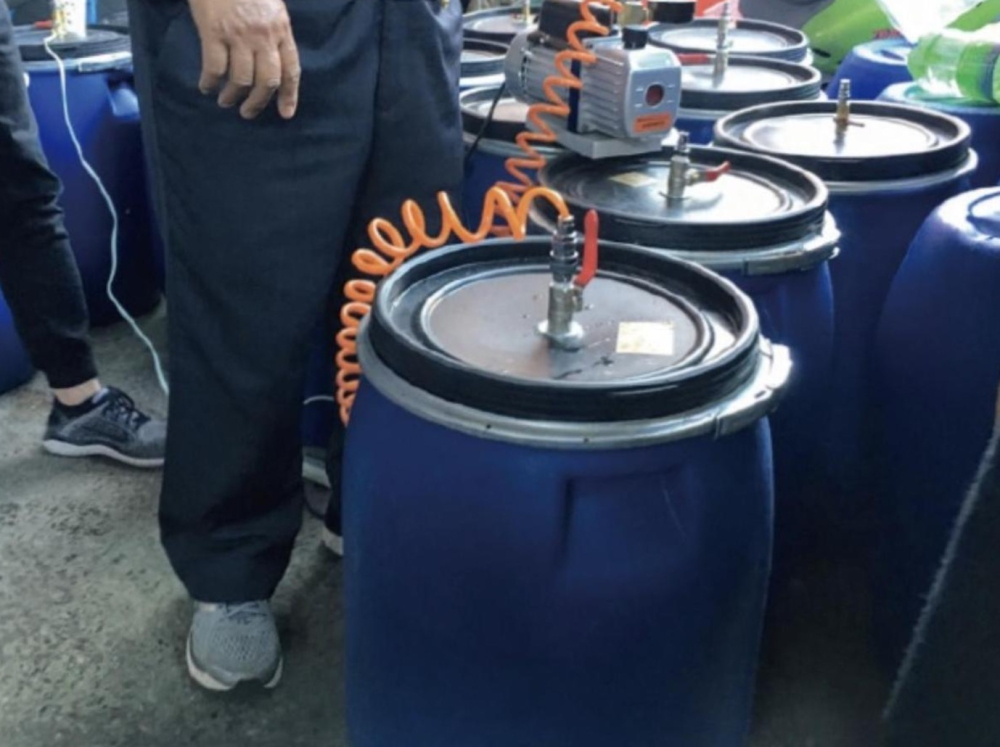
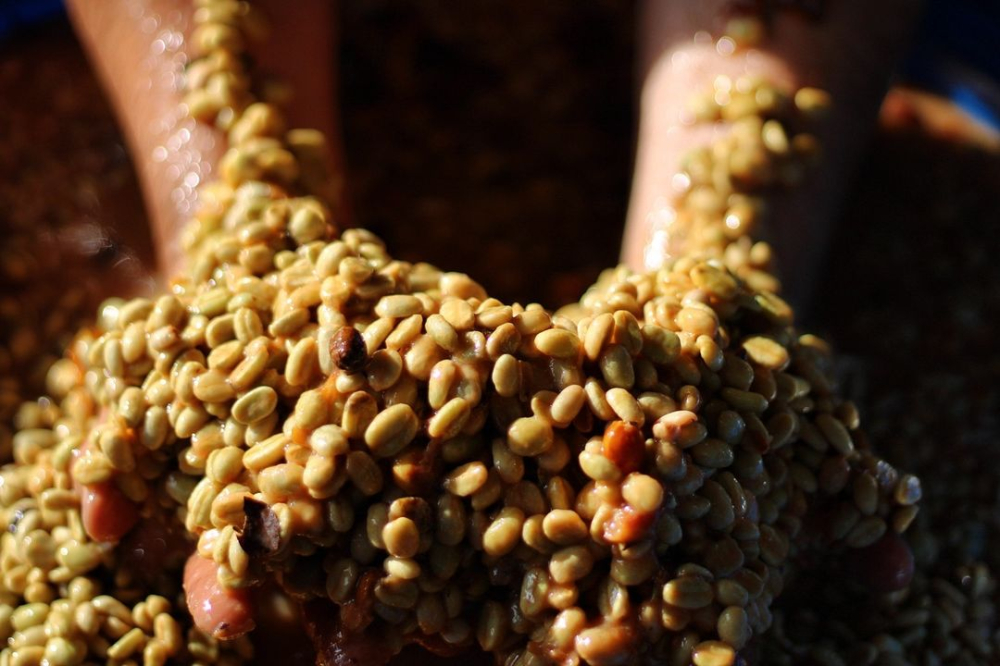
On processing innovation, the traditional washed method (about 40% of production) uses 16–36 hours of mucilage fermentation to shape a clear nutty base and balanced sweet-tart ratio; emerging anaerobic techniques have branched into multiple paths—double anaerobic enzyme-washed processing reinforces tropical fruit aromas through two anaerobic fermentations, while anaerobic natural processing retains the sugar of the fruit pulp while developing compound winey and caramel flavors. Experimental data show that anaerobic processing can increase total aromatic compounds in the beans by 15%–20%, but fermentation temperature must be strictly controlled within 8–12°C to avoid contamination by unwanted bacteria.
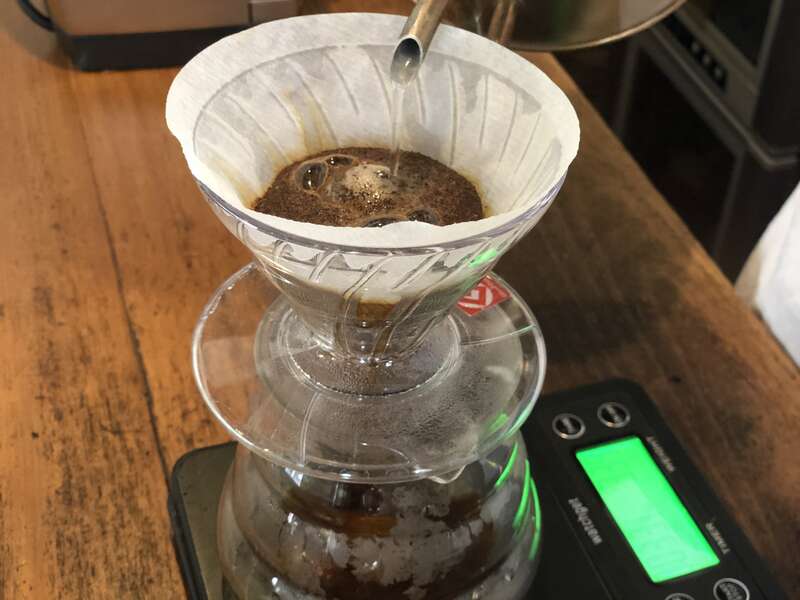
For home brewing, a V60 dripper with 90°C water and a three-pour extraction is recommended: start with a 30-gram bloom for 30 seconds to activate aromas, then pour in a thin stream up to 125 grams in stages, and when the water level drops to the surface of the coffee bed, continue pouring to 225 grams to finish extraction (total time 2:05 ±10 seconds). A grind setting of BG#6M is suggested (equivalent to 80% passing through a Chinese standard No. 20 sieve); in practice, adjust by watching the flow rate—the ideal is a uniform percolation rate of 1–2 drops per second.
The flavors of representative beans from each region are highly recognizable: the anaerobic natural lot from Finca El Estor Galdín in Huila has an intense fermented berry aroma with a honeyed, sweet finish; the double anaerobic washed beans from the San Agustín region highlight peach-juice character and a creamy chocolate texture; for an entry-level everyday bean, the Caturra from Finca El Roble in Santander offers an excellent value classic combination of nuts and dark chocolate. Professional cupping data show that high-altitude lots (1,800+ meters) generally score 1.5–2 grades higher in sweetness than lower-altitude beans, with an even more marked increase in acidity liveliness.
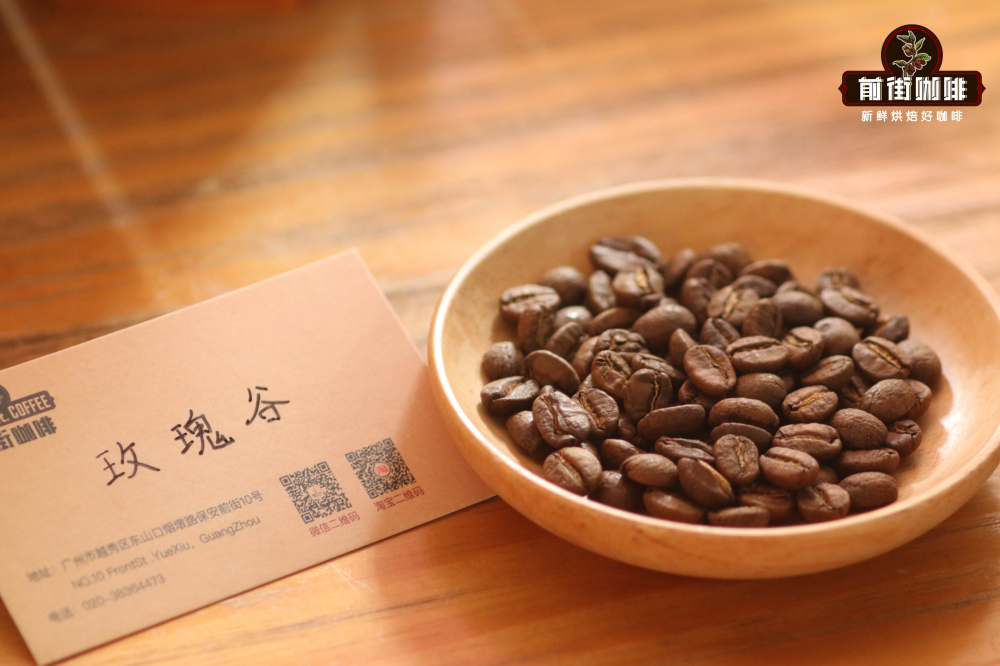
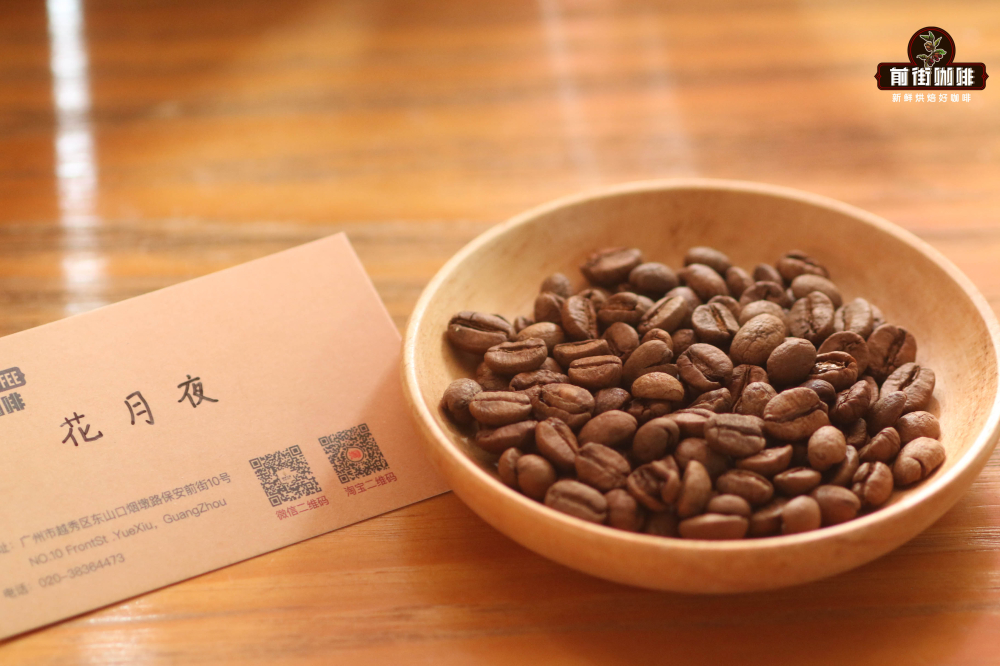
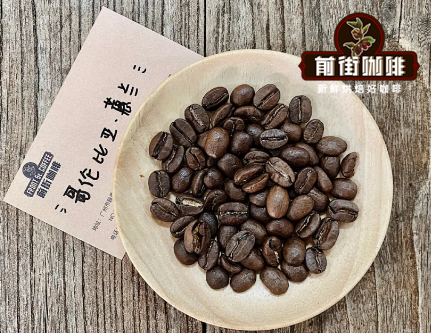


It is worth noting that resting requirements differ noticeably by processing method—washed beans are best drunk 7–10 days after roasting, while anaerobic lots need 14–21 days to reach peak flavor. For storage, use aluminum foil bags with one-way degassing valves, keep ambient humidity strictly within 45%–55%, and avoid direct sunlight, which causes aromatic compounds to volatilize.