Starbucks Colombia Coffee Bean Flavor Analysis and Pour-Over Guide (with Stamp Design Story)
Introduction: This article takes an in-depth look at the origin story, grading standards, and distinctive flavor characteristics of Starbucks' classic Colombia coffee beans, and reveals the Latin American artistic inspiration behind the stamp on the packaging. It provides professional-level flavor descriptions and pour-over parameter recommendations, along with actual tasting feedback from a Korean barista team, to help you precisely master the brewing techniques and pairing options for this medium-bodied coffee.
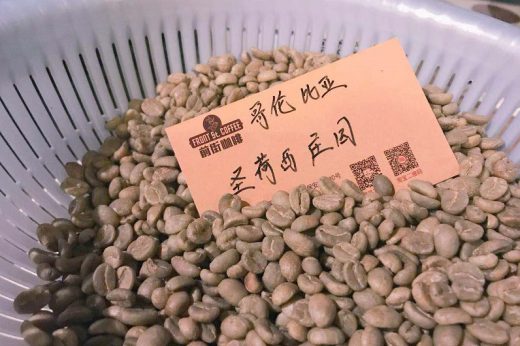
On the Starbucks roasted bean shelf, there is a classic product born in 1990—the Supremo coffee beans from the Nariño Department of Colombia. This Central/South American bean variety, known for its mild and mellow character, has become a daily choice for many coffee lovers thanks to its clear nutty notes and moderate, balanced acidity. Its roast level falls between medium and medium-dark, preserving the lively fruit acidity of the green beans while bringing a gentle caramel sweetness through moderate caramelization.
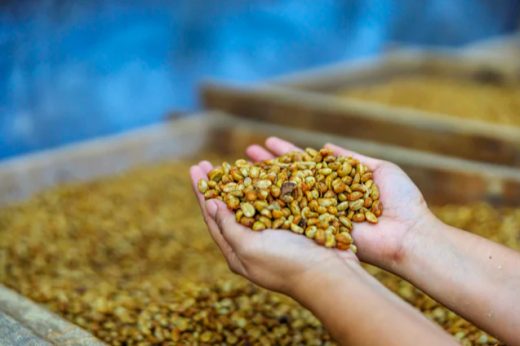
The producing region of Nariño is located in southwestern Colombia, where volcanic soil at an altitude of 1,400–1,800 meters gives the beans their plump character. The region uses a strict shade-grown system, and the coffee cherries take 10–15 days longer to mature than those on the plains, allowing the fruit to accumulate a richer array of aromatic compounds. Notably, Starbucks applies its "Supremo" grading standard to raw material from this region, selecting only high-quality green beans sized 17 screen or larger (about 8.5 mm), meeting density requirements, and with a defect rate below 3%.
As for the iconic movie-poster-style stamp on the packaging, its design draws on the visual language of Latin American cinema's golden age in the 1930s–50s. The imagery blends pre-Columbian motifs with modern constructivist elements, conveying the vitality of coffee farming through high-contrast color blocks and dynamic composition. This design approach both echoes Colombia's deep cultural heritage and gives the product unique collectible value.
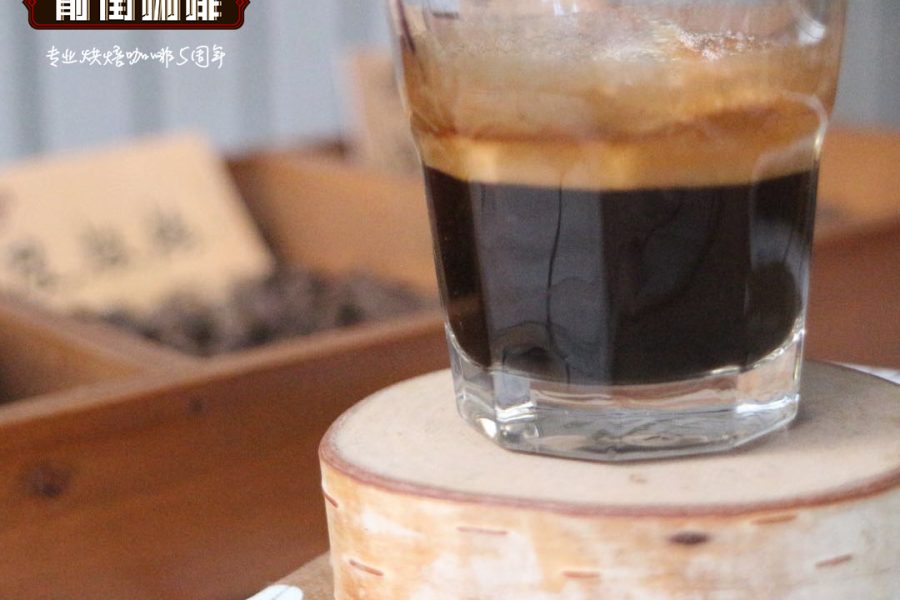
Actual brewing experience (referencing records from a Korean coffee research team) shows that using a French press with 92°C filtered water (left to stand for 2 minutes beforehand), a coffee-to-water ratio of 1:15, ground to medium-coarse (65% passing through a Chinese standard No. 20 sieve), and a 4-minute extraction yields the most complete flavor layers. The main flavors present an almond-nutty note over a dark chocolate base, with a finish of slight caramel sweetness; acidity intensity is roughly in the pH 5.8–6.0 range.
Professional tasters' feedback shows diverse perceptions:
• The front-palate group noted cocoa bitterness and a mild astringency
• The mid-palate group emphasized nutty aroma and low-acidity comfort
• The finish group highlighted the soothing emotional effect of the smooth mouthfeel
Among these, the description of a "salivation sensation along the sides of the tongue" confirms the synergistic effect of caffeine and quinic acid.
For drinking time, morning between 9 and 11 a.m. is recommended; pairing with a dark chocolate croissant can enhance the flavor layers—the croissant's buttery richness neutralizes the coffee's vegetal bitterness, while the nut filling resonates with the coffee's own almond notes. Be careful to avoid pairing with high-sweetness pastries, lest they mask the coffee's delicate flavor changes.
This bean variety has also given rise to high-end offerings in Starbucks' Reserve series, such as San Fermín, which showcases more complex regional flavor characteristics through single-estate micro-lot processing. For beginners, it is recommended to first try the standard Supremo beans to establish a taste baseline, then gradually explore the flavor differences brought by regional microclimates.