Yunnan Catimor Coffee Bean Guide: History, Flavor and Pour-Over

Introduction: Yunnan is China's largest coffee-producing region, and the Catimor variety, which accounts for 98% of the crop, is known for its distinctive flavor and strong adaptability. This article takes an in-depth look at Catimor's hybrid background and the geographical advantages of Yunnan's core producing areas, compares the differences between washed and natural processing, and provides a professional-grade pour-over recipe to help you fully grasp the growing story and brewing secrets of this Asian coffee staple.
On the mountain slopes of Yunnan at 1,000–2,000 meters above sea level, a coffee variety that covers 98% of the province's planted area is thriving—Catimor. This variety, bred from a cross between Arabica and Robusta, has not only withstood the global spread of leaf rust but also, with its stable yields, become the preferred choice for coffee farms across Asia.
Catimor's story began in East Timor in 1959. Portuguese agricultural experts crossed Caturra, a Bourbon mutation from Brazil, with Timor, which carries Robusta lineage, and unexpectedly produced a new variety with strong disease resistance and high yields. About 25% of its genetic makeup comes from Robusta, which gives Catimor its robust constitution and resistance to leaf rust while retaining the oily sheen and some of the floral and fruity characteristics of Arabica coffee.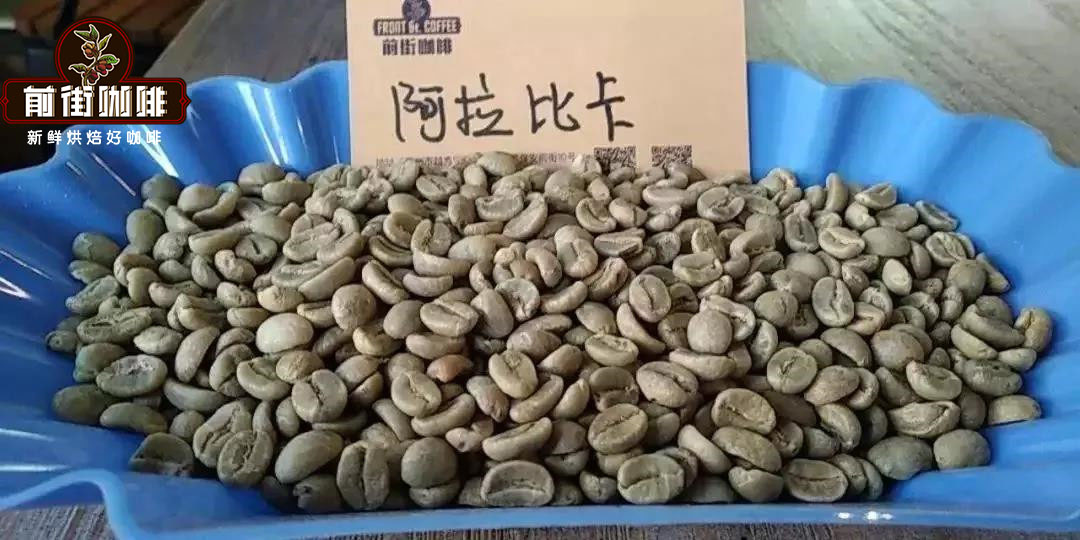
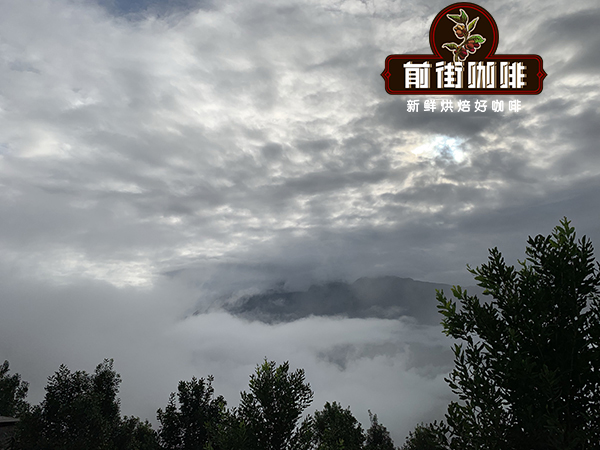
Yunnan's coffee-growing areas are concentrated in the "golden belt" between 15°N and the Tropic of Cancer. Plantations in Pu'er, Baoshan, Lincang and other places are generally located at 1,000–2,000 meters above sea level, where the temperature difference between day and night can exceed 10°C. The fertile red soil mixed with volcanic rock minerals, together with more than 2,000 hours of sunshine a year, gives Catimor coffee its typical flavor of "rich without bitterness, fragrant without harshness"—with a bright fruity acidity and a gentle caramel finish.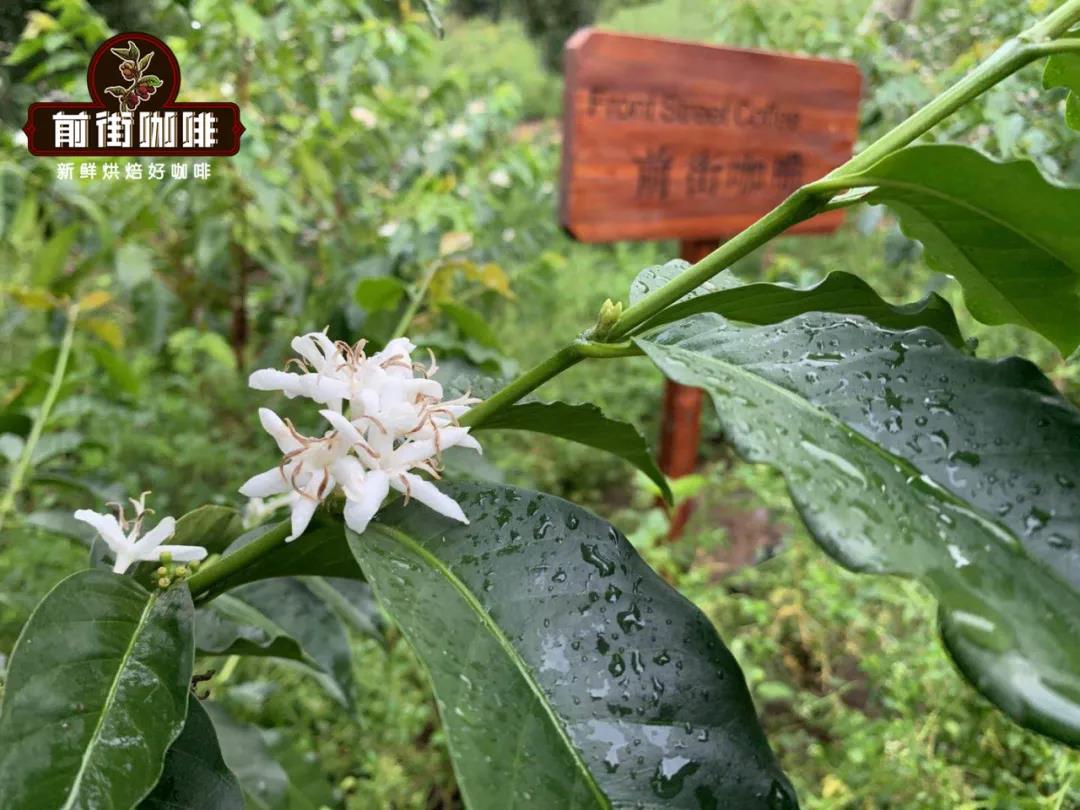
Lujiangba in Baoshan, one of the birthplaces of Yunnan small-bean coffee, has a growing history dating back to 1952. Local coffee trees more than 60 years old are still bearing fruit today. Thanks to the unique dry-hot valley climate of the Nujiang River basin, the Catimor grown here often has more pronounced nutty and chocolate notes. Meanwhile, Dehong Prefecture's 30,000-mu high-altitude growing area above 1,600 meters, which uses organic farming management, produces coffee beans with greater clarity and fresher acidity.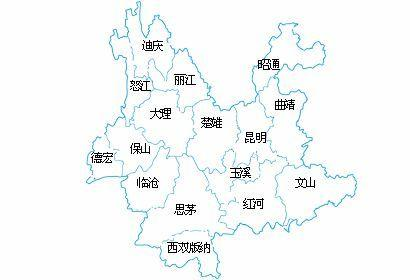
Lincang and Pu'er each have their own characteristics: Lincang promotes standardized cultivation through the establishment of high-quality seedling bases, and its coffee beans perform outstandingly in terms of body; Pu'er, a region with 150 years of history of growing tea and coffee together, has developed a unique tea-coffee synergistic cultivation technique, and some Catimor coffees can present a woody sweetness reminiscent of Pu'er tea.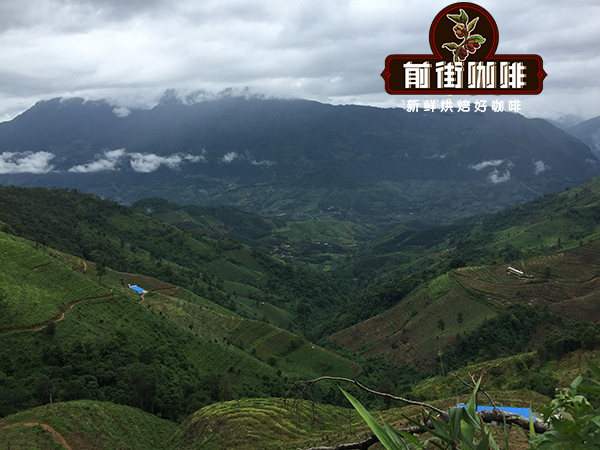
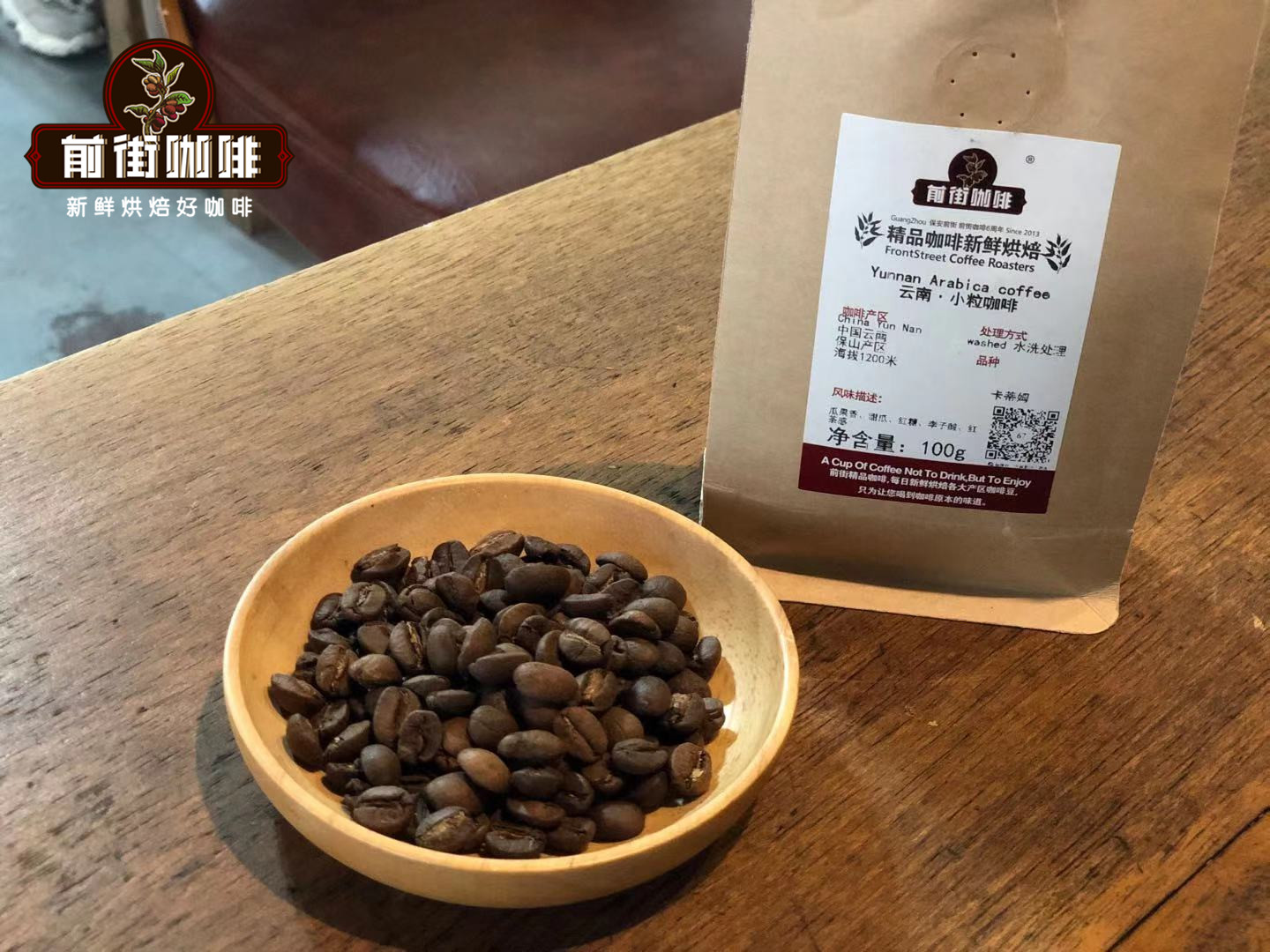
Processing methods directly affect the final flavor presentation. The washed method removes the mucilage layer through fermentation, creating fresh, bright acidity and a clean body, and is well suited to showcasing Catimor's citrus notes and black tea finish. The standard process includes flotation to remove defects, mucilage fermentation (24–36 hours), multiple washes and drying on raised beds (moisture content reduced to 11%±1%).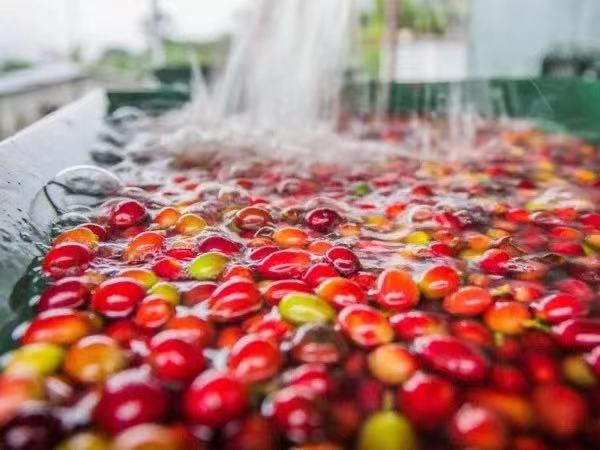
The natural method keeps the whole fruit intact for drying (usually 14–21 days), allowing the coffee to absorb more sugar and develop caramel and tropical fruit flavors. Key steps include: selecting fully red cherries, spreading them evenly on bamboo mats (turning 3–4 times a day), and controlling the final moisture content to below 12%. This process is particularly suited to Yunnan's dry-hot valley producing areas, where it can enhance the coffee's body and brown-sugar sweetness.
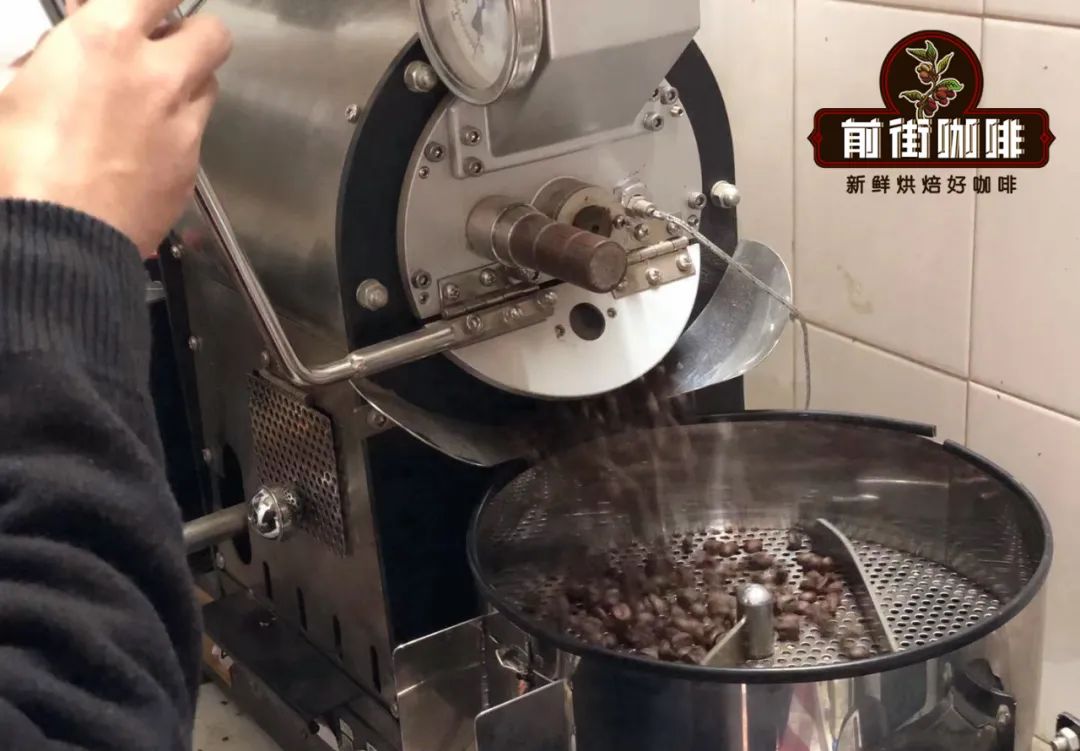
Roasting strategies differ significantly for the different processing methods. Washed Catimor is best given a medium-light roast (Agtron 65–70), with the charge temperature controlled at around 190°C; the development stage after first crack should be kept at 198–200°C to highlight the citrus and nutty layers. Natural-process beans are suited to a medium-dark roast (Agtron 55–60), extending development after first crack to 3 minutes, which can strengthen the expression of cocoa and chocolate flavors.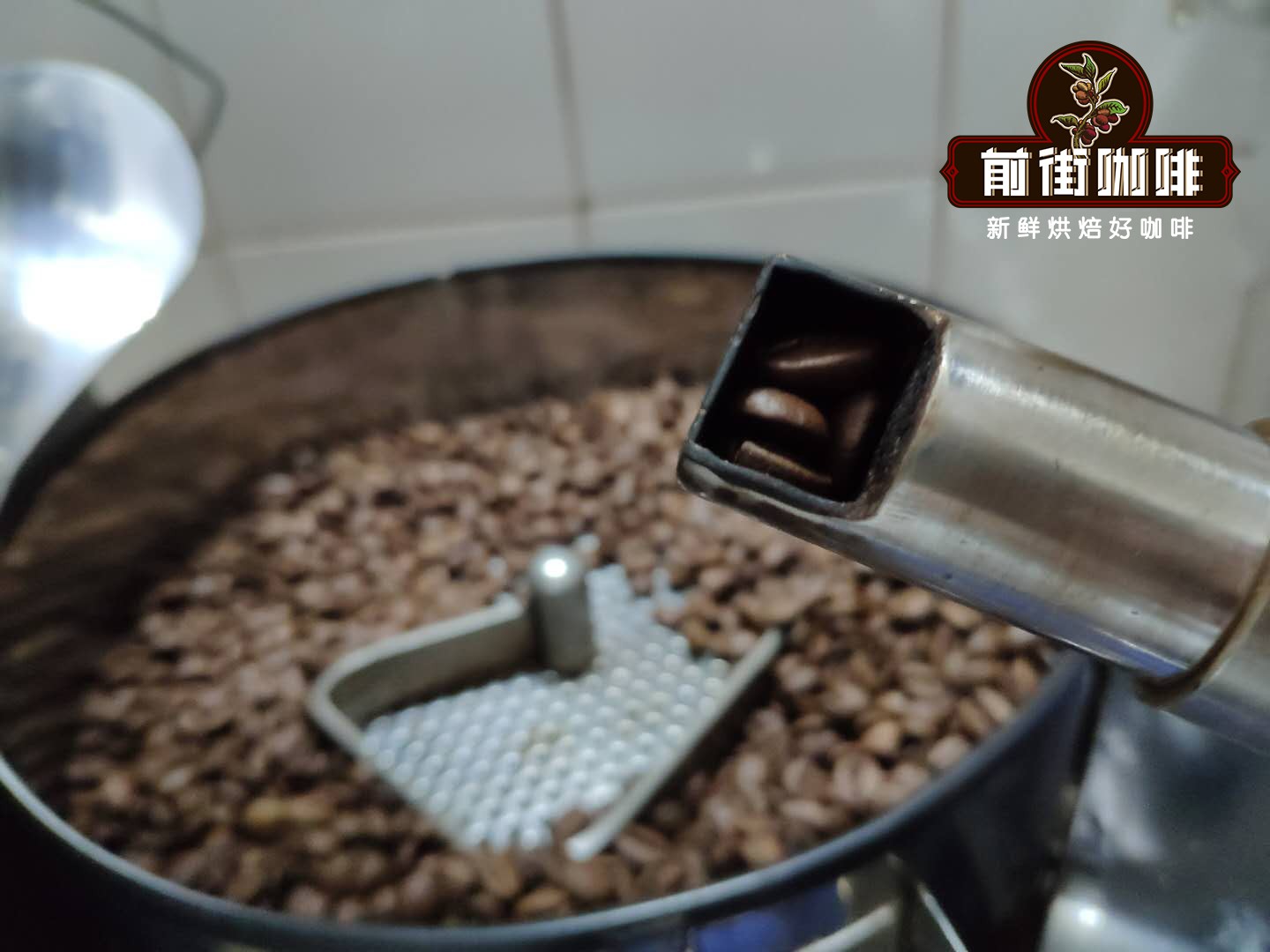
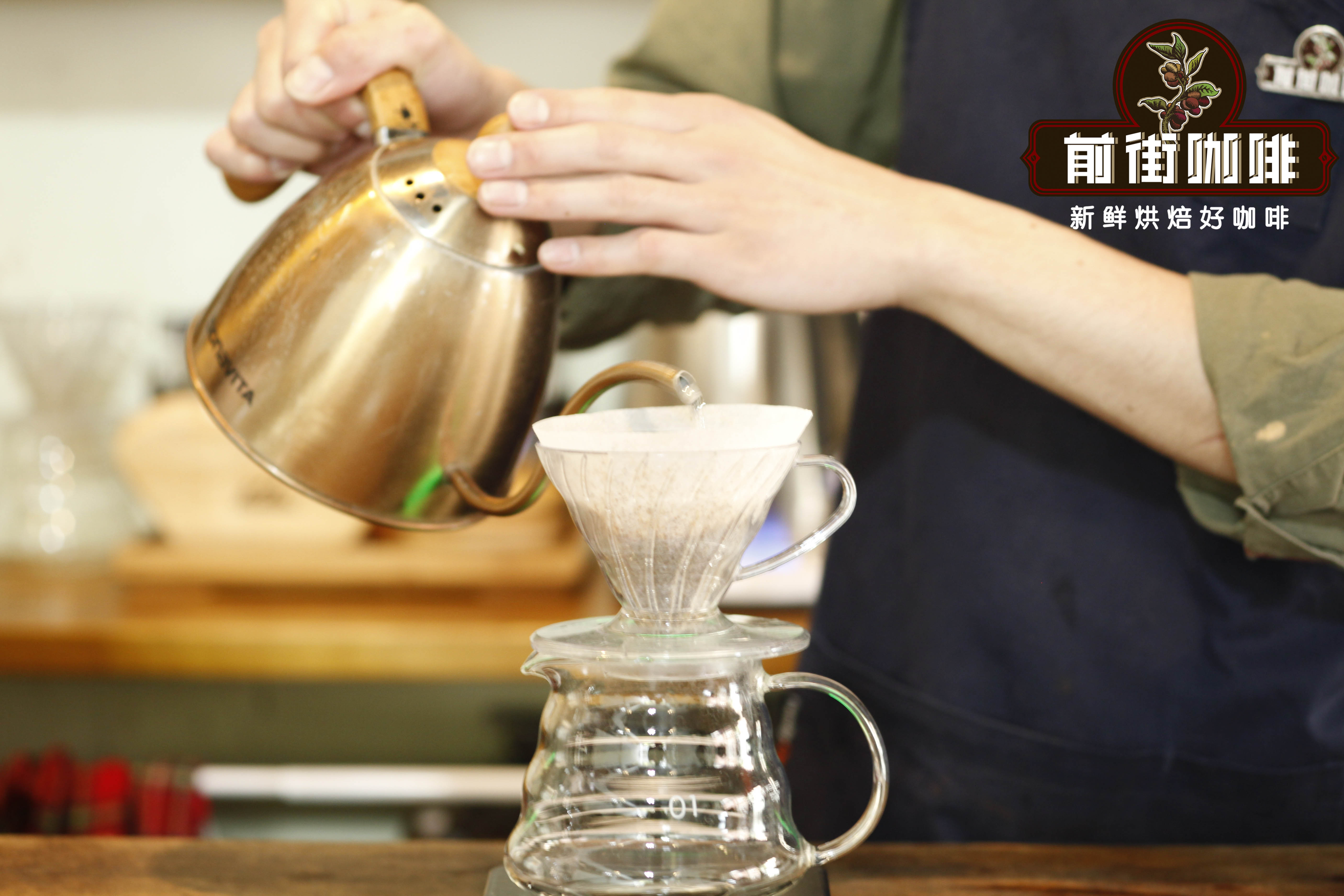
For home brewing, a V60 dripper (φ60mm) is recommended, paired with a medium-fine grind (57% passing through a No. 20 sieve). Washed version parameters: water temperature 90–92°C, coffee-to-water ratio 1:15, bloom with 30 grams of water for 30 seconds, then pour in stages to 227 grams; the natural version can use a higher water temperature of 93°C, with a center pour plus spiral motion, extending the extraction time to 2 minutes 30 seconds to fully release the caramel sweetness. Be careful to keep the pouring stream steady to avoid channeling that can cause localized over-extraction.