Brazil Red Bourbon Cold Brew Guide: Flavor and Storage
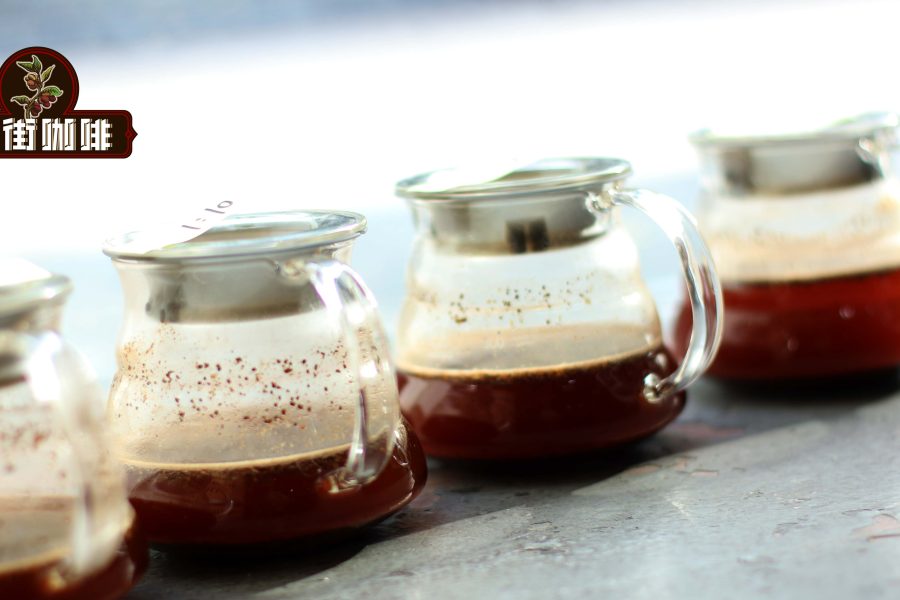
Introduction: Cold brew coffee has become a popular summer choice for its low acidity and smooth mouthfeel. This article explains cold brew's storage period and patterns of flavor change in detail, and focuses on the characteristics of the Brazil Red Bourbon variety. Through scientific ratios and low-temperature slow extraction, it teaches you to make a layered cold brew at home, while offering professional-grade storage advice and flavor optimization tips.
Under proper storage conditions, cold brew coffee can maintain flavor stability for 6 days, with the third day usually reaching its optimal drinking window. This is closely tied to the extraction process and the coffee variety—coarse grinding combined with long immersion in cold water effectively reduces the release of tannic acid, allowing the coffee to retain a purer sweet base.
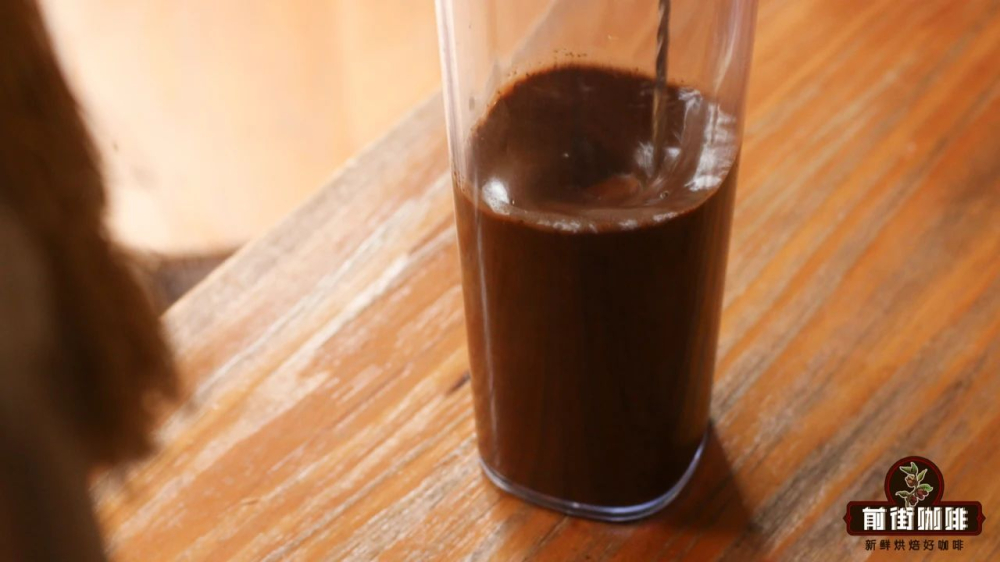
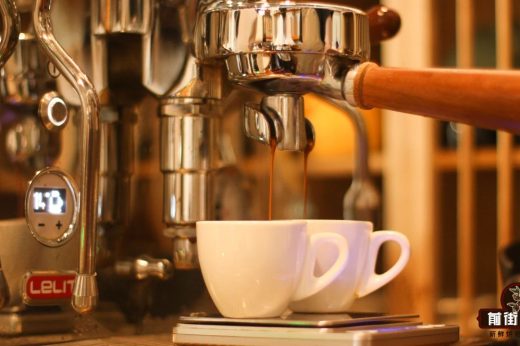
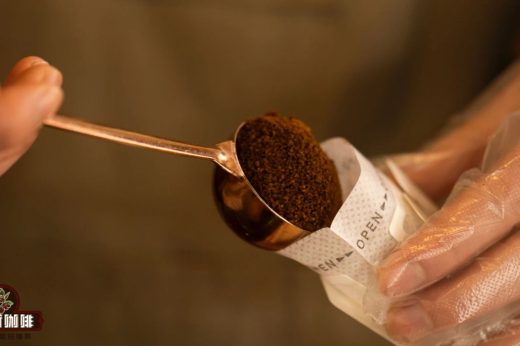
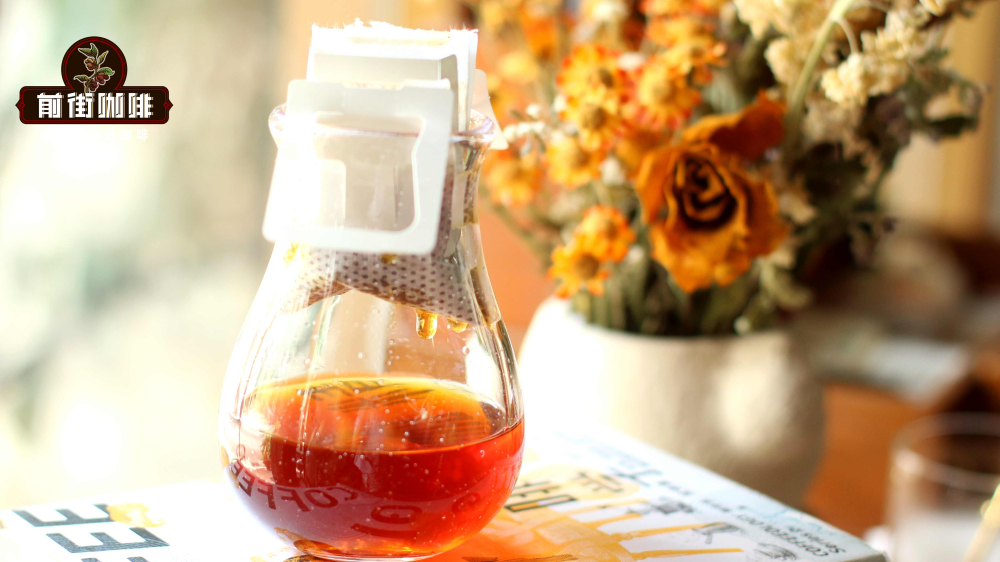
Compared with espresso, which requires professional equipment, cold brew has a significantly lower barrier to entry. The basic approach only requires food-grade filter bags and freshly ground coffee. Place 10 grams of medium-coarse ground coffee into a filter bag, submerge it in a 4°C ice-water mixture (a coffee-to-water ratio of 1:10 is recommended), seal it and refrigerate for 12±2 hours to complete extraction. This low-temperature slow extraction releases caffeine more gradually while preserving more aromatic compounds.
Cold brew coffee kept refrigerated should ideally be consumed within 5-7 days. As storage time lengthens, microbial activity causes fermented flavors to gradually emerge: after 2-3 days the floral and fruity notes begin to fade, and after 5 days off-flavors such as a cardboard taste may appear. If obvious sediment or a surface oil film is observed, the coffee is no longer suitable for drinking.
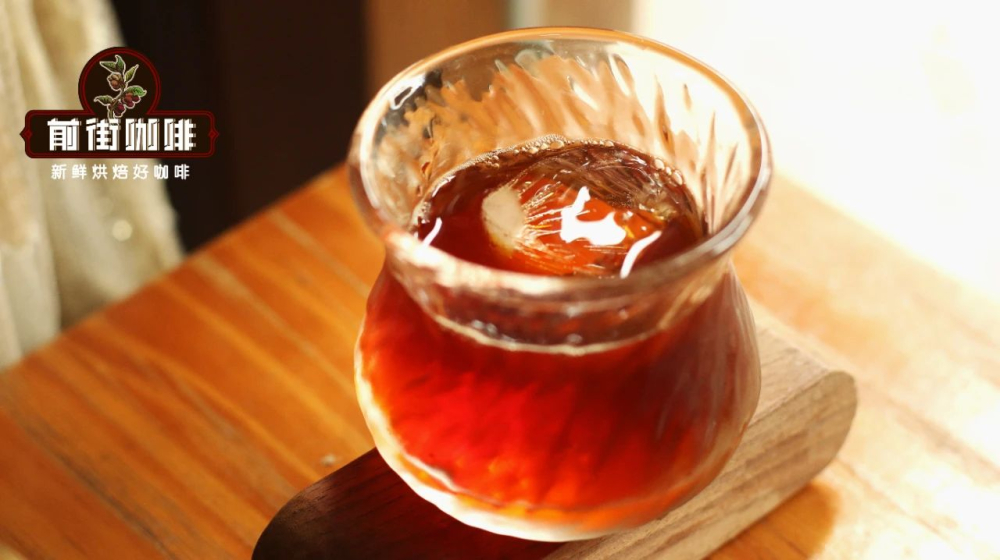
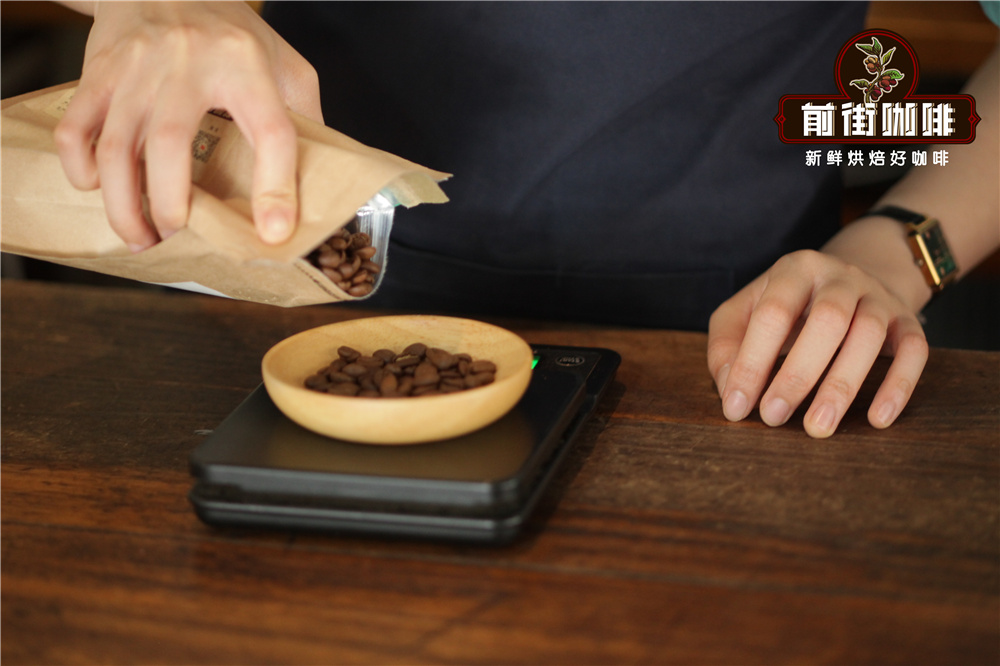
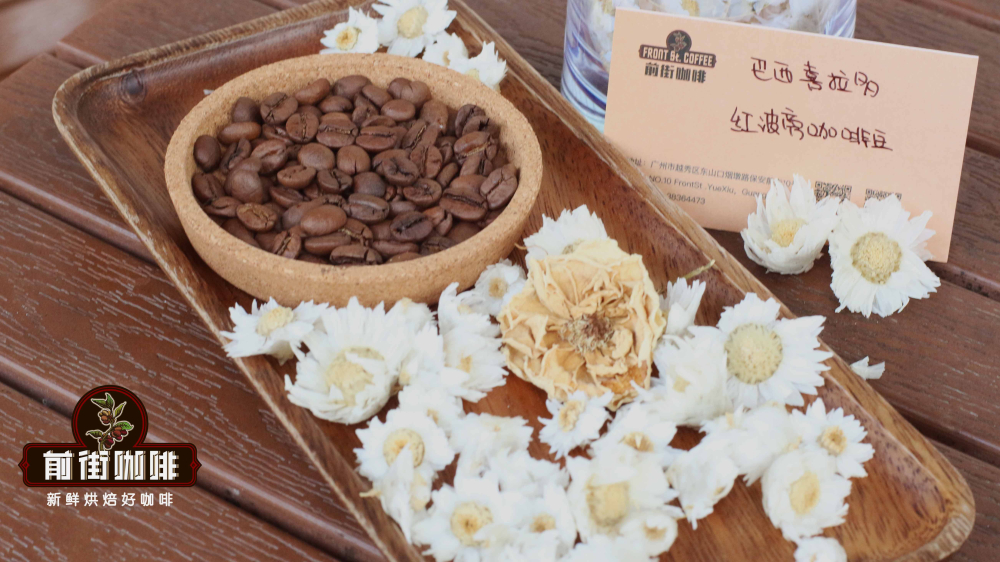
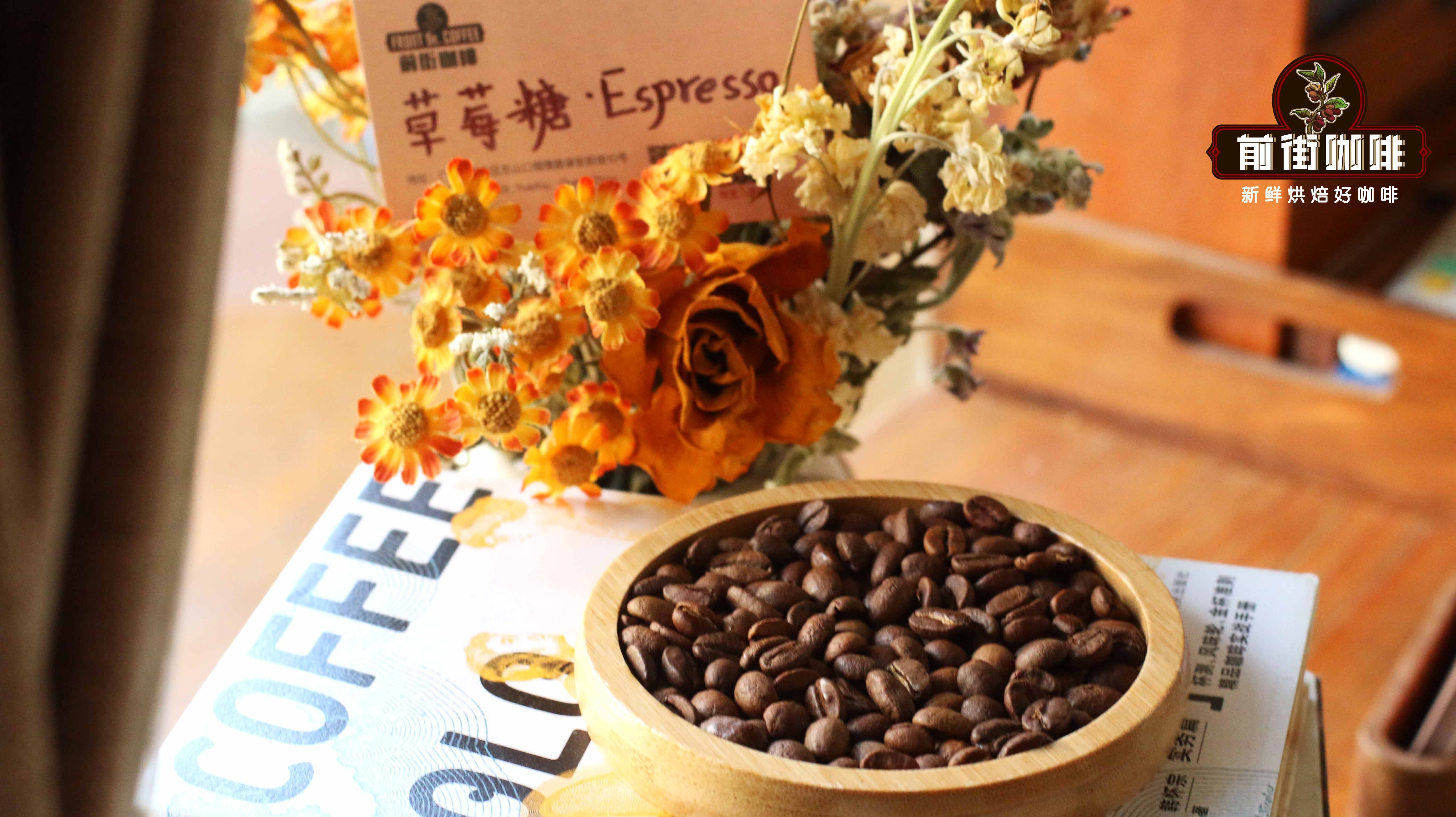
Brazil Red Bourbon coffee beans, with their low acidity (pH 5.8-6.2) and nutty-chocolate base notes, are a classic choice for cold brew. This variety grows in highland areas at an altitude of 1,100-1,300 meters, and after more than 200 hours of sun-drying, it develops a distinctive caramel sweetness and soft body. When brewing, a medium-fine grind (Chinese standard 80-100 mesh) is recommended; pairing with an ice-ball cooling technique can further enhance the sweetness.
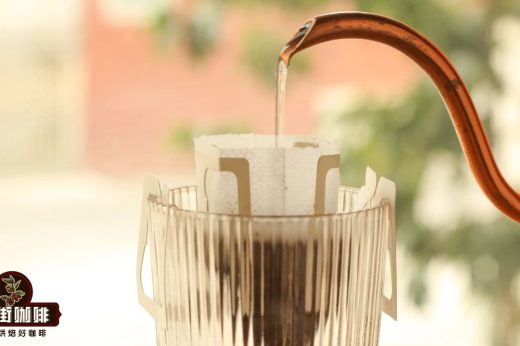
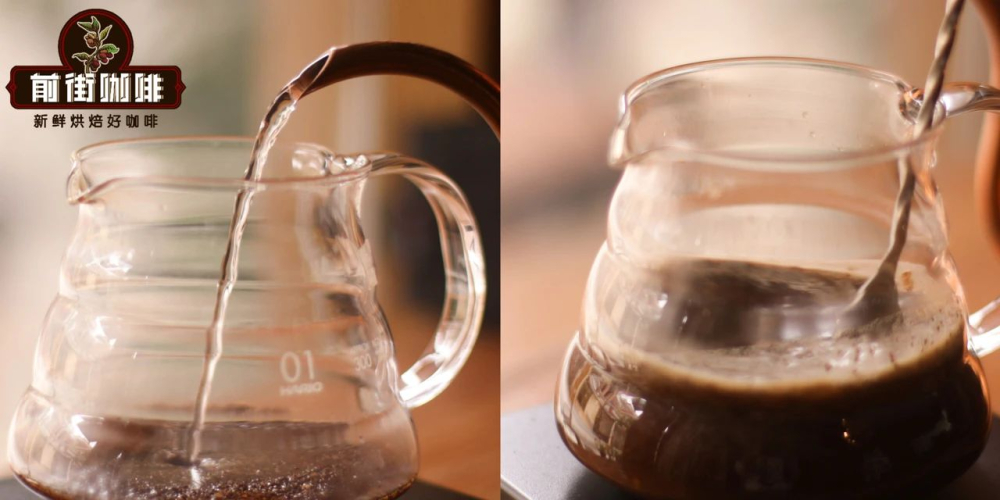
For an advanced cold brew method, using a combination of two drip bags (about 20 grams of coffee in total) and pouring in 200 ml of pre-chilled mineral water (4°C is best) is recommended. Note the following steps:
1. Open the drip bags and keep the filter bags as straining tools
2. Stir slowly in a figure-"8" motion for 30 seconds to ensure even saturation
3. During refrigeration, gently swirl the container every 4 hours to promote balanced extraction
4. After completion, strain a second time through the drip-bag filters to improve clarity
For flavor adjustment, add ingredients according to personal preference:
- Basic version: dilute directly with ice (it is recommended that ice not exceed 30% of the total volume)
- Milk coffee version: 15 ml of whole milk per 100 ml of cold brew
- Specialty version: add 3-5 drops of vanilla extract or citrus zest to enhance complexity
Note that additives should be added after filtration is complete, to avoid affecting the main extraction process.
As for choosing a storage container, a borosilicate glass airtight jar is the best option—its resistance to thermal shock (-30°C to 150°C) prevents condensation from damaging the flavor. If using an ordinary plastic bottle, choose food-grade PP material and ensure it is completely sealed; storing the container upside down reduces the surface area exposed to oxygen.
Professional baristas suggest judging cold brew quality in the following ways:
√ Acceptable: noticeable citrus/caramel notes on the palate, with good acid-bitter balance
× Poor quality: obvious astringency or fermented off-flavors
A small amount of sea salt (0.5 g per cup) can neutralize the sharp acidity produced by over-extraction, but it will alter the original flavor structure.