How to Choose a Coffee Roast Level: Flavor Differences and a Beginner's Guide
Introduction: The flavor of coffee is closely tied to its roast level, ranging from bright fruit acidity to rich, caramelized depth, with each roast stage offering a distinctly different taste experience. This article systematically breaks down the core characteristics of three major categories—light roast, medium roast (including medium-light and medium-dark), and dark roast—focusing on how roast level controls the balance of acidity and bitterness, and provides typical flavor descriptions for each range along with practical selection advice to help beginners find coffee beans suited to their taste.
The roast level of coffee beans directly shapes the final flavor direction—the darker the roast, the more acidic compounds break down, giving way to sweetness from caramelization reactions, woody notes, and even smoky aromas. Professional roasters adjust the roast curve according to the bean's origin and varietal characteristics, thereby highlighting the bean's inherent floral and fruity notes or reinforcing a rich, full-bodied mouthfeel. For consumers seeking a balanced experience—neither sharp acidity nor excessive bitterness—medium roast is often the safer choice.
The industry generally divides commercial coffee bean roast levels into three basic ranges: Light Roast, Medium Roast, and Dark Roast. Among them, medium roast retains a certain lively fruit acidity while also offering moderate sweetness, with a relatively mild overall flavor, making it the mainstream choice for most people's daily drinking. To judge whether a cup of coffee falls into the medium roast category, the key is the critical milestone in the roasting process—the "First Crack" phenomenon.
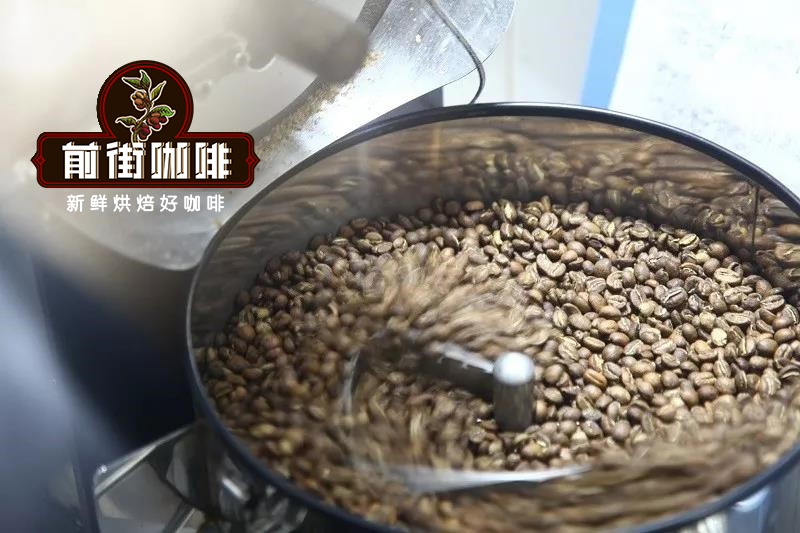
The so-called "first crack" refers to the process in which moisture inside the coffee bean turns into steam pressure as the bean continuously absorbs heat, eventually bursting through the cell walls and producing a dense series of cracking sounds. When the roaster temperature reaches about 195-205°C, the bean's core structure suddenly releases energy and emits a crisp "pop," at which point dropping the beans immediately to stop the heat usually yields a light roast with prominent acidity and a bright mouthfeel; conversely, if you pause briefly at the early stage of first crack (about 30 seconds to 1 minute) and discharge the beans once the cracking sounds shift from sparse to continuous and grow louder, you get a medium roast with balanced sweetness and acidity and a caramel base. This precise control of heat is the technical core that distinguishes different roasting styles.
Breaking it down further, medium roast can be divided into two subcategories based on differences in roast duration and temperature gradient: Medium-Light and Medium-Dark. Although both fall within the medium range, their flavor emphases differ noticeably: the former emphasizes fresh, natural inherent characteristics, while the latter introduces more warm, complex nutty and chocolate elements through extended roasting time.
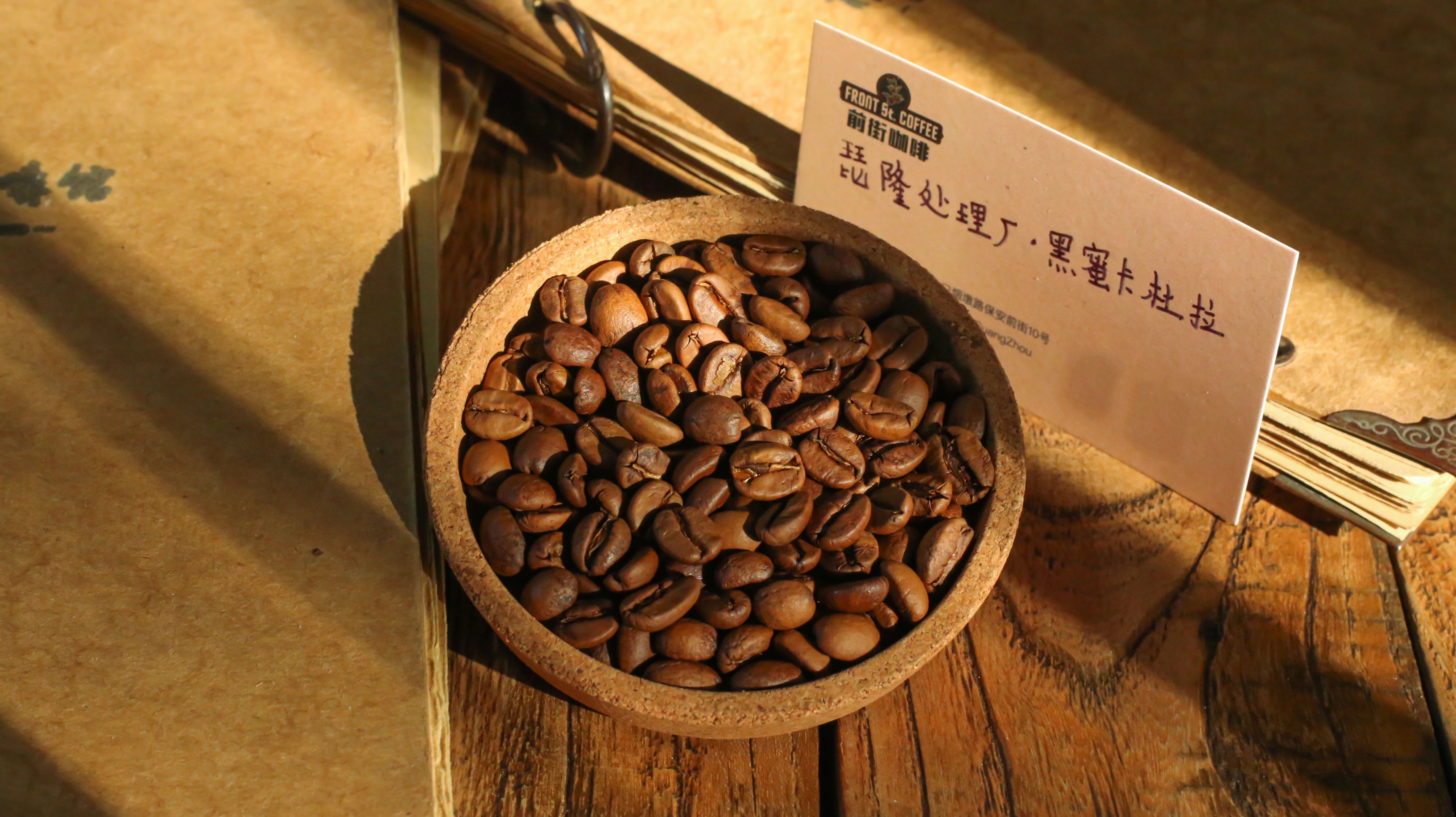
The flavor profile of a typical medium-light roast often centers on fresh fruit, such as the sweet richness of ripe banana, the slight tartness of red cherry, or the concentrated sweetness of raisins; some high-altitude varieties also display tropical fruit notes like passion fruit or delicate floral notes (such as white freesia and orange blossom). These beans usually have higher acidity and a lighter body, suiting users who enjoy a refreshing experience. Observing their appearance, the bean surface is a lighter brown with no oily sheen yet, and after grinding, the aroma is dominated by floral and fruity notes.
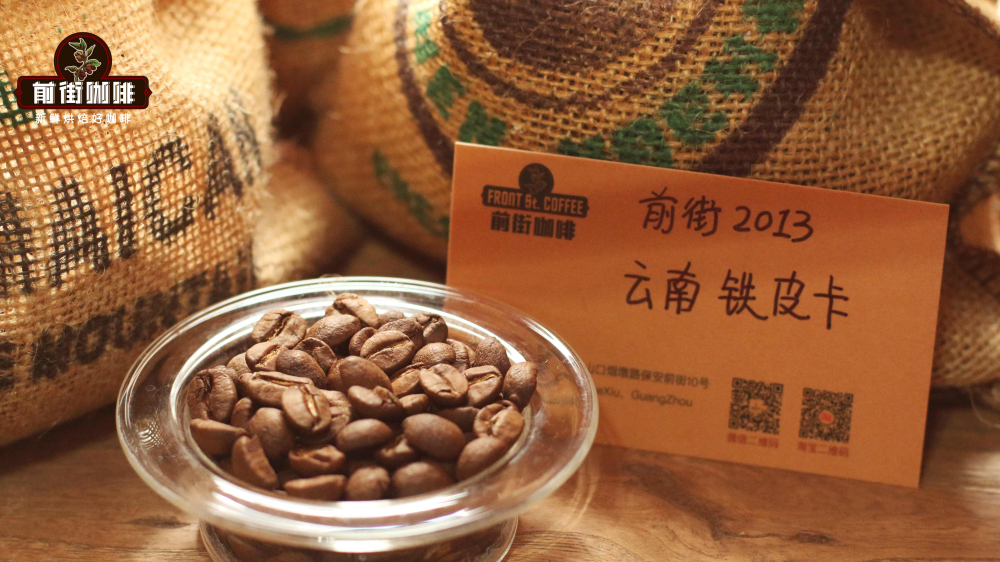
By contrast, the flavor dimensions of medium-dark roast are noticeably broader—nuts (such as macadamia and hazelnut), cocoa (the slight bittersweet of dark or milk chocolate), caramel, and a mild creamy texture take center stage, while a faint underlying fruit acidity remains as a flavor accent. The roast curve for such beans typically brings the bean core temperature up to about 210-220°C, going through a fuller late-stage first-crack development, which further carbonizes the cell walls and releases more oils; therefore a fine oily sheen is visible on the bean surface, and the brewed cup often carries warm sweetness and a solid body, making it especially suited to milk-based coffee such as lattes.
Regardless of which roast level you choose, the actual flavor is also affected by multiple factors such as the origin's microclimate, processing method (such as washed/natural/honey), and brewing parameters (water temperature, coffee-to-water ratio, grind size). Beginners are advised to buy sample packs (50-100g each) from reputable mid-sized roasters, brew them for comparison using the same equipment and parameters, and through actual tasting find the roast type that best matches their personal taste preferences.


