Cappuccino Latte Art and Milk Frothing: A Milk Coffee Guide
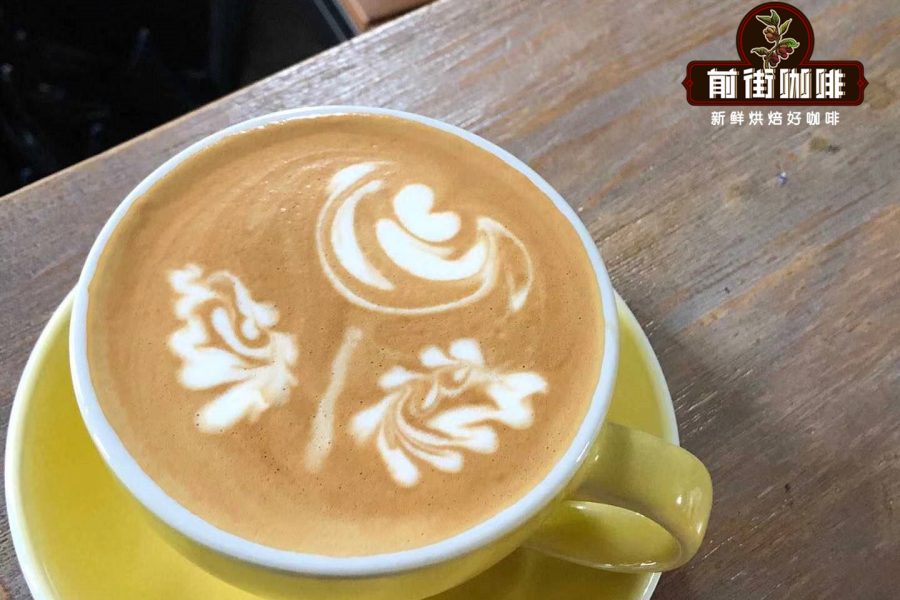
Introduction: Want to make a cappuccino with beautiful latte art at home? This article explains the specific process and key techniques for cappuccino latte art, from the pour point to the wiggle path, taking you step by step through professional-level latte art. It also compares the core differences between cappuccino and latte in milk foam thickness, serving ratio and taste, helping you understand these two classic milk coffees more scientifically and improve your coffee tasting and making skills.
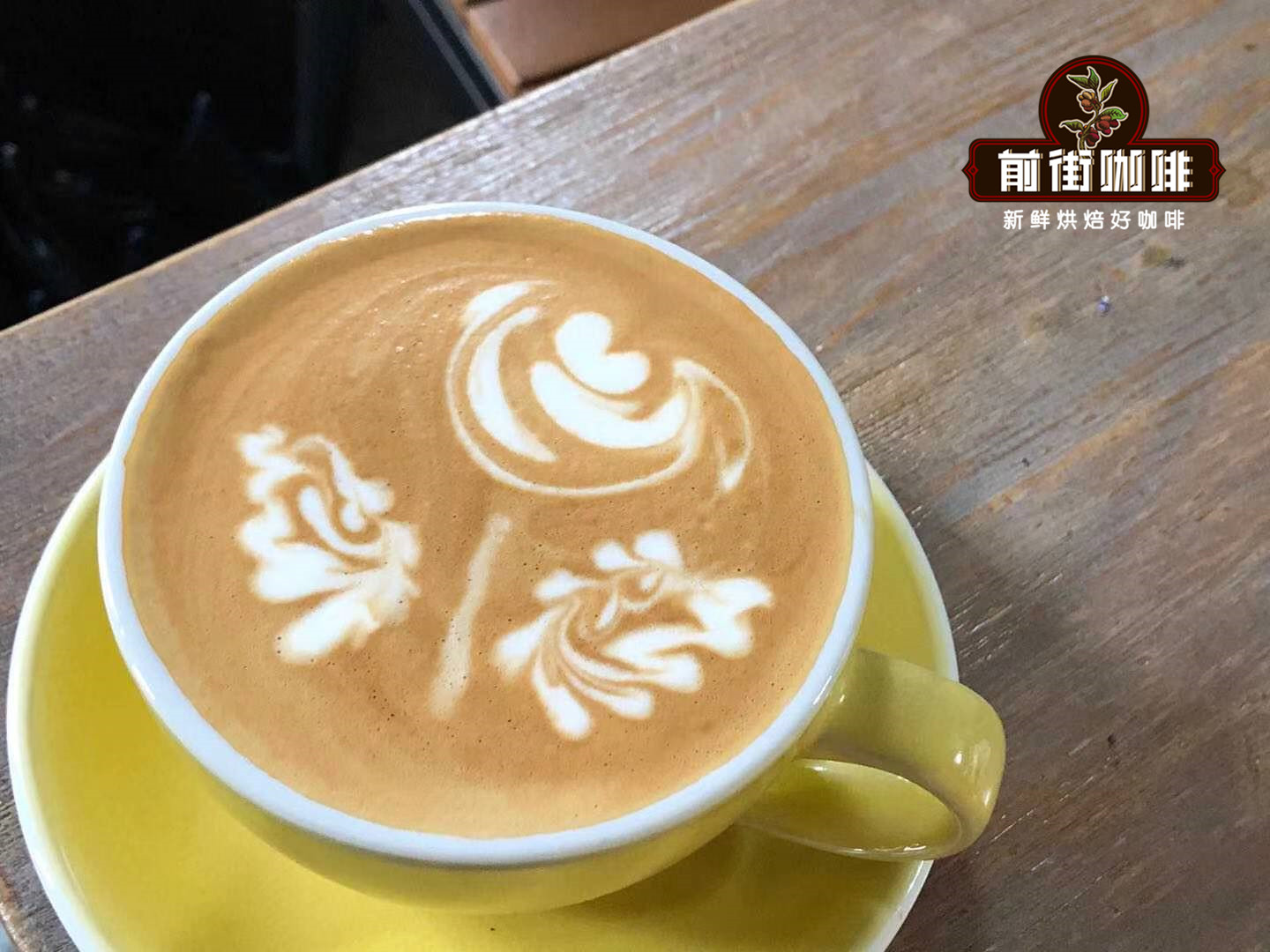
The exquisite latte art patterns on a coffee cup always catch the eye. Whether an elegant heart or a cute cartoon figure, they show the barista's superb skill. Have you ever wondered how these patterns are made? In fact, by mastering certain techniques, you too can try making a cappuccino with beautiful latte art at home. Next, we will break down the steps of cappuccino latte art in detail to help you get started step by step.
First, prepare a cup of extracted espresso and an appropriate amount of freshly steamed milk foam. To begin, tilt the coffee cup 10-15 degrees and find the point at about 1/3 of the coffee surface as your starting point. Then, raise the milk pitcher about 10 cm and slowly pour in the milk foam. This step helps pierce the crema layer on the coffee surface and lays the foundation for the subsequent pattern. Pay attention to controlling the flow rate so the milk foam and crema blend fully.
Next, lower the milk pitcher so its spout is as close to the cup rim as possible, maintain a steady milk flow, and move the pitcher in a slight left-right sway. Keep the sway within about 1 cm to each side; this creates layered milk foam textures. Remember not to suddenly pull the pitcher backward while swaying, as this will distort the pattern and affect the natural circular structure of the crema.
When you see the milk foam gradually building up on the coffee surface and a heart or other pattern beginning to form, keep swaying at a steady pace. The more you sway, the richer the pattern's layers and the more three-dimensional the overall visual effect. At the same time, as the amount of milk foam in the cup increases, gradually return the coffee cup to upright so the pouring process becomes smoother.
When the pour approaches eight-tenths full, further level the coffee cup while reducing the amount of milk foam to prepare for the finishing move. At nearly nine-tenths full, raise the milk pitcher slightly and aim the pour point at the center of the pattern to finish slowly. At this point, controlling the flow rate is key; too fast a flow can easily blur the pattern or even spill over the cup.
Finally, guide the remaining milk foam from the center line to the back of the cup with a small flow to complete the entire latte art movement. In a standard cappuccino, the coffee surface should sit slightly above the cup rim, about 0.5 cm, full but not overflowing. Observe the thickness of the milk foam in the cup; the ideal range is 1-1.5 cm, which both supports the latte art pattern and matches the flavor structure of a standard cappuccino.

Beyond latte art techniques, cappuccino and latte also differ clearly in milk frothing. Visually, their latte art performances differ significantly: latte uses thinner milk foam, usually under 1 cm, and this fine foam allows a smoother pouring action, producing latte art with clear lines and delicate patterns, which is also the origin of the term "latte art."
By contrast, cappuccino uses thicker milk foam, usually between 1.5 and 2 cm. This thick foam texture is not suitable for very intricate latte art, so cappuccino is more often presented with simple etching or no latte art at all. If you try it at home, adjust your latte art goals according to foam thickness; thick foam suits simple shapes better.
Besides the foam, the two drinks also have different historical backgrounds. Latte means "milk" in Italian and was originally just a simple combination of coffee and milk. Later, with the spread of Italian steam espresso machines, it gradually evolved into the form widely known today. Cappuccino appeared around the same time as the steam espresso machine; its name comes from the brown robes and pointed hoods of Franciscan friars, vividly reflecting the drink's classic ratio of coffee, milk and milk foam.
In taste, latte, with its higher proportion of milk (usually 70% milk, 20% milk foam and 10% coffee), is softer and smoother; the coffee's bitterness is fully diluted, suiting people who prefer mild flavors. Cappuccino, however, adheres to the golden 1:1:1 ratio—coffee, milk and milk foam each accounting for one third. The rich coffee aroma and dense milk foam complement each other, bringing a fuller mouthfeel, similar to a marshmallow texture, and better suiting drinkers who like intense flavors.
Overall, understanding these differences not only helps you better appreciate each cup of coffee but also guides you in adjusting the recipe at home to your personal preference and using more suitable milk foam to achieve your ideal coffee result, whether for latte art or for drinking.


