Major Asian Coffee Producers: Vietnam and Indonesia Beans
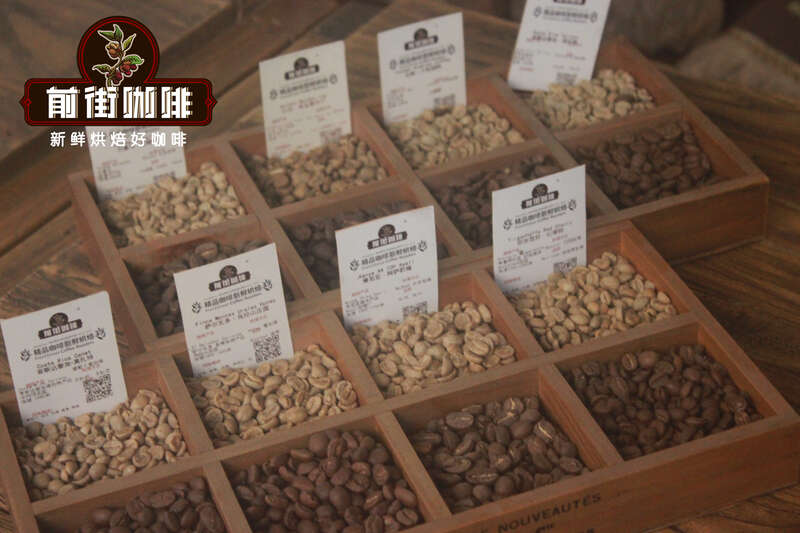
Introduction: Asia is not only a major global coffee-producing region; its diverse terroir gives rise to beans of strikingly different styles. This article focuses on the main Asian coffee-producing countries—Vietnam, Indonesia, Yemen and India—analyzing each country's bean variety characteristics, cultivation background and flavor performance, with particular detail on the distinctive qualities of popular beans such as Vietnamese robusta and Indonesian Sumatran Mandheling, to help you understand the true character of Asian coffee and where to start when buying.
Asia is known for its vast territory and deep cultural heritage, and it is also an important region that cannot be overlooked on the global coffee map. Overall, Asian coffee generally has low acidity and a mellow, smooth mouthfeel, but because most producing regions grow mainly robusta, its flavor is often considered inferior to regions dominated by arabica, such as Central and South America or Africa. Nevertheless, with economic development and changing consumer habits, coffee is gradually becoming one of the mainstream drinks in some Asian countries such as Vietnam and Japan.
In the Asian coffee landscape, Vietnam occupies a pivotal position. This country, which endured repeated wars and political upheaval, only gradually entered a period of stable development in the 1990s. From 1995 to 2000, Vietnam's coffee exports achieved leapfrog growth, nearly quadrupling in just five years. The surge in production once disrupted international coffee prices, putting pressure on the incomes of many coffee farmers, including local producers in Vietnam. Today, Vietnam is the world's second-largest coffee exporter after Brazil, and its main export variety is robusta—a bean commonly used in instant coffee or as the base of premium blends. Vietnamese robusta is known for its intense aroma, low acidity, smooth mouthfeel and slightly bitter, full-bodied richness; representative local brands include Trung Nguyen, MOOSSY, Highlands and Saigon.
Another major coffee-producing region in Southeast Asia is Indonesia. This country of many islands straddles the equator and lies at the junction of the Pacific, Eurasian and Indo-Australian plates, with frequent volcanic activity and more than 150 active volcanoes nationwide. Despite frequent disasters, volcanic ash brings abundant nutrients to agricultural soil. Coffee was introduced to Indonesia by Dutch colonists in the 17th century and was planted and exported on a large scale. In the 1980s, after a fall in oil prices triggered economic turmoil, the Indonesian government actively encouraged coffee cultivation to boost exports, and today the country is the world's third-largest coffee producer. Indonesian coffee generally has a full body and a distinctive mouthfeel, making it suitable for espresso and often paired with milk. The famous Kopi Luwak (civet coffee) originates from Indonesia; although it was once known for its astronomical price, in today's era of transparent information it is regarded more as a novelty experience. Indonesia's main coffee-producing areas are concentrated on the three major islands of Sumatra, Java and Sulawesi: Sumatra is best known for Mandheling and Ankola—the former has extremely low acidity, complex flavor layers and a thick, syrupy body, and uses a special hot-water-washed natural process; Java, nourished by volcanoes, typically uses the washed process, and its high-quality arabica beans have low acidity, an herbal note and a long finish; Sulawesi is known for Toraja coffee, grown in high-altitude mountain areas, mostly harvested traditionally by smallholders and processed with a unique semi-washed method, with top grades almost entirely exported to the Japanese market (note: Sulawesi was formerly called Celebes, so Toraja coffee is also often called Celebes coffee). It is worth noting that although Indonesian coffee has a distinctive flavor, processing in some areas is relatively simple and often carries an earthy, musty note, which has become a point of contention among some coffee enthusiasts.
Yemen in the Middle East is likewise an unignorable part of coffee history. This country, now plagued by war, was the core of the global coffee trade 600 years ago. Coffee was shipped from Yemen's port of Mocha to the rest of the world, making "mocha" once synonymous with coffee; today the term mostly refers to cocoa-containing flavored coffee drinks, but true Mocha coffee is still highly regarded. Mocha coffee beans originated in Ethiopia and later spread to Yemen; the beans are small, with an intense aroma, balanced acidity and body, a slight winey and spicy character, moderate sweetness and a distinctive flavor, and are usually recommended to be enjoyed as a single origin. At present, high-quality Mocha coffee, because it adheres to traditional manual cultivation and natural processing, has extremely limited output and remains a scarce resource; it is hoped that future technological advances can bring revival to this ancient producing region.
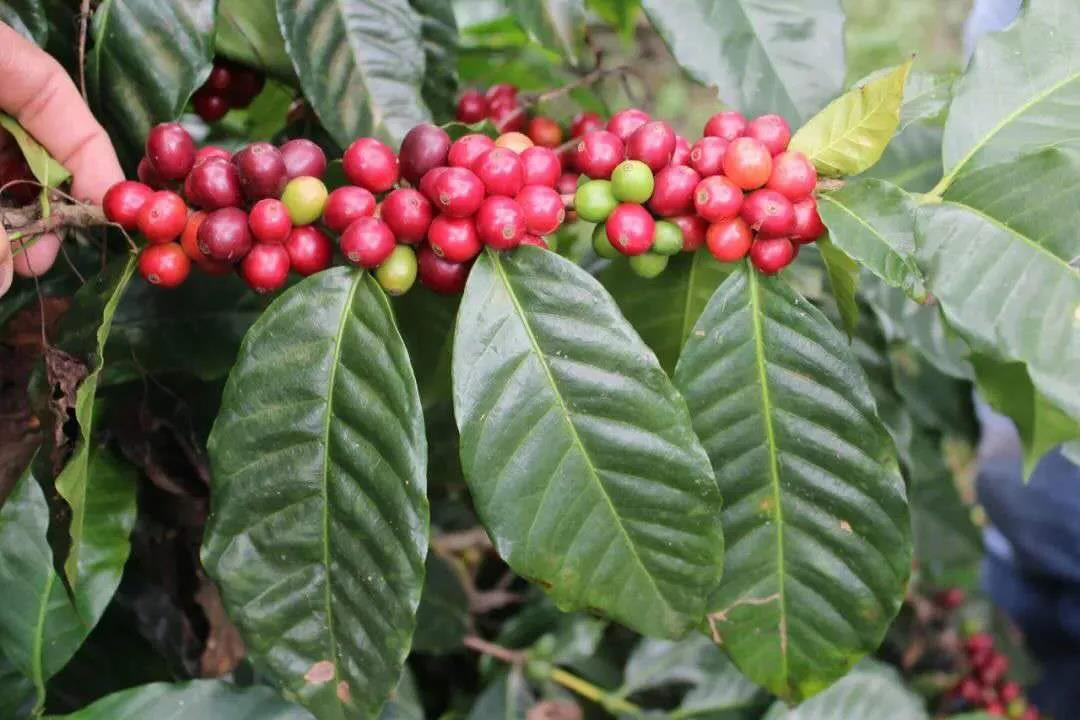
India, the major country of South Asia, is another representative Asian coffee-producing country. As the world's second most populous country, India has a diverse geography ranging from snowy mountains to deserts and plains to rainforests, while coffee cultivation is mainly concentrated in the suitable climate of the south. Coffee was first introduced to India by Muslim pilgrims in the 17th century, but large-scale cultivation and export only began during the British colonial period in 1840. India's most distinctive coffee process is undoubtedly "Monsooning," whose core is that after the coffee beans are dried, they are placed in ventilated warehouses and subjected to three to four months of natural drying by sea breezes, causing the beans to swell and their flavor to transform, creating a distinctive full-bodied, low-acidity character—an interesting choice for coffee enthusiasts exploring flavor diversity.


