The Complete Guide to Espresso: Brewing Parameters and Coffee Types Compared
Introduction: This article explains in detail the definition of espresso, its standard extraction parameters, and its flavor characteristics, and compares it with Americano and other common derivatives. From the principle of 9-bar pressure extraction to the formation of golden crema, it provides practical data such as the coffee-to-water ratio, grind size, and extraction time for single and double shots, and analyzes the production logic of classic drinks such as latte and cappuccino, helping you master professional-level coffee knowledge.
Espresso is a highly concentrated coffee liquid extracted in a short time from extremely finely ground coffee powder under a 9-bar high-pressure environment using a professional coffee machine. This classic coffee-making craft, which originated in Italy, has a history of over a hundred years. Its name, Espresso, in Italian means both "pressed out" and implies the core characteristic of "rapid extraction"—hot water penetrates the coffee puck under pressure, ultimately forming a thick liquid ranging in color from reddish-brown to amber.
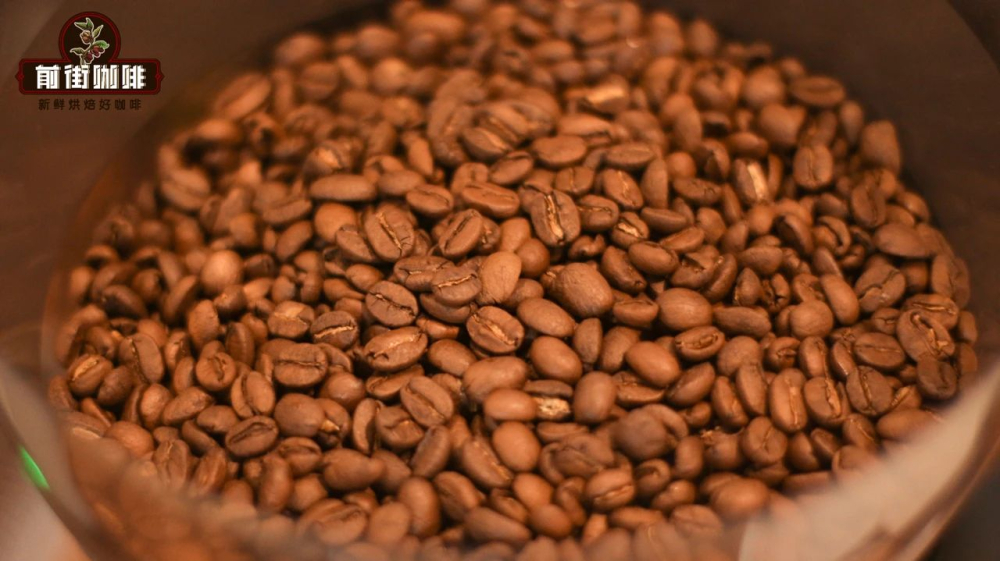
The key to making high-quality espresso lies in the blend formula. Professional baristas often use combinations of coffee beans from multiple regions, adjusting the proportions of beans from different origins to balance flavor stability. For example, combining the bright fruity acidity of African beans with the full body of Central and South American beans can both offset annual flavor fluctuations in a single origin caused by climate and maintain consistency of the final product at a more economical cost. It is worth noting that high-quality blended beans, after medium-dark roasting, can produce richer aromatic substances during extraction.
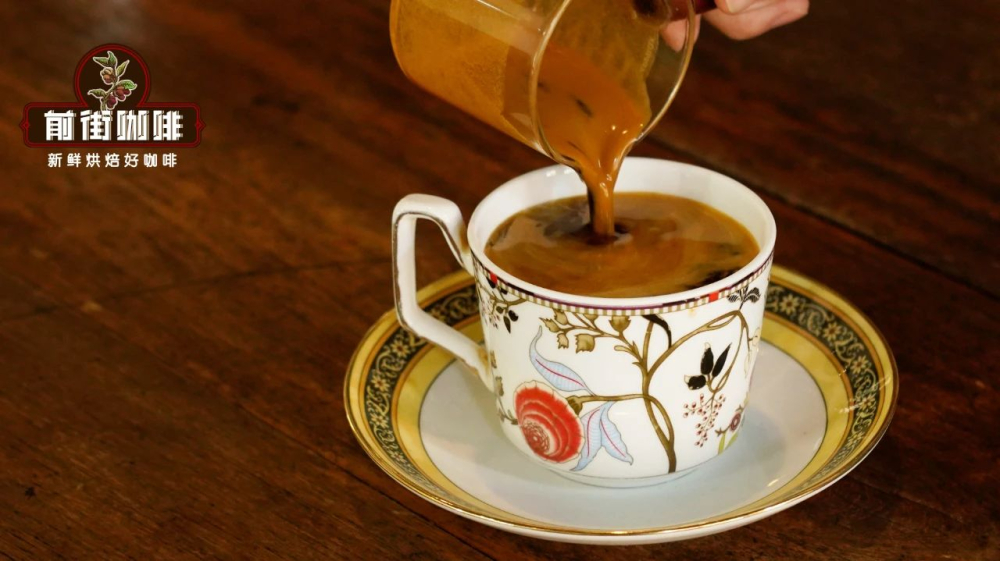
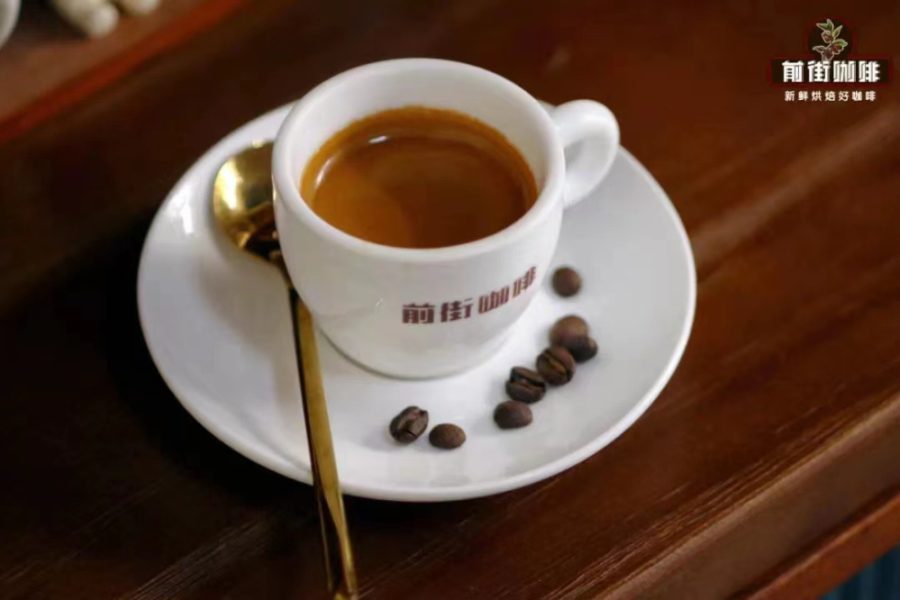
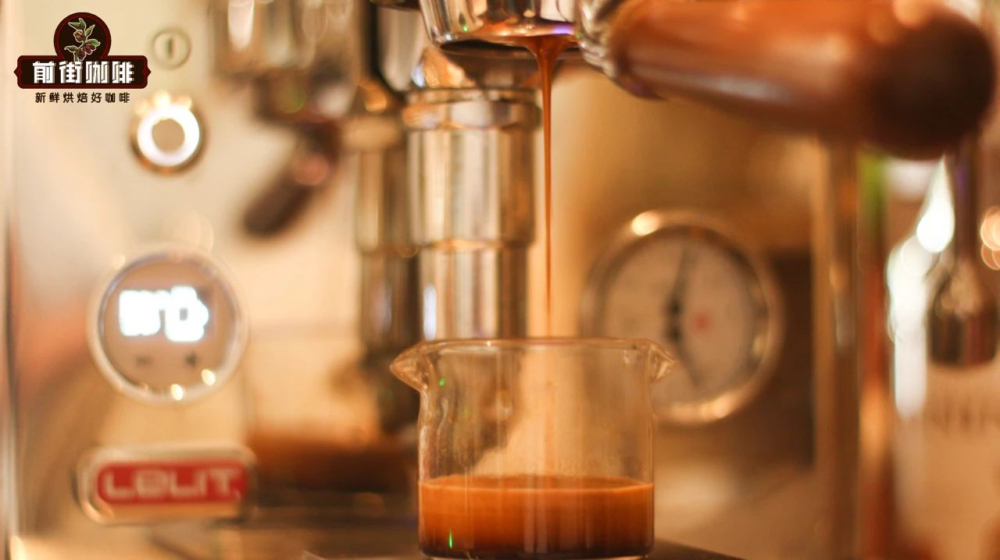
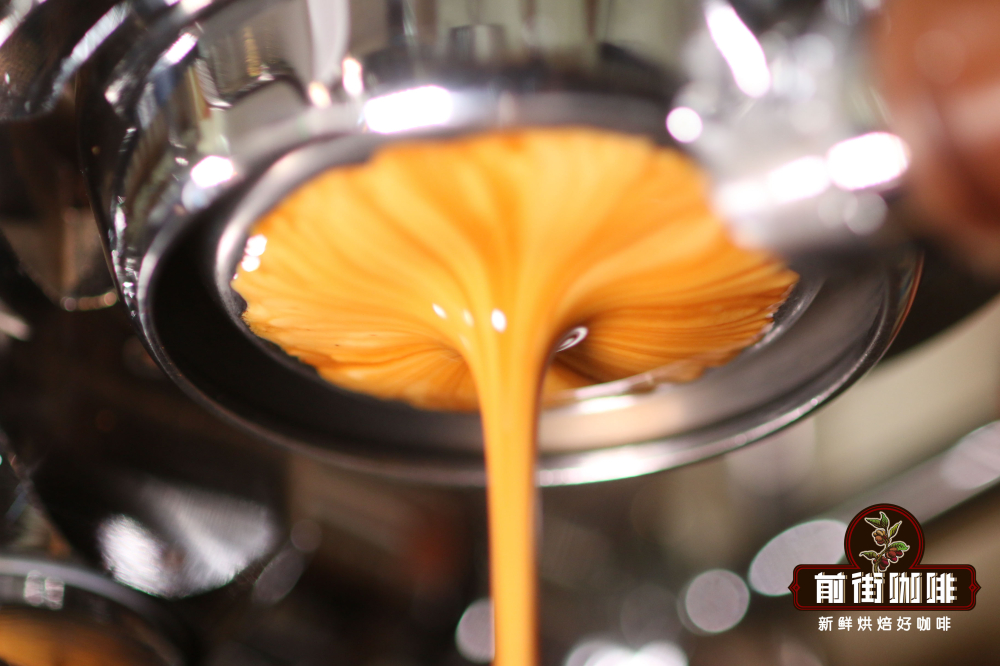
A standard single shot requires 10-11 grams of extremely finely ground coffee powder, combined with hot water at around 94°C, extracted under 9-10 bar pressure for about 22 seconds, ultimately yielding 20-25 grams of thick coffee liquid. A double shot requires doubling the dose (19-20 grams), producing 35-40 grams of coffee liquid, with extraction time extended to about 29 seconds. When observing the extraction, ideal espresso should show a honey-like viscous flow, covered with a golden tiger-striped crema layer formed by carbon dioxide and emulsified oils—this is an important sign of successful extraction.
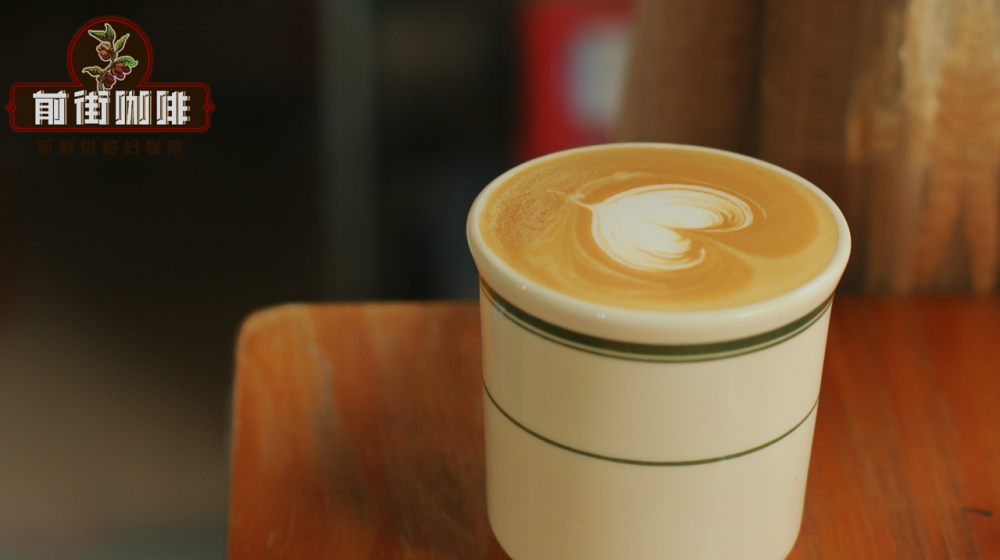
When espresso serves as a base, it can give rise to a variety of classic coffee drinks. Combined with steamed milk, it becomes a latte (Caffe Latte), in which Latte means milk in Italian, so this type of drink is essentially a combination of coffee and milk. Note that not all drinks bearing the name "latte" contain coffee; some products may be made with plant-based milk only.
Americano is simpler to make: simply add hot or iced water to the espresso to adjust the concentration, with a common ratio of 1 part espresso to 3-5 parts water. Mocha, on the other hand, incorporates chocolate into the espresso base, inspired by the full-bodied coffee beans exported from the Yemeni port of Mocha, ultimately forming a distinctive drink with bright acidity and a dark cocoa finish.
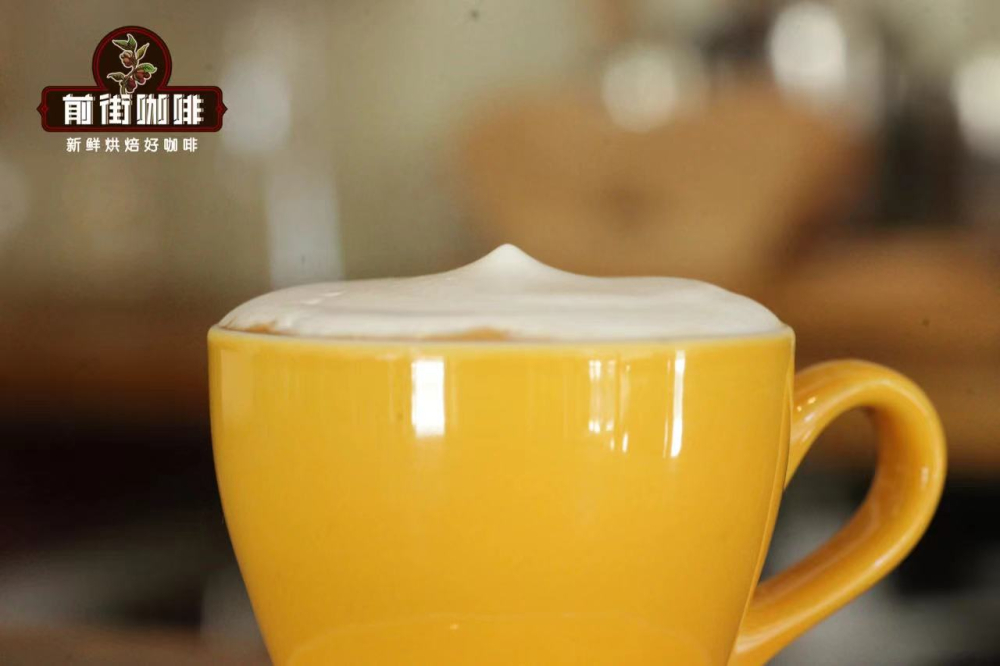
Cappuccino is characterized by its precise milk foam ratio: espresso, steamed milk, and dense milk foam are mixed at a volume ratio of 1:1:1. Its name comes from the brown robes and pointed hoods of the Franciscan friars in Italy—recreating this visual image by shaping patterns in the milk foam. Professional tip: when making it, pour the milk foam into the cup first, then add the espresso to create layers.
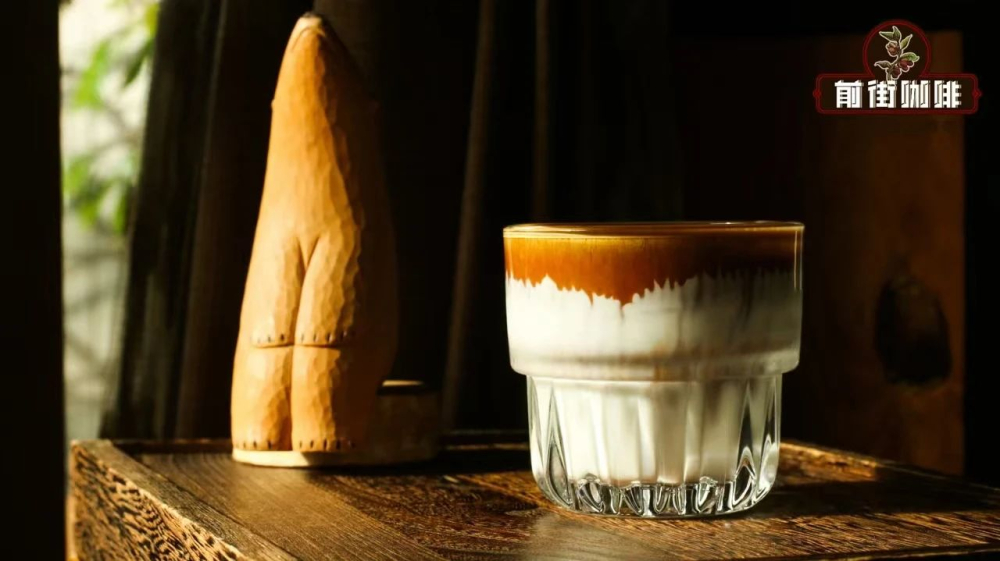
The Flat White, which has become popular in recent years, contrasts sharply with the latte, using less milk (about 150 ml) to highlight the coffee's own flavor while retaining a small amount of microfoam. Dirty coffee is a representative visually oriented drink, made by pouring a hot double shot along the rim of a glass of iced milk, using the temperature difference to create a gradient layered effect. Do not stir when drinking so as to experience the dynamic changes in temperature and flavor.
From the perspective of parameters, the ideal extraction yield for high-quality espresso should be controlled within the 18%-22% range, with total dissolved solids (TDS) reaching 8%-12%. These values directly affect the coffee's balance of bitterness and sweetness and its body. For home users, it is recommended to use a water temperature of 92-96°C and a coffee-to-water ratio of 1:2 to 1:2.5, and to regularly clean residual coffee puck from the portafilter to ensure crema quality.
The core differences among coffee types are reflected in the base ratio and processing method:
• Americano = espresso + hot water (diluted concentration)
• Latte = espresso + a large amount of steamed milk
• Cappuccino = espresso + equal amount of milk + milk foam
• Mocha = espresso + chocolate + milk
• Dirty = hot espresso + iced milk in layers
Once you understand these compositional logics, you can adjust the ingredient ratios according to personal taste preferences, for example reducing the amount of milk to obtain a stronger coffee flavor, or increasing the water to dilute bitterness.

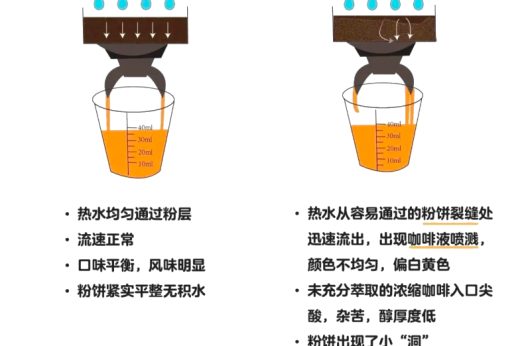
During preparation, special attention should be paid to: using freshly roasted coffee beans (ideally 7-21 days after roasting), keeping the grinder clean to avoid channeling, and controlling extraction time to avoid over-extraction or under-extraction. When the coffee liquid flows in a honey-like drip and the color is uniform, it usually means the ideal extraction balance point has been reached. For beginners, it is recommended to start with single shots to practice parameter control and gradually master the coordinated relationship among pressure, temperature, and grind size.