Colombia Passion Fruit Coffee: Processing, Pour-Over and Flavor
Introduction: Have you ever wondered whether coffee can carry the fresh fruity aroma of passion fruit? In recent years, Colombian coffee farmers have used innovative anaerobic fermentation to give coffee beans rich, fruit-like layers. This article introduces a Purple Caturra coffee bean produced with a passion fruit fermentation process, taking a close look at its processing method, flavor characteristics and pour-over recommendations to help you find a distinctive specialty coffee experience.
Recently, many coffee lovers have reported that a coffee with passion fruit aroma is very popular: on the palate you can clearly sense the sweet-and-sour notes of passion fruit, accompanied by complex layers of grape, honey and floral aromas, with an overall fresh and balanced mouthfeel. If you are a passion fruit lover, this special coffee bean that combines fruity aromas with coffee body is worth trying.
This special coffee comes from Colombia. As the world's second-largest producer of Arabica coffee, Colombia has continuously experimented with emerging processing methods such as anaerobic fermentation, aerobic fermentation and barrel-aged fermentation on top of traditional washed and natural processes, giving coffee richer aroma and mouthfeel layers.
The coffee introduced here belongs to the Purple Caturra variety, a natural mutation within the Caturra family that first appeared at low probability among Red Caturra. Purple Caturra plants have distinctive copper-purple leaves at the top, and the fruit turns deep purple when ripe. One of its greatest characteristics is high sweetness and strong disease resistance; in particular, it can maintain good yield and flavor performance during outbreaks of leaf rust. According to planting records, this variety showed good adaptability during Colombia's 2012 leaf rust crisis and has gradually gained attention from smallholders and specialty coffee estates.
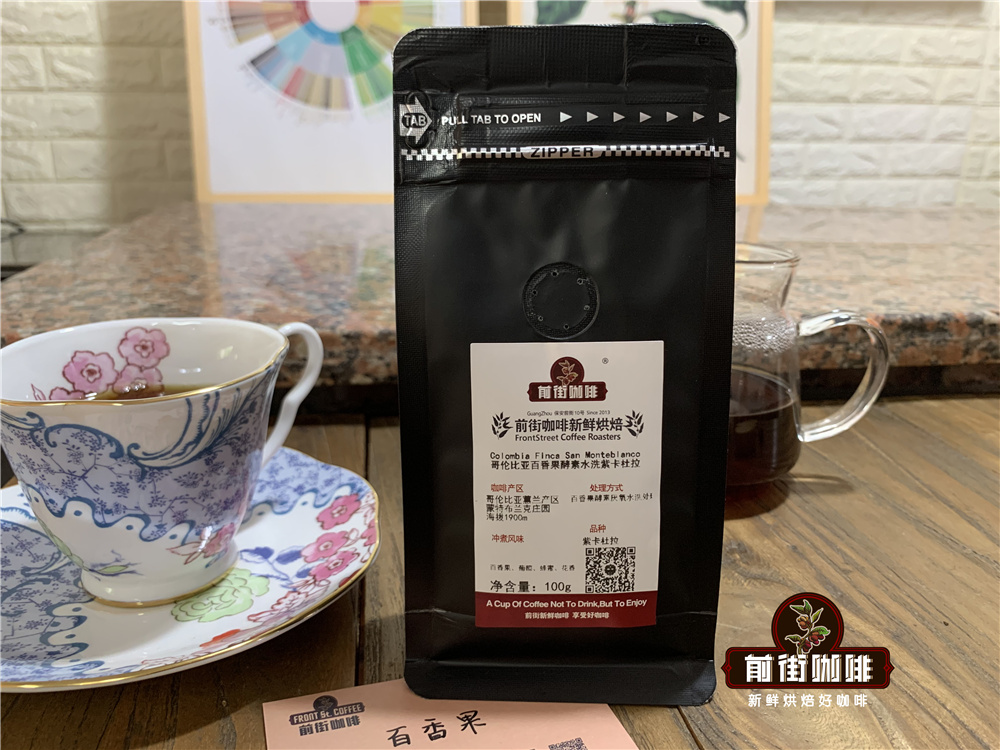
This coffee comes from the Huila Department of Colombia, specifically from Finca Monteblanco. The estate sits on a hilltop in the Vereda La Tocora area of Pitalito, covers about 18 hectares, and grows at an altitude of up to 1,900 meters, making it a typical high-altitude specialty coffee producing area. The estate has its own wet mill and drying equipment, allowing fine control from post-harvest processing through drying and thus ensuring stable coffee quality.
Owner Rodrigo Sanchez Valencia has taken part in local coffee cupping training programs since 2002, initially to provide basic flavor-identification education for the children of local coffee farmers. This experience led him and his family to connect coffee flavor with cultivation management for the first time. Rodrigo then went on to study cupping competition systems in greater depth, continuously optimizing cultivation and processing strategies by comparing cupping results of coffee from different plots. In the process, he rediscovered several rare varieties planted by his grandfather in the 1980s, including the Purple Caturra that later became the star of this coffee.
This coffee is processed using a "passion fruit yeast anaerobic washed" method, a washed variant that incorporates fruit-assisted fermentation. First, the harvested coffee cherries are sorted to ensure uniform ripeness. Then the skin and pulp are removed, leaving only the parchment beans, which are mixed with passion fruit pulp or juice (depending on the estate's recipe); the high-sugar environment promotes fermentation by specific microorganisms. The entire process takes place as anaerobic fermentation in sealed tanks, with precise control of temperature, humidity, oxygen concentration and fermentation time, thereby giving the beans distinct tropical fruit aromas of passion fruit, lychee and honey.
Before processing, the estate first measures the Brix of the coffee fruit, generally selecting lots with a sugar value between 24 and 27 for this special process to ensure a stable fermentation and a clear flavor direction. This processing method not only enhances the coffee's fruity layers but also increases overall sweetness and complexity, making it one of the innovative techniques that have attracted much attention in the specialty coffee world in recent years.
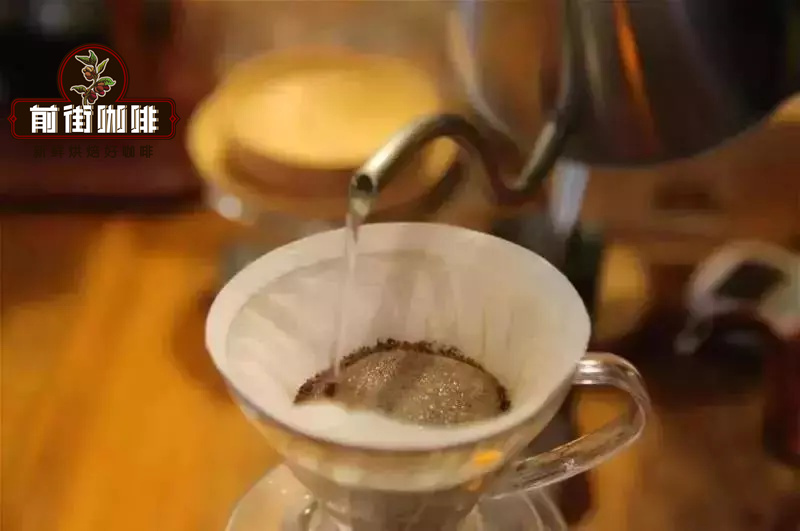
For those who like brewing at home, the recommended parameters for this coffee are as follows: use a V60 #01 dripper, keep the water temperature between 90 and 91°C, and use a coffee-to-water ratio of 1:15, that is, 15 grams of coffee grounds to 225 milliliters of water. The grind is medium-fine, roughly equivalent to 80% passing through a Chinese standard No. 20 sieve, close to the texture of fine granulated sugar.
The brewing method can follow a classic three-stage pour: first bloom with 30 grams of water for 30 seconds to awaken the coffee grounds; then pour slowly in small circles to 125 grams for the first stage; when the water level drops slightly and is about to expose the coffee bed, continue pouring to 225 grams and stop; finally wait for the water to finish dripping, with a total extraction time of about 2 minutes. This method helps fully extract the fruity aroma and sweetness while avoiding the astringency caused by over-extraction.
In terms of the final brewed flavor, this coffee usually shows a clear passion fruit acidity, accompanied by soft grape sweetness, a honey-like finish and delicate floral layers. The overall flavor is refreshing and layered, making it very suitable for drinkers who enjoy fruity coffee.


