The Best Coffee-to-Milk Ratio Guide: Pour-Over and Espresso Explained
Introduction: Pairing coffee with milk looks simple, but there is more to it than meets the eye. Mastering the golden ratio makes a drink's flavor more balanced, from lattes to homemade milk coffee. This article explains classic espresso-to-milk ratios, analyzes milk-adding techniques for pour-over coffee, breaks down key points for choosing fresh milk versus pure milk, and offers practical advice for avoiding flavor imbalance.
Coffee and milk are a classic pairing in the world of drinks. Rich black coffee meets silky milk, softening bitterness while preserving coffee's aromatic depth. But to achieve perfect balance, the key lies in precisely controlling the ratio of the two.

When blending coffee with milk, the quality of the base coffee is crucial. It is recommended to choose darker-roasted coffee beans with higher concentration; these coffees usually have a pronounced bitter base that forms a more harmonious layering when mixed with milk. By contrast, coffee varieties with prominent acidity tend to seem thin when set against milk's sweetness.

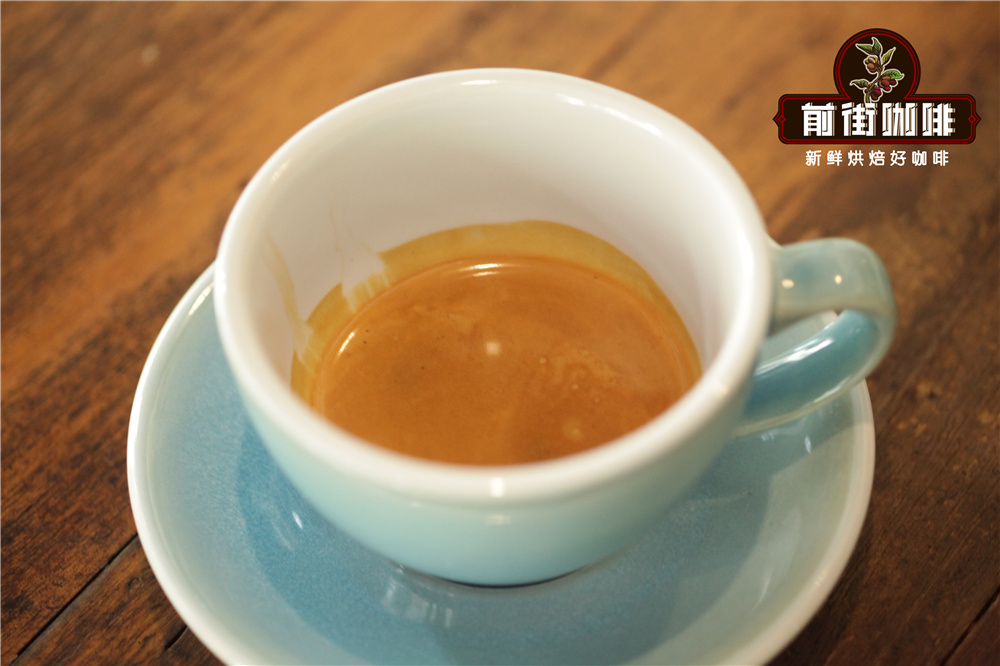
Take espresso as an example: its standard pairing is 1 part espresso to 6-7 parts milk (including milk foam). Specifically, using about 40ml of extracted liquid from high-quality espresso blend beans paired with 260ml whole milk achieves the ideal result. This ratio highlights chocolate and caramel notes without letting the milk overpower the coffee.
In practice, note: when the coffee-to-milk ratio is below 1:6, bitterness may be too prominent; above 1:7, the coffee flavor becomes diluted. Adjust slightly according to the beans used—for example, dark roasts can take a little more milk, while medium roasts suit a ratio closer to 1:6.

Adding milk to pour-over coffee requires more careful consideration. Because this coffee is usually lower in concentration (about 1.3%) and often uses light-roasted single-origin beans, it is recommended to add milk only to medium-dark roasted pour-over coffees (such as those with chocolate or nutty notes). The golden ratio is 20ml whole milk per 100ml coffee liquid, improving smoothness without masking the original flavor.

Special note: light-roasted coffees with pronounced fruity acidity are not suitable for adding milk; proteins in milk easily react with acidic substances, potentially worsening the mouthfeel or even producing off-flavors. The judgment standard is simple—if the coffee itself is clean and bright, there is no need to gild the lily.

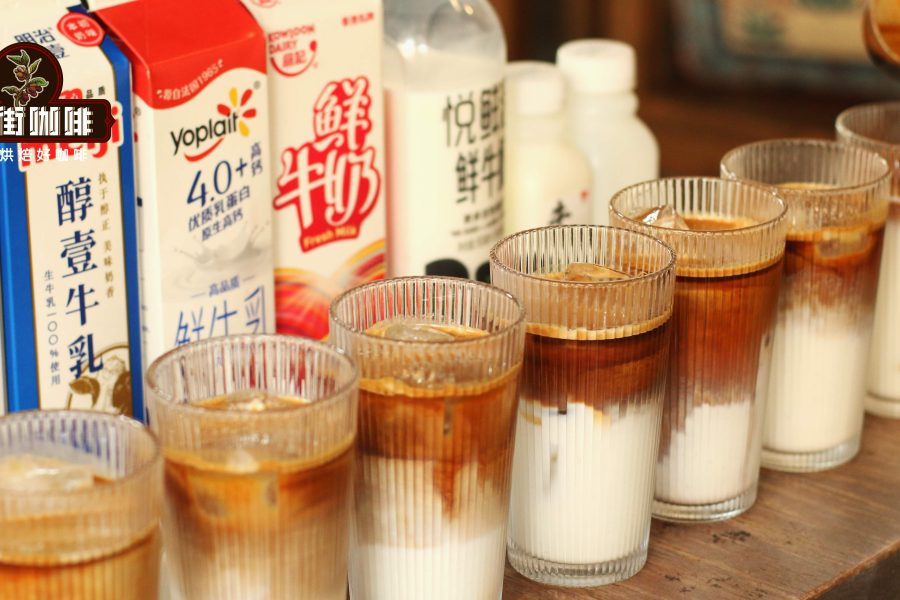
Regarding milk choice, fresh milk and pure milk differ significantly:
• Fresh milk (pasteurized, 7-day shelf life): retains more natural nutrition and milky aroma, rich mouthfeel but requires refrigeration
• Pure milk (ultra-high-temperature sterilized, 6-12 month shelf life): highly stable and easy to store, relatively mild in flavor
When making milk coffee, prioritize whole milk with a fat content above 3%; milk fat better coats coffee particles to form a velvety texture.