Panama's Three Top Geisha Estates: Flavor Secrets from 90+ to Esmeralda and Sophia
Introduction: An in-depth analysis of the cultivation secrets and flavor differences of Panama's three legendary Geisha estates. From the 90+ estate's Ethiopian heirloom varieties to Hacienda Esmeralda's tiered auction system, and on to the Sophia estate's high-altitude experiments, this guide walks you through each top Geisha's distinctive processing methods and brewing recommendations, and the key elements for identifying specialty Geisha.
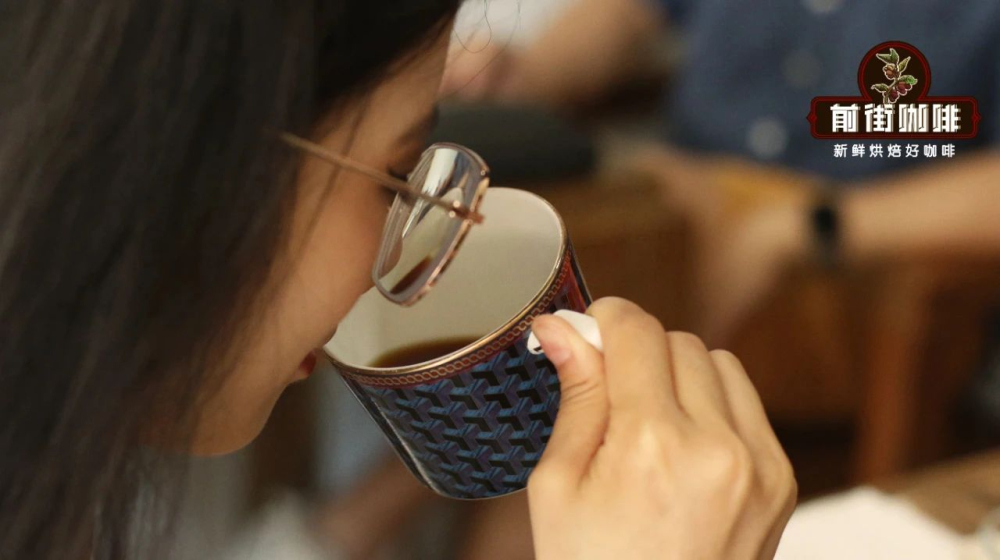
When discussing the world's most expensive specialty coffees, Panama Geisha always holds a special place. Since winning the Best of Panama competition in 2004, this coffee variety originating in Ethiopia has become coveted by coffee lovers for its distinctive jasmine and tropical fruit notes. This article systematically outlines the core characteristics of three iconic estates—the 90+ Geisha estate, Hacienda Esmeralda and the Sophia estate—revealing how they shape different tiers of the Geisha experience.
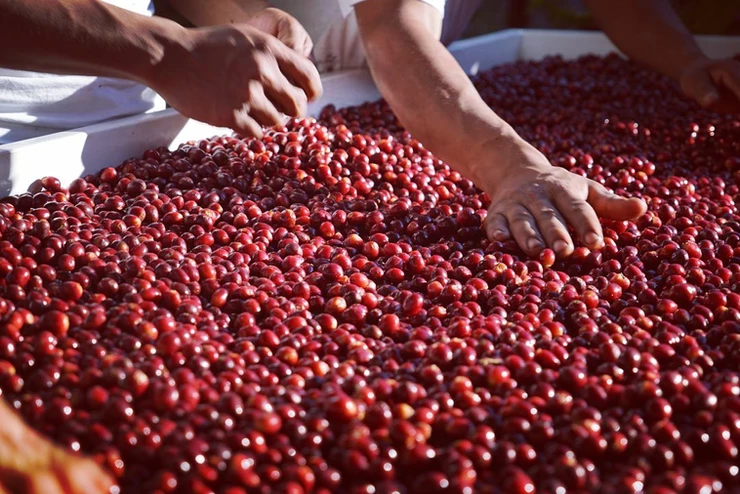
The 90+ Geisha estate was born from a quest for wild coffee genetics. Founder Joseph Brodsky acquired roughly 200 hectares of pristine forest land in 2009, where the climate and soil conditions perfectly replicate the native environment of Ethiopian Geisha. Notably, the estate employs forest planting methods, retaining natural shade trees so that coffee trees take 1.5 times longer to mature than conventional varieties. Its pioneering batch-by-batch micro-processing technique, which subdivides harvest windows for cherries at different altitudes, produced the remarkable record of five consecutive World Brewers Cup championships after 2014.

The brand's series divisions hold hidden logic: the Signature series includes five single-estate beans such as Nekisse, among which the heirloom blend is especially precious; the Innovation series, with varieties such as Ruby and Tigre, focuses on experimental fermentation techniques; and the Founder's Selection, priced at US$200 per 10 grams, offers historic benchmark lots such as #0602. It should be noted that its Limited Edition series, though containing only 1% Geisha, retains the signature floral aroma through special blending techniques. The three beans of the Ascent series (Drima Zede/Kemgin/Kambera) correspond to the US$19–24 price band, suited to exploring subtle differences among processing methods.
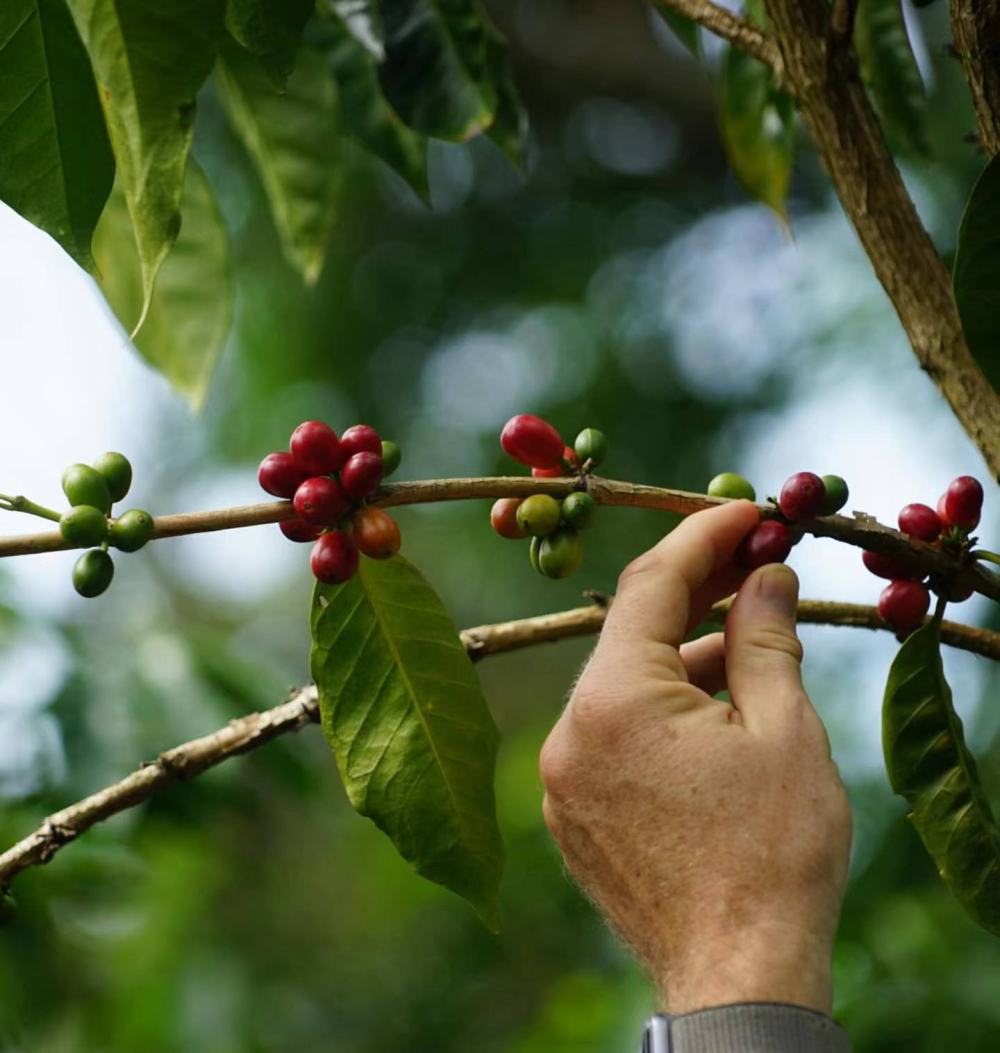
The estate's sustainable development practices also deserve attention. Through ecological restoration projects covering more than 1,500 hectares across Panama and Ethiopia, it has not only rebuilt the coffee forest ecosystem but also established an agronomist training system—farmers master quality cultivation techniques while gaining access to a community development fund financed by revenue. This dual-track model of "specialty coffee + ecological conservation" has earned it the reputation in the industry as the Louis Vuitton of coffee.
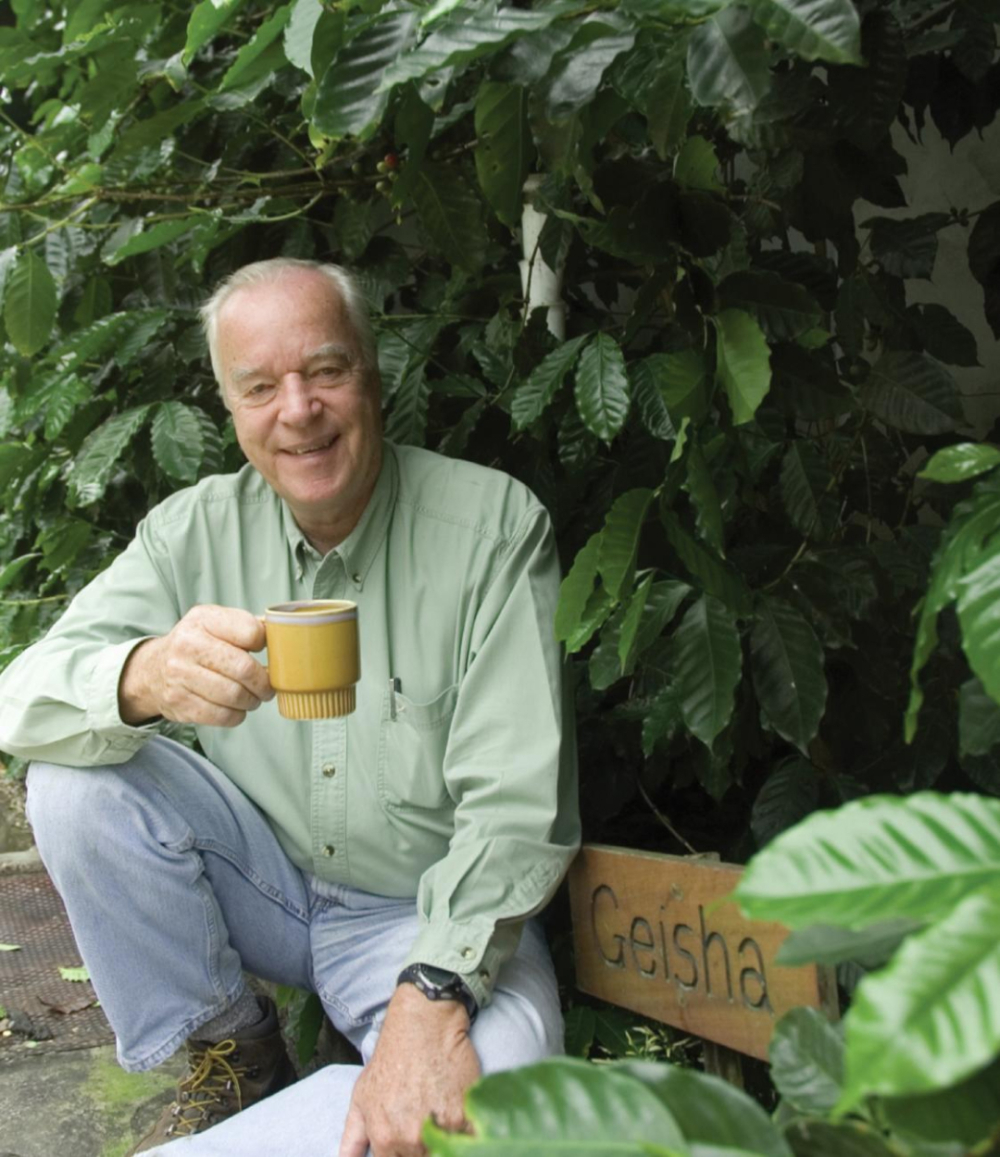
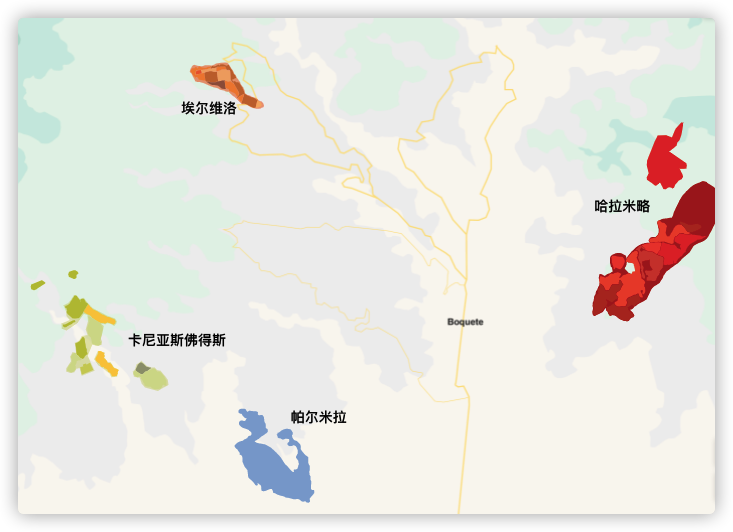
The turning point in Hacienda Esmeralda's history came in 2004, when a Geisha tree it had stumbled upon won the competition with astonishing flavor, after which the estate gradually established a strict zoning system. The core production areas, Jaramillo and Cañas Verdes, sit at 1,600–1,800 meters, where a microclimate with a 12°C diurnal temperature range creates unique layers of flavor.
The selection criteria for Red Label Geisha are extremely strict: limited to auction-only lots, it must come from designated micro-plots and score at least 90 in cupping. The non-auction Red Label sold on the market, though of the same origin and quality, is more affordable because it skips the separate auction. Green Label Geisha, a blended product, gathers quality cherries from multiple high-altitude plots; its 1,600–1,800-meter growing belt gives it bright citrus notes and full body, and though it does not enter independent auctions, it retains Geisha's signature tea-like finish.
A little-known fact about Geisha cultivation: extreme high-altitude conditions (combined with diurnal temperature swings) stimulate coffee beans to accumulate more aromatic compounds, but bring with them the challenge of a 40% drop in yield per unit area. Blue Label Geisha (now discontinued) once used a 1,400–1,500-meter blending strategy to offer entry-level Geisha lovers a cost-effective flavor experience—its clear berry acidity and soft body remain a reference template for many roasters to this day.
The emerging Sophia estate is located in a super-high-altitude zone at 2,100 meters, and the volcanic soil near Nueva Suiza gives the beans rare structural strength. The estate innovatively combines natural and honey processing experiments, winning a Good Food Award as early as 2016 for its experimental cultivation techniques. Its washed lot won the Best of Panama competition in 2017, and its natural lot took second place the following year, confirming the unique advantage of high-altitude cultivation for flavor complexity.
Consumers shopping for Geisha should note: for auction-grade Red Label, use a water temperature of 92–94°C with a fine grind (75% passing a Chinese standard No. 20 sieve), and keep the pour-over time at 2 minutes 10 seconds ±5 seconds; Green Label is better suited to medium-temperature extraction at 88–90°C, and extending the bloom to 45 seconds enhances the release of floral and fruity aromas. For storage, avoid environments above 20% humidity; vacuum aluminum foil bags with one-way degassing valves can extend freshness for up to 24 months.