Decaf vs Regular Coffee Beans: Flavor Differences and Decaffeination Methods
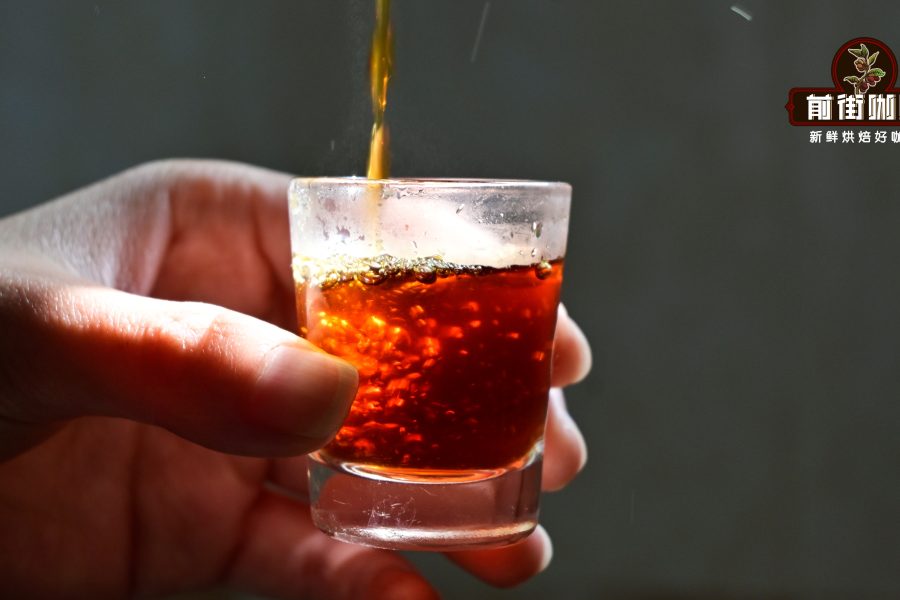
Introduction: With its low caffeine content, decaf coffee has become the preferred evening drink for many people, but its flavor is often questioned as inferior to regular coffee. This article takes an in-depth look at the flavor differences between decaf coffee beans and regular beans, explains the principles of mainstream decaffeination processes, compares the two in terms of antioxidants, nutrients and mouthfeel, and reveals the real reasons why decaf coffee is considered 'bad-tasting,' helping you make a science-based choice according to your needs.
Decaf refers specifically to coffee products whose caffeine content has been reduced to below 97% of the original value, meaning each cup of decaf espresso leaves about 0-7 mg of caffeine residue. Although not completely removed, this is far lower than regular coffee and has negligible effect on sleep for most people.
The birth of decaf coffee can be traced back to the early 19th century. Legend has it that the German poet Goethe, whose sleep was affected by coffee, asked his friend Runge to analyze the composition of coffee beans. Around 1820, Runge discovered that caffeine was the key factor hindering sleep and developed a separation method, regarded as the beginning of decaf coffee research. However, limited by the extraction technology of the time, decaf coffee could not be produced on a large scale. It was not until 1903 that the German coffee importer Roselius discovered that soaking beans in seawater greatly reduced their caffeine content, and he organized chemists to tackle the problem, ultimately breaking through extraction technology to achieve mass production.
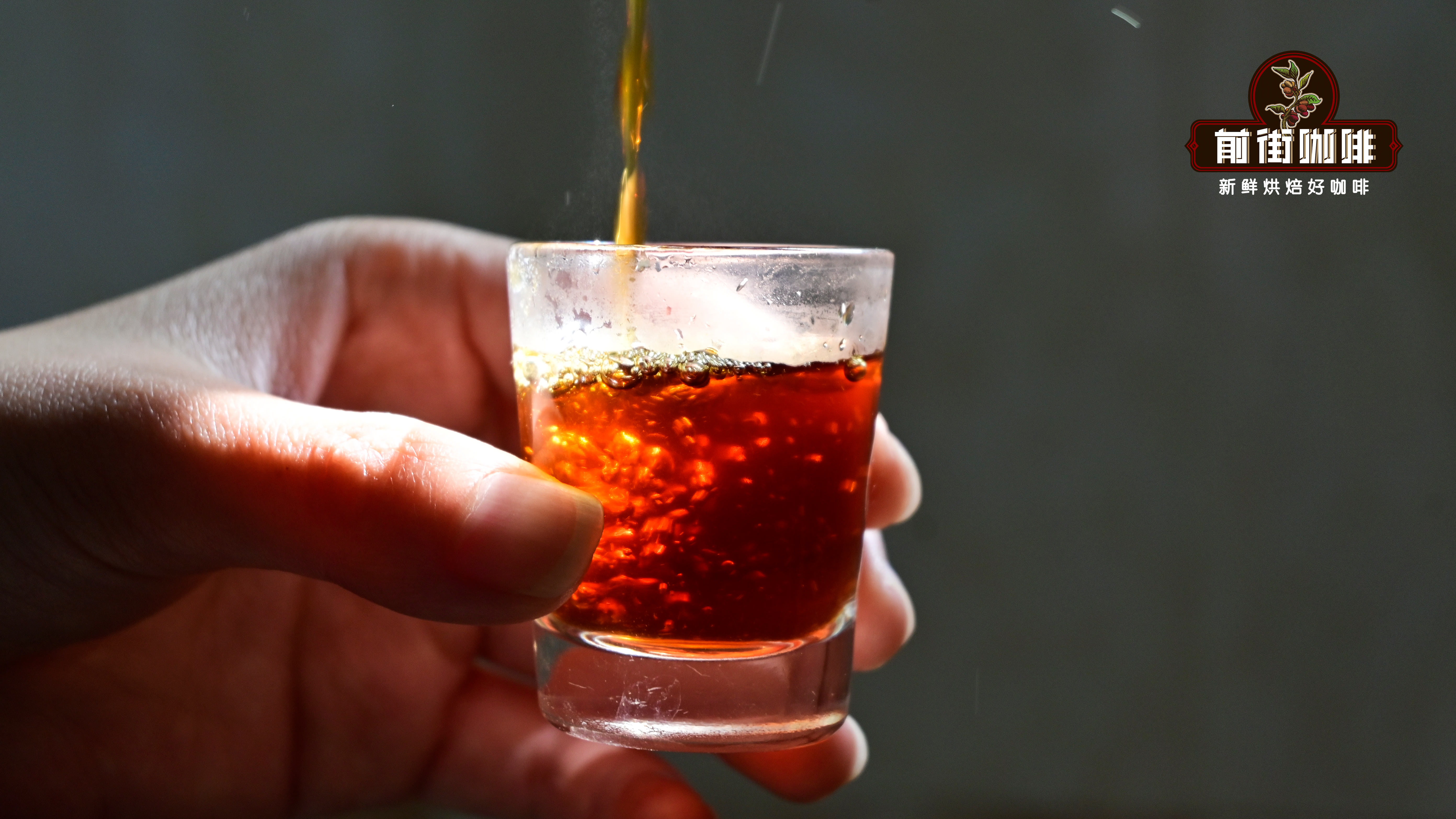
Currently, mainstream decaffeination processes fall into three main categories: the Swiss Water Process, the solvent process, and the carbon dioxide process. Among them, the Swiss Water Process, as a highly efficient commercial solution, first soaks green beans in 'flavor-loaded water' rich in flavor compounds but free of caffeine, causing the caffeine to dissolve into the water. The water is then passed through activated carbon filtration to remove the caffeine, and the green beans are re-soaked in the pure flavor water, allowing them to absorb their original flavor compounds while completing decaffeination. This process effectively preserves most flavor compounds.
The solvent process (also known as the European method or direct contact method) uses dichloromethane solvent directly on the green beans. Steam is first used to open the pores of the green beans, then dichloromethane bonds with the caffeine, and the caffeine-containing solvent is washed away. Finally, the beans are steamed again to remove residual solvent. Because dichloromethane has a boiling point of only 39.8°C, any residual solvent completely evaporates during roasting, ensuring safety.
The carbon dioxide process (CO2 process) is a natural decaffeination method. Liquid carbon dioxide is injected under high pressure into a stainless steel tank where the green beans are soaking, and the caffeine is extracted by taking advantage of carbon dioxide's selective dissolving property for caffeine. This process preserves flavor molecules to the greatest extent, making decaf coffee's flavor richer.
As for whether decaf coffee is 'bad-tasting,' the key does not lie in the decaffeination process itself. In fact, many low-priced decaf coffees use lower-quality commercial-grade coffee beans (such as some robusta beans), whose flavor foundation is already poor before decaffeination. If high-quality arabica beans are used as the raw material, even after decaffeination, as long as the process is proper, they can still deliver good flavor performance.
From a nutritional perspective, caffeine is an important source of antioxidants in the Western diet. Although decaf coffee has about 15% less antioxidant content than regular coffee (mainly due to trace losses during decaffeination), it still contains antioxidants similar to regular coffee, such as hydrocinnamic acid and polyphenols. These components effectively neutralize free radicals and may help prevent heart disease, cancer, and type 2 diabetes. In addition, decaf coffee contains small amounts of magnesium (2.4% of the daily recommended intake), potassium (4.8%), and niacin (vitamin B3, 2.5%). When drinking 2-3 cups a day, the cumulative amount of these nutrients is considerable.
It is worth noting that different decaffeination processes affect flavor differently: the Swiss Water Process preserves the original flavor well but may lose some delicate mouthfeel; the solvent process can easily produce off-flavors if residual solvent is not properly controlled; and the carbon dioxide process is better for maintaining coffee's richness and aromatic layers. Consumers can choose suitable decaf coffee beans based on their own flavor sensitivity and sleep needs, combined with the characteristics of each process.
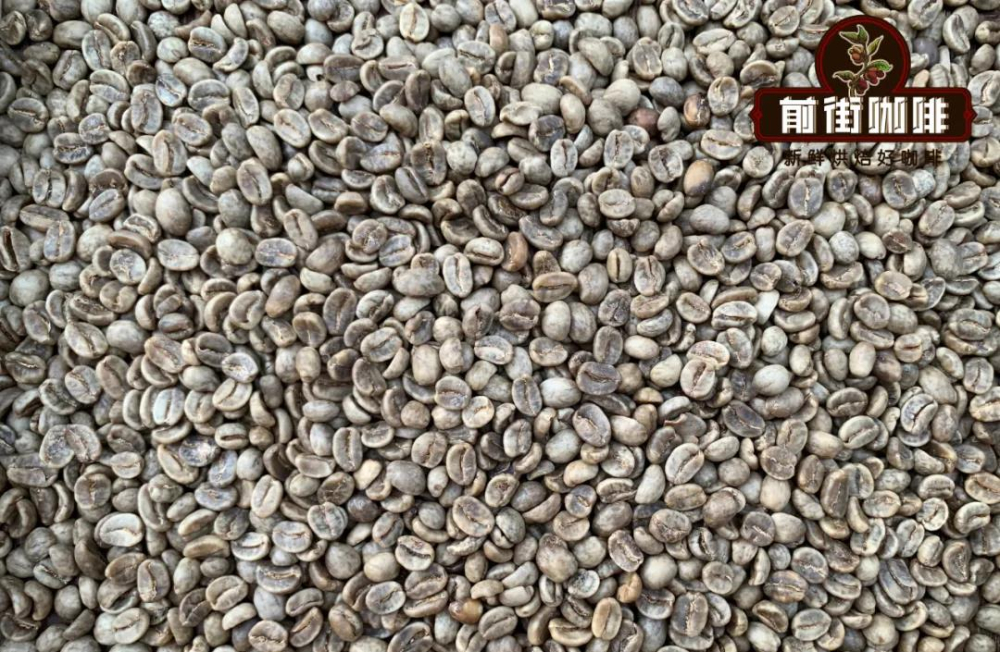
In addition, when judging the quality of decaf coffee, it is recommended to observe its color (high-quality decaf beans should be uniform and natural in color), smell its aroma (there should be a clear coffee aroma rather than a flat, tasteless one), and taste its mouthfeel (there should be no obvious astringency or off-flavors), to avoid raw material or process issues affecting the drinking experience.