Cold Brew Coffee Beginner's Guide: Ratio, Grind and Brew Time
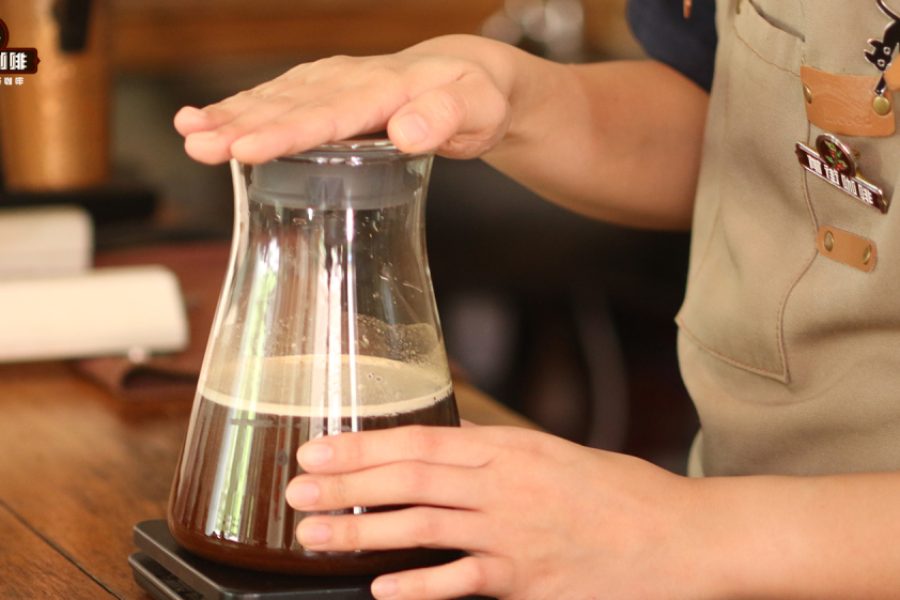
Introduction: Want to make a cup of full-bodied cold brew coffee at home? This article explains in detail the key parameters of the two mainstream methods, immersion and cold drip, including the golden coffee-to-water ratio of 1:12, the criteria for choosing grind size, and precise extraction times ranging from 6 to 24 hours. It will also tell you how to adjust the recipe according to the roast level of the coffee beans, avoid common brewing mistakes, and easily achieve professional-level cold brew flavor.
In recent years, more and more people have begun to try cold brew coffee. This extraction method, different from traditional hot brewing, extracts flavor by soaking coffee grounds in cold water for a long time. Together with cold drip coffee, it belongs to the cold brew category; the main difference between the two lies in the extraction form—immersion brewing uses steeping extraction, while cold drip uses slow drip filtration. It is worth noting that the English name for cold brew coffee is "Cold Brew Coffee," while cold drip corresponds to "Cold Drip Coffee."

The core of making cold brew coffee lies in extending the extraction time to compensate for the low-temperature environment. Because cold water has low extraction efficiency, it usually takes 6-8 hours of contact time to achieve the desired concentration. This slow extraction process can fully extract the water-soluble substances in coffee, giving the finished product a fuller body and longer-lasting flavor layers than hot-brewed coffee. Properly made cold brew coffee can be stored for 3-5 days under refrigeration, and over time it will develop a unique fermented flavor.

As for the choice of grind size, it is recommended to use a grind slightly finer than pour-over, roughly equivalent to a 82-85% passing rate through a No. 20 sieve. If using a hand grinder as a reference, it is about 22-24 clicks. This coarseness ensures sufficient surface area to contact the cold water while avoiding over-extraction and bitterness. The commonly used equipment only needs an ordinary sealed container; although a 600ml mineral water bottle is not an ideal choice, it is completely usable in daily production.

The classic immersion recipe uses a 1:12 coffee-to-water ratio; calculated by 600ml capacity, that means using 50 grams of coffee grounds with 600ml of cold water. In practice, it can be adjusted flexibly: for a lighter taste, increase to 1:15; for a richer flavor, reduce to 1:10. When making it, first mix the coffee grounds and cold water thoroughly. It is recommended to pour the water in two stages and stir gently to ensure the coffee layer is evenly wet, then seal and place it in a refrigerated environment of 5-10°C to rest.
Extraction time directly affects the final flavor intensity. The basic plan recommends soaking for 12-24 hours, of which 12 hours is suitable for light extraction to retain bright fruit acidity, while 18-24 hours can develop richer sweetness and body. Pay attention to the ambient temperature—in summer heat, it is recommended to shorten the time and increase stirring frequency, while in winter it can be appropriately extended. After extraction is complete, be sure to use filter paper or filter cloth for double filtration to ensure the coffee grounds are completely separated.

The choice of coffee beans needs to consider the influence of roast level on flavor. Medium-light roasted single-origin beans are usually more suitable for cold brew, as they can highlight citrus acidity and floral notes, and are especially suitable for summer refreshment. Washed light-roast beans such as Ethiopian sun-dried Yirgacheffe can present distinct citric acid and a black tea finish; while sun-dried or honey-processed varieties such as Kenya AA will bring a blueberry-compote-like sweetness. It is worth noting that medium-dark roasted beans are not completely unusable, but extraction time needs to be controlled to avoid overly prominent burnt bitterness.

For different flavor preferences, refer to the following bean selection strategy: for fresh acidity, choose washed light-roast beans, which usually list flavors such as lemon and jasmine; for a fruity, honeyed sweetness style, medium-light roasted sun-dried or honey-processed beans are recommended, with flavor descriptions commonly including keywords such as peach and caramel; for consumers who prefer a rich fermented feel, try special-process varieties with raisin and wine aromas. In fact, the cold brew process can strengthen all the flavor characteristics listed on the coffee label, including the balanced expression of sour, sweet, bitter, and salty.

Professional-level cold brew also requires attention to several key details: first, make sure all equipment is cleaned and disinfected in advance to avoid contamination by miscellaneous bacteria; second, during soaking, it is recommended to gently shake the container 1-2 times a day to promote even extraction; finally, the filtered coffee liquid is recommended to be refrigerated in a glass container, and taking it out 4 hours before drinking to warm up can enhance the aroma. If obvious sediment is found in the finished product, it can be filtered a second time through a fine mesh sieve to obtain a clearer taste.

Although cold drip coffee uses a completely different drip filtration principle, the core parameter logic is the same. For those who want to try cold drip, it is recommended to control the drip rate at 1-2 drops per minute, with a total extraction time of about 8-12 hours. No matter which method you choose, it is recommended to start with standard parameters and gradually build a personal flavor preference profile. Remember that the key to high-quality cold brew lies in patient waiting—appropriate extraction time and precise parameter control are what make a cup of richly layered cold brew.