Cold brew storage tips and no-fridge brewing: a flavor preservation guide

Introduction: Cold brew coffee is known for its low-temperature, slow extraction, giving it a smooth mouthfeel and low bitterness, but improper storage can easily affect the flavor. This article explains the science-based storage life of cold brew coffee, offers a brewing solution for environments without a refrigerator, and recommends flavor-forward coffee beans suitable for cold brew, helping you master the whole process from brewing to storage.
Cold brew coffee is a coffee beverage made by mixing ground coffee with room-temperature water, steeping for at least 12 hours for extraction, and then filtering. Compared with traditional hot brewing, its mouthfeel is softer, bitterness is significantly reduced, and the coffee's full-bodied character is more pronounced. However, because cold brew coffee has not undergone high-temperature sterilization, microbial activity during extended storage causes fermented flavors to gradually intensify, so it is recommended to finish it within 3 to 4 days for the best flavor.

Making cold brew coffee is not complicated: mix coffee grounds with cold water and let it steep, usually refrigerated for 12 to 24 hours to complete extraction. The principle is similar to ice-drip coffee, but cold brew uses long steeping in cold water. Because the extraction temperature is low, only small-molecule substances such as fruit acids and floral compounds are fully dissolved, so the resulting coffee liquid has a clean mouthfeel and distinct layers.

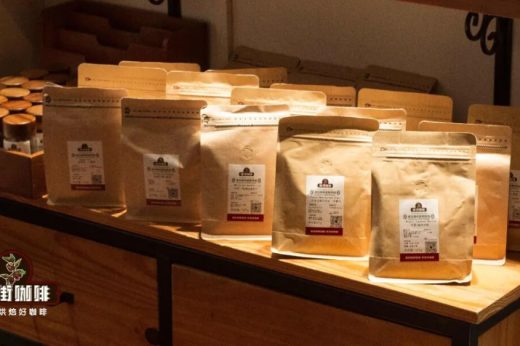
For beginners trying cold brew for the first time, choosing the right coffee beans is crucial. It is recommended to prioritize washed or specially processed coffee beans; these beans usually have brighter acidity and richer sweetness and can show more distinct flavor characteristics during cold brewing. For example, naturally processed coffee beans often carry intense floral and citrus notes, while honey-processed beans may present the sweet aroma of tropical fruit.

When brewing, the coffee-to-water ratio is one of the key parameters affecting cold brew flavor. A ratio of 1:12 to 1:15 is usually recommended, that is, 600 to 750 milliliters of water for every 50 grams of coffee grounds. To further improve extraction efficiency, you can add an appropriate amount of ice cubes to adjust the water temperature and stir to ensure the coffee grounds contact the water evenly. Seal the mixed coffee liquid and refrigerate it; after 12 to 24 hours of full steeping, filter out the coffee grounds with filter paper or a professional strainer to obtain clear cold brew coffee liquid.

After filtering, pour the cold brew coffee liquid into a clean, sealed container and continue refrigerating for about 4 hours so the flavors can further meld. If you cannot finish it within a short period, divide the coffee liquid into several small containers to reduce the amount of air contact each time the lid is opened, thereby slowing flavor deterioration. Note that even when refrigerated, cold brew coffee liquid should be finished within 3 to 4 days to avoid off-flavors caused by oxidation or microbial activity.

If you do not have a refrigerator, you can also make cold brew coffee by the following method: choose a cool, well-ventilated environment and place the container holding the coffee grounds and cold water mixture away from light, ensuring the ambient temperature stays below 25°C. In this case, it is recommended to appropriately extend the steeping time to 24 to 36 hours to ensure sufficient extraction. At the same time, gently shake the container every 8 to 12 hours to help extract the coffee grounds evenly. Note that cold brew coffee made at room temperature has poorer flavor stability, so it is recommended to drink it as soon as possible.

To further improve the mouthfeel of cold brew coffee, you can adjust the grind size during brewing. A medium-coarse grind, similar in texture to coarse sugar, is usually recommended; this ensures enough surface area for extraction without causing filtration difficulties or over-extraction due to particles being too fine. In addition, according to personal taste preferences, you can try adding a small amount of natural flavoring materials such as cinnamon sticks, vanilla pods, or citrus peel to add unique layers to the cold brew coffee.