Why SOE Coffee Tastes Sour: Bean Selection and Brewing Guide
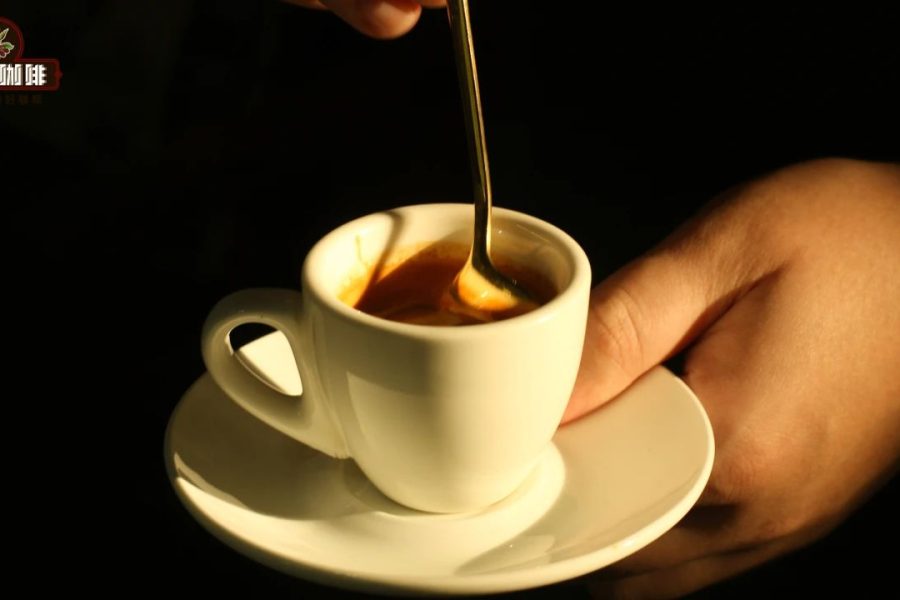
Introduction: Are you unfamiliar with SOE on coffee menus? Single Origin Espresso has been gaining popularity in China in recent years, but many people still wonder why it often tastes sour, which beans suit it, and how to brew it. This article takes an in-depth look at SOE coffee's flavor characteristics, suitable beans, and extraction methods, from the causes of acidity to pour-over and espresso applications, helping you fully understand this coffee type and improve your tasting and brewing skills.
When you first hear the term SOE, does it leave you a little puzzled? In fact, SOE is not some novel concept; it began to catch on abroad as early as ten years ago and has only recently drawn attention in China. Simply put, SOE is short for Single Origin Espresso, meaning espresso made from coffee beans of a single origin. It differs from the espresso we commonly encounter, which is made from blended beans, but that does not mean it is superior or more complex.

Many people, when first encountering SOE, often wonder: isn't this just espresso made from single-origin beans? That's right, that is indeed its essence. For example, espresso has traditionally been made from blends of multiple beans, pursuing a balanced and stable taste, whereas SOE uses single-variety coffee beans from the same region or even the same estate, extracted under high pressure and high temperature by an espresso machine. As a result, SOE better showcases the unique terroir and flavor characteristics of beans from a specific region.

So, is SOE always better tasting than blended coffee? Not necessarily. Many factors affect the final flavor experience of a cup of coffee, including the quality of the beans themselves, the roast level, freshness, as well as the performance of the coffee machine, the extraction parameters, and personal taste preferences. SOE simply defines that single-origin beans, rather than blended beans, are used. Therefore, one cannot simply assume that SOE is necessarily more delicious or more premium than blended coffee, nor can one generalize that it suits everyone better. The key lies in bean selection and extraction precision.

So how do you choose coffee beans suitable for making SOE? This starts with the extraction characteristics of espresso. Espresso machines typically use a very fine grind combined with high temperature and high pressure, making the extracted flavors very concentrated and intense. Therefore, if the chosen beans are roasted too light, sharp acidity and green bean flavors tend to stand out; if roasted too dark, burnt bitterness and smoky notes tend to appear. Considering both flavor performance and extraction stability, medium to medium-dark roast is the most suitable roast range for SOE.

For those who enjoy fresh floral aromas and bright fruity acidity, consider medium-roast coffee beans from African regions. These beans often carry citrus, berry, jasmine and other floral and fruity aromas, with livelier acidity; for example, beans from Ethiopian regions such as Yirgacheffe and Geisha can, at a medium roast, display bright acidity and rich layers.

If you prefer an SOE with prominent sweetness, a clean mouthfeel, and less acidity, medium-roast coffee beans from the Americas are a good choice. For example, beans from Brazil, Colombia, and Central American countries such as Costa Rica usually have gentle sweet notes of nuts, caramel, and dark chocolate, with relatively balanced acidity and bitterness, suitable for making an easy-drinking SOE with obvious sweetness, and especially suitable for milk drinks such as lattes.

For coffee lovers who do not care much for acidity and seek a full, rich mouthfeel, we recommend medium-dark roast coffee beans from South American and Asian regions. For example, certain medium-dark roast beans from Brazil and Colombia, as well as Indonesian Mandheling, among others; after dark roasting, these beans have a balance of bitterness and sweetness, with low acidity, bringing a solid body and warm chocolate and spice flavors, and are better suited to consumers who dislike obvious acidity.

Overall, the charm of SOE coffee lies in its ability to clearly express the personality of single-origin beans. Whether it is fresh acidity, rich floral and fruity aromas, or mellow nut and chocolate notes, it all depends on the bean variety and roast level you choose. Understanding the essence of SOE and mastering the suitable roast range and extraction methods, whether you are making espresso or trying pour-over, will let you more deeply appreciate coffee's diversity and regional character.


