Home Coffee Grounds Cold Brew Guide: 12-Hour Slow Extraction Tips and Flavor Pairing
Introduction: Cold brew coffee, with its refreshing taste and simple brewing process, has become the ideal choice for busy urbanites. This article explains in detail how to make professional-grade cold brew using ordinary home coffee grounds, from basic equipment preparation to key techniques for extending flavor shelf life, with special flavor management solutions for refrigerated fermentation characteristics, and includes a variety of creative drink recipes to help you unlock the best drinking experience within 3-4 days.
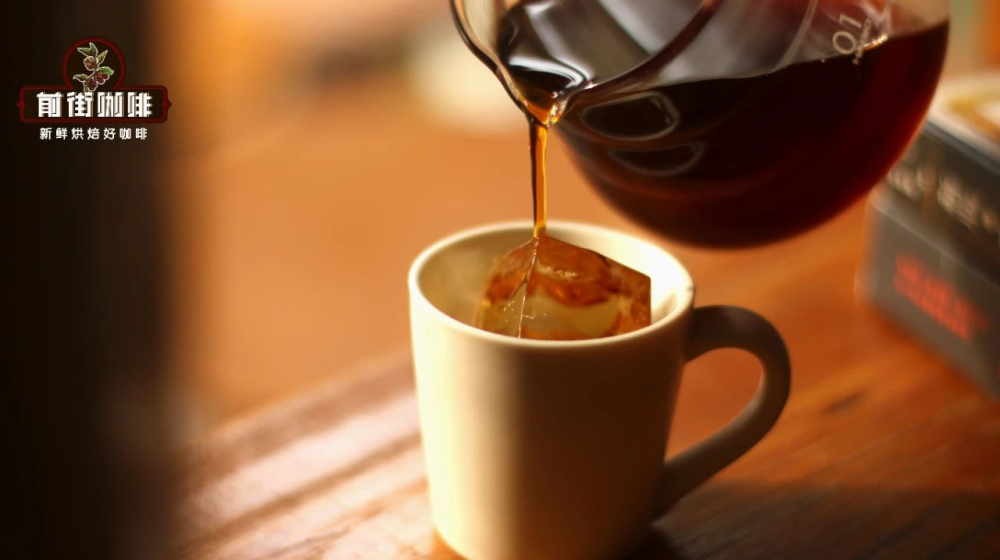
No professional equipment is needed—just basic coffee grounds to make cold brew coffee at home that rivals café quality. This coffee-making process, which extracts over a long period with cold water, not only preserves the bright acidity of coffee but also effectively reduces the bitterness brought by traditional hot extraction. Experimental data shows that using a coffee-to-water ratio of 1:12 to 1:15 (1200-1500 ml of room-temperature water per 100 g of coffee grounds), left to stand for 12-16 hours in a 4°C refrigerated environment, can maximize the extraction of small-molecule flavor compounds.
The core advantage of cold brew coffee lies in its unique low-temperature extraction logic. Compared with hot extraction at above 90°C, the low-temperature environment can only dissolve the acidic substances and aromatic esters in coffee, which explains why the finished product usually presents lower bitterness (average bitterness value reduced by 40%) and higher sweetness. It is worth noting that as refrigeration time extends beyond 72 hours, microbial activity in the coffee liquid will gradually enhance fermentation characteristics; it is recommended to finish drinking within 3-4 days after preparation to ensure the best flavor window.
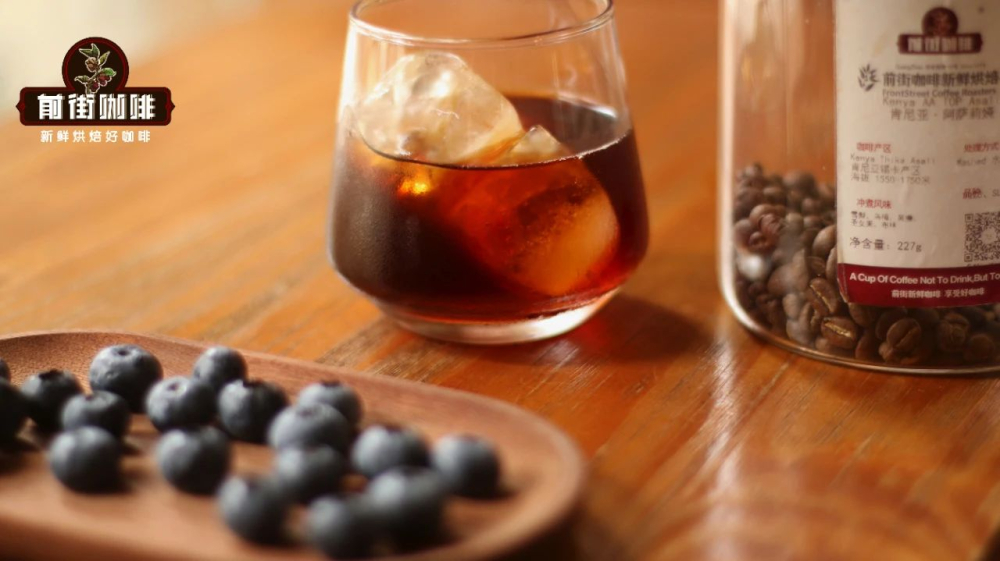
Making cold brew coffee requires no complicated equipment; the basic version only needs a glass container with a sealed lid (capacity recommended 1L or more) and filter cloth/filter paper. For an advanced setup, a dedicated cold brew pot (such as a trapezoidal filter design) can be used, whose inclined structure allows the coffee grounds to soak evenly. Key parameter controls include: for grind size, medium-coarse grounds are recommended (similar to 8-10 mesh for pour-over coffee); too fine will cause filtering difficulties and increase the risk of over-extraction; water temperature must strictly use room-temperature water (20-25°C); although an ice-water mixture can accelerate extraction, it will affect flavor balance.
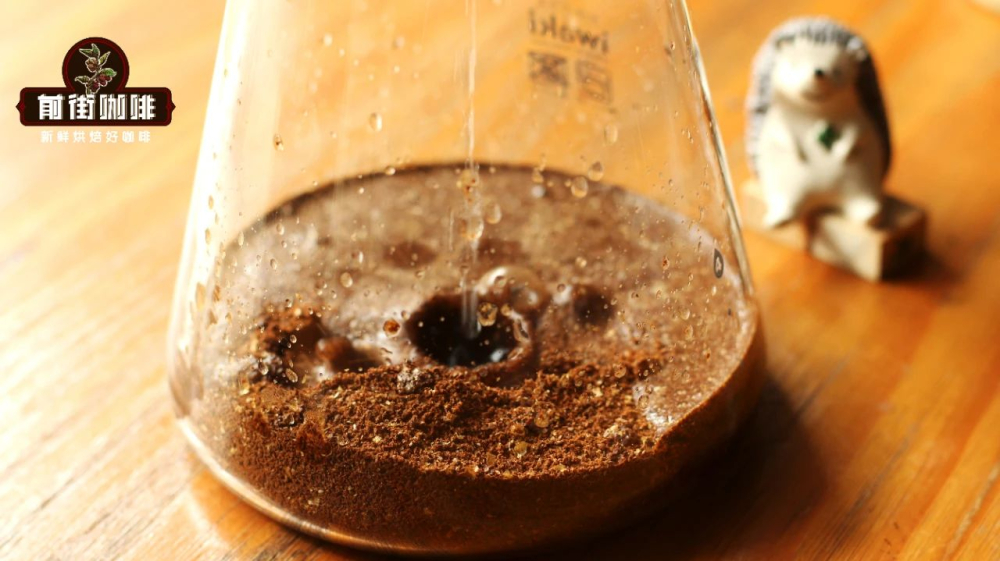
Regarding the flavor formation mechanism, the low-temperature environment mainly extracts volatile acids such as citric acid and malic acid, as well as ester aromatic substances. This creates the unique fresh character of cold brew coffee—Yirgacheffe varieties from African regions will highlight jasmine floral aroma and citrus notes under this process, while honey-processed beans from American regions show caramel sweetness and nutty undertones.
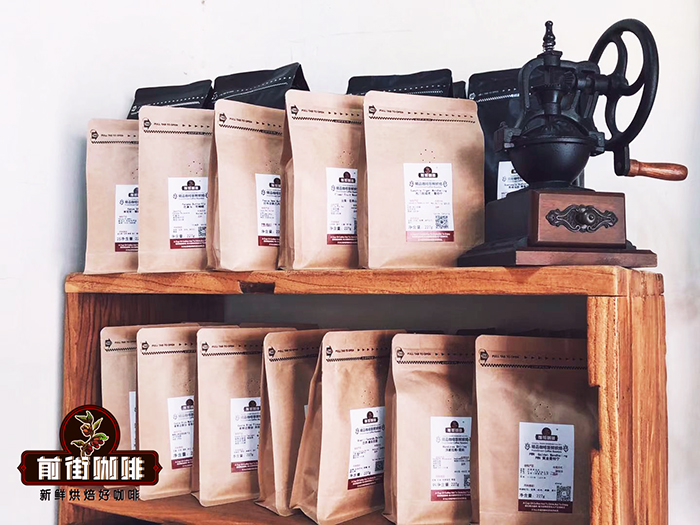
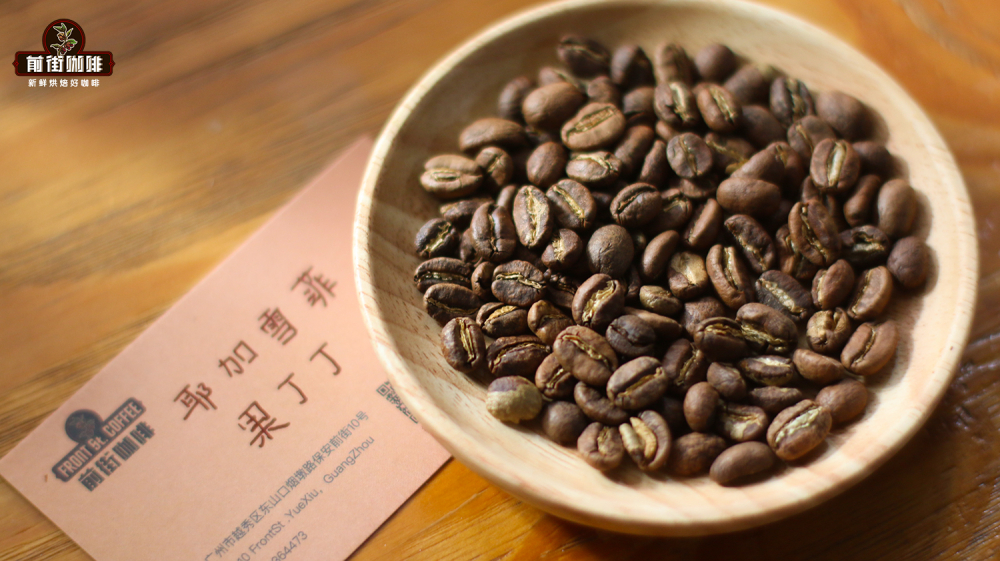
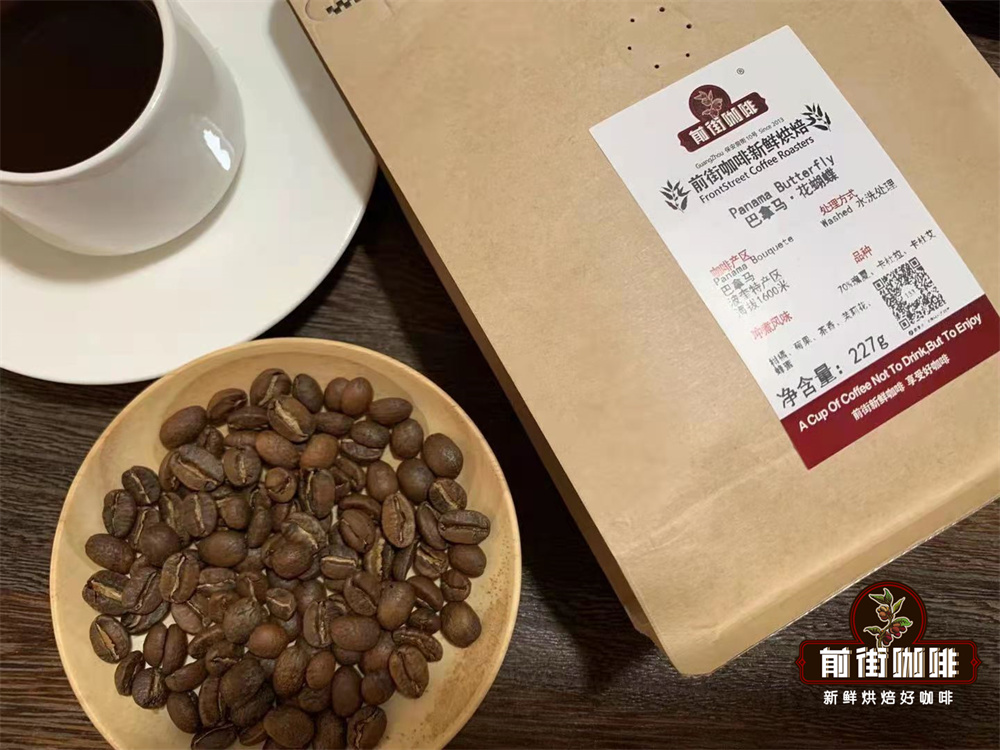
Coffee bean selection directly affects the final product style. Washed Ethiopian bean varieties (such as Yirgacheffe) can present a clean and bright acidity structure, and are recommended to pair with citrus fruit drinks; while sun-dried Panama Geisha beans, having developed richer tropical fruit flavors (such as mango and lychee), are more suitable for drinking straight or paired with vanilla ice cream. Special processing methods such as anaerobic fermentation beans should be used with caution; their high-intensity fermentation characteristics may produce overly intense off-flavors after long soaking.
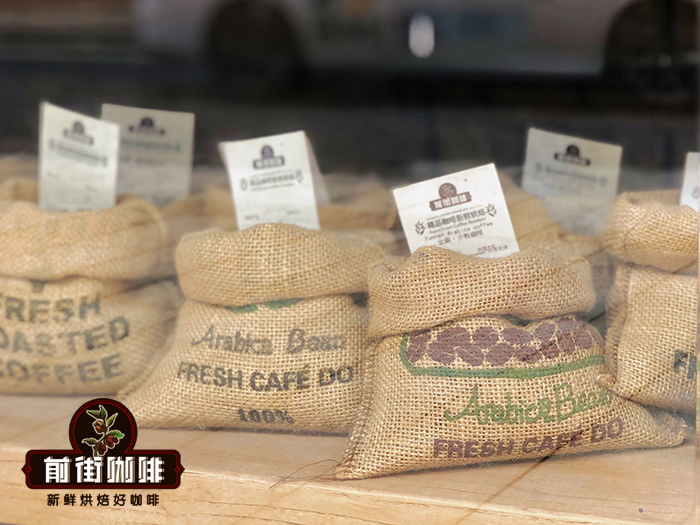
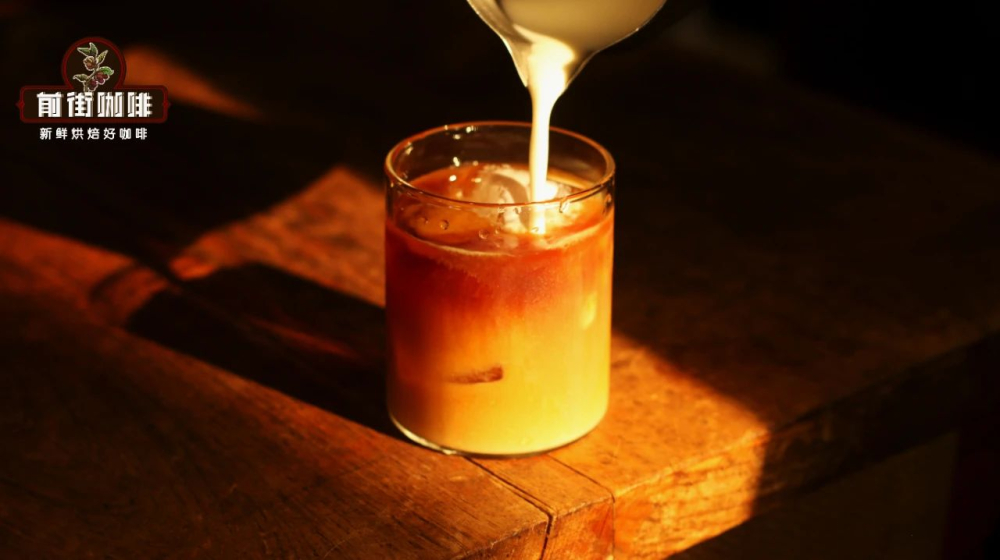
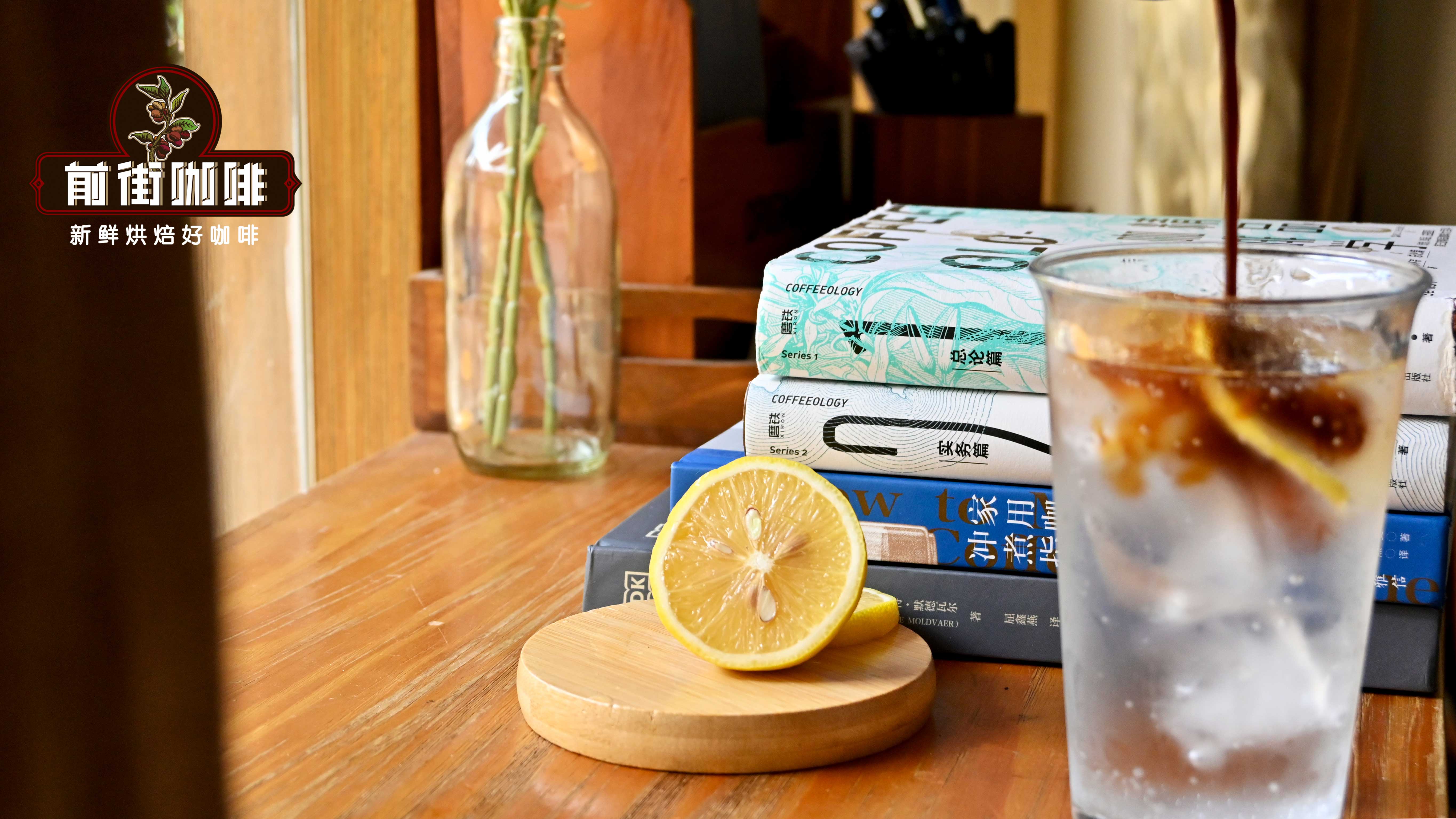
Creative drink recipes can effectively expand the application scenarios of cold brew coffee. Adding soda water (recommended ratio 1:1) can enhance the bubbly sensation when drinking, but note that the coffee liquid and sparkling water should be layered and left to stand for 1 hour in advance to avoid excessive volatilization; whole milk (30-50 ml per 200 ml coffee liquid) can add a creamy texture, and for plant milk, oat milk is recommended for the best emulsification effect. Among the alcohol pairing schemes often used by professional bartenders, 15 ml of Irish whiskey or brandy can enhance the coffee's spice flavor, but the alcohol ratio should not exceed 5% of the coffee liquid to avoid masking the original characteristics.
The storage stage directly affects flavor stability. It is recommended to pour the filtered coffee liquid into a sealed glass bottle (pre-sterilized with boiling water), and the refrigeration temperature should be maintained in the 2-4°C range. Experiments show that under ideal storage conditions, the antioxidant substances in cold brew coffee (such as chlorogenic acid) can maintain more than 85% activity within the first 72 hours, but after 5 days the volatilization rate of aromatic substances will rise significantly. Regularly shaking the storage bottle can delay layering and sedimentation, but avoid vigorous shaking that causes carbon dioxide loss.
For coffee lovers seeking efficiency, a segmented extraction method can be tried: split the total time into 6 hours refrigerated + 6 hours room-temperature standing, with manual stirring every 4 hours, to obtain flavor concentration close to conventional 12-hour extraction within 8 hours. Special attention should be paid to the choice of filter cloth material—natural fiber filter cloth (such as cotton or linen) can retain more fine oils but may increase extraction residue by 10-15%; synthetic filter mesh (such as 304 stainless steel mesh) can achieve clearer coffee liquid but will lose some body.
In summary, the charm of cold brew coffee lies in its strong controllability and high fault tolerance. Even if a first attempt fails (such as being overly light or having slight sediment), a qualified product can still be obtained by adjusting the coffee-to-water ratio (increasing to 1:16) or extending the extraction time (extending to 18 hours). After mastering the basic techniques, personalized adjustments can be made according to individual taste preferences—whether pursuing an extremely refreshing low-caffeine version or adding a cinnamon stick for a special flavored version, all can be stably reproduced through this methodology.