Yirgacheffe Coffee Beans: Bean Selection, Pour-Over Parameters, and Flavor Guide

Introduction: Ethiopian Yirgacheffe is a globally recognized representative of fruit-forward specialty coffee, known for its distinctive citrus notes and floral aromas. This article takes an in-depth look at the region's geographical advantages and the differences between mainstream processing methods, and provides detailed brewing recipes for washed and natural beans to help you precisely match your personal taste preferences.
When it comes to Ethiopian coffee, Yirgacheffe is undoubtedly the most representative example. This region, located on the East African highlands, owes its layered fruit flavors to its average elevation above 2,000 meters and spring-like microclimate, making it a “fruit paradise” in the minds of coffee lovers worldwide. Whether you are a beginner trying specialty coffee for the first time or a seasoned enthusiast chasing flavor details, you can find a bean you love here.

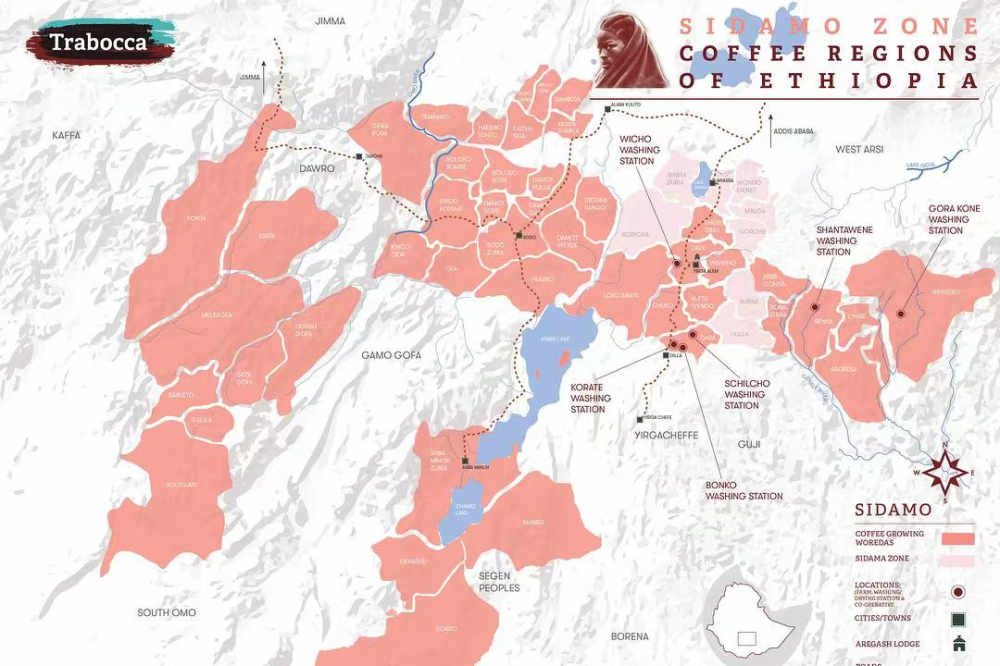
The Yirgacheffe region covers more than forty family-run coffee cooperatives, most of which are located in mountain villages at elevations of 1,900–2,300 meters. Farmers habitually plant coffee trees in their own backyards or intercropped with corn, beans, and other crops. This small-scale cultivation model limits the yield of each batch of coffee beans but preserves a purer “pastoral flavor.” The local cool, foggy environment slows the ripening of coffee cherries, prompting the fruit to accumulate more sugars and aromatic compounds, ultimately forming the signature bright acidity and citrus-floral aromas.
The region was originally a sub-region of Sidama and was later separated out because of its distinctive flavor profile (especially the fresh, uplifting acidity and white floral notes). Today, Yirgacheffe is further divided into well-known micro-regions such as Kochere, Misty Valley, and Gedeb. Each micro-region, due to differences in soil and microclimate, produces coffee beans with distinct flavor emphases—washed processing highlights clean, translucent acidity, while natural processing brings a richer juicy body and sweetness.
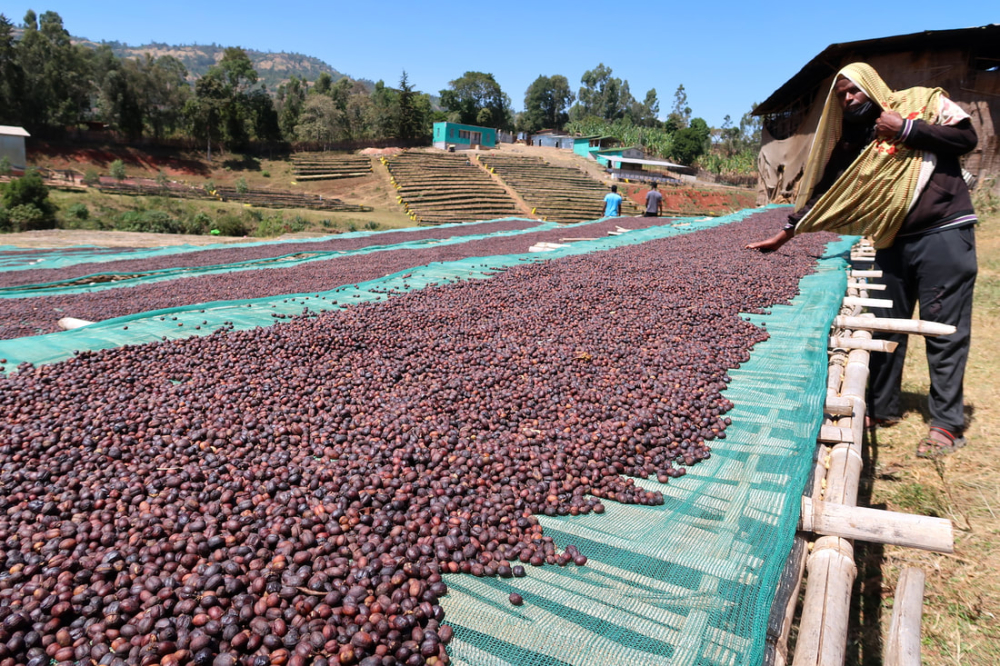
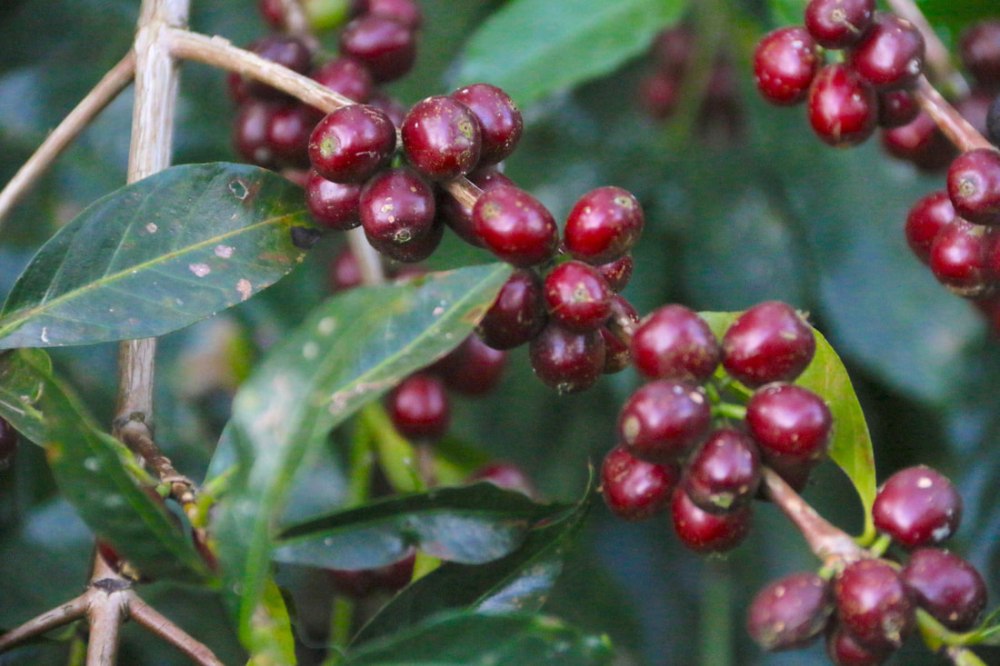
Yirgacheffe's classic flavors come from two sources: the geographical environment and processing techniques. Traditionally, the local method was natural processing, but due to crude equipment (early on, cherries were spread directly on the ground under the sun), it was easy for earthy off-flavors to mix in. It was not until the later 20th century, when washed processing technology was introduced from Central and South America, that Yirgacheffe's fresh character was brought to the fore by removing the mucilage layer and precisely controlling water and fermentation—washed beans typically carry light aromas of jasmine and citrus, with acidity as bright as lemon juice and a clean finish like green tea; while the upgraded natural method strictly selects fully red cherries (fully ripe coffee fruit) and combines shade drying or raised-bed drying to retain more fruit sugars, ultimately presenting the mellow sweetness of berries, honey, and even slight fermentation.
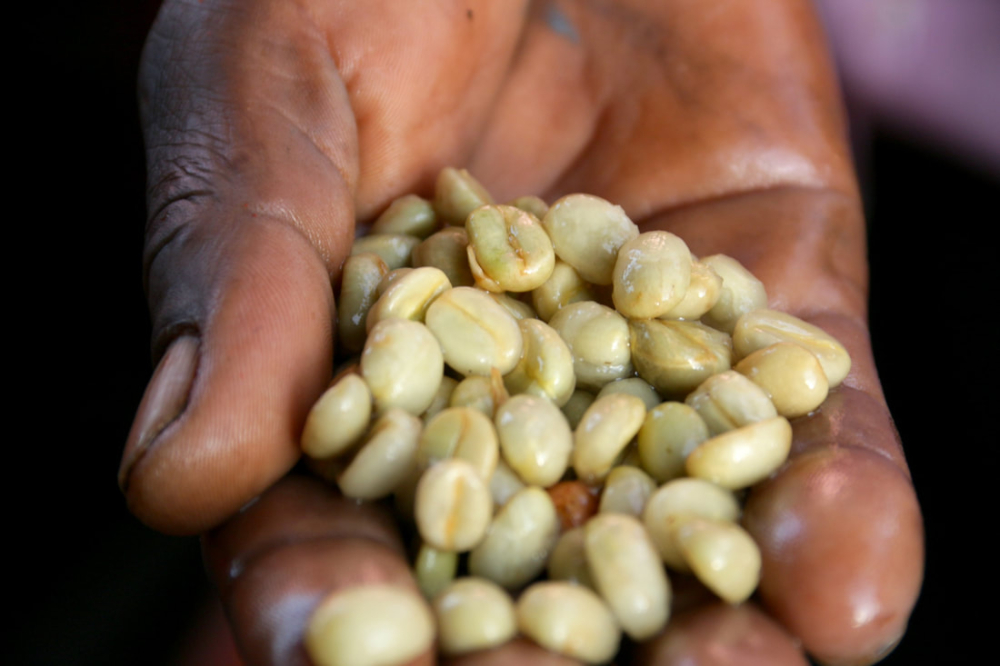
Take the Worka region as an example. It was once part of the Yirgacheffe Union cooperatives and, due to growing market demand for “single-origin traceability,” became independent in 2012 as the Gotiti cooperative. The cooperative consists of about 300 farmers and continues traditional small-scale cultivation and processing methods; its washed beans are called by the industry “the last pure land of Yirgacheffe.” Typical flavors are a complex aroma of jasmine, citrus, blueberry, honey, and green tea (elevation 1,900–2,300 meters, heirloom varieties, G1 grade), suited to those who prefer refreshing acidity.

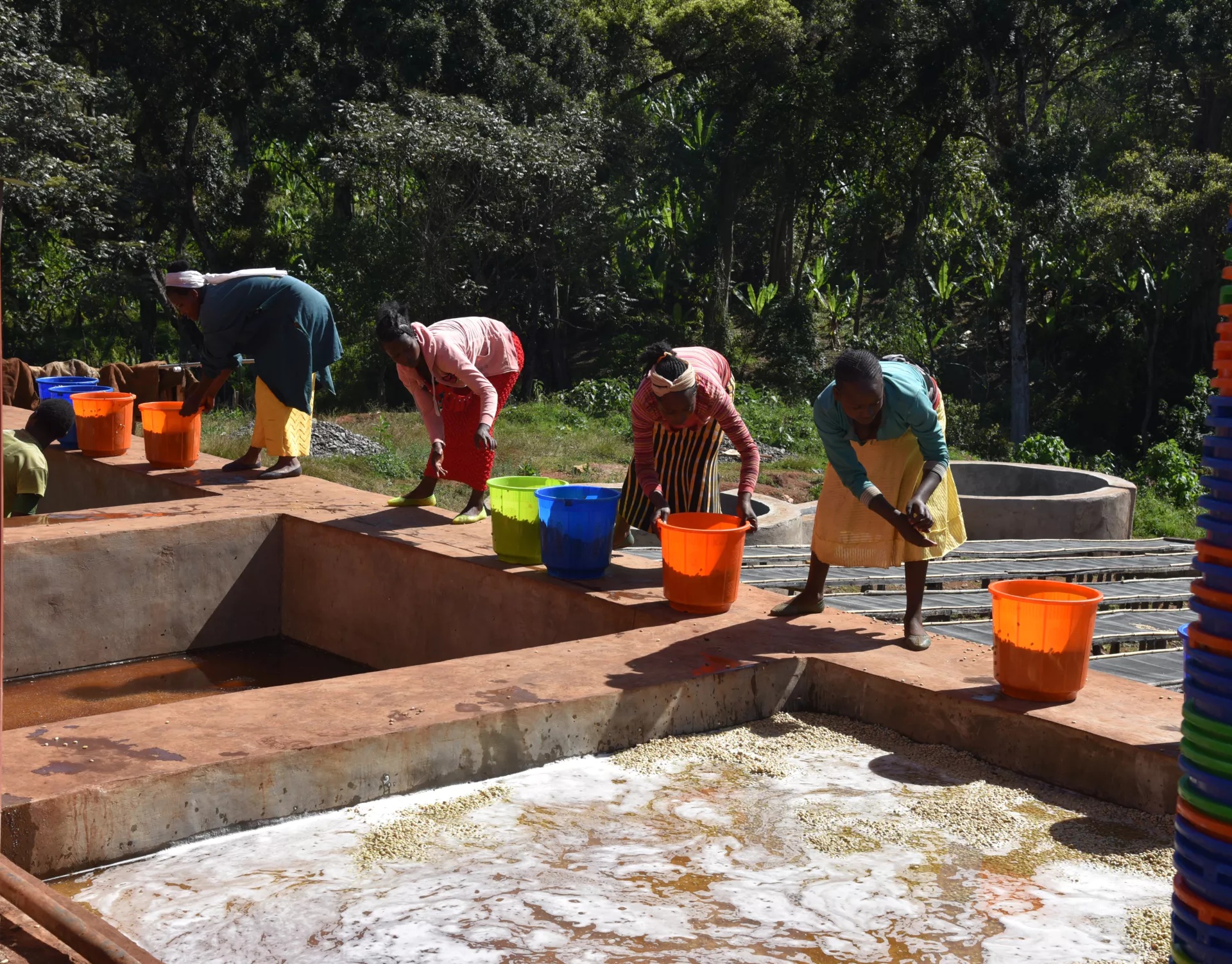
The processing method of coffee beans directly affects the final flavor. The standard washed process is as follows: first, the skin and pulp of the coffee cherries are removed by machine; then the parchment beans are placed in a fermentation tank for 18–36 hours (the specific duration is adjusted according to temperature and humidity); after the mucilage layer naturally breaks down, impurities are washed away through water channels (lightweight beans float to the surface and are eliminated); finally, the high-quality parchment beans are placed on African-style raised beds to dry for about 14 days to a moisture content of 11%–12%. During this period, they must be turned daily to ensure even drying, and before export they undergo several steps such as hulling, polishing, and color sorting. The advantage of washed beans is their high cleanliness, with bright acidity and clear layers, suitable for showcasing light flavors such as citrus and floral notes.
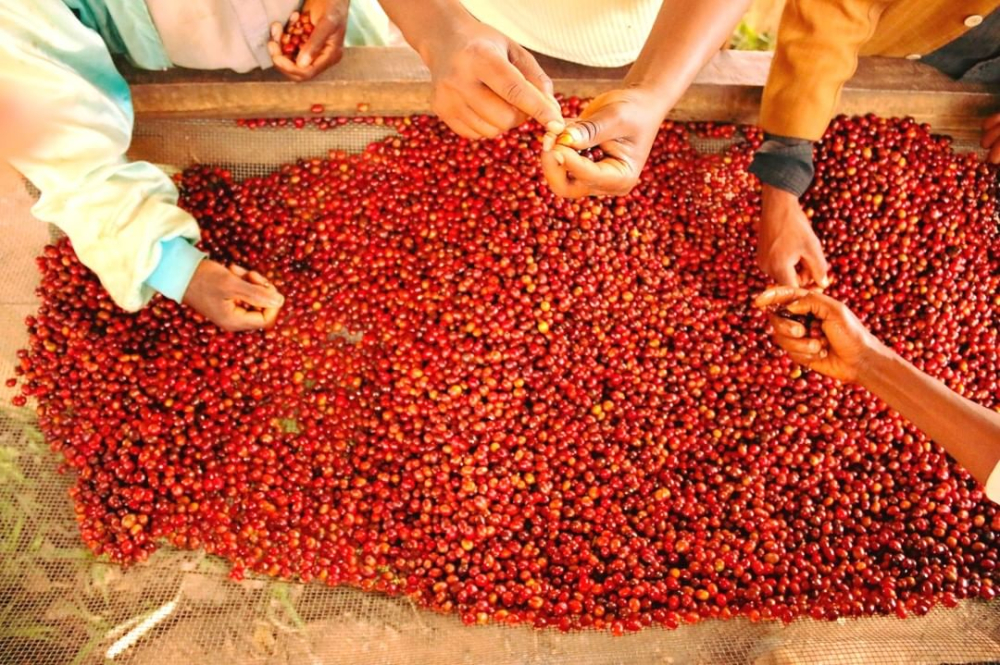
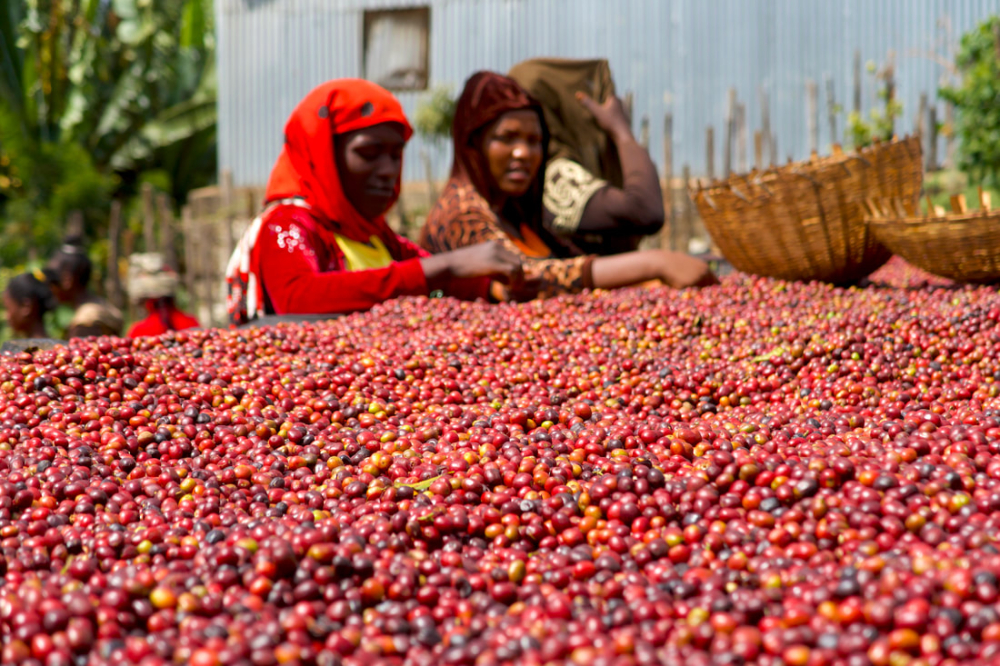
The natural method relies more on natural conditions and manual experience. The traditional approach is to spread the harvested fully red cherries (fully ripe red fruit must be selected by hand) directly on concrete ground or waterproof tarps to dry for 3–4 weeks, turning them frequently to prevent localized overheating or mold, until the moisture content drops to 11%. Modern upgraded versions mostly use raised beds (mesh drying racks with ventilation holes), which allow more precise control of drying temperature and uniformity. Because natural beans retain the fruit-sugar fermentation process, they usually have more pronounced sweetness, with a mellow finish of berries, honey, and even red wine, suited to drinkers who like a full-bodied cup.

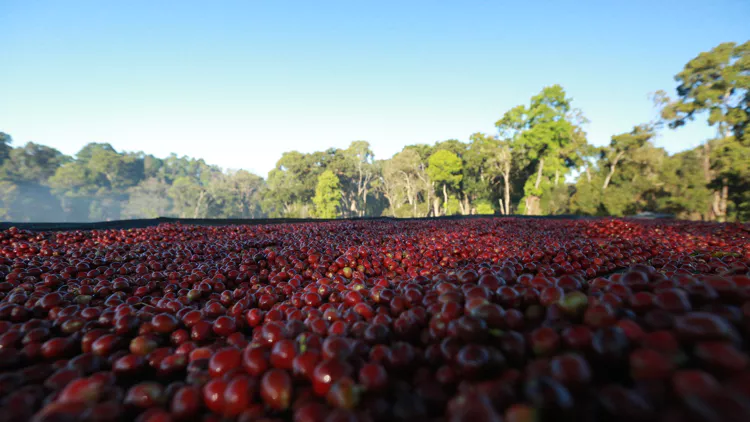
As for the “Red Cherry Project,” it is a quality-improvement program launched in 2007 by the Dutch green coffee trader Trabocca. Previously, Ethiopian coffee farmers often neglected quality because buyers depressed prices, leading to large amounts of underripe fruit mixed into roasting. The project requires farmers to pick only 100% fully red cherries (fully ripe coffee fruit) and to hand-sort out substandard beans, while providing technical guidance and premium purchase prices. This model not only improved the overall quality of coffee beans but also directly linked farmers' income to quality, driving the specialty-coffee progress of the Yirgacheffe region.

For Yirgacheffe beans with different processing methods, brewing parameters need to be adjusted accordingly to highlight their flavor advantages:
Brewing suggestions for washed beans (medium-light roast, such as Gotiti cooperative beans):
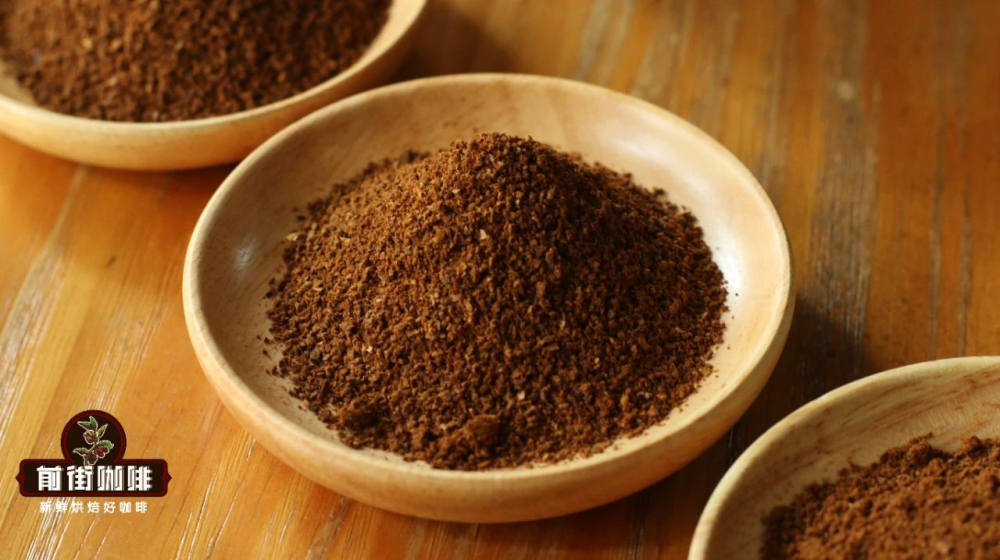
- Grind size: medium-fine (78% passing through Chinese standard No. 20 sieve, close to the texture of fine granulated sugar)
- Dripper: V60 (spiral ribs promote degassing and enhance the release of aromatic acids)
- Water temperature: 90°C–91°C (to highlight bright acidity and tea-like body) or 92°C–93°C (to enhance body)
- Coffee-to-water ratio: 1:16 (balances sweetness and acidity, avoiding excessive sourness)
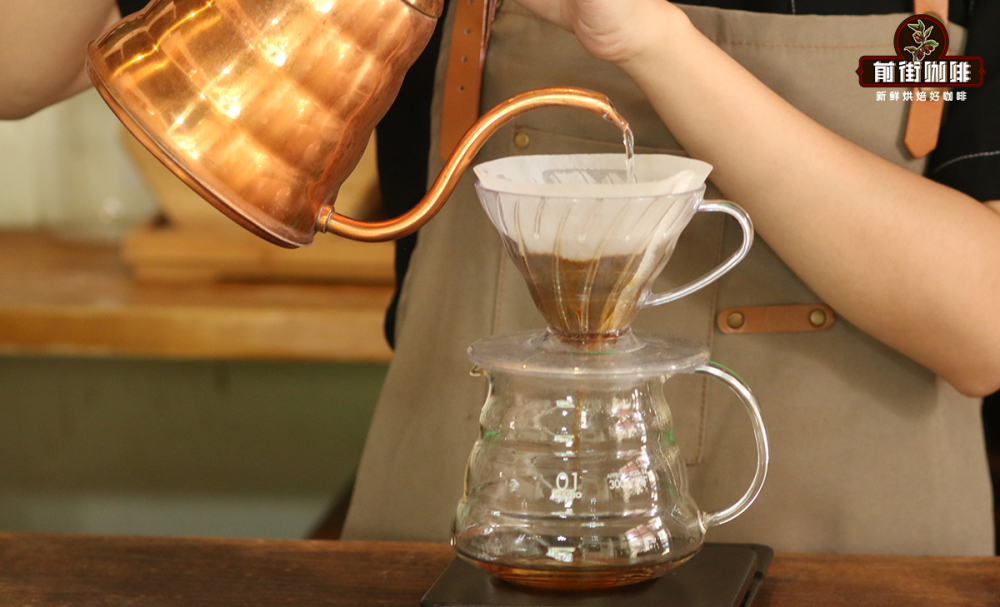
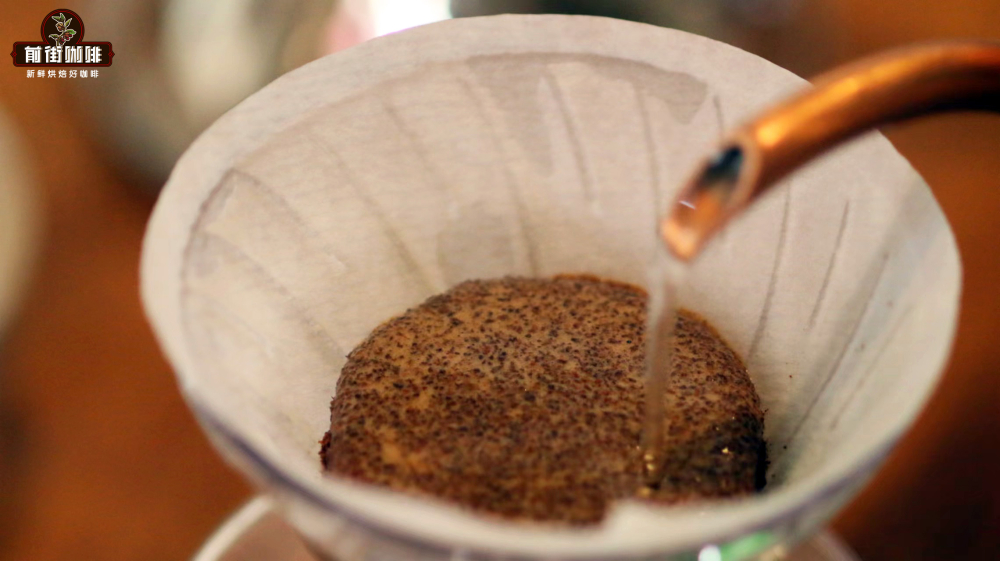
- Technique: three-pour method—① pour 30 ml to bloom for 30 seconds (release aromas); ② pour 120 ml in circles from the center outward (extract the main flavors); ③ when the liquid level drops by half, pour 90 ml (enhance body). Total time about 2 minutes 10 seconds.
Flavor keywords: white floral, lemon, citrus, honeyed sweetness, green tea (fresher at lower temperatures, more pronounced tea-like body at higher temperatures)
Brewing suggestions for natural beans (medium-light roast, such as Red Cherry coffee beans):
- Grind size: medium-fine (80% passing through Chinese standard No. 20 sieve, slightly coarser than washed beans to avoid over-extraction)
- Dripper: V60 (the 60-degree cone angle prolongs contact time between water and grounds, fully extracting the juicy body)
- Water temperature: 91°C–92°C (balances sweetness and acidity)
- Coffee-to-water ratio: 1:15 (concentrates flavor intensity and enhances a full body)
- Technique: center-pour extraction—① pour 30 ml to bloom for 30 seconds; ② pour 100 ml in circles from the center outward; ③ when the liquid level drops by half, pour 95 ml. Total time about 2 minutes.
Flavor keywords: floral, lemon, mango, berries, cream, slight fermentation (soft sweetness throughout, with a fermented wine-like finish)
Yirgacheffe's flavors vary significantly with processing method and roast level. Washed beans are mainly fresh and crisp, suitable with breakfast or an afternoon pick-me-up; natural beans are sweeter and can serve as a soothing after-dinner drink. Beginners can start with washed beans and gradually try combinations of different micro-regions and processing methods to find the one that best suits their personal taste.