French Press Coffee Guide: Grind, Ratio, and Brewing Parameters
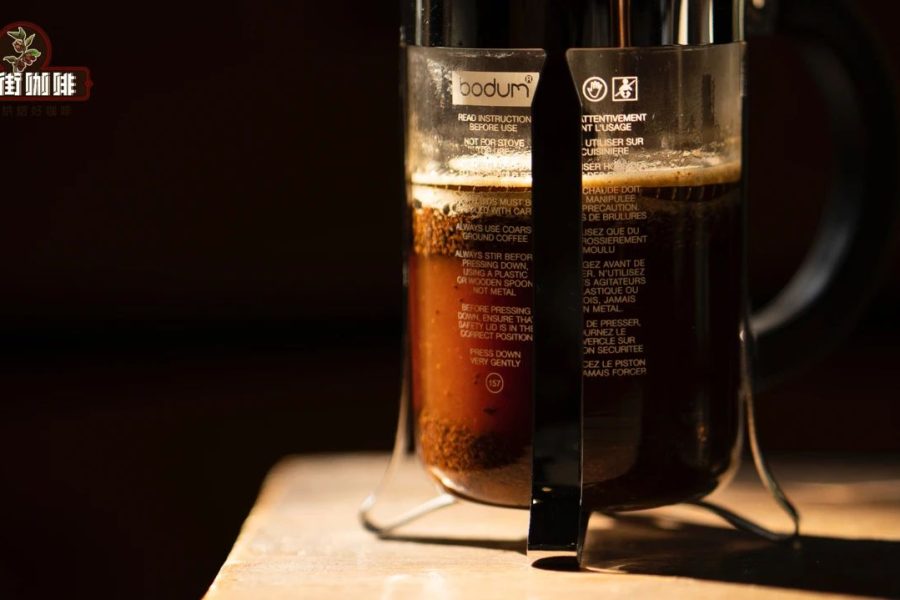
Introduction: As one of the most classic home coffee brewing devices, the French press is popular among coffee enthusiasts for its simple operation and full-bodied flavor. This article provides a comprehensive analysis of the French press extraction principle, from coffee bean selection, water-to-coffee ratio, and grind size to precise control of water temperature and immersion time, guiding you through professional-grade brewing parameters. It also offers an iced coffee recipe, device cleaning tips, and bean recommendations, helping you easily brew a high-quality coffee with rich layers and a smooth mouthfeel.
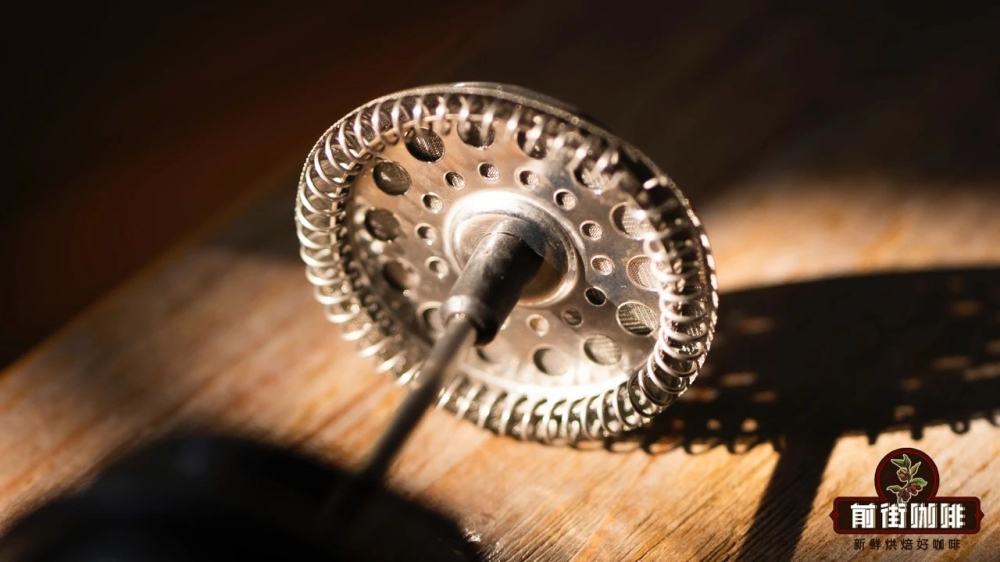
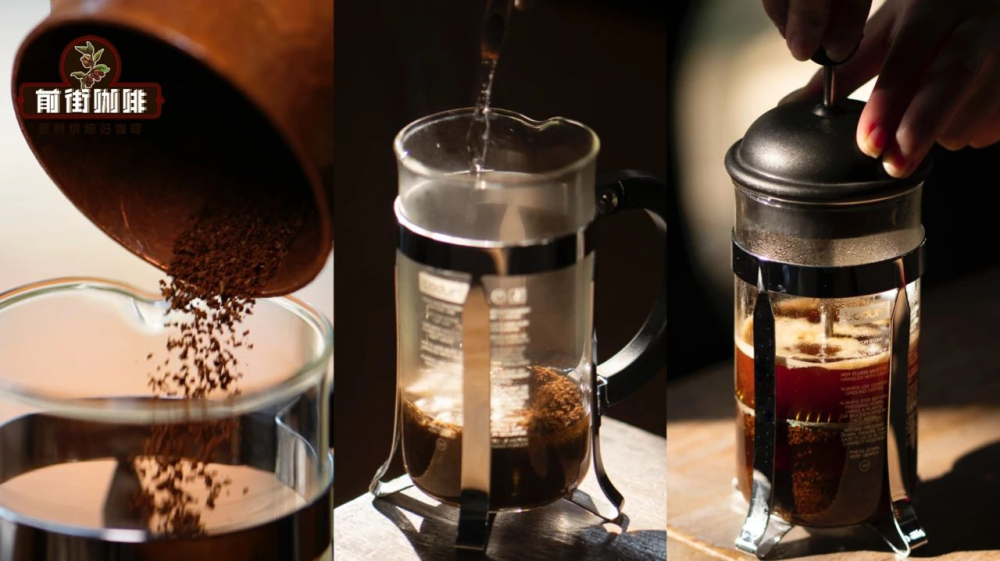
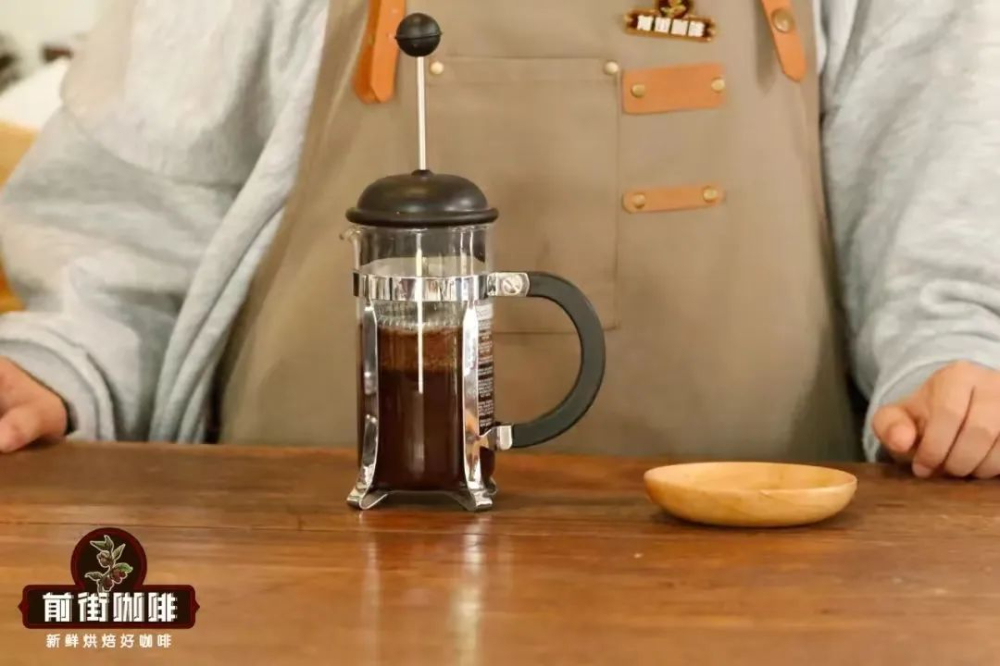
The French press was born in 19th-century France, and its commercial prototype can be traced to a patented design from 1852. This device, composed of a heat-resistant glass carafe and a metal filter plunger, has become the top entry-level choice for coffee enthusiasts worldwide thanks to its three basic steps—add grounds, pour water, press to filter. The metal filter's property of retaining coffee oils creates a full-bodied mouthfeel distinct from paper-filter brewing.
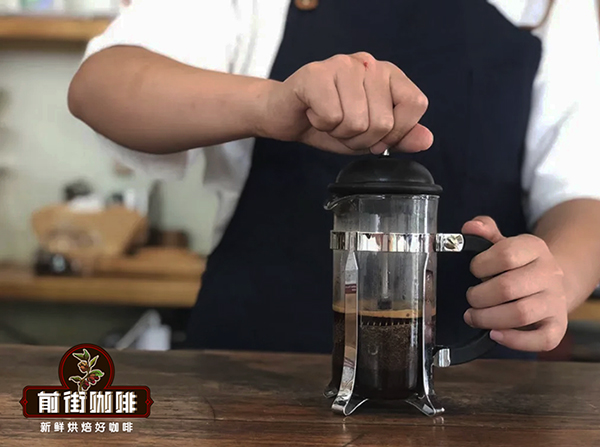
The core brewing logic is based on immersion extraction: in a fixed amount of water, coffee grounds and hot water fully contact each other, and the amount of substances extracted is controlled through time. Experimental data shows that immersion time directly affects concentration and flavor balance—more than 4 minutes tends to produce an over-extracted bitterness, while too little leaves the flavor thin.
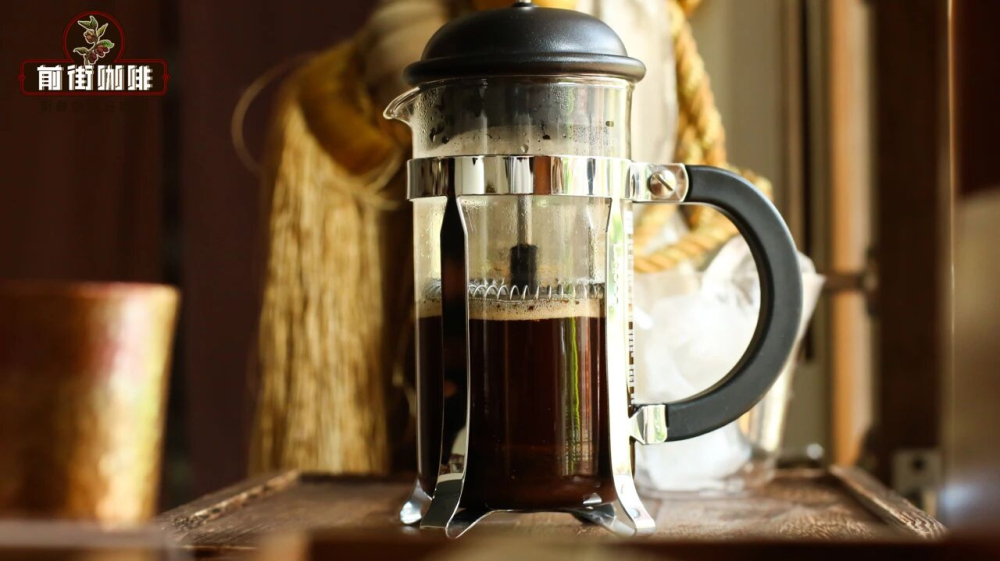
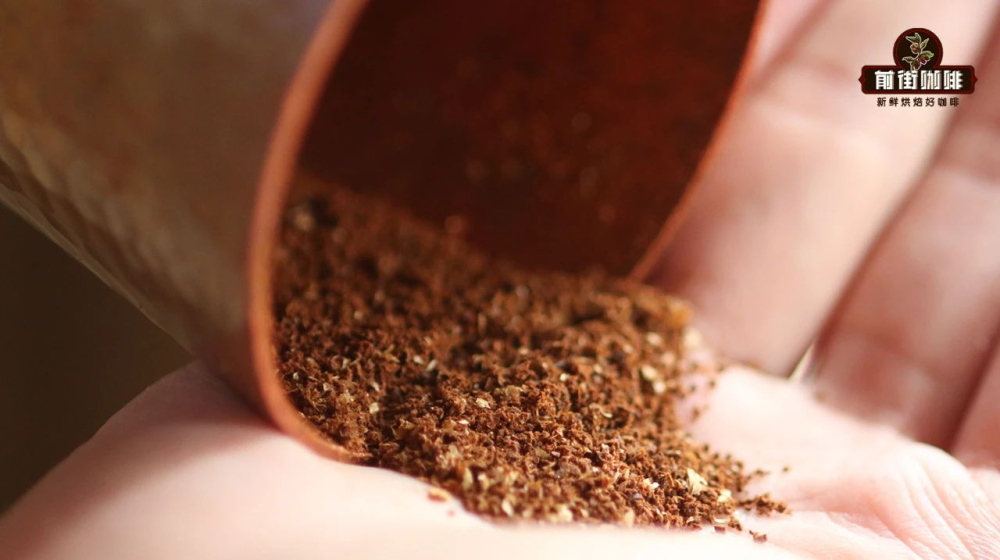
A precise water-to-coffee ratio is the flavor foundation: 1:15 to 1:16 (e.g., 15 grams of grounds to 225-240 milliliters of water) is the proven optimal range, ensuring sufficient extraction while avoiding over-concentration. Grind size needs to match the filter gap; a particle size of 800-1000 microns is recommended (equivalent to a 70%-75% pass rate through a No. 20 sieve). Medium-light roasted beans can be slightly finer (72%-75%), while medium-dark roasts need to be coarser (68%-71%) to prevent channeling.
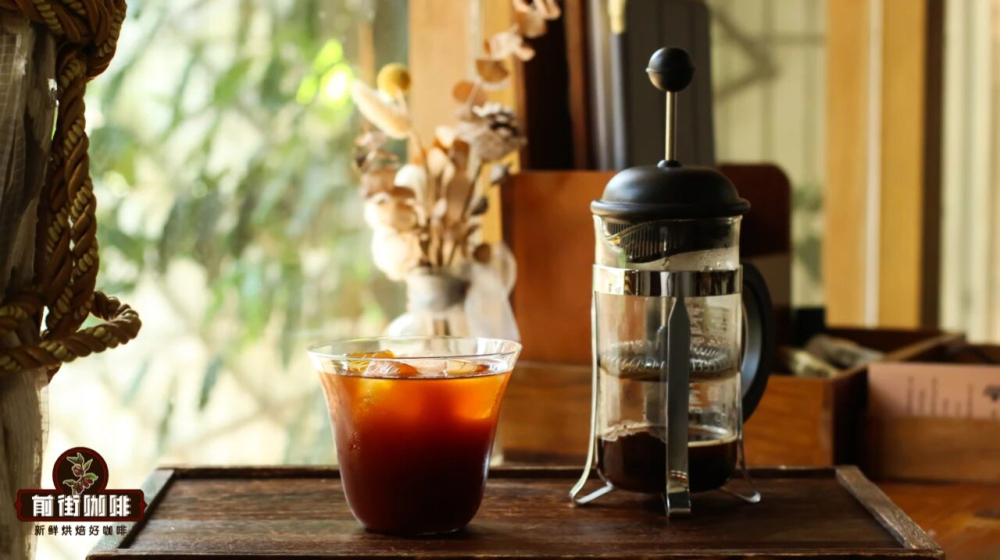
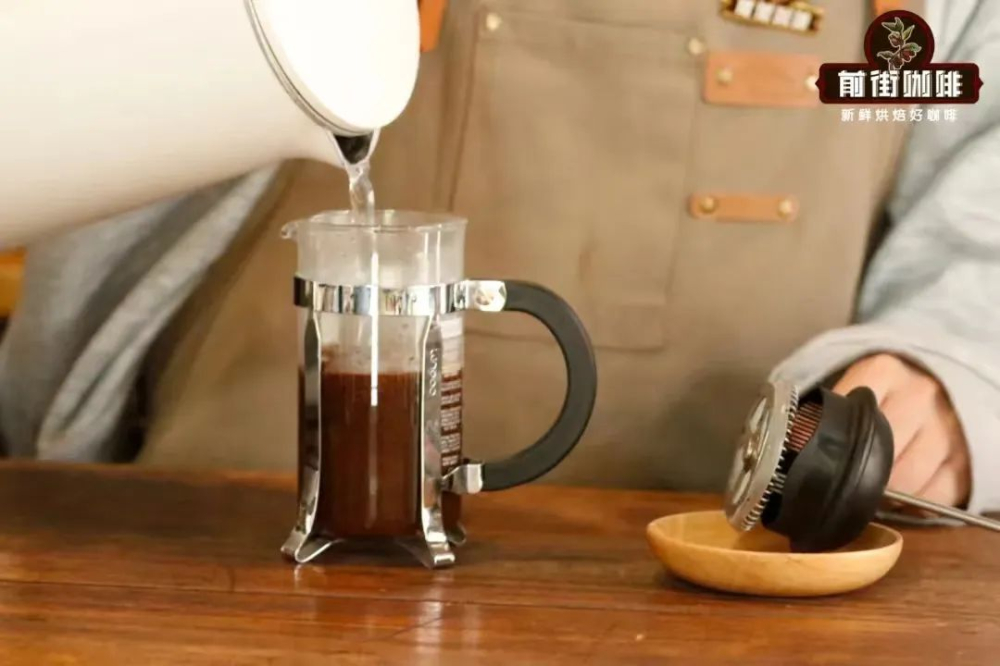
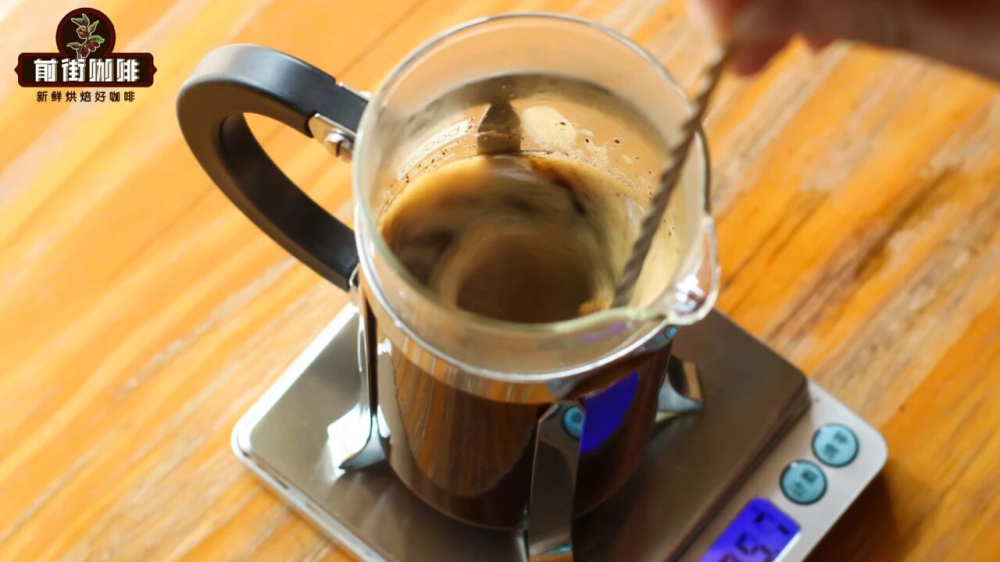
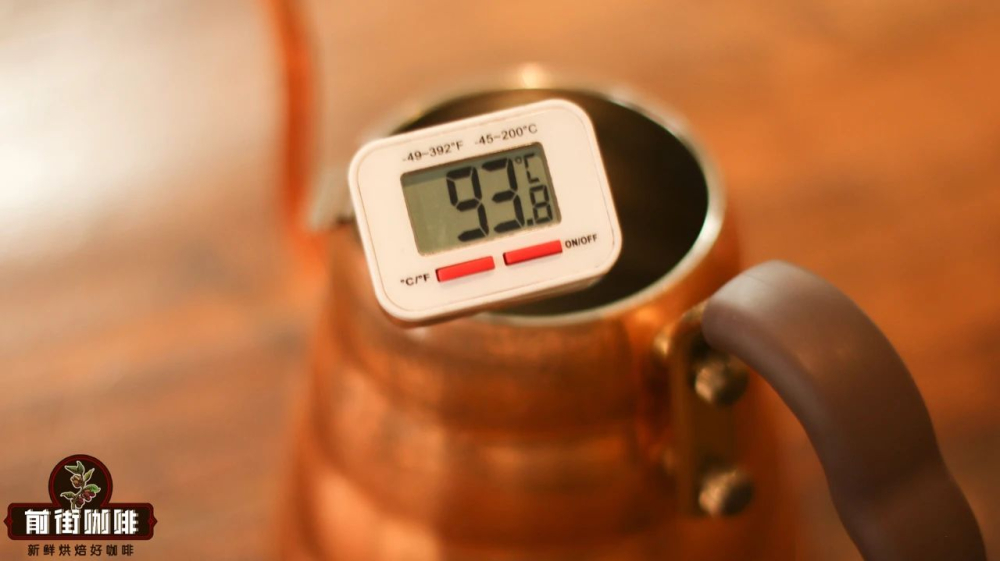
Water temperature control follows the principle of "2-3°C higher than pour-over": medium-light roasts use 91-94°C to bring out floral and fruity acidity, while medium-dark roasts use 88-91°C to avoid bitterness. After pouring water, let it sit for 4 minutes as the golden duration, during which you can stir gently once to promote even extraction (as shown in the illustrated process). When pressing, lower slowly to the 1/4 position of the carafe to avoid disturbing the fine grounds at the bottom.
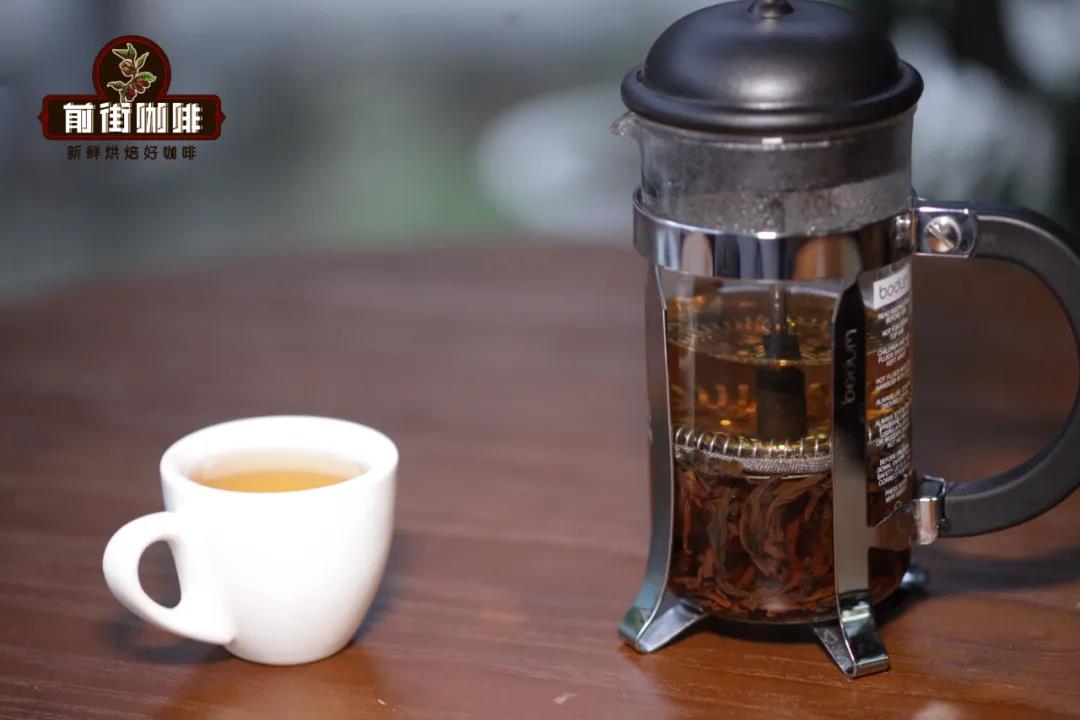
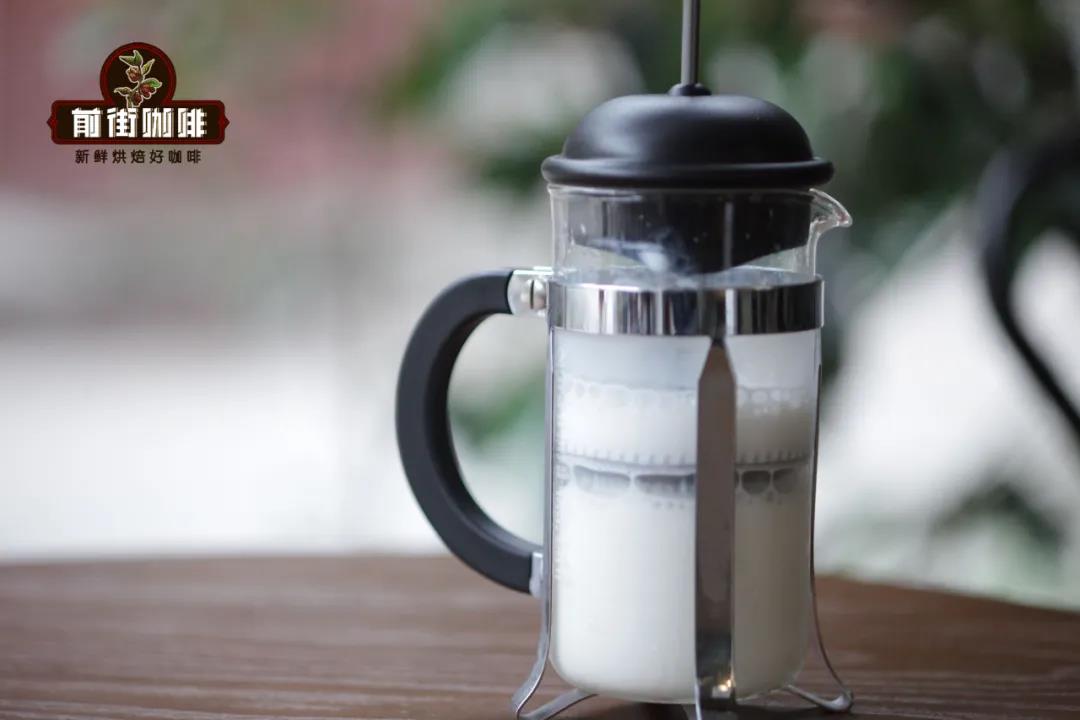
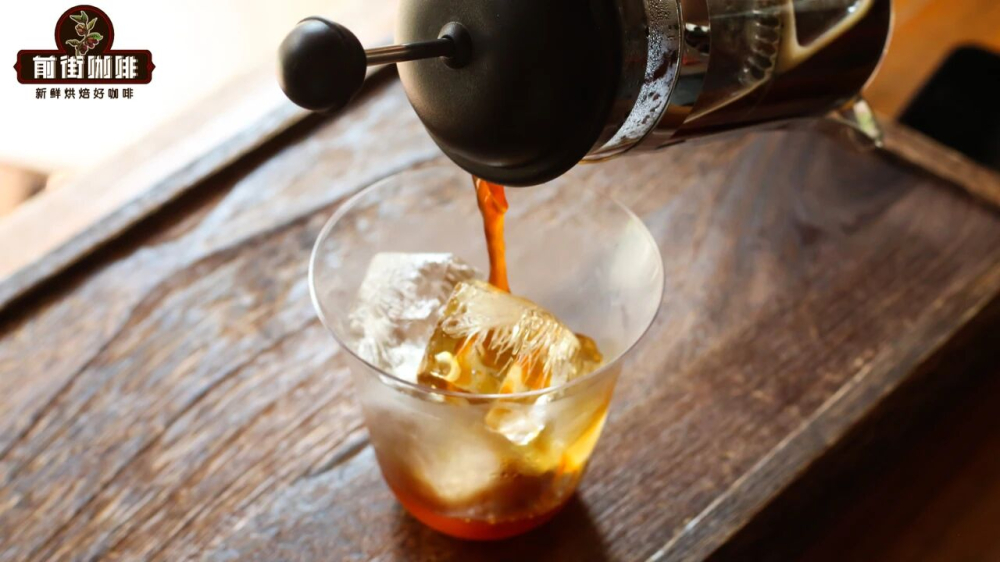
The versatility of the French press is often underestimated: its immersion characteristics closely resemble professional cupping and can be used to quickly assess coffee quality; with modifications it can also handle black tea brewing; and even special techniques can produce basic milk foam. For iced coffee lovers, the "hot extraction, cold extraction two-stage method" is recommended—use a 1:8 high-concentration coffee-to-water ratio (15 grams of grounds + 120 grams of 94°C hot water) for a quick 30-second extraction, then stir to separate the layers, let it sit for 3 minutes and press to filter, and finally dilute with ice cubes. This method is particularly suitable for full-bodied beans such as Honduras Sherry, effectively avoiding the sourness of light roasts.
Cleaning and maintenance directly affect the subsequent brewing experience: immediately disassemble the metal filter assembly after use, rinse residual oils with warm water, and clean the filter gaps with a soft-bristled brush. When not in use for a long time, keep it dry to prevent oxidation of metal parts. A deep cleaning once a month is recommended; stubborn deposits can be removed by soaking in a white vinegar solution.
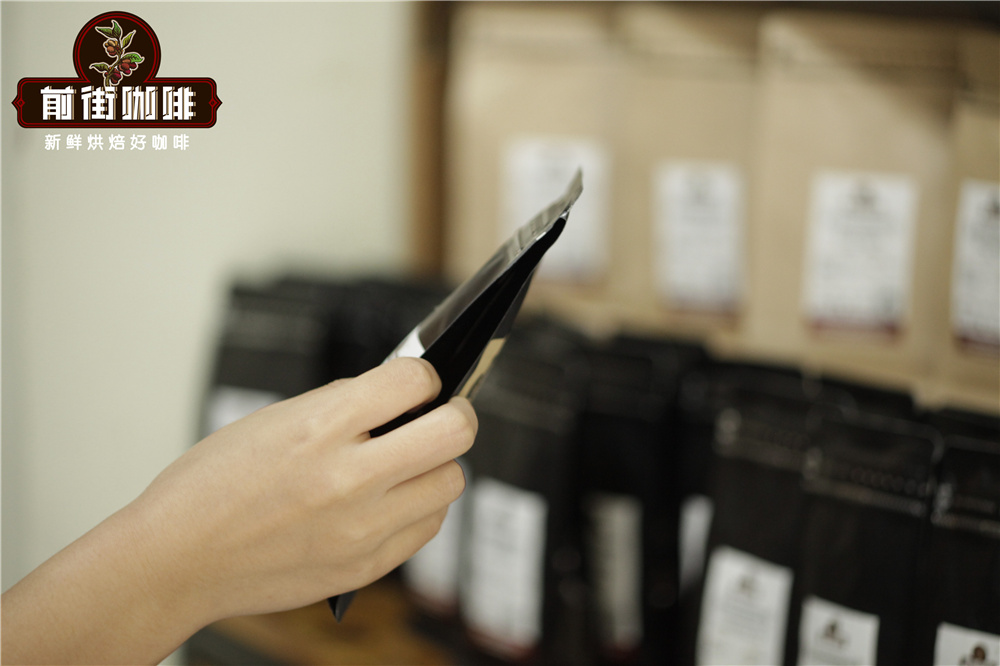
For coffee bean selection, prioritize varieties where body > acidity: the herbal notes of Indonesian Mandheling, the nutty chocolate flavors of Brazilian beans, and the caramel sweetness of sherry-barrel fermented beans all pair perfectly with the French press's extraction characteristics. Avoid Ethiopian varieties with prominent floral notes, whose delicate flavors are easily weakened by the metal filter. Beginners can start with medium-dark roasted whole beans and gradually explore the flavor expressions of different origins.
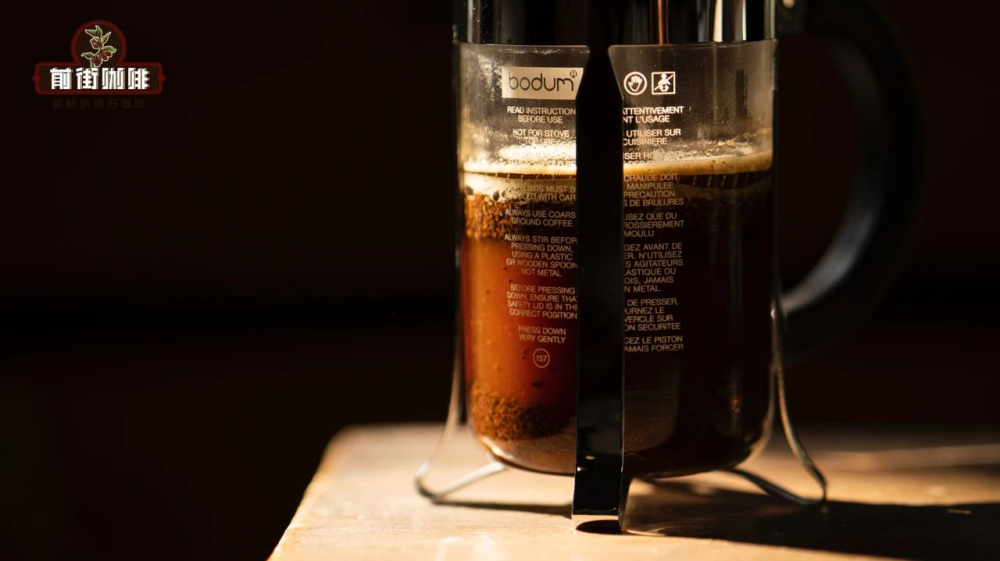
Compared with pour-over coffee, the French press's advantage lies in its high parameter tolerance and independence from technique, making it particularly suitable for home settings that pursue consistent taste. Its distinctive coffee oil layer not only enhances smoothness but also brings a fuller body; although a small amount of fine grounds may remain, it is precisely this raw texture that constitutes the French press's unique drinking experience.